
Spice Blending 101: Building Complex Flavor from Scratch
The secret to transforming a mundane Tuesday night dinner into a culinary masterpiece rarely lies in the equipment you use or the expensive cut of meat you purchase. Instead, it is found within the tiny, aromatic jars tucked away in your pantry, waiting for a master to unlock their potential. When you move beyond the pre-mixed supermarket spice blends and begin crafting your own from whole seeds, bark, and dried chilis, you are doing more than seasoning food; you are becoming an architect of flavor. It is an act of liberation from the standard, diluted profiles of commercial blends that often rely on excessive salt and anti-caking agents to hide inferior raw ingredients.
As a chef, I have seen countless home cooks struggle with "flat" dishes, despite following recipes to the letter. Usually, the issue isn't the method or the technique—it is the lack of depth in the foundation. By learning how to balance top notes, middle notes, and base notes within a spice blend, you can create layers of complexity that linger on the palate. This process requires patience, an appreciation for high-quality, whole ingredients, and a willingness to experiment with the fundamental principles of chemistry and sensory science. You are about to embark on a journey that will forever change how you approach your spice rack.
To get started, you must first clear your counter and your mind. We are moving away from the convenience of store-bought powders and into the world of toasting, grinding, and blooming. This is a tactile experience that demands you engage your senses—the smell of the raw seed, the color change during the roast, and the final, dusty transformation under the pestle. When you take control of these variables, you don't just follow a recipe; you learn to taste and adjust until the profile is perfectly aligned with your vision. Let’s dive deep into the science of seasoning and take your kitchen skills to the next level.
The Foundation: Sourcing and Selection
The quality of your spice blend is fundamentally limited by the quality of the raw materials you purchase. When you buy pre-ground spices, you are buying a product that has likely been sitting in a warehouse for months, losing its volatile oils—the very components responsible for flavor and aroma. When you purchase whole spices, you are buying a product that is effectively "dormant," waiting for the moment you decide to wake it up.
Why Whole is Always Better
Whole spices possess an internal structure that protects their essential oils. Think of a black peppercorn like a tiny, flavor-filled time capsule. Once you crack that shell, you release an explosion of aroma. Ground spices, by contrast, have already been oxidized by the air. You should seek out reputable spice merchants rather than relying on generic grocery store brands that often sit on the shelf for years. Look for seeds that are uniform in size, vibrant in color, and free of dust or debris.
Building Your Starter Library
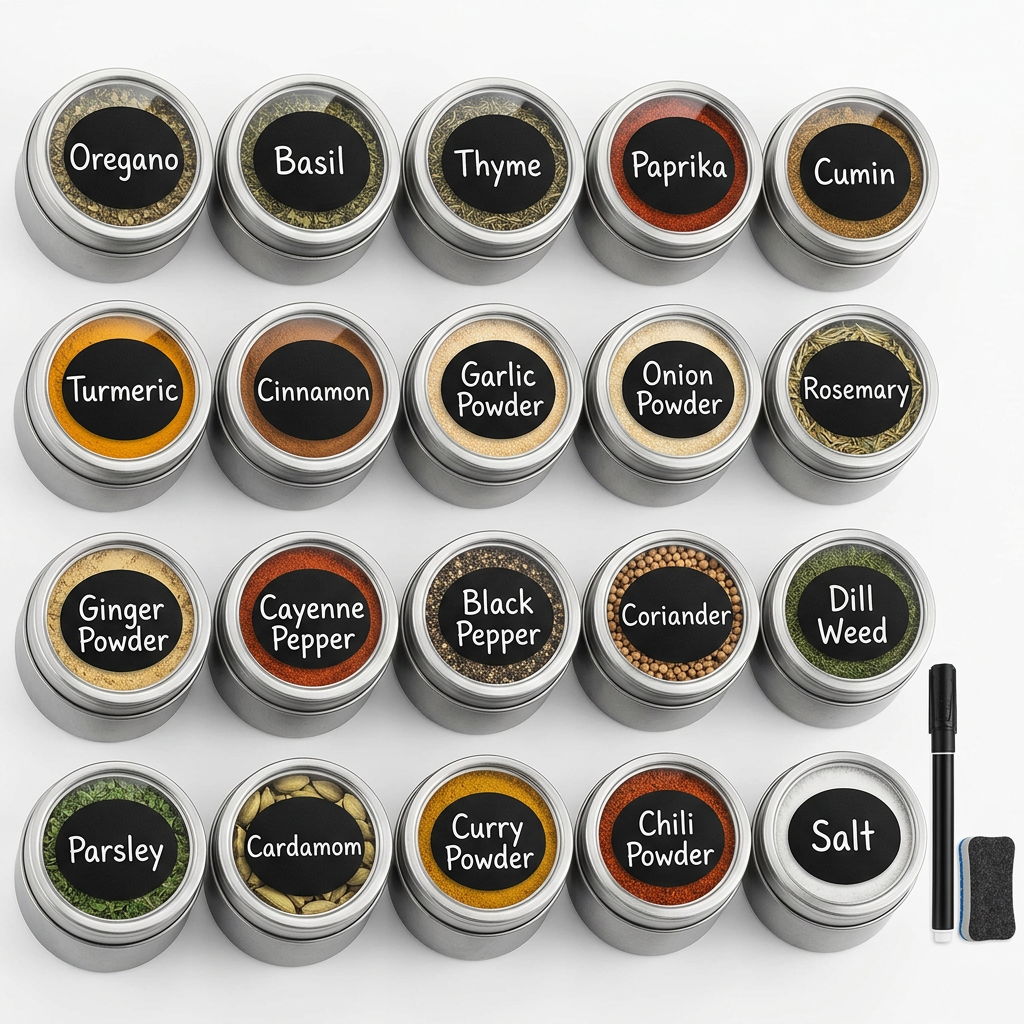
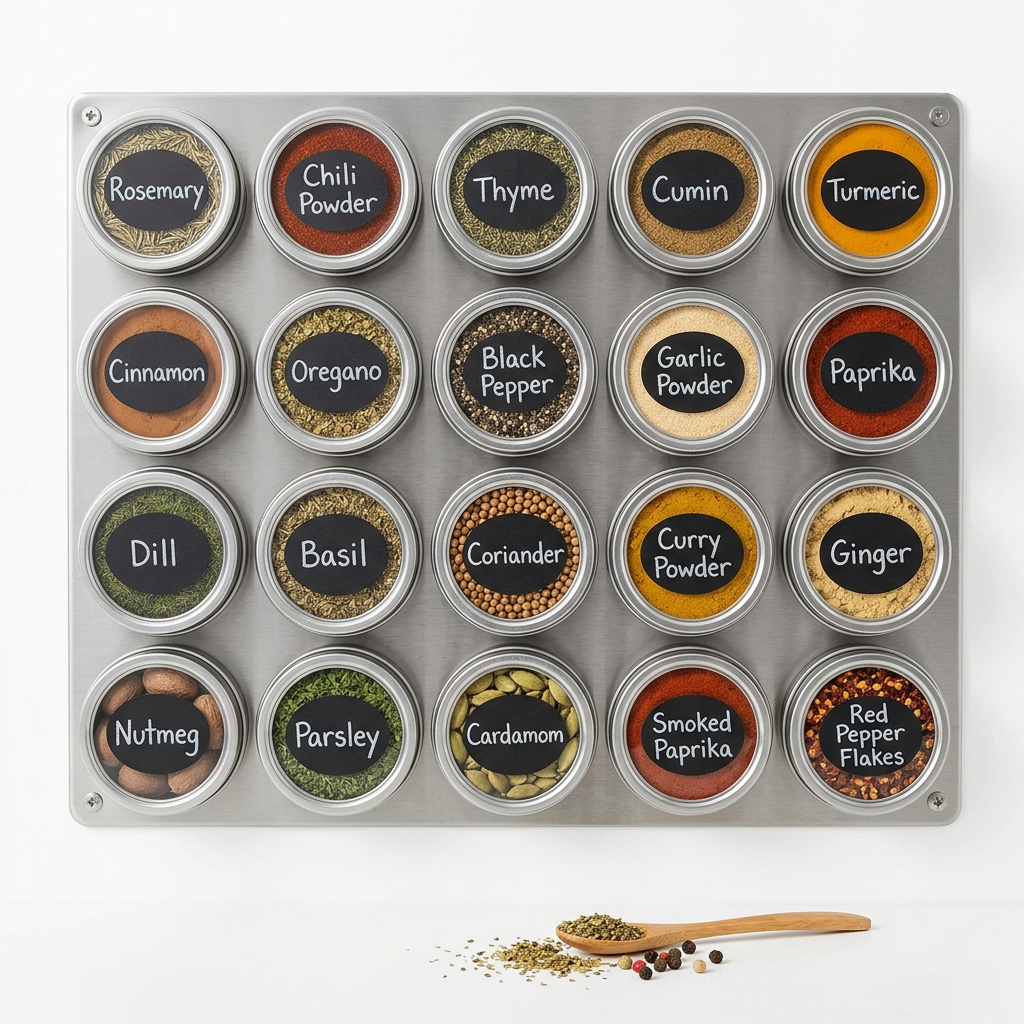
You don’t need an entire warehouse of spices to begin. A solid foundation includes a few essentials: cumin seeds, coriander seeds, black peppercorns, cardamom pods, fennel seeds, and cinnamon sticks. With just these six items, you can create dozens of distinct blends, ranging from a fragrant Middle Eastern baharat to a classic Indian garam masala. Always store your spices in airtight containers in a cool, dark place, away from the heat of the stove, which can degrade their oils prematurely.
"True flavor is not found in a jar; it is created in the friction between a mortar, a pestle, and the heat of a well-seasoned pan."
The Science of Toasting: Wake Up the Oils
Toasting is perhaps the most critical step in creating a professional-grade blend. When spices are raw, their oils are bound up in the fibrous structure of the seed or bark. By applying gentle, dry heat, you trigger a Maillard-like reaction—though on a smaller scale than with proteins—that breaks down those bonds and releases the full spectrum of aromatics.
The Technique of Dry Roasting
Place your whole seeds in a heavy-bottomed, dry stainless steel or cast-iron skillet over medium-low heat. Do not add oil; you want to "parch" the seeds. Shake the pan constantly to ensure even exposure to the heat. You are looking for a subtle change in color and, most importantly, a shift in the aroma. The kitchen should begin to smell like the spice you are toasting.
Timing and Temperature Control
The margin of error here is thin. If you burn your spices, they will taste bitter and acrid, and there is no way to salvage the batch. For delicate seeds like fennel or cumin, 60 to 90 seconds is usually sufficient. Larger spices, like a cinnamon stick or star anise, may take two to three minutes. Once they are fragrant and slightly darkened, remove them from the pan immediately and spread them onto a cold plate to stop the cooking process.
Grinding Methods: From Texture to Powder
Once your spices are toasted, you have a choice to make regarding the final texture. The tool you choose will dictate how the blend interacts with your food. A coarse, hand-crushed blend is often better for rustic rubs or crusts, while a fine, uniform powder is essential for liquid-based dishes like curries, stews, or delicate emulsions.
The Mortar and Pestle
There is no substitute for a high-quality, heavy stone mortar and pestle. The crushing action extracts more oil than a motorized blade ever could. Start by grinding the hardest ingredients first—the ones that require the most force—before adding the more delicate seeds. This technique provides a better texture and ensures that the volatile oils are integrated properly into the final powder.
The Electric Spice Grinder
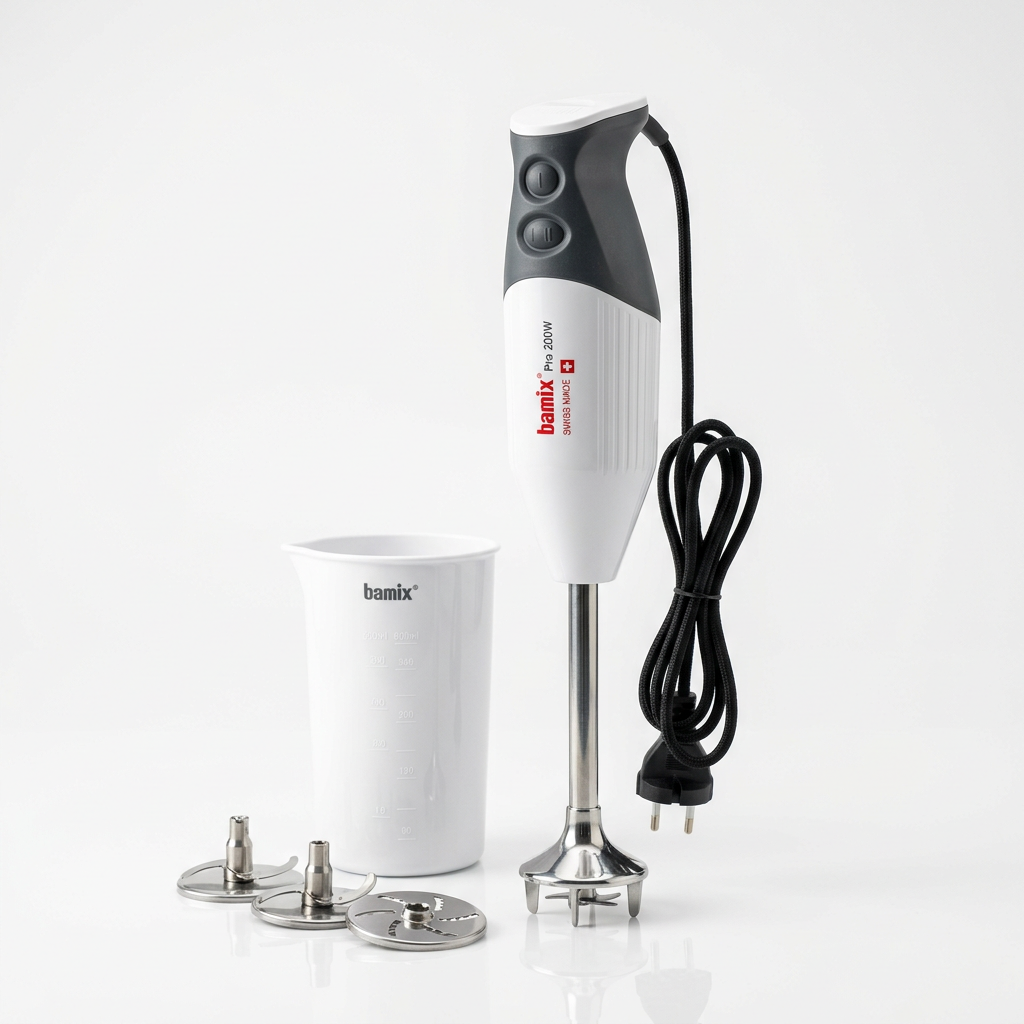
If you are working with large quantities, a dedicated electric burr or blade grinder is a necessity. If using a blade grinder, use the "pulse" method. Do not hold the button down for 30 seconds straight, as the friction from the spinning blade will generate heat that effectively "cooks" the spices again, causing them to lose their vibrant notes. Pulse for three seconds, wait, and repeat until you achieve the desired consistency.
Balancing Profiles: The Architecture of Flavor
A great spice blend follows a structure. Think of your blend as a musical composition: you need a bassline for depth, a melody for the primary flavor, and a high-pitched note for brightness. Without these layers, your blend will feel one-dimensional.
The Three-Part Ratio
Adjusting for Heat and Salt
When creating a blend, it is generally best to omit the salt. Why? Because different ingredients and cooking styles require different levels of seasoning. If your spice blend is pre-salted, you lose the ability to control the sodium profile of the final dish. Add salt during the cooking process, when you can taste and adjust according to the base ingredients you are working with.
"A spice blend is an exercise in restraint. Knowing when to stop adding is just as important as knowing what to include in the first place."
Bloom, Simmer, and Finish: Using Your Blends
The way you incorporate your spices into a dish is just as important as how you make them. If you add your blend to a cold liquid, the flavors will remain raw and often lack the depth you worked so hard to build. You must learn to "bloom" them.
Blooming in Fat
Fats are flavor carriers. By adding your custom spice blend to hot oil or clarified butter at the beginning of the cooking process, you dissolve the fat-soluble flavor compounds into the fat. This coats every piece of meat or vegetable with the essence of your spices. Bloom for 30 to 60 seconds until fragrant, but be careful not to burn the particles, which will turn your oil bitter.
The Tail-End Seasoning
Sometimes, you want to maintain the bright, volatile notes of a spice that might be lost during a long simmer. In these cases, reserve a small portion of your blend to add at the very end of the cooking process—a technique I call "finishing" with spice. This is especially effective for aromatic blends containing citrus peel, fresh pepper, or dried herbs.
Creating Your First Signature Blend: The "Universal Rub"
To put these skills into practice, let’s build a "Universal Rub" that works on anything from roasted chicken to charred cauliflower. We will use the principles we discussed: Earthiness, Heat, and Brightness.
Ingredients:*
* 3 tbsp Cumin Seeds (Earth)
* 2 tbsp Coriander Seeds (Body)
* 1 tbsp Black Peppercorns (Heat)
* 1 tsp Fennel Seeds (Bright)
* 1 tsp Smoked Paprika (Added after grinding for color and depth)
Steps:*
1. Toast the whole seeds (cumin, coriander, peppercorns, fennel) in a dry pan over medium heat until they release an intense aroma (approx. 2 minutes).
2. Transfer the toasted seeds to a cold plate immediately.
3. Once cooled, grind the seeds into a medium-fine powder using a mortar and pestle.
4. Stir in the smoked paprika.
5. Store in a glass jar in a cool place for up to three months.
Advanced Techniques: Beyond Simple Grinding
Once you have mastered the basics, you can begin to experiment with more advanced techniques to add even further complexity. Consider the concept of fermenting or smoking your spices before they are ground. For example, cold-smoking dried peppercorns over applewood before toasting them adds a layer of depth that is impossible to replicate with liquid smoke or pre-ground store-bought spices.
The Role of Acid in Spice Activation
We often overlook how acidity interacts with spice. When you finish a dish heavily spiced with earthy notes like cumin or clove, a squeeze of fresh lime or a splash of red wine vinegar can act as a catalyst, "opening up" the flavors on the tongue. The acid changes the pH of the dish, which in turn alters your perception of the spice profile, making it taste brighter and more integrated.
Troubleshooting Your Blends
If a blend feels too bitter, you likely toasted it too hard. Try balancing it with a pinch of brown sugar or honey during the final cooking stage. If a blend feels too thin or lacks impact, add a source of "umami," such as a small amount of ground dried shiitake mushroom or nutritional yeast. These additives act as a scaffold, holding the more volatile spices in place and ensuring the flavor lasts longer on the palate.
Conclusion
Building your own spice blends is a lifelong pursuit of discovery. It is not about reaching a final destination, but rather about the endless potential for variation and personal expression. By taking the time to source, toast, and grind your own ingredients, you are honoring the food you prepare and the people you share it with. You are no longer relying on a manufacturer to define the boundaries of your palate; you are setting them yourself.
As you move forward, keep a spice journal. Note the ratios you use, the duration of your toasting, and how the flavors evolve during the cooking process. When you taste a blend you created from scratch, you will notice the difference immediately—a vibrant, lingering aroma that store-bought jars simply cannot mimic.
Remember that cooking is a science grounded in intuition. Do not be afraid to fail, to over-toast, or to create a profile that doesn't quite work. Each mistake is a lesson in how these volatile compounds interact. Keep your pans clean, your mortar heavy, and your spices whole. Before you know it, you will have a collection of blends that are uniquely yours—a signature style that transforms every meal from a basic necessity into a professional, complex culinary event. Now, go forth and start toasting. The complexity you seek is only a few seeds away.
Final thoughts on the matter: The home cook who masters the spice rack is a force of nature. When you can manipulate the chemistry of flavor with such ease, you elevate the home kitchen into a laboratory of joy. Whether you are crafting a deep, dark curry rub or a delicate, citrus-forward finish for a roasted fish, the principles remain the same. Respect the raw material, treat it with the appropriate heat, and allow the flavors to bloom in harmony. You have the tools, the technique, and the ambition. Blame the chef for the lingering memories of that incredible meal, because now, you are that chef. Keep experimenting, keep tasting, and above all, keep building flavors that matter. Your guests, your family, and your own palate will thank you for the extra effort, and the results will speak for themselves in every single, aromatic bite you create in the months and years to come. Do not settle for the easy path; choose the path of the maker. Your spice rack is waiting for its evolution, and you are the one to lead it. Happy blending, and may every pinch you take be a perfectly balanced piece of a larger, delicious puzzle.
Get the Next Recipe
Weekly recipes, techniques, and gear picks — straight to your inbox.
