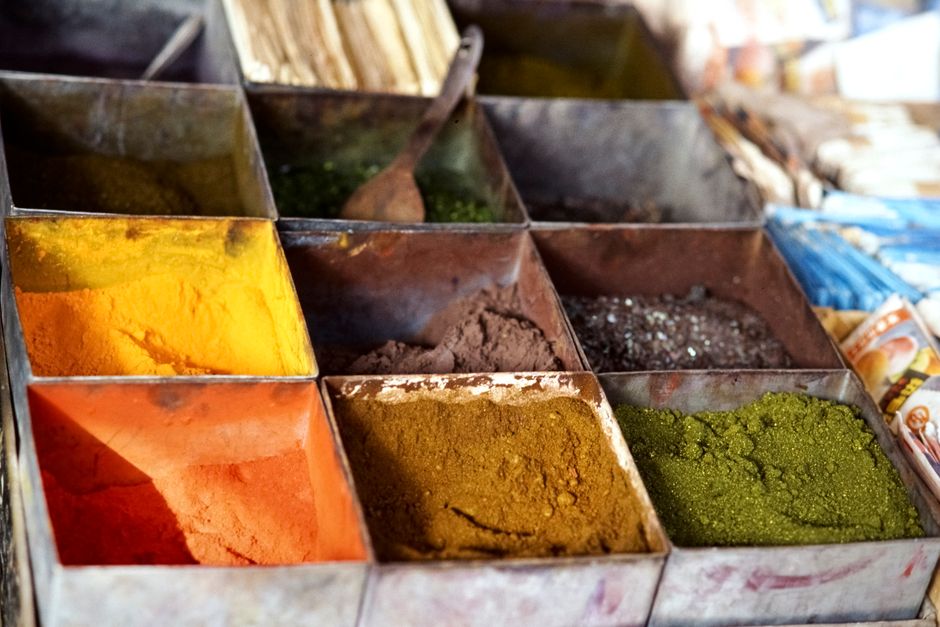
Spice Blending 101: Building Your Own Garam Masala from Scratch
There is an undeniable magic that happens when you crack open a jar of high-quality, freshly toasted spices. For many home cooks, the spice rack is a place of mystery, often housing dusty tins of pre-ground powders that lost their potency years ago. When you choose to build your own spice blends, specifically a classic Garam Masala, you aren't just following a recipe; you are engaging in an ancient culinary alchemy that transforms simple ingredients into aromatic gold. This process requires patience, a keen sense of smell, and a willingness to step away from the convenience of the supermarket aisle in favor of something infinitely more vibrant and alive.
The beauty of Garam Masala—which translates literally to "warming spice mix"—is that it is deeply personal and regionally diverse. You will find that no two grandmothers in India prepare it exactly the same way, and that is precisely the point of this exercise. By understanding the profile of each seed, bark, and bud, you gain the autonomy to tweak the heat, the sweetness, and the earthiness to match your specific palate. When we blame the chef for a bland dish, we often ignore the fact that the foundation of the flavor—the spice blend—was likely stale from the start. Today, we are taking complete control of that foundation.
As we embark on this journey into the world of dry-toasting and grinding, keep in mind that the Maillard reaction is your best friend. Even in the world of dry spices, the application of gentle, controlled heat awakens the volatile essential oils that have been lying dormant inside those seeds. You will see, smell, and taste the difference immediately upon the first grind. This is not a chore to be rushed; it is a sensory experience that defines the professional chef. Prepare your workstation, clear your mind, and let’s dismantle the mystery of the spice blend to rebuild it into something truly magnificent.
The Anatomy of Garam Masala
The term Garam Masala refers to a warming blend, typically used toward the end of the cooking process to preserve the delicate top notes of the spices. Unlike curry powders which lean heavily on turmeric and heavy hitters like coriander, Garam Masala is a balanced symphony of aromatics. The primary components generally include black peppercorns, cloves, cinnamon, cardamom, cumin, and coriander seeds. Every single one of these components serves a distinct purpose, providing a layer of complexity that unfolds on the palate in distinct waves.
Understanding the Flavor Profiles
To build an effective blend, you must identify what each ingredient brings to the table. Black peppercorns provide the sharp, biting heat that lingers at the back of the throat, while cloves offer a deep, numbing intensity. Green cardamom pods are the stars of the show, offering a floral, eucalyptus-like high note that cuts through the richness of heavy creams or fatty meats. Cinnamon (or Cassia bark) provides the essential sweetness that anchors the blend, preventing the heat from becoming overwhelming.
Selecting Your Raw Ingredients
When you walk into an international market, prioritize buying your spices whole. Whole spices act as their own preservative; their hard shells protect the volatile oils inside until the exact moment you are ready to use them. Look for spices that are uniform in color and free of debris. If you can, rub a coriander seed between your fingers; if it doesn't release a bright, citrusy aroma, put it back. Quality control starts at the source, and buying in small, manageable quantities is the best way to ensure freshness.
"A spice is only as good as the day it was ground. Once you break the surface area of a seed, you are fighting a losing battle against oxidation. Grind as you go, or at the very least, keep your batch small enough to use within a month."
The Art of Dry-Toasting
The single most important technique in making your own spice blend is dry-toasting. This process involves heating a heavy-bottomed pan over medium-low heat and gently tossing your spices until they become fragrant. You are not trying to sear them; you are trying to coax out the oils. If you move too fast, the spices will scorch, resulting in a bitter, charcoal-like flavor that can ruin an entire pound of ingredients. Watch the color closely, and trust your nose above all else.
Techniques for Perfect Toasting
Use a heavy-duty cast iron or stainless steel skillet. Avoid non-stick pans if possible, as they do not distribute heat as evenly for dry ingredients. Start with the spices that take the longest to toast, such as coriander seeds or cumin seeds. Add the smaller, more delicate spices like cloves or cardamom later in the process. Keep the spices moving constantly with a wooden spoon or by shaking the pan to ensure an even roast. You will know they are ready when the kitchen begins to smell deeply savory and the seeds have deepened in color by one or two shades.
Identifying the "Aroma Point"
The aroma point is that precise moment when the oils are fully expressed but before the sugar molecules in the spices start to burn. This usually happens within three to five minutes of steady, consistent heat. If you see wisps of smoke, you have gone too far. As soon as you hit that point, immediately transfer the spices to a cold ceramic or metal bowl to stop the cooking process. Allowing them to sit in the hot pan will cause carry-over cooking, leading to a burnt finish.
Cooling and Preparing to Grind
Once your spices are toasted, patience becomes your greatest virtue. It is vital that you allow the mixture to cool to room temperature completely before grinding. If you put warm spices into a blender or a spice grinder, the heat will create condensation inside the lid. This moisture can turn your perfectly toasted spices into a gummy, muddy paste or, worse, introduce mold if the spice jar is sealed while still warm.
The Grinding Equipment
Whether you use an electric coffee grinder dedicated solely to spices or a traditional mortar and pestle, the goal is a consistent, uniform grind. A mortar and pestle is the gold standard for many chefs because it crushes the fibers of the spices rather than chopping them, which releases oils more effectively. However, for a fine-textured Garam Masala, a clean, high-speed electric grinder is perfectly acceptable. Just be sure to pulse the spices in short bursts rather than running the motor for thirty seconds straight, which can build up excess heat.
Achieving Texture and Consistency
Decide on your desired texture before you start. Some Indian households prefer a slightly coarse texture, which adds a rustic mouthfeel to dishes like Dal Makhani. Others prefer a fine, powdery consistency that dissolves into sauces. Regardless of the texture, sifting the ground spices through a fine-mesh sieve is the pro-tip that separates home cooks from culinary enthusiasts. Any large, unground husks left in the sieve can be returned to the grinder for a second pass, ensuring that nothing goes to waste.
Customizing Your Signature Blend
Now that you have mastered the technical side of production, you can experiment with the ratio. This is where you become a culinary architect. Most standard Garam Masala recipes use a ratio of roughly 4 parts coriander, 2 parts cumin, 1 part black peppercorns, 1 part cloves, 1 part cinnamon, and 1 part cardamom. However, this is just a starting point. If you prefer a more floral profile, increase the amount of green cardamom. If you want more punch, increase the black peppercorns.
Adding Secondary Aromatics
You can introduce secondary ingredients to create a "house blend" that is uniquely yours. Star anise adds a subtle licorice note that works beautifully with lamb or red meats. Nutmeg or mace can be grated into the finished blend for a touch of autumnal sweetness. Bay leaves can also be dry-toasted and ground into the mix for a subtle, earthy backbone. When adding these, do so in small increments—perhaps 1/4 of a part—to ensure you don't overpower the base blend.
"True culinary confidence comes from understanding the limits of your ingredients. When you build a blend, think of it like a perfume. You need the top notes to hit immediately, the middle notes to sustain the experience, and the base notes to ground the flavor in your memory."
Balancing the Heat
The heat in a Garam Masala should never be aggressive; it should feel like a warm hug. If you find your blend is too spicy, it is likely the proportion of black peppercorns or the inclusion of dried chilies. If you want a bit of a kick, adding a small amount of Kashmiri chili powder—which is prized for its vibrant red color and moderate heat—after the grinding process can add a beautiful visual pop and a gentle warmth that won't overwhelm the more delicate spices.
Storage and Longevity
The death of flavor is exposure to light, heat, and air. Once you have crafted your perfect batch, you must protect it. Store your Garam Masala in an airtight glass jar, preferably in a dark cupboard away from the stove. Stoves are the worst possible place to keep spices because the fluctuations in temperature and humidity will accelerate the degradation of the volatile oils. A cool, dry pantry is the ideal environment for your hard work.
Managing Shelf Life
Even when stored perfectly, ground spices lose their potency over time. A good rule of thumb is to grind enough for one to two months of use. If you have a large amount of a blend, store it in a cool, dark place and only fill a smaller, secondary jar for daily use. This keeps the main stash fresh and prevents the constant exposure of the larger batch to oxygen and moisture every time you cook.
Reviving Older Blends
If you find you have a batch that has been sitting for a while, don't throw it away. You can often "wake up" the spice blend by adding a small amount to a dry pan over very low heat for 30 seconds before incorporating it into your dish. This process, often called blooming, can help release whatever remaining oils are trapped in the spices and bring the flavor profile back to life, at least temporarily. It’s a great trick to know when you are in a pinch.
Professional Chef Tips for Usage
Using your freshly made Garam Masala correctly is just as important as how you make it. The most common mistake home cooks make is adding the Garam Masala at the beginning of the cooking process. Because it is a delicate blend of roasted spices, long-term exposure to high heat will cause the aromatics to dissipate, leaving you with a dull, earthy taste rather than a complex, layered flavor.
The Finishing Touch
Always add your Garam Masala at the end of the cooking process. In many traditional preparations, you stir it in during the final 5 to 10 minutes of cooking, or even sprinkle it over the dish just before serving. This allows the essential oils to permeate the sauce without being destroyed by prolonged boiling. This technique preserves the brightness of the cardamom and the warmth of the cinnamon, ensuring that the very first bite is as vibrant as the last.
Blooming in Fat
Alternatively, you can "bloom" your spice blend in a small amount of ghee or neutral oil at the start of the dish if you want the spices to infuse the entire base. However, if you choose this method, keep the heat very low and only do it for about 30 seconds. This is a common technique in making Tarka (or Tadka), where spices are tempered in hot fat and then poured over a dish of dal or curry to provide a final, aromatic punch that awakens the appetite.
Balancing with Acids
If your dish feels like it needs something else but you don't want to add more spices, look to acid. A squeeze of fresh lemon juice or a teaspoon of tangy yogurt can often make the flavors of your Garam Masala "pop" in a way that just adding more of the blend cannot. Acid cuts through the heavy oils of the spices and creates a contrast that makes the spices feel brighter and more distinct. It is the secret weapon of the professional kitchen.
The Ritual of Cooking
Making Garam Masala is a ritual. It is a way to slow down, engage with your food, and show respect for the ingredients you are using. In a world of instant gratifications, there is something deeply satisfying about taking raw seeds and turning them into a complex, aromatic, and deeply personal seasoning. Every time you open that jar, you are not just reaching for a generic ingredient; you are reaching for a piece of your own culinary handiwork.
Engaging the Senses
Take the time to smell your spices at every stage. Smell the raw seeds, smell the toasting spices, and smell the final ground product. This is how you develop your palate. The more you work with these ingredients, the more you will recognize the nuances between different varieties of cinnamon or the subtle differences in cumin sourced from different regions. This is the path to culinary mastery, and it begins with these simple, repetitive acts.
Building Your Legacy
Eventually, you will develop a "house blend" that your friends and family will come to recognize. They will ask you what the secret is, and you will be able to smile, knowing it isn't a secret at all—it's just freshness and intention. Teaching others how to blend their own spices is one of the greatest gifts a cook can give. It empowers them to stop blaming the chef or the recipe and start trusting their own instincts.
Final Thoughts
Building your own Garam Masala is a transformative experience. By moving away from the pre-packaged, pre-ground options, you are reclaiming the heart of your kitchen. You have learned the importance of whole spice selection, the precision of dry-toasting, and the necessity of proper storage. These skills are not merely about making a better curry; they are about understanding the fundamentals of flavor and how to manipulate them to create something beautiful.
The next time you find yourself at the stove, remember that flavor is not an accident. It is the result of thousands of small decisions, starting with the way you treat your raw materials. Don't be afraid to experiment, don't be afraid to fail, and most importantly, don't be afraid to trust your senses. When you blend your own spices, you are no longer just following a set of instructions; you are the architect of your own culinary world. So, grab your mortar and pestle, clear off your counter, and get to grinding. The most vibrant, aromatic, and delicious version of your cooking is waiting for you to create it. You possess all the knowledge you need to turn simple seeds into magic. Take your time, enjoy the process, and let the spices speak for themselves. This is the essence of what it means to be a real chef in your own home.
Get the Next Recipe
Weekly recipes, techniques, and gear picks — straight to your inbox.
