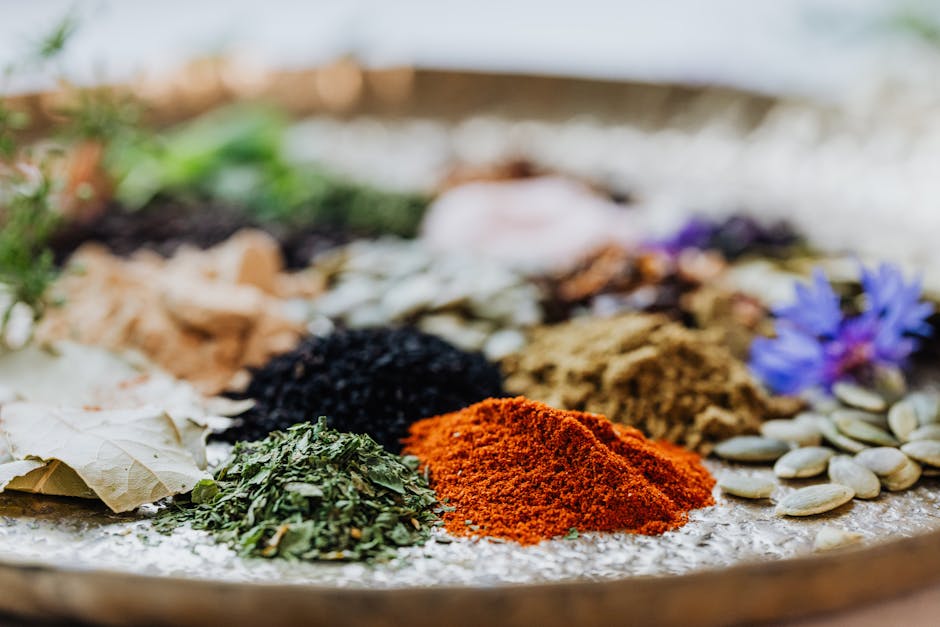
Spice Blends Around the World: Building Flavor Profiles
In the rich tapestry of global cuisine, spice blends serve as the threads that weave together diverse flavors, aromas, and textures. These carefully curated mixtures not only enhance the inherent taste of individual ingredients but also transport us to the regions from which they originate. Each region boasts its own signature spice blends that reflect local traditions, available resources, and culinary philosophies. For the home cook seeking to elevate their culinary prowess, understanding these blends is not merely about following a recipe; it's about unlocking the secrets of flavor and transforming an ordinary meal into an extraordinary feast.
As we embark on this flavorful journey, we will explore a variety of spice blends from around the world, delving into their histories, unique characteristics, and applications in everyday cooking. From the warm notes of Moroccan Ras el Hanout to the fiery kick of Indian Garam Masala, each blend offers a treasure trove of culinary opportunities. We'll dive deep into the art of balancing spices, the science behind flavors, and practical tips for creating your own blends or enhancing store-bought options, ensuring that your culinary creations are nothing short of spectacular.
Whether you're a novice in the kitchen or a seasoned chef, there’s always something new to learn and explore when it comes to spices. By understanding the flavor profiles of different regions, you'll gain the confidence to experiment with new ingredients and techniques, elevating your cooking from mundane to magnificent. So grab your mortar and pestle, your favorite mixing bowls, and let’s embark on this aromatic adventure into spice blends around the world!
The Essence of Spice Blends
Spice blends are far from mere convenience; they represent the culinary identity of cultures. A spice blend is typically composed of multiple spices, herbs, and sometimes even salts or sugars, balanced to achieve a specific flavor profile. The combinations can vary significantly, offering everything from sweetness to earthiness, bitterness to umami. The uniqueness of each blend reflects not just the ingredients but also the culinary traditions and preferences of the region where it originated.
The Power of Balance
At the heart of every effective spice blend is the principle of balance. A well-crafted blend should harmonize various taste components like sweet, salty, spicy, sour, and bitter. Understanding how these flavors interact is crucial for any cook who wishes to create dishes that sing. For instance, in creating a chili powder blend, one must consider:
The goal is to achieve a blend that brings out the best in your dishes without overpowering them.
"Cooking is like love. It should be entered into with abandon or not at all." – Harriet Van Horne
Essential Tools for Blending Spices
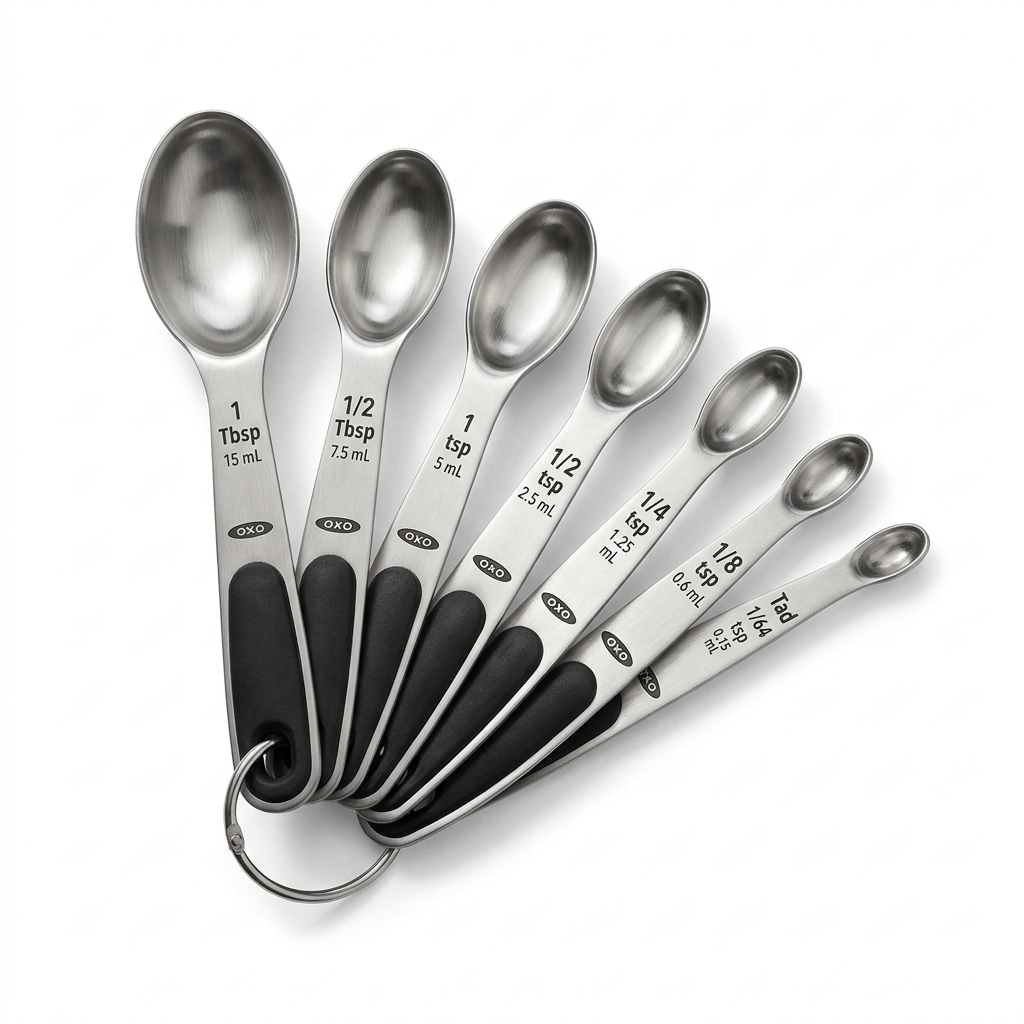
Before diving into crafting spice blends, it’s essential to have the right tools at hand. A few basic items can make the process smoother and more enjoyable:
With the right tools, you’re already set up for success, ready to dive into the world of flavor!
Regional Spice Blends
Let’s explore some of the most prominent spice blends from around the world, examining their primary components, typical dishes, and ways to incorporate them into your culinary repertoire.
Moroccan Ras el Hanout
Originating from Morocco, Ras el Hanout is a complex and aromatic blend that translates to "head of the shop," implying that it is the best the spice merchant has to offer. The blend traditionally consists of over a dozen spices, with variations depending on the merchant and region.
#### Common Ingredients
While individual recipes may vary, typical components of Ras el Hanout include:
#### Culinary Applications
Ras el Hanout is versatile, making its way into many Moroccan dishes. Here are some options:
To create your own blend, try combining one teaspoon each of cumin, coriander, cinnamon, and ginger with lesser amounts of nutmeg, allspice, and cayenne for a balance of flavors.
Indian Garam Masala
Garam Masala is a staple in Indian cooking, celebrated for its layered complexity. Traditionally, it was prepared fresh by grinding spices together, often customized to seasonal and regional availability.
#### Building the Blend
A typical Garam Masala may include:
#### Flavor Profiles
Garam Masala is used to season numerous dishes, including:
The trick is to experiment with toasting the spices lightly before grinding to boost their flavors.
"Spices are the poetry of cooking." – Georges Auguste Escoffier
Middle Eastern Za'atar
The Za'atar blend is synonymous with Middle Eastern cuisine, offering a tangy, herbal delight. It is often used as a seasoning for meats or mixed with olive oil for dipping bread.
#### Key Components
Za'atar usually contains:
#### Culinary Uses
Common applications include:
Latin American Adobo
Adobo is a versatile blend utilized across Latin American cuisines, particularly in the Caribbean. This blend is famed for its ability to add a bold kick to any dish.
#### Ingredients
An Adobo blend often contains:
#### Cooking Techniques
Adobo is typically used in:
Ethiopian Berbere
Berbere is an essential spice blend in Ethiopian cooking, layered with heat and flavor. The result is complex yet approachable.
#### Standard Ingredients
A conventional Berbere contains:
#### Culinary Expressions
Berbere shines in:
Blending Techniques and Tips
Creating spice blends isn’t just about combining ingredients; it involves techniques that enhance flavors and textures. Let’s explore some essential blending techniques and the science behind them.
Grinding Spices
Grinding spices is a crucial step that can dramatically alter the flavor. Whole spices tend to have a more intense aroma, while pre-ground spices can lose potency over time and may contain additives.
#### Tips for Grinding
Balancing Flavors in Your Blends
An essential part of developing a compelling spice blend is achieving balance. Here’s how to do it:
Storing Your Spice Blends
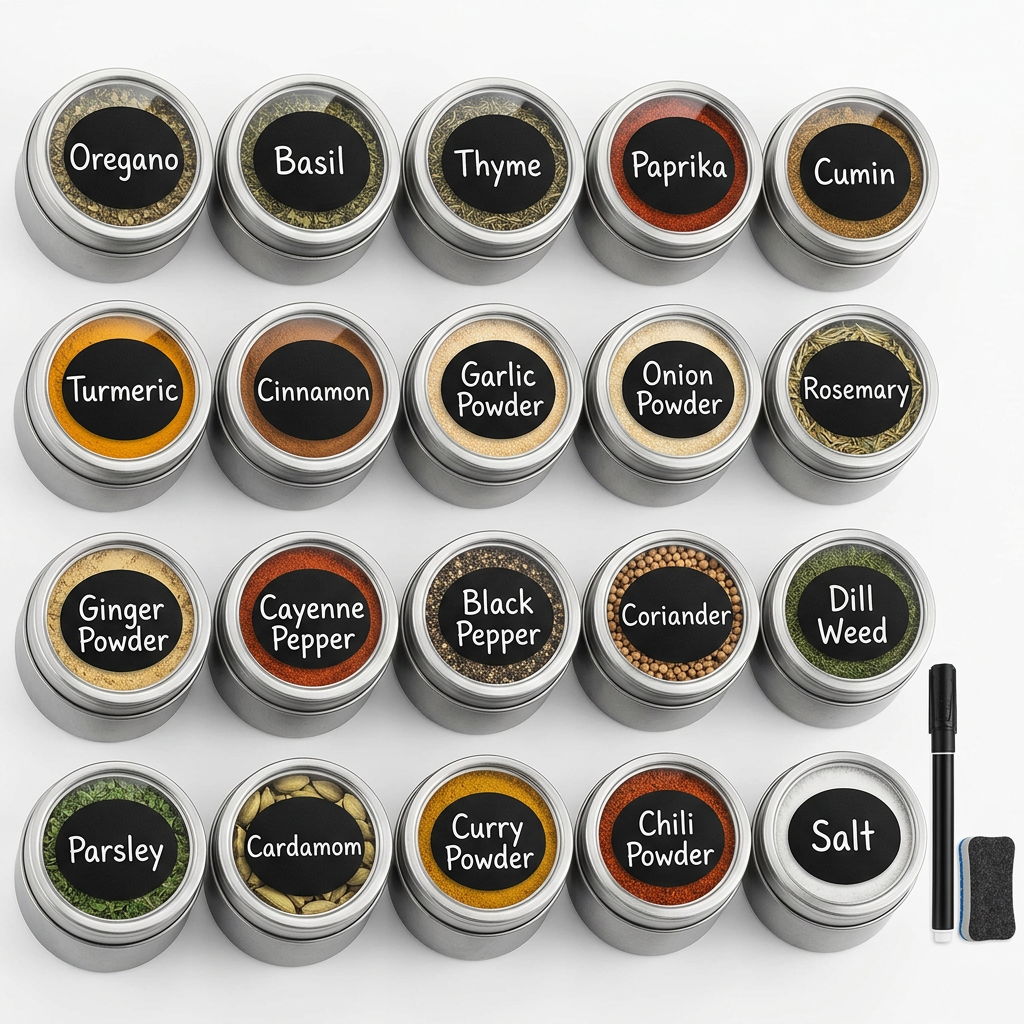
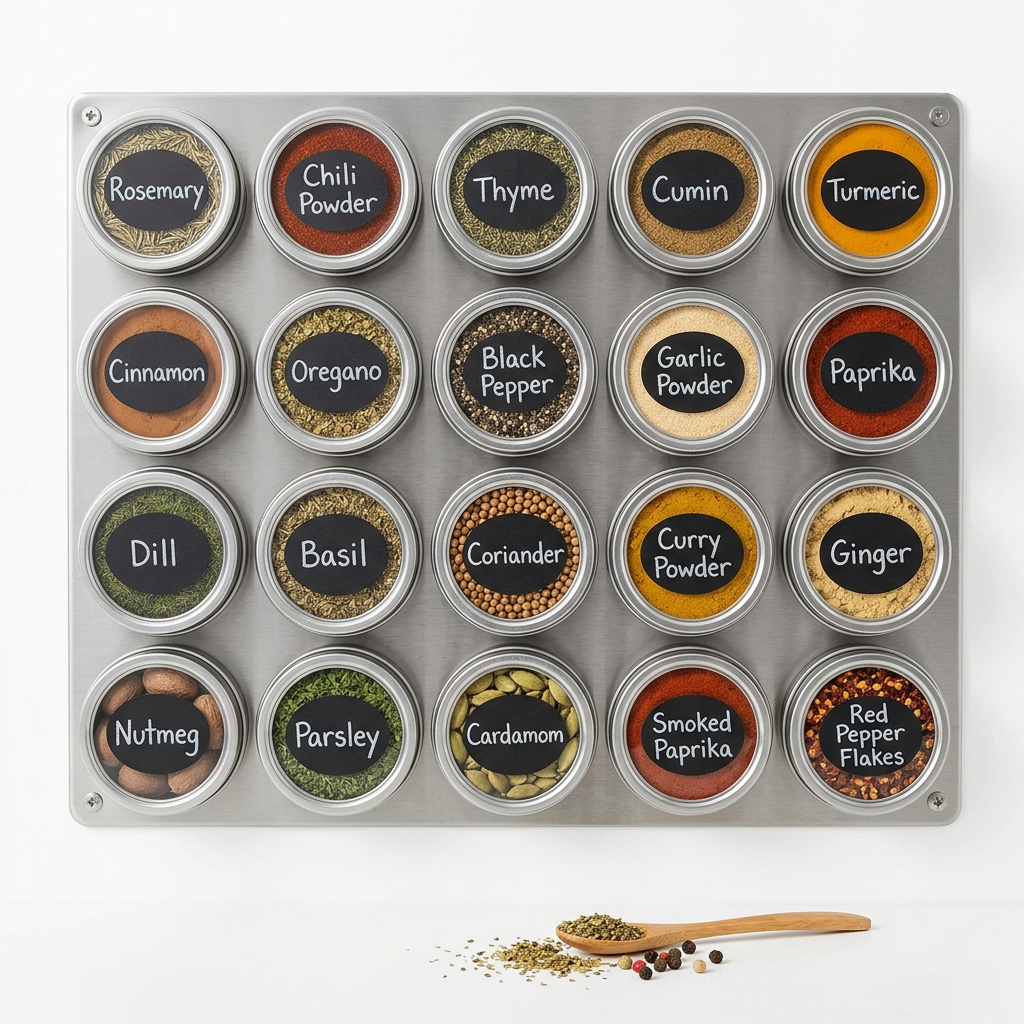
Correct storage of spice blends is vital for retaining their vibrant flavors. Here are some effective steps:
Creating Your Own Spice Blends
Now that you've explored various spice combinations, it’s time for the fun part: creating your own blends! Here’s how you can experiment and craft unique flavor profiles in your kitchen.
Understanding Flavor Profiles
Assess the flavor profile you want to develop. Consider:
Experimenting with Ratios
A great way to start blending is by employing a ratio system, which helps maintain consistency. A sample ratio might look like this:
Testing Your Blend
Before committing to a larger batch, always test your blend. Here’s a simple approach:
Blending for Specific Dishes
When creating blends, consider developing them for specific dishes or cuisines. For example, if you love Indian food, you might create a special Garam Masala that incorporates extra nutmeg and clove for a unique touch.
Incorporating Spice Blends into Everyday Cooking
Using spice blends effectively requires a bit of creativity and practice. Here are some ways to integrate your creations into weekly meals.
Meal Prepping with Spice Blends
Incorporate spice blends into your meal prep for the week to infuse your dishes with variety without added effort.
Creative Recipe Ideas
Using spice blends doesn't have to be limited to traditional recipes; think outside the box. Here are a few ideas:
Final Thoughts
Exploring spice blends is like embarking on a culinary adventure, where each blend tells a story of heritage, passion, and tradition. By embracing these combinations, you can not only enhance the flavors of your meals but also connect with the diverse cultures around the globe. Remember, the journey doesn't end here; the art of blending spices is a never-ending exploration, begging for creativity, adjustments, and experimentation.
As you dive deeper into the world of spices, don't shy away from trying your own blends. The kitchen is your canvas, and with the knowledge of spices, you can create masterpieces that are truly your own. So, roll up your sleeves, gather those spices, and let your culinary imagination soar!
Whether you're flavoring a simple soup or crafting an elaborate feast, spice blends open the door to a vibrant and exciting world of flavor that promises to elevate your cooking to new heights. Happy cooking!
Get the Next Recipe
Weekly recipes, techniques, and gear picks — straight to your inbox.
