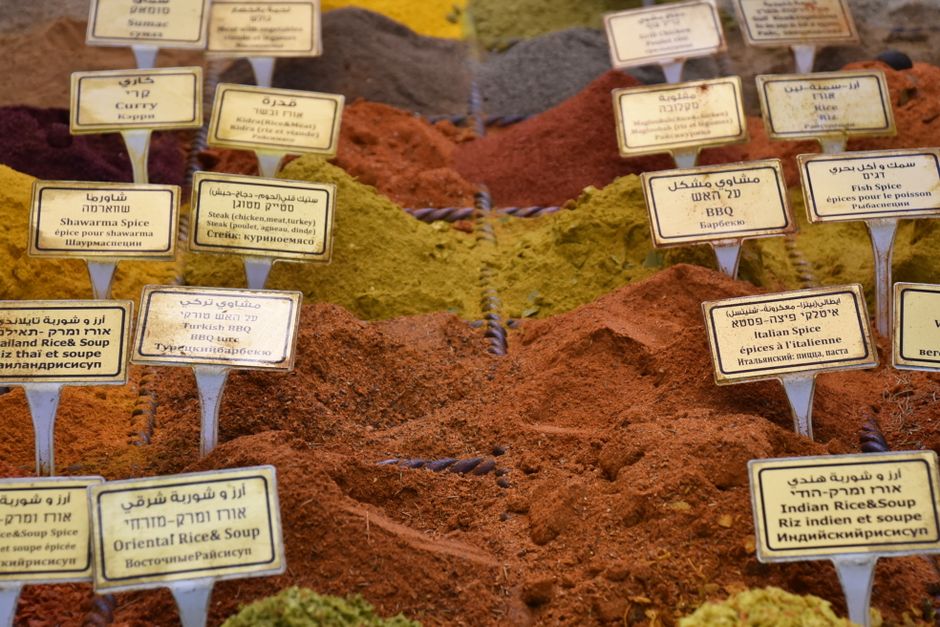
Spice Blends from Around the World
The world of spices is a vast and vibrant tapestry that enchants the senses and transforms ordinary meals into extraordinary culinary experiences. For home cooks eager to explore the globe from their own kitchens, understanding the diverse spice blends from various cultures can be an exciting journey that elevates their cooking to new heights. Each blend carries a story, a nuanced history, and a distinct array of flavors that can breathe new life into classic recipes or inspire culinary experimentation. Whether you're seeking warmth from a rich Moroccan spice mix or the zesty brightness of Mexican adobo, each blend is a passport to a different facet of global gastronomy.
As you embark on this aromatic adventure, it's essential to recognize the importance of quality spices. Freshness is key; whole spices tend to have a longer shelf life than their ground counterparts and often provide more intense flavors when freshly ground. Investing in high-quality spices and blending them yourself can transform your dishes, enhancing not only flavor but also your overall cooking experience. With an increasing interest in plant-based diets and natural flavors, experimenting with homemade blends could be an exciting experiment that aligns with your culinary passions.
This exploration of spice blends is not just about the individual ingredients—it’s about how they work harmoniously together to create complex, layered flavors. In this post, we will take you through a plethora of global spice blends, the techniques to create them, the proportions that yield the best results, and how to incorporate them into your during every step of cooking. From the piquant warmth of garam masala to the vibrant zest of dukkah, let’s delve into the world of spice blends and learn how to infuse your dishes with the richness of cultural traditions and the artistry of flavor.
Garam Masala: The Essence of Indian Cuisine
The Heart of Indian Cooking
Garam masala, often considered the quintessential spice blend of Indian cooking, varies significantly by region and household. Typically, this aromatic blend is composed of spices such as cumin, coriander, cardamom, cloves, nutmeg, and cinnamon. While some families may add additional spices like star anise or black peppercorns, the essence remains a beautiful combination of warmth and depth. The term “garam” means “hot” in Hindi, but it refers to the idea of warmth, not just heat; this blend is designed to elevate the flavor profile of dishes without overwhelming the palate.
Creating your own garam masala is a rewarding experience, allowing you to customize each spice according to your taste. Here’s a basic recipe to get you started:
- 2 tablespoons cumin seeds
- 2 tablespoons coriander seeds
- 1 tablespoon black peppercorns
- 1 teaspoon cardamom pods
- 1 teaspoon whole cloves
- 1 small piece of cinnamon stick (about 2 inches)
- A pinch of nutmeg, grated
- Toast the cumin, coriander, and peppercorns in a dry skillet over medium heat until fragrant, about 3-5 minutes. Stir frequently to avoid burning.
- Add cardamom, cloves, and cinnamon to the skillet, continuing to toast for another minute.
- Remove from heat and let cool.
- Following this, grind the spices into a fine powder using a spice grinder or mortar and pestle.
- Store in an airtight container and use within a few months for the best flavor.
Uses of Garam Masala
Garam masala is incredibly versatile. Here are several ways to incorporate it into your cooking:
"Crafting your own garam masala not only enhances the flavors but also deepens your connection to the cooking process."
Za'atar: A Middle Eastern Delight
The Ingredients of Za'atar
A staple in Middle Eastern cuisine, za'atar is a fragrant herb and spice blend that varies widely in its composition. The base often includes thyme, sumac, and sesame seeds, combined with salt and occasionally oregano or marjoram. This unique blend offers a savory and slightly tangy profile, primarily due to the sumac.
Making your za'atar blend is simple and rewarding. Here’s a basic recipe for you to try at home:
- 2 tablespoons dried thyme
- 2 tablespoons sesame seeds (toasted)
- 1 tablespoon sumac
- 1 teaspoon salt
- Optional: 1 teaspoon oregano
- In a dry skillet, toast the sesame seeds over medium heat for about 3-4 minutes, stirring frequently to prevent burning.
- Combine toasted sesame seeds, thyme, sumac, and salt in a bowl.
- Mix well, adjusting the quantity of sumac based on your taste preference.
- Store in an airtight container in a cool, dark place.
Culinary Applications of Za'atar
Za'atar can be used in a variety of dishes, reflecting its versatility:
"Za'atar is not just a spice; it's a culinary tradition that connects us to the Middle Eastern roots of flavor."
Dukkah: An Egyptian Treasure
The Origins of Dukkah
Dukkah is a unique Egyptian spice blend that typically contains nuts, seeds, and spices, creating a crunchy, nutty condiment that’s perfect for dipping. The blend often features hazelnuts, coriander seeds, cumin seeds, and sesame seeds. The beauty of dukkah lies in its texture—an exquisite contrast to smooth dips and spreads.
To make your own dukkah, follow this simple recipe:
- 1 cup hazelnuts (or almonds)
- 2 tablespoons sesame seeds
- 1 tablespoon coriander seeds
- 1 tablespoon cumin seeds
- 1 teaspoon salt
- 1 teaspoon black pepper (optional)
- Toast the hazelnuts in a dry skillet over medium heat for about 5-7 minutes, or until lightly browned. Remove the skins if desired.
- In the same skillet, toast sesame seeds, coriander seeds, and cumin seeds until fragrant, about 3 minutes.
- Allow everything to cool before grinding the hazelnuts and toasted spices into a coarse mixture using a food processor.
- Combine the ground mixture with salt and black pepper if using. Store in an airtight container.
Ways to Enjoy Dukkah
Dukkah can be enjoyed in countless ways, making it an adaptable ingredient in your pantry:
"Dukkah is a celebration of texture and flavor, an ancient Egyptian practice that’s found its way into modern kitchens."
Harissa: The Spice of North Africa
Understanding Harissa
Harissa is a fiery chili paste that hails from North Africa, particularly Tunisia. It’s made predominantly from roasted red peppers, hot chili peppers, and a blend of spices including coriander, cumin, and garlic. This versatile condiment can add considerable depth to numerous dishes, from stews to marinades.
To create your own harissa paste:
- 4-5 dried red chilies (adjust to taste)
- 1 roasted red bell pepper
- 2-3 cloves garlic
- 1 teaspoon cumin seeds
- 1 teaspoon coriander seeds
- 1 tablespoon olive oil
- Salt to taste
- Soak the dried chilies in hot water for about 30 minutes. Drain and remove stems and seeds.
- In a dry skillet, toast cumin and coriander seeds until fragrant.
- Blend all ingredients, including roasted bell pepper, garlic, soaked chilies, and olive oil into a smooth paste. Add salt to taste.
- Store in an airtight container with a light layer of olive oil on top to preserve freshness.
Culinary Uses of Harissa
Harissa's bold flavor can be applied in multiple culinary scenarios:
"Harissa is more than just heat; it’s a flavor explosion that captures the spirit of North African cuisine."
Taco Seasoning: A Mexican Favorite
The Taste of Tacos
Taco seasoning is an essential blend for capturing the spirit of Mexican cuisine, adding a dynamic flavor profile to all kinds of dishes. Typically, this blend includes chili powder, cumin, garlic powder, onion powder, and paprika. Its versatility is remarkable; it can be used for not just tacos, but also for enchiladas, burritos, and beyond.
Mixing your taco seasoning lets you tailor the flavor to suit your palate:
- 1 tablespoon chili powder
- 1 teaspoon cumin
- 1 teaspoon garlic powder
- 1 teaspoon onion powder
- ½ teaspoon paprika
- ½ teaspoon salt
- ½ teaspoon black pepper
- Optional: a pinch of cayenne pepper for extra heat
- Combine all the spices in a bowl and mix thoroughly.
- Adjust seasoning based on personal taste preferences.
- Store in an airtight container for up to six months.
Creative Uses for Taco Seasoning
Taco seasoning can easily enhance various dishes in your kitchen:
"Taco seasoning is a celebration of vibrant flavors, transforming any weeknight dinner into a festive occasion."
Chinese Five Spice: A Harmony of Flavors
The Science of Five Spice
Chinese five spice is a unique blend traditionally featuring star anise, cloves, Chinese cinnamon, Sichuan pepper, and fennel seeds. The combination evokes the five basic flavors: sweet, sour, bitter, salty, and umami. This remarkable balance is what makes five spice so beloved in Chinese cuisine.
To create your own five spice powder, try this simple method:
- 1 tablespoon star anise
- 1 tablespoon cloves
- 1 tablespoon Chinese cinnamon (or cassia)
- 1 tablespoon fennel seeds
- 1 teaspoon Sichuan peppercorns
- Toast all spices in a dry skillet over medium heat for about 5 minutes, stirring frequently.
- Allow to cool before grinding in a spice grinder or mortar and pestle.
- Store in an airtight container for optimal freshness.
Utilizing Five Spice in Cooking
The potential applications for Chinese five spice are expansive:
"Chinese five spice is an artful blend, reflecting the intricate balance of flavor that characterizes Asian cuisines."
Conclusion
Exploring spice blends from around the world opens a door to understanding global culinary traditions, enhancing the flavors of your dishes in delicious ways. Each blend—be it garam masala or dukkah—offers a unique insight and experience that can amplify your home cooking. By learning to craft these blends yourself, not only do you gain control over the flavors and ingredients you use, but you also embrace the cultural history and narratives tied to them. As you continue your culinary journey, let these spice blends inspire you, intrigue your palate, and guide your creativity in the kitchen. With the right knowledge and techniques, you are well on your way to elevating your cooking and impressing your friends and family with an exquisite array of global flavors.
Get the Next Recipe
Weekly recipes, techniques, and gear picks — straight to your inbox.
