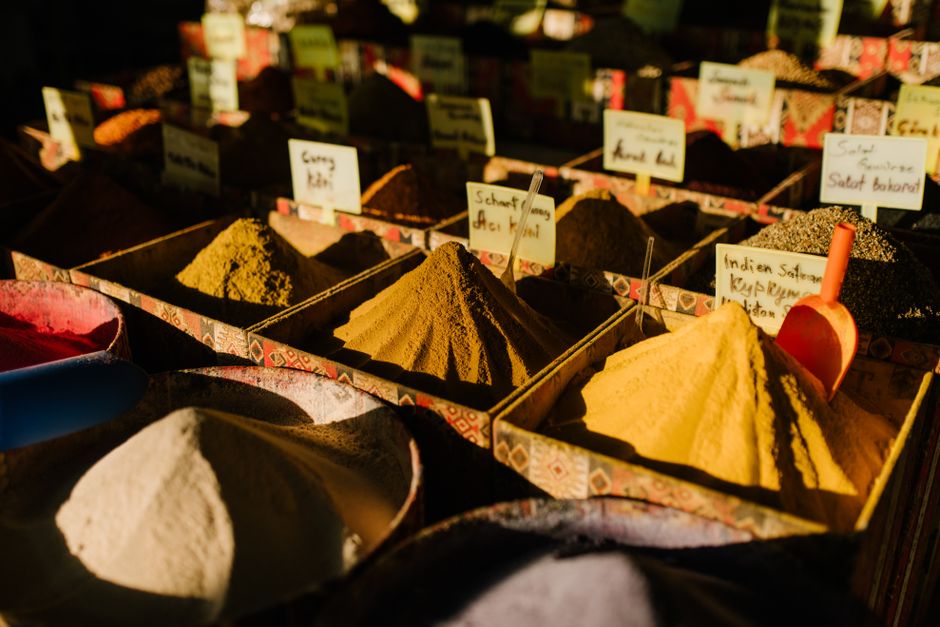
Spice Chemistry: How Saffron, Turmeric, and Cumin Create Complexity
In the vast world of culinary arts, spices serve as the secret architects of flavor complexity in our dishes. Among the myriad spices available, saffron, turmeric, and cumin stand out, each bringing a unique narrative and a distinct character to our culinary creations. These spices do more than just season; they transform mundane recipes into extraordinary experiences, offering both flavor and health benefits. Understanding the chemistry behind these spices allows home cooks to harness their power, creating layers of flavor that are not only delightful but also harmoniously balanced.
The complexity of spices lies in their chemical compounds, which interact with each other and with our taste receptors. For instance, saffron contains compounds like picrocrocin, contributing to its bittersweet flavor, and crocetin, offering numerous health benefits. On the other hand, turmeric is rich in curcumin, a potent anti-inflammatory compound responsible for its vibrant yellow color and health-promoting effects. In contrast, cumin’s earthy, warm flavor comes from its essential oils, primarily cuminaldehyde, which adds depth to various cuisines. By delving into the spice chemistry of saffron, turmeric, and cumin, we gain insight not only into their individual properties but also into how they can interact synergistically in our cooking.
Understanding how to effectively integrate these spices into your culinary repertoire is essential for any aspiring home chef. This blog post aims to dissect the culinary chemistry of saffron, turmeric, and cumin, discussing their profiles, health benefits, proper usage, and the magical transformations they undergo when applied in cooking. By the end of this exploration, you’ll be equipped with the knowledge to elevate your dishes through the artful addition of these remarkable spices, creating complexity that excites the palate.
Saffron: The Golden Spice
Saffron, often dubbed “the golden spice,” is one of the most prized spices in the world. Derived from the flower of Crocus sativus, saffron is harvested painstakingly by hand, which contributes to its high price. Each flower produces only three stigmas, the part of the plant that holds the enzyme compounds responsible for saffron’s characteristic flavor and color. The delicate process of harvesting saffron emphasizes the importance of quality over quantity, making it essential for home cooks to source saffron wisely.
Chemical Composition
At the heart of saffron’s unique flavor and aroma are its chemical constituents:
Understanding these chemical components allows cooks to manipulate saffron more effectively. For example, activating saffron's flavor requires soaking it in warm liquid before using it in your dishes. This step not only facilitates the release of flavor but also ensures that the golden hue disperses evenly throughout the dish.
Culinary Uses
Saffron shines in various cuisines, most notably in Mediterranean and Middle Eastern cooking. Here are some classic ways to incorporate saffron into your dishes:
Health Benefits
Saffron is not just a culinary delight; it also offers several health benefits:
When using saffron, it’s crucial to remember its potency. A little goes a long way; typically, 10-20 strands are sufficient for most recipes. Investing in high-quality saffron will ensure you receive the full spectrum of flavor, color, and health benefits.
Turmeric: The Golden Miracle
Turmeric, often celebrated for its intense yellow hue, is another spice that has gained recognition in both culinary and health spheres. Its active compound, curcumin, is known for its anti-inflammatory and antioxidant properties, making it a staple in dishes across countries that focus on holistic well-being, like India. The spice is part of the ginger family and can be found in powdered form or as fresh root.
Chemical Composition
The chemical profile of turmeric primarily revolves around curcumin, but it also contains other beneficial compounds:
To maximize the benefits of curcumin, it is often recommended to pair turmeric with other ingredients. For example, combining turmeric with black pepper—specifically piperine, an alkaloid found in black pepper—can enhance the absorption of curcumin by up to 2000%.
Culinary Uses
Turmeric’s versatility makes it easy to incorporate into a variety of dishes:
Health Benefits
In addition to its culinary applications, turmeric is celebrated for its numerous health benefits:
While incorporating turmeric into your diet, consider experimenting with its different forms: use fresh root for a more vibrant flavor, or stick with the dried powder for convenience.
Cumin: The Earthy Essential
Cumin, with its warm and earthy flavor, is another essential spice that adds complexity to many dishes. Native to the Mediterranean and parts of Asia, cumin seeds can be used whole or ground. Its distinctive taste makes it a staple in various cuisines, including Mexican, Indian, and Middle Eastern cooking. Cumin is not only flavorful but also packed with benefits, making it a spice worth mastering.
Chemical Composition
Cumin's flavor results from its essential oils, which include:
Grinding cumin at home will yield fresher flavors, as the volatile oils diminish over time once the seeds have been processed. As a general rule, toast whole seeds in a dry pan for 1-2 minutes until aromatic before grinding for maximum potency.
Culinary Uses
Cumin can enhance a dish in many ways:
Health Benefits
Cumin is not just a flavor enhancer; it also boasts various health benefits:
When incorporating cumin into your cooking, consider using roasted seeds to amplify their flavors, as this step helps to unlock the essential oils and aromatic compounds.
Spice Pairing: Creating Complex Flavor Profiles
One of the most exciting aspects of cooking with spices is the ability to blend flavors to create complex profiles. As we delve deeper into saffron, turmeric, and cumin, understanding how to pair them effectively will elevate your dishes to new heights.
Harmonizing Spices
When pairing spices, consider the following:
Examples of Flavor Combinations
Here are some flavor combinations to consider when using saffron, turmeric, and cumin:
Techniques for Blending Spices
To successfully blend spices, consider the following techniques:
Cooking Techniques for Enhanced Spice Use
Mastering the cooking techniques for spices is essential to fully appreciate their potential. How you apply saffron, turmeric, and cumin can significantly affect their flavor profile and health benefits.
Proper Storage
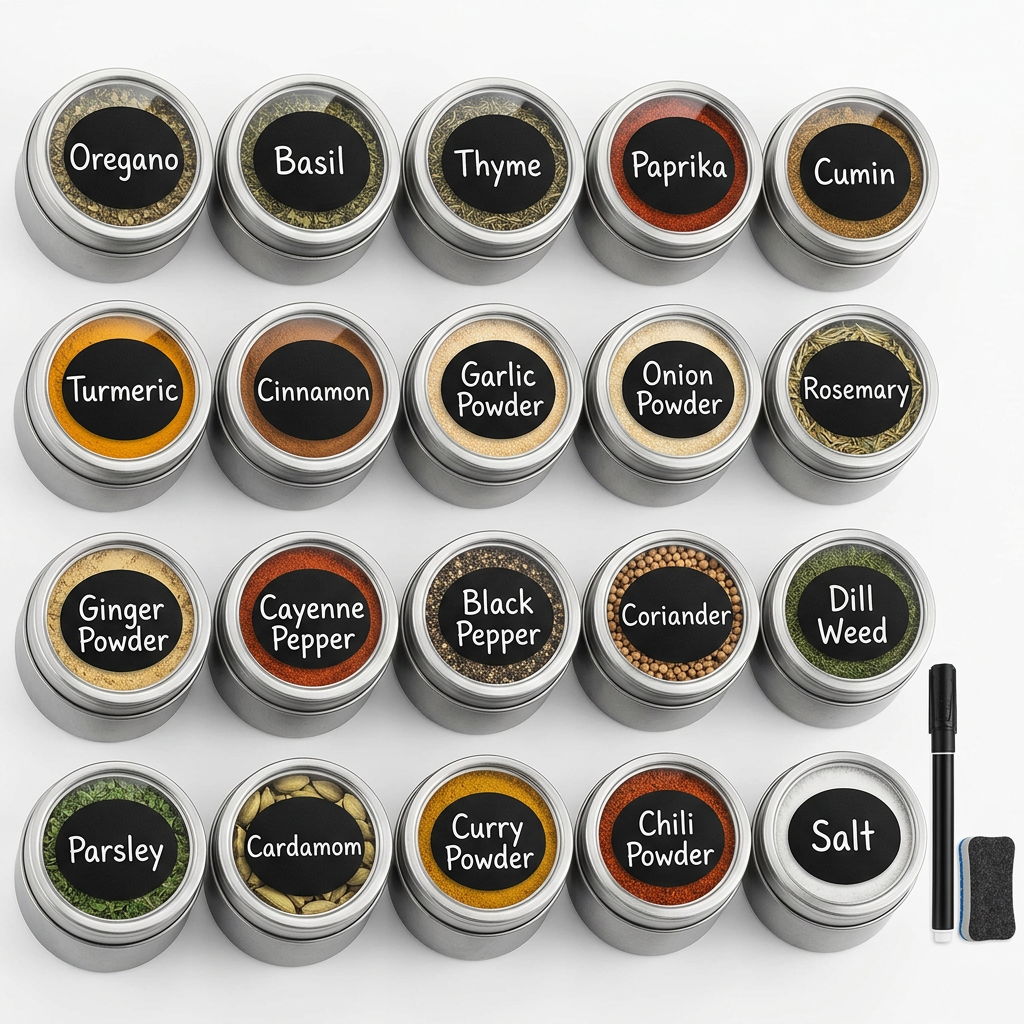
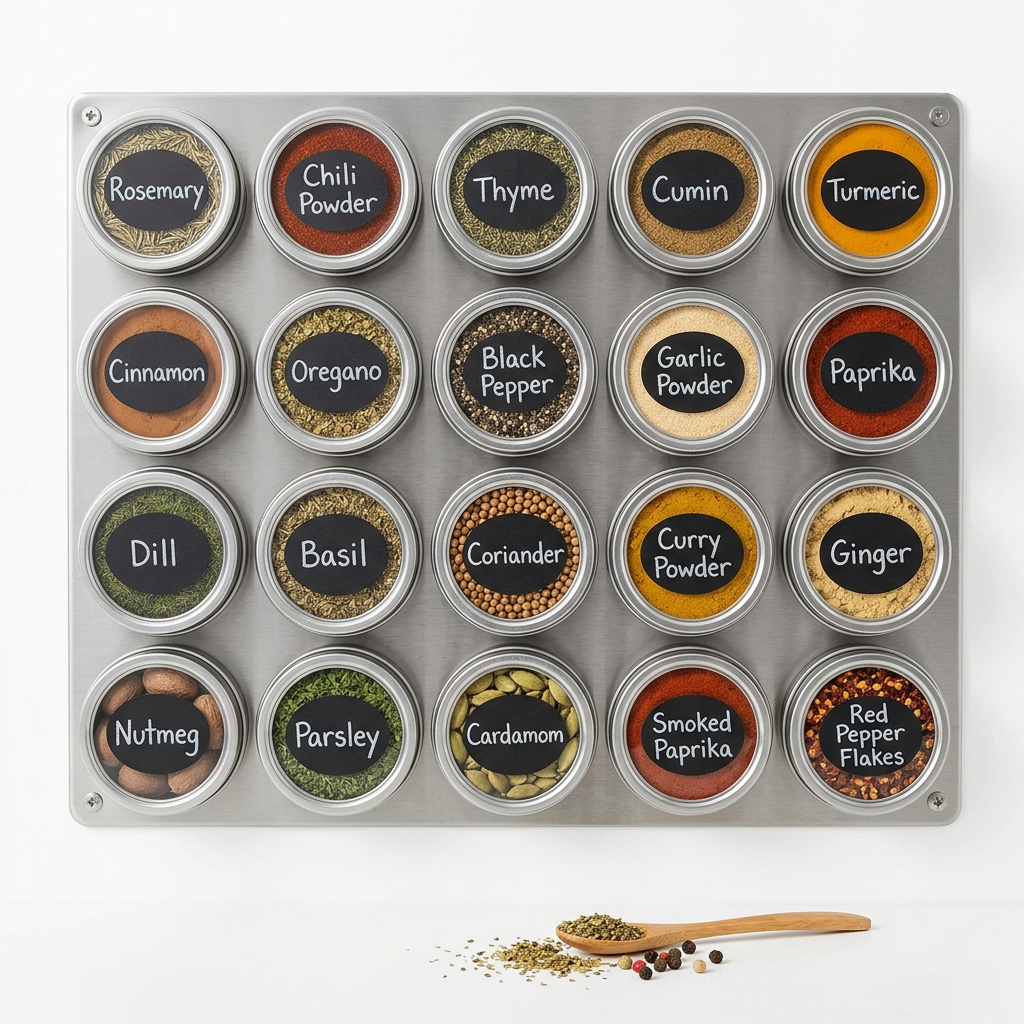
To maintain the potency of your spices, proper storage is vital:
Activation Techniques
Activating spices before incorporating them into dishes can unlock their full potential. Here are some methods:
Balancing Spice Levels
Understanding how to balance spice levels is crucial for any dish:
Final Thoughts
Incorporating saffron, turmeric, and cumin into your cooking not only enhances flavor but also creates dishes that celebrate the rich tapestry of culinary traditions. Understanding the chemistry behind these spices equips you with the knowledge to elevate your home cooking. By mastering their usage, from activation and pairing to cooking techniques, you can transform your dishes into vibrant, flavorful experiences that reflect the true art of cooking.
As you venture into the world of spices, remember to enjoy the process and experiment with various combinations. The journey of flavor exploration is endless, and with each dish you create, you not only nourish your body but also engage your senses and connect with cultures worldwide. Happy cooking, and never forget—when it comes to flavor, it's often the spices that make the difference.
Get the Next Recipe
Weekly recipes, techniques, and gear picks — straight to your inbox.
