
Spice Route Essentials: Building a Global Pantry That Transforms Every Meal
In a world brimming with culinary diversity, the notion of flavor extends beyond mere taste. It's a vibrant tapestry woven from culture, history, and the rich narratives that accompany each ingredient and recipe. The art of cooking is an alchemy of sorts—transforming basic staples into extraordinary dishes that tell a story. Understanding this connection is what sets a good cook apart from a great one, allowing culinary enthusiasts to engage with the ingredients they use and the meals they create on a deeper level.
Building a well-rounded pantry is the secret behind many renowned chefs and home cooks alike. It's not just about having a vast array of ingredients but about curating those elements to reflect global flavors. When we talk about an international pantry, we're emphasizing the essentials that transform mundane meals into culinary adventures. Each spice, herb, and condiment holds the potential to elevate a dish—imbuing it with aromas and tastes that can take you from a bustling street food market in Bangkok to a chic Parisian bistro.
Exploring the Spice Route Essentials is about more than just stocking your kitchen; it’s about embracing a philosophy of cooking that invites adventure and creativity. It encourages you to engage with the culinary world outside your immediate reach, transforming routine meals into experiences that intrigue the palate. The journey starts with understanding the origins, uses, and combinations of spices and other ingredients that can significantly enhance your cooking repertoire. So, roll up your sleeves as we embark on this flavorful journey to build a global pantry that will undoubtedly change how you perceive and enjoy cooking.
Understanding the Importance of Spices
Spices are the heart and soul of cooking, serving as essential components that impart flavor, aroma, and even health benefits. Their history is rich, often interwoven with trade routes that opened up cultures to each other. Spices like cinnamon, pepper, and saffron were once so valuable that they were worth their weight in gold, serving not just as flavor enhancers but as status symbols and key players in global trade.
Spice as Flavor Enhancer
At their core, spices are concentrated sources of flavors and aromas. They can radically transform the taste profile of dishes without the need for additional ingredients. For instance, a mere pinch of cinnamon can change the dynamics of a creamy stew, while cumin can bring a warm, earthy note to a vegetable dish. The key is to use spices thoughtfully, balancing them so each flavor harmonizes instead of competing.
Health Benefits of Spices
Beyond flavor, many spices boast significant health benefits. For instance, turmeric is celebrated for its anti-inflammatory properties, while ginger can aid digestion and alleviate nausea. A well-stocked pantry not only enhances your cooking but simultaneously contributes to a healthier lifestyle.
Understanding Flavor Profiles
Flavor profiles vary significantly across cultures and cuisines. Understanding these distinctions enables home cooks to create authentic dishes. Here is a brief run-through of essential spices used in various cuisines:
Much like a painter uses various hues to create a masterpiece, a cook employs spices to craft distinct flavor combinations.
Essential Spices for Your Global Pantry
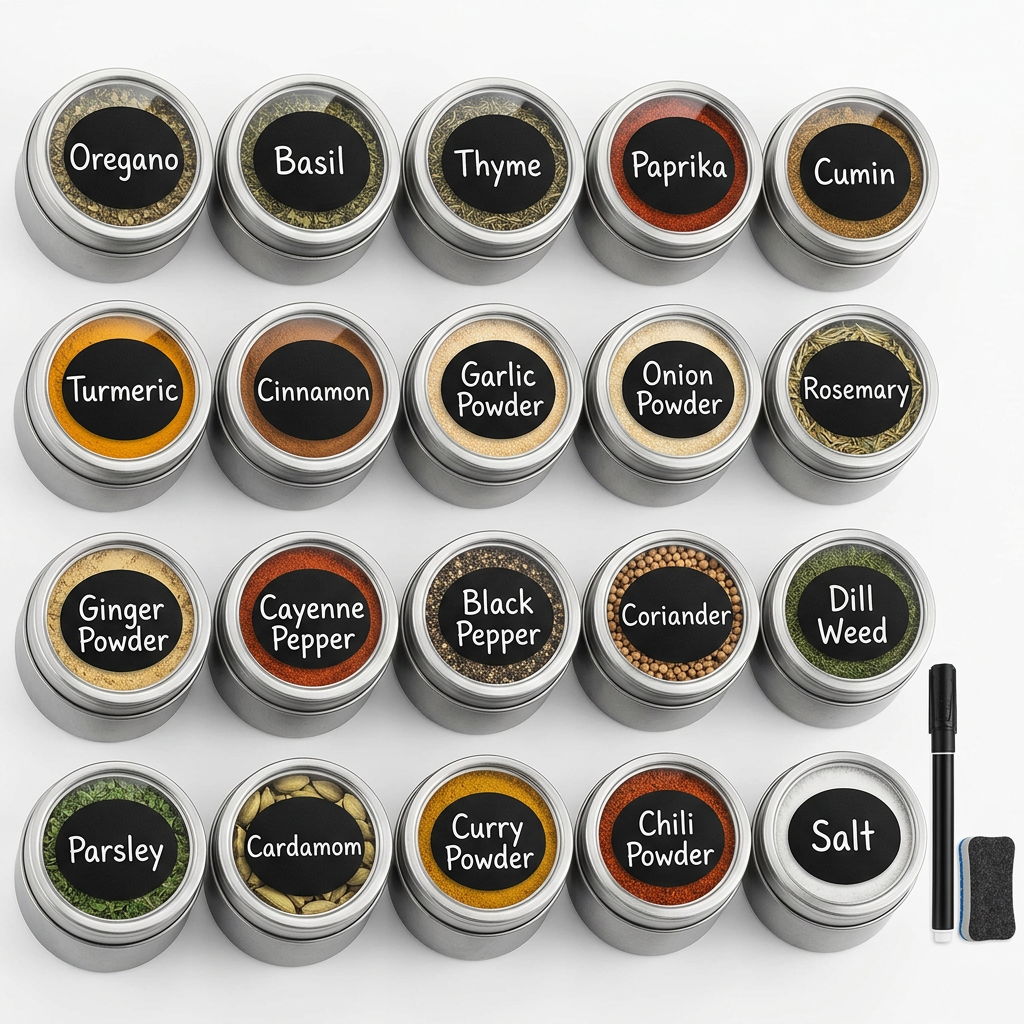
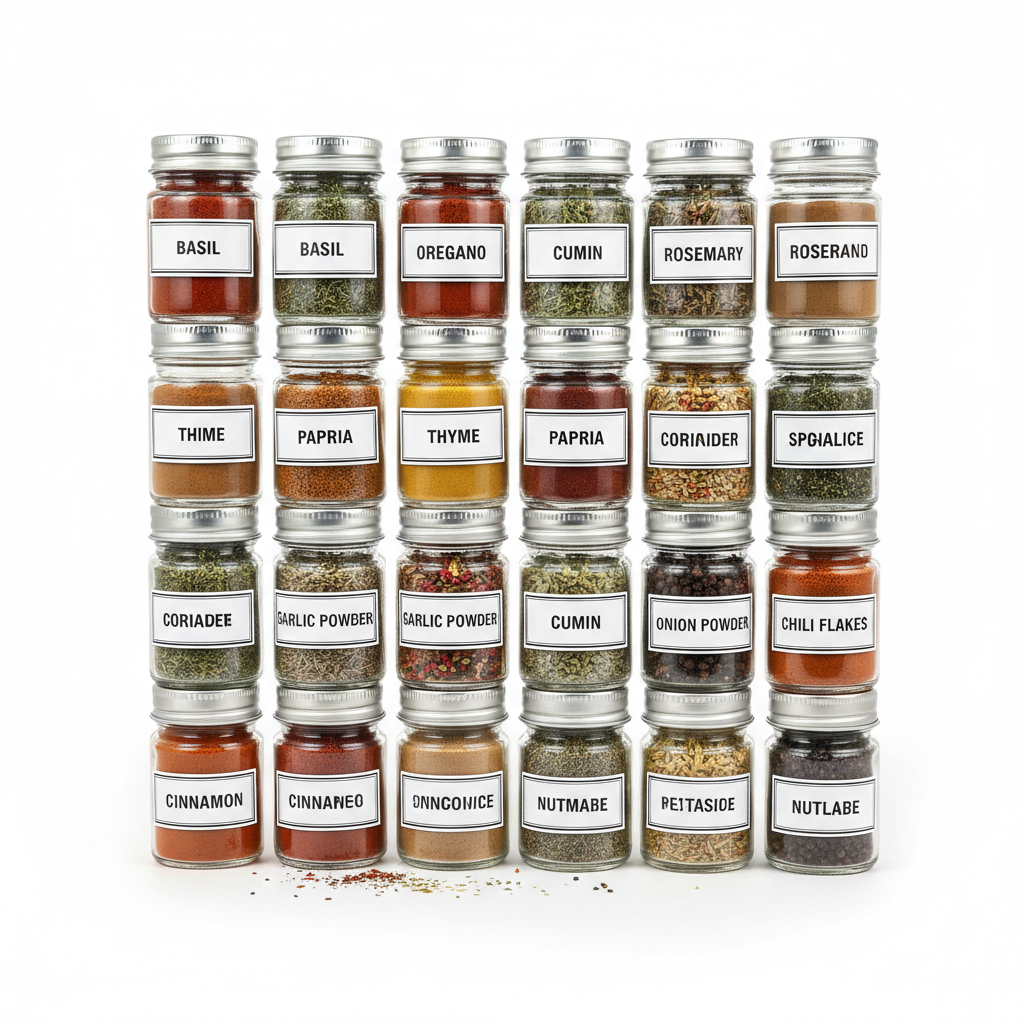
An essential element of building a global pantry is selecting the right spices. Here’s a curated list of essential spices you should consider—including their uses and cultural significance.
The Basics of Your Spice Collection
"A well-stocked spice rack is a culinary passport to flavors and cultures around the world."
Adding Depth with Middle Eastern Flavors
Embracing Asian Influences
Wrapping Up Your Spice Collection
While these spices are the foundations of a global pantry, consider adding region-specific varieties that excite your culinary palate. A well-rounded spice collection opens the door to flavor experimentation, allowing you to discover dishes and combinations you might never have considered.
Oils, Vines, and Sauces: Building Your Flavor Base
Spices provide the initial flavor, but oils, vinegars, and sauces can be the finishing touches that elevate your dishes. Each type brings its unique character to food, binding ingredients while introducing new layers of complexity.
Essential Cooking Oils
The Power of Vinegars
Vinegar is another underrated ingredient that can be transformative. It provides acidity that summons other flavors in a dish and creates balance. Essential types include:
Sauces that Transform
Adding various sauces to your pantry can change the course of a meal. Consider these staples:
Fresh Herbs: The Unsung Heroes
While spices are often the stars of the show, herbs deserve equal footing in your kitchen. They can elevate dishes and provide freshness that is hard to replicate with dried spices alone.
Choosing Fresh Herbs
Here’s a rundown of must-have fresh herbs that are commonly used globally:
"When using herbs, remember that fresh is nearly always preferred for its bright flavor."
How to Use Herbs
Technique tips for using herbs effectively:
Dry vs. Fresh
While fresh herbs are fantastic, dried herbs have their own place. They are more concentrated and can store longer. Remember: Use roughly one-third the amount of dried herbs as you would fresh, as the flavor is more potent.
The Art of Flavor Pairing
Combining various spices, herbs, oils, vinegars, and sauces can often lead to surprising and delicious results. However, a little understanding of flavor pairing can elevate your dishes to new heights.
Understand Flavor Families
Many flavors naturally complement each other. Here are some classic pairings to experiment with:
Experiment with Cultures
Use the flavor rules of various cultures as a guideline for your cooking. For example, Mediterranean cooking often thrives on pairing olive oil, garlic, and lemon, while Thai dishes bring together sweet, sour, salty, and spicy.
Tried and True Combinations
Use these tried-and-true combinations as foundations for creating your unique dishes:
Cooking Techniques to Elevate Your Dishes
Knowledge of key cooking techniques can markedly improve your outcomes in the kitchen. Understanding how and when to integrate your spices and other pantry staples is crucial.
The Power of Sautéing
Sautéing is a quick cooking method that allows the flavors of your spices to bloom. To properly sauté:
Roasting for Richness
Roasting brings out the natural sweetness of ingredients and enhances their flavor:
Balancing and Tasting
Most importantly, taste as you go! Creating balanced flavors is a cumulative process:
Conclusion
Building a global pantry is an enriching journey that opens doors to diverse culinary experiences. By investing in essential spices, oils, vinegars, sauces, and fresh herbs, you allow creativity and adventure to flourish in your cooking. Take time to learn about the historical and cultural significance of these ingredients, and don’t hesitate to experiment with flavor pairings and cooking techniques.
Cooking is as much about experience as it is about ingredients—you create masterpieces through practice, exploration, and a willingness to embrace the unexpected. Each meal can become a destination on your culinary journey. So, gather your essentials, unleash your creativity, and enjoy the delicious outcomes that stem from a well-crafted global pantry. Transform every meal into a flavorful exploration that reflects a vibrant world of tastes, cultures, and stories. The kitchen is your canvas; let your dishes tell a story!
Word Count: 2,130
Get the Next Recipe
Weekly recipes, techniques, and gear picks — straight to your inbox.
