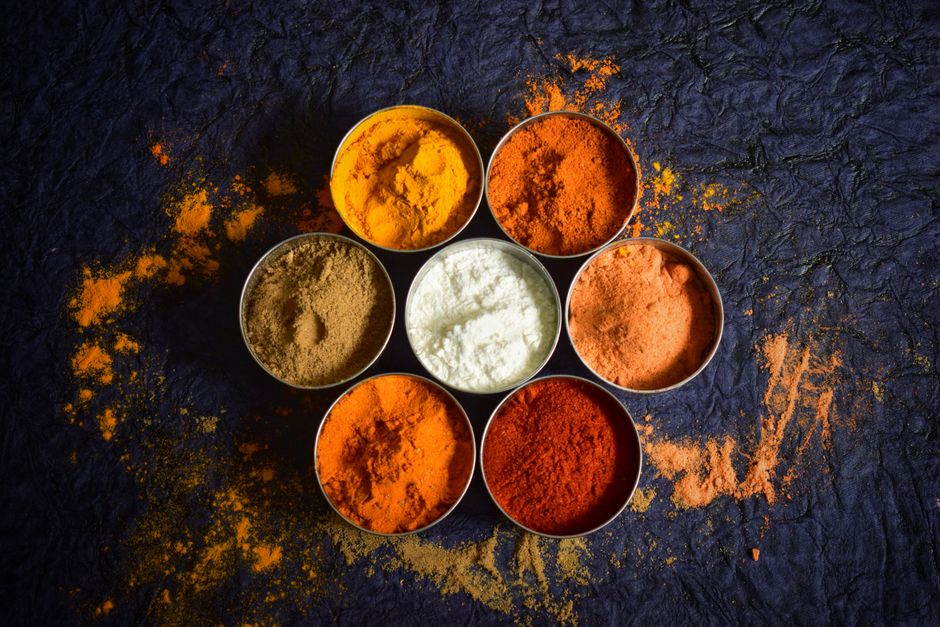
Spice Routes: A Culinary Journey Through Indian, Thai, and Malaysian Cuisines
Culinary exploration can often feel like an overwhelming journey, especially when navigating the vibrant flavors and diverse techniques of global cuisines. Among the most enchanting paths of this journey are the spice routes that carve through the heart of Asia, particularly Indian, Thai, and Malaysian cuisines. Each of these culinary traditions possesses its unique charm, characterized by the use of aromatic spices and herbs, robust flavors, and rich textures that tell stories of cultural heritage and culinary innovation. As we delve into these three remarkable cuisines, you’ll gain insights into the techniques, ingredients, and essential dishes that define their essence.
Indian cuisine, with its storied traditions and usage of aromatic spices, forms the backbone of our exploration. From the fiery curries of the south to the intricate biryanis of the north, Indian food offers an abundance of flavor profiles, textures, and cooking methods. The intricate balance of spices, often referred to as masalas, gives Indian dishes their distinctive taste, inviting cooks of all levels to experiment and discover the myriad of combinations that can be created. It’s not just about recipes; it’s about understanding the heart of the dish, learning the significance of each spice, and mastering the techniques that bring them to life.
In contrast, Thai cuisine is celebrated for its balance of flavors—sweet, sour, salty, and spicy combine harmoniously within each dish. Almost a philosophy of cooking, Thai culinary practices emphasize freshness, with herbs and ingredients sourced locally and used to enhance the dynamic flavors. The medley of textures and tastes creates dishes that tantalize the palate and excite the senses. Cooking Thai food invokes a sense of artistry; presenting the dishes is almost as important as preparing them. This journey will also uncover how simplicity can lead to exquisite complexity, using minimal ingredients to achieve depth of flavor.
Lastly, Malaysian cuisine, a rich tapestry woven from its multi-ethnic heritage, introduces an array of influences ranging from indigenous traditions, Chinese culinary techniques, and Indian spices. The Malaysian ethos shines through its blend of flavors—spicy sambals, creamy coconut curries, and fragrant rice dishes like nasi lemak—each representing a unique encounter between food and culture. By exploring the layers of flavor and techniques present in Malaysian cooking, you'll come to appreciate how history influences modern culinary practices. Together, these three cuisines will not only enhance your cooking repertoire but will also provide a window into the rich and colorful tapestry of Asian culinary traditions.
Exploring Indian Cuisine
Indian cuisine is perhaps best known for its spice blends, each region boasting its signature styles and flavors. The use of spices like cumin, coriander, turmeric, and mustard seeds are hallmark ingredients that create the foundation of many classic Indian dishes. In addition to flavor, these spices also contribute vibrant colors and health benefits which have been revered for centuries. Cooking Indian food also involves various techniques, from tempering (or tadka) spices in hot oil to slow-cooking meats and legumes to achieve optimal tenderness and flavor.
Essential Spices and Ingredients
Understanding Indian cuisine starts with familiarizing yourself with its essential spices and ingredients. Here is a breakdown of the most commonly used spices:
Additionally, aromatic herbs such as cilantro (coriander leaves) and curry leaves bring freshness to dishes, while ingredients like ginger and garlic serve as foundational flavor enhancers.
"In Indian cooking, understanding the role of each spice is crucial; it's where the magic begins."
Regional Specialties
Each region in India offers its unique specialties shaped by local culture, climate, and history:
Techniques for Authentic Indian Cooking
Mastering the techniques specific to Indian cooking will enhance your culinary skills immensely:
- Heat oil in a pan until hot.
- Add mustard seeds; wait for them to pop.
- Add cumin seeds, curry leaves, and desired spices.
- Sauté for a few seconds before adding to your dish.
- Allows flavors to meld, especially for rich curries.
- Use a dutch oven or heavy pot for even heat distribution.
- Maintain low heat and check the dish regularly to prevent burning.
- Key for meats; combine yogurt and spices to tenderize and infuse flavor.
- Marinate for at least 1 hour; overnight is ideal for optimal flavor.
By understanding these techniques and regional distinctions, you can start creating authentic Indian dishes that reflect the true heart of its cuisine.
Discovering Thai Cuisine
Thai cuisine is an enchanting blend of flavors, colors, and textures that creates meal experiences that are both delightful and varied. The juxtaposition of sweet and savory, spicy and sour creates a balance that has earned Thai food its place on culinary stages worldwide. With an emphasis on fresh herbs and seasonal ingredients, Thai cooking elevates these components to the forefront, often crafting delightful dishes that are bursting with freshness.
Symbolic Flavors of Thai Cooking
One of the hallmarks of Thai cuisine is the concept of “four flavors”: sweet, sour, salty, and spicy. This balance is typically achieved through the use of the following ingredients:
These flavors work in harmony to create dishes that are not only well-balanced but also tailor-made for individual palates.
Ingredients to Keep on Hand
When preparing Thai dishes, having a well-stocked pantry will make your cooking experience smoother:
Cooking Techniques in Thai Cuisine
Thai cooking involves several techniques that work harmoniously to result in the iconic dishes we love:
- Keep ingredients moving in a hot wok to achieve a charred flavor and ensure even cooking.
- Consider high smoke point oils, such as peanut or sunflower oil for frying.
- Begin with a curry paste made of fresh herbs and spices; sauté until fragrant before adding coconut milk.
- Create depth by layering flavors—add proteins and vegetables gradually.
- Combine ingredients like lime juice, fish sauce, sugar, and chilies.
- Use a mortar and pestle to release flavors from fresh ingredients.
With these foundational principles and techniques, you’ll create vibrant and lively Thai dishes that embody the essence of the cuisine.
"The beauty of Thai cooking lies not only in its striking flavors but also in its emphasis on fresh ingredients, elevating simple dishes to simply sensational."
An Exploration of Malaysian Cuisine
Malaysian cuisine represents a remarkable fusion of flavors, drawing influences from Malay, Chinese, and Indian traditions. This rich culinary heritage has given rise to distinctive dishes that often showcase spices, fresh herbs, and unassuming yet vibrant ingredients. The melting pot of influences results in a wide array of dishes, each with its unique spin and flavor profile.
Key Flavors and Ingredients
Every Malaysian dish is built on a foundation of key ingredients, which contribute to its unique character:
Examples of signature Malaysian dishes include:
The Role of Herbs and Garnishes
Herbs and garnishes play a crucial role in Malaysian cooking:
Garnishing with fried shallots, cucumber slices, or fried anchovies not only enhances the visual appeal but also contributes layers of flavor and texture.
Cooking Techniques of Malaysian Cuisine
Much like Indian and Thai cooking, Malaysian cuisine incorporates various techniques that ensure flavors meld beautifully:
- Especially for rendang and curries; allows spices to blend into the proteins fully.
- Maintain low heat and check for tenderness regularly.
- Quick, high-heat cooking preserves flavors and textures.
- Make use of a wide skillet or wok for even distribution of heat.
- Parboiling noodles prior to stir-frying utilizes less oil and keeps the noodles from sticking together.
- A high heat allows for a charred texture similar to the wok hei found in authentic Malaysian street food.
By understanding these techniques and the role of key ingredients, you will navigate the delightful landscape of Malaysian cuisine with ease.
The Interplay of Techniques Across Cultures
As you progress in your culinary explorations, recognizing the interplay of techniques across Indian, Thai, and Malaysian cuisines can enrich your cooking journey. While each cuisine has its unique practices, some methods are shared across these culinary borders, demonstrating a common thread in Asian cooking.
The Importance of Community and Shared Meals
Culinary traditions often arise from communal practices, where food brings people together. In all three cultures, meals are typically enjoyed with family and friends, emphasizing the importance of dining as a communal experience.
- Dishes are usually served together in a communal setting, inviting diners to share and savor flavors collectively.
- This approach allows for a diverse tasting experience, as individual flavors meld and contrast.
- Each cuisine has its signature dishes for celebrations or festivals, such as Indian biryani, Thai pad thai, or Malaysian rendang, elevating ordinary meals into expressions of joy and tradition.
Crossover Ingredients and Techniques
Many ingredients and techniques are commonly used or adapted in these cuisines:
Developing a familiarity with these ingredients and techniques allows for creativity in the kitchen, encouraging experimentation with flavors and presentations—ultimately leading to your style of fusion cuisine.
"The real treasure of exploring spices and techniques lies in their stories; they connect us to our roots and those who share our culinary passions."
Conclusion
Embarking on a culinary journey through Indian, Thai, and Malaysian cuisines is much more than just preparing recipes; it is an invitation to explore cultures, histories, and families united by food. Each cuisine possesses depth and rich traditions centered around spices, fresh ingredients, and the techniques that transform simple components into extraordinary dishes. As home cooks, we are urged to find inspiration from each culture, incorporating them into our kitchens as we learn to master the art of flavor.
Becoming adept in these culinary arts requires patience, practice, and an adventurous spirit. Engage with your ingredients, embrace the technical challenges, and celebrate the simplicity that each dish brings. With every whiff of spices or splash of coconut milk, you are not just cooking; you are creating a beautiful tapestry of flavors, memories, and shared experiences that transcend borders. As you pull these treasures from the spice routes into your home cooking, remember that each dish tells a story—and through you, those stories continue to unfold.

Get the Next Recipe
Weekly recipes, techniques, and gear picks — straight to your inbox.
