Spice Routes: A Journey Through the Flavors of North Indian Cuisine
To step into the world of North Indian cuisine is to embark on a sensory voyage through history, geography, and the profound alchemy of spices. This region, defined by the fertile plains of the Punjab, the rugged landscapes of Kashmir, and the historic influence of the Mughal Empire, offers a culinary repertoire that is as bold as it is refined. Unlike the coastal regions of the south, where coconut and curry leaves dominate, the north leans into the richness of dairy, the heartiness of wheat, and the complexity of slow-cooked spice blends. For the home cook, understanding this cuisine is not merely about following a recipe, but about grasping the delicate balance between heat, aromatics, and texture. Whether you are tempering mustard seeds or slow-roasting onions, every movement in the kitchen is an act of honoring centuries of tradition.
The foundation of any great North Indian dish lies in the concept of Tadka, or the tempering of spices in hot oil or ghee. This technique is designed to release the essential oils within the dry spices, transforming their profile from earthy and muted to vibrant and fragrant. While many beginners fear burning their spices, the secret lies in the temperature control and the sequence of addition. Whole spices like cumin, cloves, cardamom, and cinnamon require a controlled heat to bloom without scorching. Mastering this initial step is the difference between a flat, one-dimensional sauce and a deeply complex curry that lingers on the palate. When you finally smell that unmistakable aroma filling your kitchen, you know you have successfully opened the gateway to authentic North Indian flavor.
As we traverse this culinary landscape, it is essential to appreciate the role of the Mughlai influence, which brought the luxury of slow-cooking, nut-based pastes, and delicate aromatics to the region. The interplay between the rustic, earthy notes of the local Punjabi villages and the opulent, cream-laden gravies of the royal kitchens creates a tension that defines the North Indian dining experience. From the pillowy softness of a freshly baked Naan to the heat-forward intensity of a well-made Vindaloo, there is a vast spectrum for you to explore. By refining your knife skills, understanding the science of spice ratios, and learning to manage the acidity of tomatoes against the sweetness of caramelized onions, you will move from being a casual home cook to an artisan of the Indian kitchen. Prepare to calibrate your stove, sharpen your knives, and open your pantry, as we peel back the layers of these incredible, historic flavors.
The Foundation: Understanding the Spice Matrix
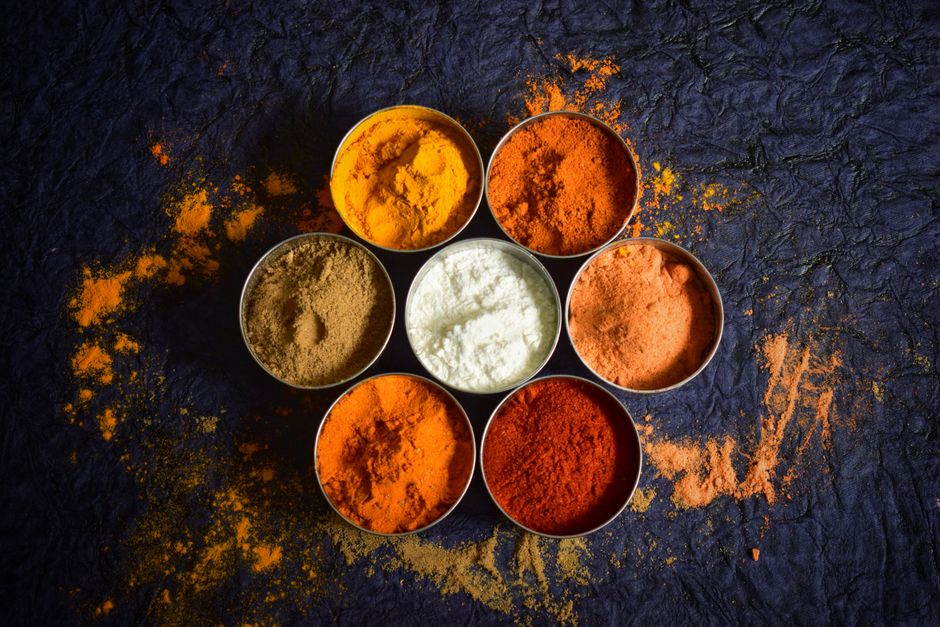
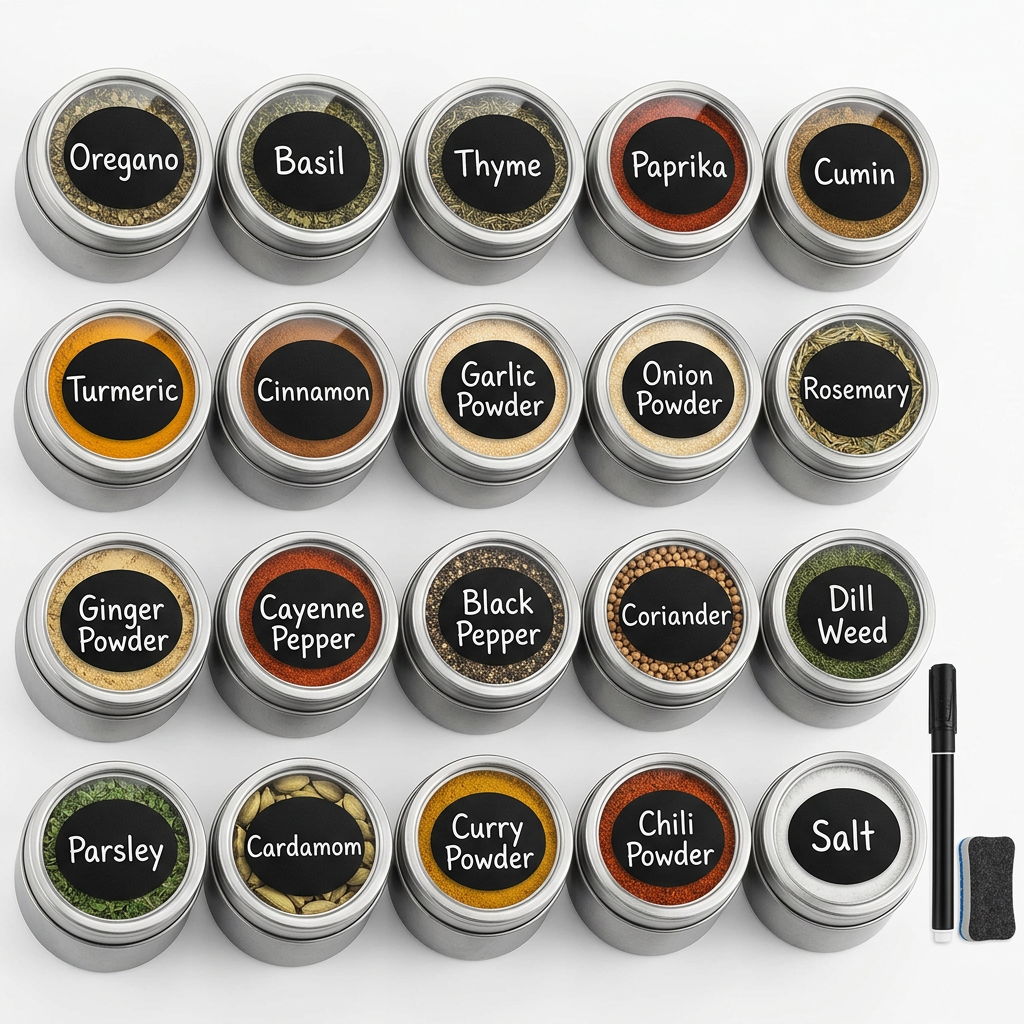
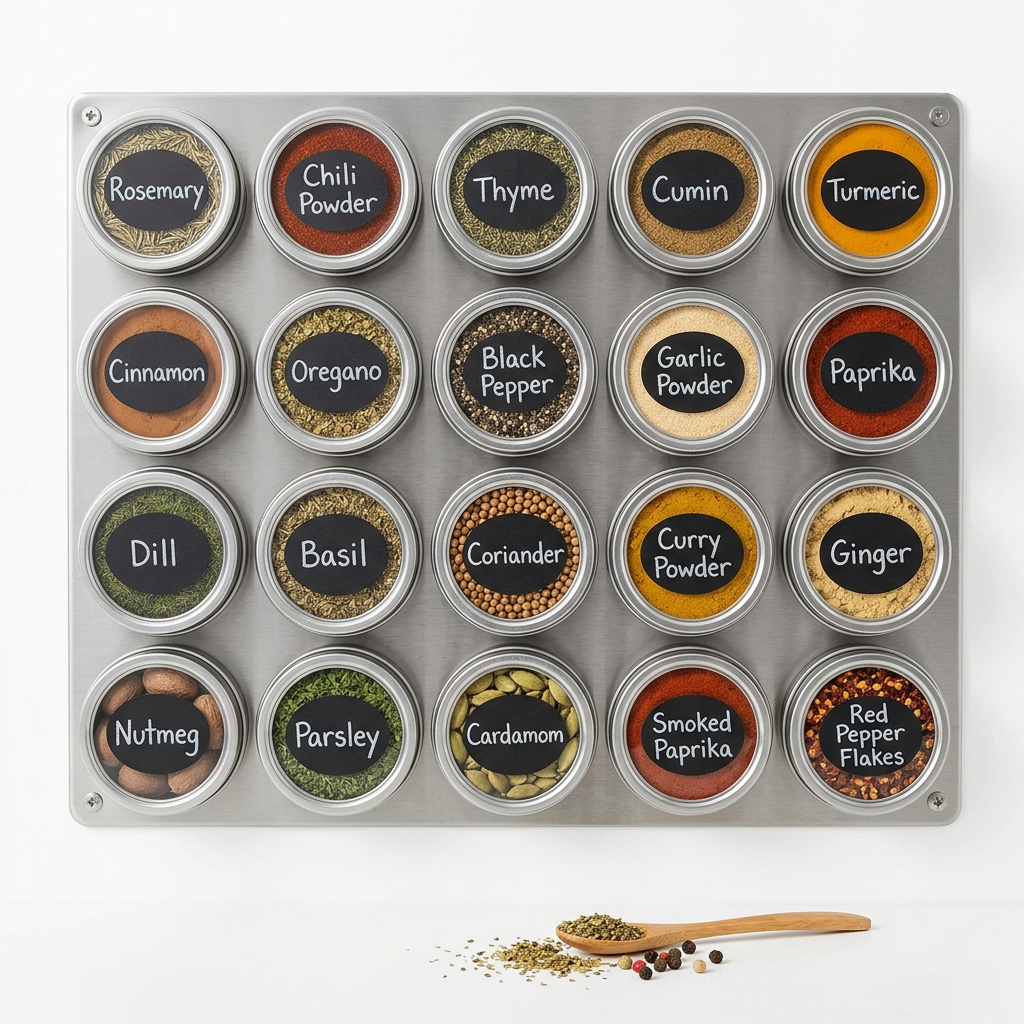
The heartbeat of any North Indian kitchen is the Masala, a term that refers to a blend of spices. While pre-ground powders are common, the professional standard remains freshly toasted and ground spices. To begin your journey, you must build a library of base ingredients. Your must-haves include Coriander seeds, Cumin seeds, Green cardamom, Cloves, Cinnamon sticks, and Kashmiri red chili powder. The Kashmiri variety is vital because it provides a vibrant, deep red color without an overwhelming, tongue-searing heat, allowing you to control the spice levels with precision.
The Art of Tempering (Tadka)
Tempering is the process of heating whole spices in a fat medium—usually ghee or a neutral oil—to extract their fat-soluble flavor compounds. For the best results, use a heavy-bottomed pan and heat your fat until it is shimmering but not smoking. The sequence is critical: first, add the larger, tougher spices like cinnamon and cloves; follow with seeds like cumin or fennel, and end with delicate aromatics like ginger or garlic.
Balancing the Masala Ratio
A professional chef never relies on luck; they rely on ratios. For a standard onion-tomato base for four people, aim for a ratio of 2 medium-sized red onions to 3 vine-ripened tomatoes. The onions must be cooked down until they reach a deep golden brown, a process known as Bhuna. If you cut this step short, your curry will taste raw and acidic. Take the extra 10 minutes to caramelize your alliums—it is the single most important step in building depth.
"The magic of a great curry is not in the amount of chili you add, but in the patience you exhibit while caramelizing the onions. If you rush the bhuna, you lose the soul of the dish."
The Mughlai Influence: Richness and Texture
The legacy of the Mughal Empire left an indelible mark on North Indian cuisine, characterized by the use of yogurt, cream, nuts, and dried fruits. This style is regal and intended to be savored slowly. Dishes like Shahi Paneer or Chicken Korma rely on the creation of a velvety, rich gravy that coats the back of a spoon. Achieving this texture requires a combination of fine-milling and careful emulsion.
Creating Silk-Smooth Gravies
To achieve that restaurant-quality consistency, you should grind your soaked cashews or almonds into an ultra-fine paste before adding them to your base. Once the paste is added to the pan, lower the heat significantly. If the heat is too high, the fats in the nut paste or cream will separate, leaving you with an oily, broken sauce rather than a cohesive, luxurious gravy.
Cashew Paste Technique:* Soak 1/4 cup of cashews in boiling water for 30 minutes. Drain, then blend with 2 tablespoons of water until completely smooth.
Temperature Management:* Keep your gravy at a gentle simmer (around 190°F). If it begins to boil vigorously, pull the pan off the heat immediately to stabilize the emulsion.
Incorporating Dairy
Yogurt is a staple for both tenderizing meats and thickening sauces. However, curdling is a constant threat. To mitigate this, whisk your yogurt thoroughly in a bowl before incorporating it into the pan. Even more importantly, temper the yogurt by adding a small ladle of the hot curry to the yogurt bowl first, mixing it to bring the temperatures closer together, before returning it to the main pot.
The World of Grains: Beyond the Naan
In North India, the bread is just as important as the curry itself. While many home cooks reach for store-bought naan, the experience of pulling a piping-hot Tandoori Roti or Paratha from your own kitchen is incomparable. The secret to a perfect bread is the hydration of the dough and the resting time. Never rush the gluten development; if you skip the 30-minute rest, your bread will be tough and chewy instead of airy and pliable.
Mastering the Paratha
A Paratha is a layered flatbread that utilizes fat—ghee or butter—to create flaky, distinct layers. After rolling out your dough, brush it lightly with melted ghee, fold it into a triangle, and roll it out again. This process traps the fat inside the layers, which then turns into steam during the cooking process, causing the bread to puff and separate beautifully.
The Science of Leavened Breads
If you are attempting Naan, you need a bit of yeast or baking powder. The goal is a light, bubbly texture that can scoop up thick gravies. Always cook your naan on a very hot surface—ideally a cast-iron skillet heated to its limit. If you have a pizza stone, use it; the radiant heat will provide that authentic "blistered" appearance that comes from a high-heat clay oven.
The Art of Slow Cooking: Meat and Legumes
North Indian cuisine excels in dishes that demand time. Dal Makhani, a classic lentil dish, is the ultimate test of a chef's commitment. Traditionally, this dish is simmered on the dying embers of a wood fire for up to 24 hours. While we don't have the convenience of an open fire in most modern kitchens, a heavy-duty Dutch oven or a high-quality pressure cooker can simulate the necessary heat penetration to soften the black lentils and kidney beans into a buttery, cohesive whole.
Legumes and Pulse Preparation
The secret to a perfect dal is the soaking process. Never skip soaking your lentils overnight. This ensures that the grain cooks evenly, preventing a scenario where some beans are mushy while others remain hard. Once cooked, the addition of a final "finishing tadka"—butter, crushed garlic, and a hit of Kashmiri chili—adds a fresh burst of flavor that cuts through the richness of the slow-cooked beans.
"A pot of dal should be treated like a living thing; it needs time, gentle attention, and a consistent level of warmth to reach its peak flavor profile."
Tenderizing Proteins
For meat-based dishes like Lamb Rogan Josh, the technique involves a two-stage process: browning the meat to seal in juices, followed by a long, gentle braise. Always brown your meat in batches. If you crowd the pan, the meat will steam rather than sear, depriving you of the essential Maillard reaction that provides the base flavor for the entire dish.
Spices as Medicine: The Ayurvedic Perspective
It is impossible to talk about North Indian cuisine without acknowledging the Ayurvedic roots of the spice combinations. Spices are not just for flavor; they are digestives and healers. Turmeric provides anti-inflammatory properties, Cumin aids in digestion, and Ginger settles the stomach. When you cook these ingredients, you are creating a meal that is intended to promote overall well-being.
Functional Spice Blends
You can customize your spice blends based on the needs of your diners. For a lighter summer meal, increase the proportion of fennel seeds and coriander, which are cooling to the body. In the winter, heavier spices like black pepper, cloves, and cinnamon are used to generate internal heat and support the immune system.
Digestive Blend:* Equal parts ground ginger, coriander, and cumin.
Winter Warmth Blend:* Heavier on cinnamon, black cardamom, and black peppercorns.
Cooling Blend:* Focused on fennel, green cardamom, and fresh cilantro garnish.
Professional Tips for Herb Usage
Fresh herbs are the final punctuation mark on a dish. However, they should be treated differently depending on the variety. Cilantro stems can be finely chopped and added to your base masala for extra depth, while the leaves should only be added right at the end to maintain their bright, citrusy color and aroma. Never boil fresh cilantro for too long, or it will turn bitter and lose its vibrant green pigment.
Scaling Up: Cooking for the Home Kitchen
When cooking for guests, the biggest mistake is failing to account for the evaporation rate of your pots. A sauce that looks perfect in a small test pan can become overly concentrated and salty when scaled up. Keep a kettle of hot water nearby at all times. If your gravy becomes too thick or the salt levels spike, a measured splash of water can save the balance of the dish without diluting the intensity of the spices.
The Utility of a "Master Masala"
Many professional Indian kitchens utilize a "Master Masala"—a large batch of cooked onion, ginger, garlic, and tomato base—prepared at the beginning of the week. This allows the chef to create multiple distinct curries in a fraction of the time. By starting with this versatile foundation, you can turn a simple weeknight dinner into a complex, multi-layered experience with just a few additional ingredients.
Flavor Calibration
The final step before serving is the most critical: the "check." Is it acidic enough? Does it need more sweetness to round out the chili heat? A pinch of Amchur adds a wonderful tang, while a small cube of jaggery or a teaspoon of brown sugar can neutralize the harshness of overly acidic tomatoes. Keep your palate alert; your tongue is the only tool that can tell you if the dish has reached its full potential.
Troubleshooting Common Culinary Pitfalls
Even for seasoned cooks, Indian cuisine can present unique challenges. A curry that breaks, a burnt spice, or a tough piece of meat—these are all solvable problems. The key is to remain calm and methodical. If your sauce breaks, remove it from the heat and whisk in a tablespoon of cold yogurt or cream to re-emulsify the fats. If you have added too much salt, grate a raw potato into the pot; the starch will absorb the excess salinity during the final 10 minutes of simmering.
The Burn Factor
If you accidentally scorch your spices at the start, do not attempt to "cook it out." The bitter, carbonized flavor will permeate the entire dish. It is better to discard the batch and start your tadka over. The time lost is minimal compared to the disappointment of a ruined meal. Always have your spices pre-measured in small bowls (mise en place) before the stove is even turned on.
"Precision is the precursor to creativity. When you have mastered the fundamental techniques of tempering, bhuna, and balancing, you earn the right to improvise and make these classic recipes your own."
Mastering the Finish
Always serve North Indian dishes at the appropriate temperature. Curries should be served piping hot, while breads should be kept under a clean cloth to prevent them from drying out. A final garnish is not just aesthetic—it is a functional part of the dish. A squeeze of fresh lemon juice just before serving brightens the heavy, cream-based gravies, while a handful of toasted seeds adds a much-needed textural contrast to softer lentil dishes.
Conclusion
The journey through North Indian cuisine is one that rewards curiosity and rewards the brave. By focusing on the fundamentals—the quality of your spices, the patience required for your onion base, and the delicate balance of fats and acids—you can transform your home kitchen into a hub of authentic, aromatic delight. Do not be intimidated by the long list of ingredients or the specific techniques; rather, view them as the essential tools that allow you to craft dishes that are both nourishing and deeply satisfying.
As you continue to refine your skills, remember that this is a living culinary tradition. Each region, each household, and each chef has their own interpretation of these classic flavors. Your version of a Butter Chicken or a Palak Paneer should ultimately reflect your personal palate. Use these techniques as a canvas, and feel empowered to experiment with your own spice ratios and cooking times. Cooking is, above all, a process of discovery, and there is no better way to discover the heart of a culture than through the spices, grains, and traditional methods that have fed generations.
Thank you for joining me on this culinary exploration. Whether you are a beginner looking to understand the basics of a simple tadka or a more advanced cook seeking to master the complexities of Mughlai gravies, I hope this guide provides you with the confidence to get into the kitchen. Keep your pans hot, your spices fresh, and your passion for food even stronger. Happy cooking, and remember: if the dish doesn't come out perfectly the first time, keep at it. True mastery is built one pot at a time. Explore, taste, adjust, and most importantly, enjoy the vibrant, beautiful world of North Indian flavors. Until next time, keep the stove burning and the pantry stocked.
Final Thoughts
As we wrap up this exploration, let us reiterate the importance of mise en place. In a cuisine that relies heavily on timed additions, having your ingredients prepped and organized is not just a suggestion; it is a necessity. By keeping your dry spices measured, your vegetables chopped, and your liquids at the ready, you allow yourself the mental bandwidth to monitor the subtle changes in aroma and texture that signify a dish is nearing perfection. Cooking is a performance, and the preparation is your rehearsal.
Furthermore, do not underestimate the importance of your equipment. A heavy-bottomed skillet, a high-quality cast-iron pan, and a well-balanced knife are the best investments a home cook can make. These tools will serve you for decades, evolving with your skills as you grow from a novice to an expert. Whether you are tempering spices for a quick weekday lunch or slow-cooking a feast for friends, the care you put into your tools will be reflected in the quality of your finished dish.
Finally, remember that the most important ingredient is your intuition. While measurements and timings are vital for success, they are merely guides. As you gain experience, you will learn to hear the sizzle of the tadka, smell the shift from raw onions to caramelized gold, and feel the consistency of a perfectly emulsified gravy. Trust your senses. They are the ultimate culinary authority. Thank you for reading, and may your kitchen always be filled with the warmth, comfort, and bold spirit of North Indian cuisine. Happy cooking, everyone!
Get the Next Recipe
Weekly recipes, techniques, and gear picks — straight to your inbox.
