Spice Routes Around the World: Cuisines That Changed History
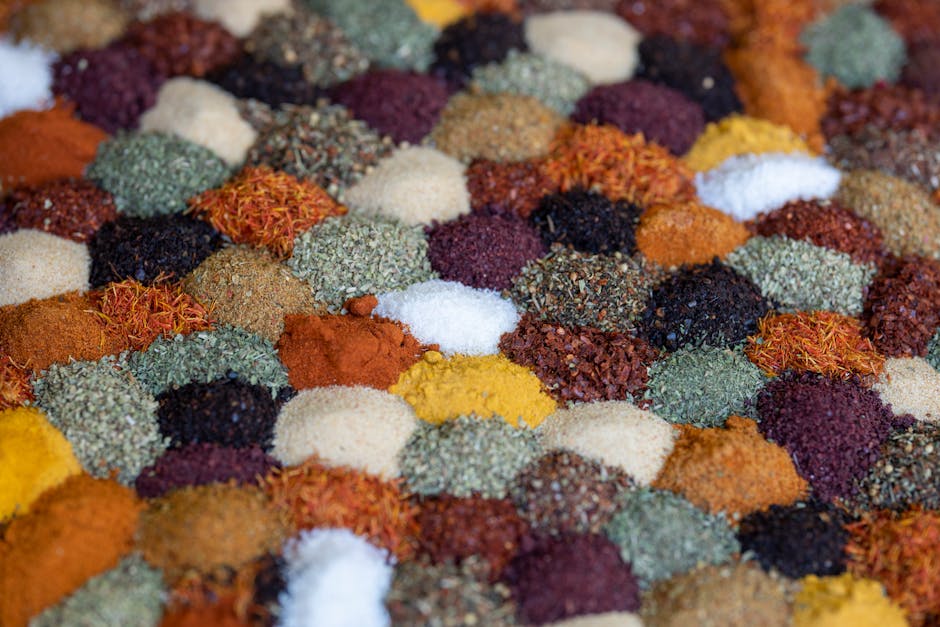
From the dawn of civilization, spices have woven themselves into the very fabric of human history, culture, and cuisine. As our ancestors ventured beyond local territories, they discovered not only new lands but also the diverse flavors and aromas that would eventually spice up their diets. These explorations set the stage for trade routes that thrived on the exchange of exotic commodities, often spurring advances in technology, economics, and cultural exchanges. The desire for spices drove nations to explore, conquer, and establish trade, shaping our world in ways we continue to appreciate in our kitchens today.
In countless homes around the globe, spices are more than mere flavor enhancers; they are a bridge connecting historical traditions with modern culinary techniques. Think of cumin in Indian curries or paprika in Hungarian goulash. These ingredients not only define the dishes of these cultures but also tell stories of the land and people who cultivated them. Theories suggest that the pursuit of pepper, often dubbed "black gold," was instrumental in forging new global trade routes, linking East to West and creating a tangled web of influence that persists to this day.
Exploring the culinary heritage shaped by these spice routes reveals not just the evolution of food, but also the transformation of societies. As we delve into the culinary treasures across various continents, we will uncover how key spices, along with native techniques and regional ingredients, contributed to dishes that changed not just palates but history itself. Each section dives into a specific region, shedding light on the spices integral to its cuisine, providing recipes, and highlighting the cultural significance that transcends generations.
The Indian Subcontinent: A Symphony of Spices
The Spice Market of India
India is often referred to as the Land of Spices, and with good reason. The country's diverse climate zones allow it to produce a vast array of spices—from the fiery cayenne to the fragrant cardamom. The bustling spice markets, particularly in cities like Kolkata and Mumbai, offer a kaleidoscope of colors, aromas, and textures that can provoke the senses even of the most seasoned chef. In these markets, you will encounter spices such as saffron, turmeric, and coriander, which have long been used not only for their flavor but also for their medicinal properties.
Indian cuisine is a complex tapestry of regional dishes, each influenced by historical migrations and trade. One cannot overlook the role of Mughal influence in developing richly spiced curries and biryanis, which utilize a combination of whole spices and ground spices. The balance of these flavors often defines the success of a dish. Consider the classic biryani, which requires precise layering of marinated meat and fragrant basmati rice cooked together with spices, which saturates each grain with flavor.
"The allure of Indian cuisine lies in its complexities, where spices dance harmoniously together, creating layers of flavor that tell a story."
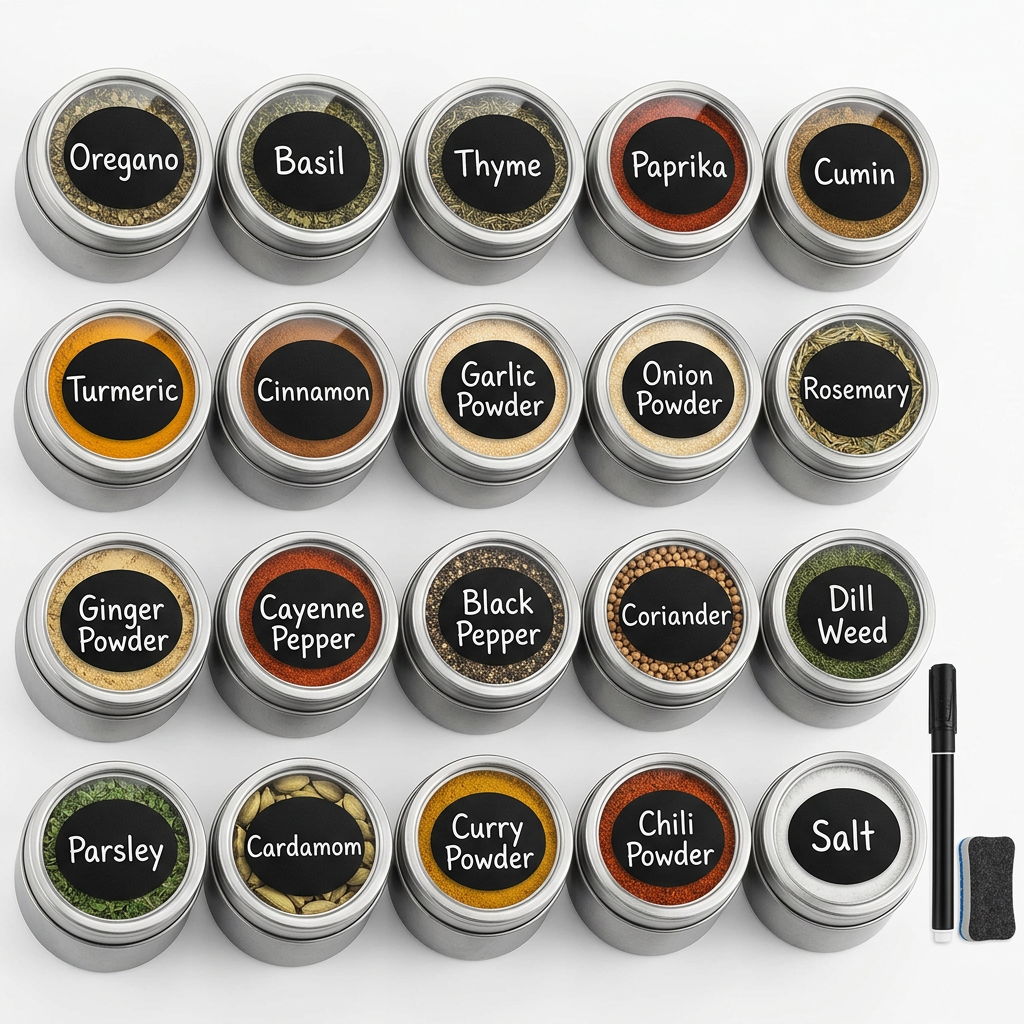
Essential Indian Spices
When cooking Indian cuisine, mastering the art of tempering is essential. This technique involves heating oil and adding whole spices to release their natural oils and flavors before preparing other ingredients. For a captivating tempering, heat oil to around 350°F (175°C), add a teaspoon of mustard seeds, and let them pop before adding diced onions and ginger. This initial step creates a fragrant base that elevates any dish.
Iconic Dishes and Recipes
Among the numerous iconic dishes that define Indian cuisine, Butter Chicken is a world favorite. This dish highlights the importance of marinating chicken in a yogurt and spice mix, which tenderizes the meat and infuses it with flavor.
Butter Chicken Recipe:
- 1 lb (450g) chicken thighs, boneless and skinless
- 1 cup yogurt
- 1 tbsp lemon juice
- 2 tsp garam masala
- 1 tsp ground cumin
- ½ tsp turmeric
- ½ tsp cayenne pepper
- 2 cups tomato puree
- 1 cup heavy cream
- 4 tbsp unsalted butter
- Salt to taste
- Fresh cilantro for garnish
1. In a bowl, combine yogurt, lemon juice, garam masala, cumin, turmeric, and cayenne pepper. Add chicken, ensuring it is well coated. Marinate for at least 1 hour, preferably overnight.
2. Preheat the oven to 400°F (200°C). Spread marinated chicken on a baking tray and roast for 20-25 minutes or until charred and fully cooked.
3. In a pan, melt butter over medium heat. Add tomato puree and simmer for about 10 minutes. Stir in the cream and cooked chicken. Let simmer for an additional 10 minutes.
4. Season with salt and garnish with cilantro.
This dish exemplifies the delicate balance of flavors in Indian cuisine, where spices play an integral role.
The Middle East: Ancient Flavors Reimagined
Spice Trade and Cultural Exchange
The Middle East has long been considered the bedrock of culinary practices, with its origins in ancient trade routes that connected Asia, Africa, and Europe. The spice trade was not merely about commerce; it facilitated the cultural exchange of ingredients and cooking techniques that would give rise to the rich tapestry of Middle Eastern cuisine we know today. The use of cinnamon, rose water, and saffron in both sweet and savory dishes exemplifies this culinary crossover.
Trade routes like the Silk Road introduced various goods and spices that would meld into the local culinary palette. As we savor dishes like hummus, falafel, and tagine, we appreciate a fusion of flavors brought forth by centuries of culinary innovation and exchange. The strategic positioning of cities such as Damascus and Istanbul allowed them to become centers for this spice exchange.
"In the Middle Eastern kitchen, spices tell stories; each bite is a passage through time and tradition."
Key Middle Eastern Spices
Transforming Ingredients into Meal
One iconic Middle Eastern dish is Mujadara, a dish made with lentils and rice garnished with caramelized onions. It represents the essence of the region, showcasing how simple ingredients can create extraordinary flavors.
Mujadara Recipe:
- 1 cup brown or green lentils
- 1 cup basmati rice
- 4 cups water or vegetable broth
- 2 large onions, sliced thinly
- ½ tsp cumin
- ½ tsp coriander
- Salt and pepper to taste
- Olive oil for frying
- Fresh parsley for garnish
1. Rinse lentils under cold water. In a pot, add lentils and water or broth. Bring to a simmer and cook for 20-25 minutes until tender. Drain and set aside.
2. In another pot, rinse the rice and add to 2 cups of water along with cumin, coriander, and salt. Add cooked lentils and simmer until rice is tender and water is absorbed, around 15-20 minutes.
3. In a skillet, heat olive oil over medium heat. Add onions, cooking until they caramelize, about 15-20 minutes.
4. Serve the lentil-rice mixture topped with caramelized onions and garnished with parsley.
This dish not only offers a hearty family meal but also embraces the essence of communal dining prevalent in Middle Eastern cultures.
The Americas: Spices of the New World
Indigenous Ingredients and Colonial Influences
The Americas held their own treasure trove of native spices and ingredients long before the arrival of Europeans. Vanilla, cacao, and chili peppers were cultivated and used by indigenous peoples as staples in their diets. The reception of these commodities by European colonizers spurred a culinary revolution, forever altering cuisine on both sides of the Atlantic.
Spanish colonization, for instance, led to the widespread introduction of cacao and vanilla into European desserts, while chili peppers quickly became an essential part of dishes in nations like Mexico. These ingredients are now crucial in various forms of cuisine globally, showcasing an enduring legacy that began with the importation of these flavorful treasures.
"The spice routes of the Americas are rich with narratives of discovery, showcasing our appetites for both flavor and adventure."
Staples of the New World Cuisine
Signature Dishes to Savor
Mole Poblano is perhaps one of the most famous Mexican sauces, steeped in tradition and complexity. It marries various ingredients, showcasing the diverse culinary influences that shaped it.
Mole Poblano Recipe:
- 4 dried ancho chilies
- 2 dried guajillo chilies
- 1 tsp cumin
- 1 tsp coriander
- ½ tsp cinnamon
- 1 oz dark chocolate, chopped
- 3 cups chicken broth
- 2 tbsp vegetable oil
- 1 onion, chopped
- 3 garlic cloves, minced
- Salt to taste
1. Remove stems and seeds from the dried chilies. Toast them lightly in a pan over medium heat for a few minutes until fragrant.
2. Soak the toasted chilies in hot water for about 15 minutes. Drain and blend with a little broth until smooth.
3. In a pot, heat oil over medium heat. Cook onion until translucent, then add garlic and cook until fragrant.
4. Stir in the blended chili paste, cumin, coriander, and cinnamon. Cook for another 5 minutes.
5. Add the remaining chicken broth and chopped chocolate. Let it simmer for about 30 minutes, stirring occasionally until thickened. Season with salt to taste.
Serve over chicken or enchiladas for an unforgettable experience that epitomizes Mexican heritage.
Mediterranean Influences: Revisiting Antiquity
The Birth of Flavor
The Mediterranean region has historically been a melting pot of cuisines and cultures. Cities like Athens, Rome, and Carthage were not only centers of trade but also rich in cultural interactions, leading to the diffusion of flavors that would define culinary practices. With spices such as oregano, fennel, and bay leaves, Mediterranean cooking emphasizes fresh ingredients, bright flavors, and healthful dishes that celebrate local produce.
The advent of the Roman Empire saw the widespread use of spices—particularly pepper—which became a symbol of wealth and status. The trade routes established during this time allowed a rich cross-pollination of food traditions, leading to a cuisine that offers variety from Mediterranean salads to richly flavored stews.
"Mediterranean cuisine is a love letter to the earth, where each ingredient tells the tale of land and sea, sun and soil."
Classic Mediterranean Spices
Highlighting Mediterranean Dishes
The classic dish of Paella from Spain encapsulates the essence of Mediterranean cooking. It showcases the marriage of spices and locally sourced ingredients.
Paella Recipe:
- 1 lb (450g) raw shrimp, peeled
- 1 lb (450g) chicken thighs, cut into pieces
- 1 ½ cups arborio rice
- 4 cups chicken broth
- 1 onion, chopped
- 1 bell pepper, diced
- 3 garlic cloves, minced
- 1 tsp smoked paprika
- ½ tsp saffron threads
- 2 tbsp olive oil
- Salt and pepper to taste
- Fresh parsley for garnish
1. In a large paella pan, heat olive oil over medium heat. Sauté onions and bell pepper for about 5 minutes until soft.
2. Add chicken pieces and cook until browned. Stir in garlic, smoked paprika, and rice. Cook for another 2-3 minutes.
3. Pour in chicken broth and sprinkle saffron strands over the top. Season with salt and pepper. Bring to a simmer.
4. Cook uncovered for about 20 minutes, ensuring rice absorbs the liquid and forms a crust at the bottom, known as socarrat.
5. Add shrimp in the last 5 minutes of cooking, covering until shrimp is cooked through and pink. Garnish with parsley before serving.
Paella is more than just a meal; it's an experience meant for sharing—a representation of the Mediterranean's vibrant culture.
Southeast Asian Fusion: Spice Harmony
An Intricate Web of Influences
Southeast Asia offers a fascinating blend of indigenous ingredients and colonial influences, resulting in rich, complex flavors that speak of diverse cultural interactions. Countries such as Thailand, Vietnam, and Indonesia utilize fresh herbs and spices to create vibrant dishes that highlight the region's culinary depth.
The fusion of sweet, sour, and spicy is central to many Southeast Asian dishes, where ingredients such as lemongrass, kaffir lime leaves, and galangal create bursts of flavor that elevate every meal. The famed dish of Tom Yum Goong serves as a testament to this harmony, epitomizing the region's love for balanced flavors.
"Southeast Asian cuisine is an exploration of flavor, where herbs and spices work together in symphonic unity."
Fundamental Southeast Asian Spices
Signature Dishes to Master
Pad Thai is a quintessential dish of Thailand known for its street food appeal. The combination of sweet, salty, and sour flavors in the dish is a culinary delight.
Pad Thai Recipe:
- 8 oz (225g) rice noodles
- 1 cup shrimp, peeled
- 2 eggs
- 2 tbsp tamarind paste
- 2 tbsp fish sauce
- 1 tbsp sugar
- 2 green onions, chopped
- ½ cup bean sprouts
- 1 tbsp vegetable oil
- Chopped peanuts and lime wedges for garnish
1. Soak rice noodles in hot water for about 30 minutes, or until softened, then drain.
2. In a pan, heat oil over medium-high heat. Add shrimp and cook until they turn pink. Push to one side and crack the eggs, scrambling them until cooked.
3. Add noodles, tamarind paste, fish sauce, and sugar, stirring to combine. Cook for about 2-3 minutes until everything is well incorporated.
4. Stir in green onions and bean sprouts just before serving.
5. Garnish with chopped peanuts and lime wedges.
This dish encapsulates the essence of Southeast Asian cuisine, combining the bold flavors that have captivated palates worldwide.
Conclusion
The narrative of spices woven throughout history is undeniably rich and complex, each impacting the cultures and cuisines of the world. From the ancient spice caravans of India to the fragrant markets of the Middle East, every dish tells a story—a tale of migration, exploration, and culinary innovation. Today, as home cooks, we are lucky to have access to these global flavors, transforming our kitchens into gateways of discovery.
By understanding the significance of these ingredients, their origins, and cooking techniques, we not only elevate our culinary skills but also become part of a much larger narrative that celebrates humanity’s quest for flavor. Whether you’re creating a fragrant Indian curry, a warm Middle Eastern stew, or a complex Thai noodle dish, each spice adds its unique voice to the chorus of flavors awaiting exploration. Embrace these spice routes, and let them guide your culinary journey, filling your home with warmth and the aromas of cultures past and present.
Creating dishes with these spices is not just about feeding the body; it's about nurturing the soul, fostering connection, and celebrating the beautiful diversity of our world through flavors. Happy cooking!
Get the Next Recipe
Weekly recipes, techniques, and gear picks — straight to your inbox.
