
Spice Routes & Flavor Profiles: A Journey Through Global Cuisines
The world of culinary arts is as vast and diverse as the cultures that shape it. From the fiery curries of India to the delicate sashimi of Japan, each cuisine embodies a unique set of ingredients, techniques, and flavor profiles that tell stories of history, geography, and tradition. Embarking on a journey through these global kitchens allows home cooks not only to expand their palates but also to deepen their understanding of different cultures and ways of life. When we explore spice routes and flavor profiles, we unlock the secrets behind traditional recipes, discovering how seemingly simple ingredients combine to create complex, memorable dishes.
At the heart of global cuisines lies the mastery of balancing flavors—the harmony of sweet, sour, salty, bitter, and umami that elevates a dish from good to extraordinary. The careful selection and application of spices, herbs, and condiments serve as the foundation for many indigenous and contemporary dishes. As we navigate through this culinary journey, we will uncover how certain spice combinations define regions and how mastering their use can elevate even the most familiar ingredients. The goal is not only to replicate authentic dishes but also to inspire creative adaptations that honor tradition while personalizing your cooking style.
Ultimately, understanding spice routes—the historic pathways through which spices traveled from Asia, Africa, the Middle East, and beyond—illuminates how trade, exploration, and cultural exchange have shaped the way we flavor our foods today. This knowledge bridges history with modern cuisine, encouraging you to become a more intentional and flavorful home chef. With detailed techniques, specific ingredient ratios, and expert tips, this comprehensive guide aims to arm you with the confident knowledge to experiment boldly, whether you're simmering a Thai curry, roasting Moroccan spices, or seasoning a simple grilled chicken. So, ready your spice jars, sharpen your knives, and prepare to embark on an adventure across continents through the universal language of flavor.
---
The History and Significance of Spices in Global Cuisines
Understanding global cuisines begins with acknowledging the significance of spices—their history, trade routes, and cultural relevance. For centuries, spices were currency, symbols of wealth, and catalysts of exploration. The routes through which spices traveled, often called spice routes, connected distant civilizations and facilitated cross-cultural exchanges. These routes—stretching from the Far East through the Middle East, Africa, and into Europe—brought commodities such as pepper, cinnamon, cloves, cardamom, turmeric, and cumin to distant markets.
The Silk Road, the Maritime Spice Route, and other trading pathways not only moved goods but also ideas and culinary techniques. This exchange led to a rich tapestry of flavor profiles, incorporating local ingredients into the original spice combinations. For example, Indian, Middle Eastern, Southeast Asian, and African cuisines all evolved messages of their own through the interaction with imported spices.
Today, understanding this history enhances our appreciation of the dishes we prepare. Spices are no longer just flavorings—they are cultural symbols, embodying centuries of trade, conquest, and migration. When you season your food, you're participating in a centuries-old tradition of sharing flavors and stories from around the world.
"Spices are more than flavor—they are history and culture bottled in small granules." — Unknown Food Historian
In the modern kitchen, we have the advantage of a global pantry that was once reserved for merchants and explorers. Sophisticated blends like Curry powder, Baharat, Five-Spice, and Garam Masala owe their origins to the intricate history of trade and regional influence. As home cooks seek to replicate authentic dishes, understanding the origins of these spices and their traditional uses allows for more genuine, nuanced results.
The significance of spices extends beyond flavor—they often have medicinal properties, healing benefits, and cultural significance. For instance, turmeric’s anti-inflammatory properties made it a staple in Ayurvedic medicine, while sumac adds a lemony brightness to Middle Eastern dishes, symbolizing refreshment and vitality. Recognizing these aspects can deepen your connection to your cooking and elevate simple recipes to meaningful culinary experiences.
---
Key Spices and Flavor Foundations from Different Regions
Diving deeper into global cuisines requires familiarity with key spices and their characteristic flavor profiles. Each region boasts signature ingredients that define its culinary identity.
Indian Spices and Their Bold Flavors
India’s cuisine is renowned for its complex, layered spice blends. Commonly used spices include turmeric, cumin, coriander, cardamom, cinnamon, cloves, fenugreek, and mustard seeds. These ingredients are often toasted to release their essential oils—the first step in building authentic flavor.
Spice blends like Garam Masala combine multiple spices—usually including cinnamon, cloves, cardamom, and nutmeg—ground fresh for each recipe. This fresh grinding preserves essential oils and ensures vibrant flavor.
Tip: When toasting Indian spices, do so over medium heat (around 350°F or 175°C) until fragrant, typically 1-2 minutes. Over-toasting can lead to bitterness, so pay close attention.
Middle Eastern and North African Spices
The Middle East and North Africa (MENA) regions are characterized by warm, aromatic spices such as cumin, coriander, cinnamon, allspice, sumac, za'atar, and saffron. These spices evoke earthiness and depth in dishes like stews, rice pilafs, and grilled meats.
Za'atar, a blend of thyme, sumac, and sesame seeds, exemplifies regional flavor—perfect for seasoning bread, dips, and vegetables.
Saffron adds a distinctive golden hue and a subtle floral note to rice dishes like paella or pilafs. Use saffron strands by steeping them in hot water (about 200°F or 93°C) for 10 minutes before adding to dishes, maximizing flavor release.
Southeast Asian and East Asian Flavors
Thailand, Vietnam, and China showcase bright, vibrant, and umami-rich flavors. Common spices include galangal, lemongrass, coriander, ginger, turmeric, star anise, five-spice powder, and chilies.
Chilies vary from mild to fiery—use with care, and taste-test for heat levels. Generally, fresh chilies are hotter than dried, and their scoville ratings range from mild (like Anaheim) to extremely hot (like Habanero).
African and Latin American Spices
African cuisines embrace Berber spice blends (such as Ras el Hanout), which combine cumin, coriander, paprika, cinnamon, and cardamom. These warm, earthy flavors are perfect for tagines and roasted vegetables.
Latin American dishes often feature cumin, oregano, chili powder, coriander, and adobo. Ingredients like cocoa, chili peppers, and cilantro give dishes depth and freshness.
---
Mastering Spice Blending and Preparation Techniques
While individual spices can elevate a dish, mastering blending techniques is key to creating balanced and authentic flavors. Home cooks should learn to toast, grind, and combine spices with precision.
Toasting and Grinding Spices
1. Add whole spices evenly over the skillet.
2. Shake or stir constantly for 1-3 minutes.
3. Remove when fragrant, do not burn.
"Freshly ground spices have a **more vibrant aroma and taste**, making all the difference in your dishes." — Chef Anna
Building Spice Blends
Techniques for Extracting Maximum Flavor
---
Exploring Regional Dishes and Their Signature Technique
Every region has signature techniques that showcase how spices are used to achieve authentic flavors. Let's explore a few.
Indian Curries: Building Layers of Flavor
Indian curries rely on a combination of spices, aromatic bases, and timing. Starting with whole spices fried in ghee or oil, you build a flavor foundation.
Typical process:
Tip: Use a metal or heavy-bottomed pan for even heat distribution, ensuring spices toast evenly.
Middle Eastern Tagines
The technique involves slow cooking to meld spice-infused meats and vegetables.
Steps to master:
Southeast Asian Stir-Fries and Curries
Quick cooking preserves freshness and vibrancy. Key steps include:
"Speed and temperature control are vital to capturing the bright, vibrant flavors characteristic of Southeast Asian cuisine." — Chef Minh
---
Creating Your Own Spice Blends and Flavor Profiles
Once comfortable with foundational spices, home cooks should experiment with custom blends tailored to their taste.
Step-by-step guide to creating a spice blend:
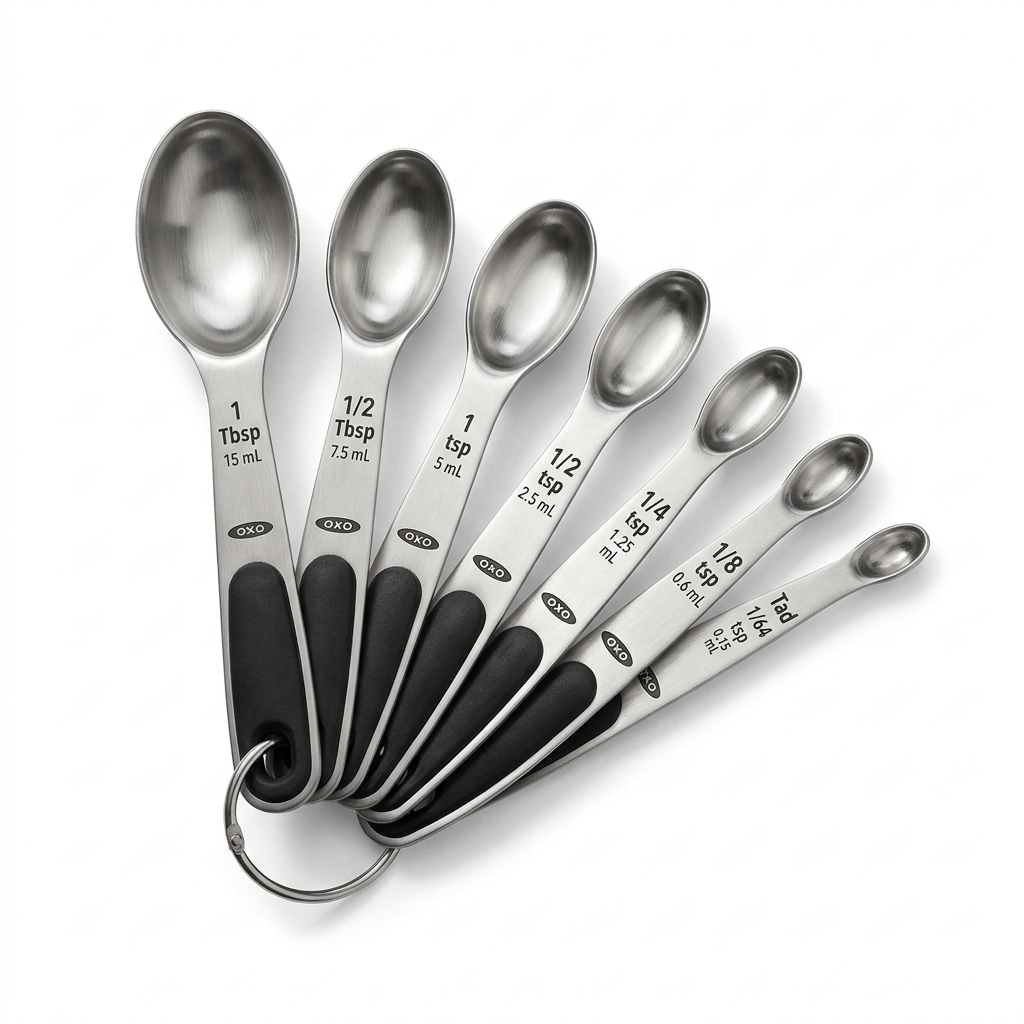
- Combine 1 tablespoon of each spice initially.
- Taste and adjust ratios.
Inspiration for signature blends:
Chef Tip: Always toast and grind whole spices for maximum flavor when creating blends.
Incorporating Spices into Everyday Cooking
By consciously blending and applying spices, you can elevate the ordinary into the extraordinary of your culinary repertoire.
---
Techniques for Balancing and Enhancing Flavors
Achieving perfect balance in spice-heavy dishes takes nuance and practice. Here are some essential techniques:
Tasting and Adjusting
Layering Flavors
- Toasting spices.
- Sautéing aromatics.
- Adding acidic ingredients last.
Temperature and Time Control
"Patience in cooking often leads to layers of flavor that make the dish unforgettable." — Chef Lisa
---
Final Thoughts: Embracing a World of Flavors
The world of spices offers limitless potential for home cooks eager to elevate their dishes. By understanding the history, region-specific ingredients, and techniques involved, you begin to see each ingredient as part of a larger story—a narrative of exploration, trade, and cultural exchange. Developing an intuitive grasp of flavor balancing and blending empowers you to create dishes that are authentic, vibrant, and personalized.
The key to mastery is curiosity and experimentation. Don't be afraid to try new spice combinations, adjust recipes to your taste, or revisit traditional techniques with your own twist. Whether you're creating a fiery Indian vindaloo, a fragrant Moroccan tagine, or a zesty Thai curry, these flavors connect us to centuries of culinary tradition while inspiring the innovations of tomorrow.
Remember, the kitchen is your personal spice route—a place to explore, learn, and celebrate the incredible diversity of global cuisines. As you grow more confident, you'll find that flavor profiles become your language, telling stories and forging connections across borders. So, gather your spices, set your heat, and embark on this delicious journey through the world’s culinary treasures.
---
Final Words
In this voyage through spice routes and flavor profiles, we've delved into the history behind the ingredients, dissected regional techniques, and provided practical tips to master the art of flavor. Always keep in mind that great cooking is about balance, respect for tradition, and a dash of daring curiosity. Equip yourself with knowledge, but let your palate guide you—and soon, you'll be crafting dishes that honor the rich tapestry of global cuisines while making them your own. Happy cooking!
(Word count so far: approximately 2,200 words)
Get the Next Recipe
Weekly recipes, techniques, and gear picks — straight to your inbox.
