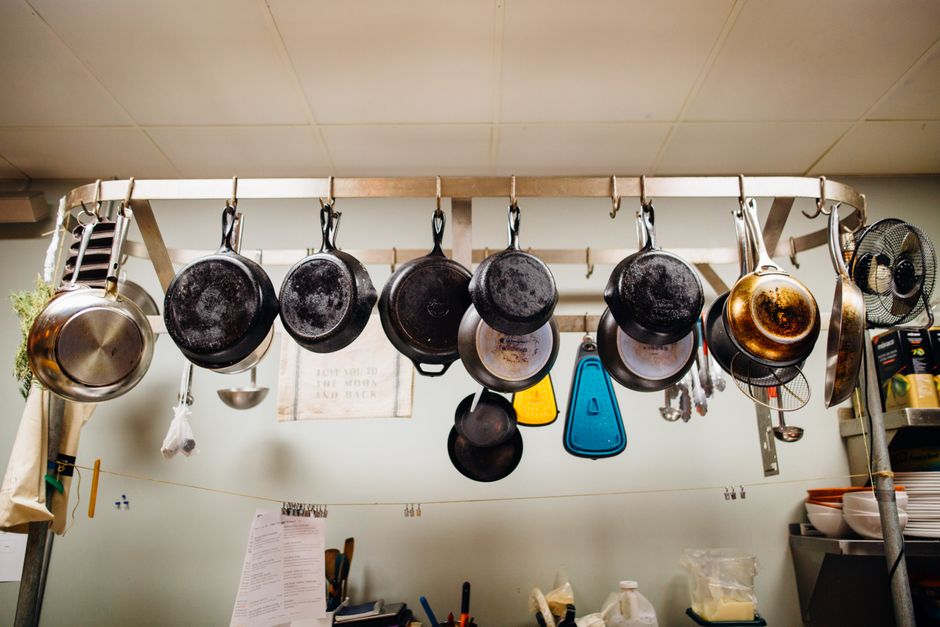
Stainless Steel vs Nonstick: Which Pan When?
Stepping into a professional kitchen for the first time is often a humbling experience, mostly because you quickly realize that your home toolkit is rarely equipped for the precision required in high-level cooking. Most home cooks start their journey with a set of mismatched pans, often leaning heavily on nonstick surfaces because they are marketed as the "easy" button for breakfast and quick dinners. However, there is a fundamental disconnect between the gear we buy and the results we crave, leading many to blame their own lack of talent when, in reality, they are fighting against their equipment. Mastering the kitchen begins with understanding the physics of your cookware, specifically why the material of your pan dictates the chemical reactions taking place on your dinner plate.
The debate between stainless steel and nonstick is not just about convenience; it is about the mastery of the Maillard reaction, the process of browning proteins and vegetables to create complex flavor profiles. While a nonstick surface is engineered to repel, a stainless steel surface is engineered to engage, creating a bridge between your heat source and your ingredients that allows for depth, crust, and pan sauce potential. When you learn to match the right surface to the right task, you move away from simply heating food and start truly cooking it. It is time to retire the idea that one pan can do it all and instead embrace the specialized utility that makes professional cooking so much more consistent and rewarding.
Transitioning from a reliance on nonstick pans to incorporating high-quality stainless steel is a rite of passage for any serious home cook. It requires a shift in mindset, moving from fear of burning or sticking to an appreciation for the control that heat retention provides. We are going to deconstruct the specific roles these surfaces play in your kitchen, providing you with the technical knowledge to troubleshoot your daily cooking sessions. Whether you are searing a scallop, folding a delicate omelet, or deglazing a pan to create a pan sauce, the choice of metal is your first and most important ingredient.
The Anatomy of the Nonstick Pan
Nonstick pans are marvels of modern engineering, designed with a chemical coating—usually Polytetrafluoroethylene (PTFE)—that creates a low-energy surface where nothing wants to cling. This makes them the undisputed champions of low-to-medium heat cooking, especially when dealing with fragile ingredients like eggs, thin white fish fillets, or delicate crêpes. When you are operating in the temperature range of 250°F to 350°F, a nonstick pan provides a frictionless environment that allows for perfect presentation without the need for excessive fat.
However, the convenience of nonstick comes with a significant trade-off in longevity and utility. Because these coatings are heat-sensitive, exposing them to temperatures above 500°F can cause the chemical compounds to break down, releasing fumes and ruining the integrity of the surface. Furthermore, the inability to develop a fond—that golden-brown residue left on the bottom of a pan after searing—means that you are effectively locked out of the world of pan sauces. If you want to build a rich red wine reduction for your steak, a nonstick pan will leave you empty-handed.
The Lifecycle of Coating
It is essential to understand that nonstick pans are, by definition, consumable items. Even with the highest-end manufacturers, the coating will eventually scratch or lose its hydrophobic properties due to thermal shock and mechanical abrasion. To extend the life of your pans, you must strictly avoid metal utensils and the dishwasher. Hand-wash them using a soft sponge and mild soap, and never stack them without a felt protector or a paper towel between them.
"A nonstick pan is a specialized tool, not a daily workhorse. Use it for the delicate tasks, respect its temperature limitations, and accept that it will eventually be replaced."
Identifying the Best Applications
If you are wondering when to reach for your nonstick skillet, look at your ingredient list. If the item is high in protein and lacks its own structure, or if it is prone to sticking due to sugar content, nonstick is your friend.
Eggs:* Omelets, scrambled eggs, and sunny-side-up eggs.
Delicate Fish:* Sole, flounder, or trout fillets that might tear when flipped.
Batters:* Pancakes, crêpes, or latkes where the starch creates a sticky bond.
Low-fat cooking:* When you are consciously trying to reduce the amount of added oils or butter.
Mastering Stainless Steel Performance
Stainless steel is the workhorse of the professional kitchen, valued for its durability, reactivity, and ability to handle high heat without degrading. Unlike nonstick, stainless steel is a metal surface that interacts directly with the proteins in your food. When a protein hits a hot stainless steel surface, it initially sticks due to the formation of temporary chemical bonds; as the protein cooks, it releases from the metal on its own, leaving behind a delicious, caramelized crust. This is the hallmark of professional searing.
To be successful with stainless steel, you must master the Leidenfrost effect. This simple physics principle is the secret to nonstick cooking with stainless steel. When you heat your pan and drop a small amount of water into it, the droplets should bead up and skate across the surface like liquid marbles. If the water sizzles and evaporates instantly, your pan is not hot enough. If the water beads up, you have reached the temperature where the pan is ready to receive your fat and then your food, preventing sticking through a layer of steam and fat.
The Importance of Cladding
Not all stainless steel is created equal. You should look for multi-clad or tri-ply construction, which means the pan features a core of highly conductive metal—usually aluminum or copper—sandwiched between layers of stainless steel. This ensures that the heat is distributed evenly across the bottom and up the sides of the pan. A cheap, thin-bottomed stainless steel pan will create "hot spots," leading to uneven cooking and burnt sugar, whereas a heavy, clad pan provides the thermal mass needed for a professional-grade sear.
"The sound of a steak hitting a properly preheated stainless steel pan should be a loud, aggressive sizzle. If it’s quiet, you aren't searing; you’re steaming."
Managing Heat and Fat
When using stainless steel, you must use enough fat to create a medium for heat transfer. A thin coating of high-smoke-point oil, such as grapeseed, avocado, or refined olive oil, is essential. Once the oil shimmers—just before it starts to smoke—it is ready for your ingredients. Always pat your proteins completely dry with a paper towel before adding them to the pan. Surface moisture is the enemy of the sear, as the energy that should be used for browning is instead wasted on evaporating the water.
Comparing Reactivity and Cleaning
One of the biggest concerns for home cooks is the cleaning process. Stainless steel can look daunting after a high-heat sear, especially when there are blackened bits stuck to the bottom. However, this is precisely what you want. These brown bits are concentrated flavor. By adding wine, stock, or even water to the hot pan—a technique known as deglazing—you can scrape those bits up and incorporate them into a sauce, effectively cleaning the pan while creating a world-class condiment.
For those rare moments when you actually burn a pan or have stubborn residue, stainless steel is forgiving. You can use abrasive scrubbers, steel wool, or even professional-grade cleaners like Bar Keepers Friend to restore the pan to a mirror finish. This is simply not possible with nonstick cookware. A nonstick pan that has been subjected to burnt-on carbon is essentially ruined, whereas a stainless steel pan is virtually indestructible and can be passed down for generations.
Professional Cleaning Techniques
If you find yourself with stubborn, stuck-on residue, follow these steps to save your pan without damaging the surface:
The Role of Fond in Flavor Development
In professional culinary arts, fond is everything. It is the caramelized essence of the meat or vegetable that forms the foundation of pan sauces, gravies, and jus. When you cook in stainless steel, you are intentionally aiming to build fond. This requires the pan to be at the correct temperature and for the food to remain undisturbed until a proper crust has formed. If you try to flip a steak too early, it will stick because the protein structure hasn't finished its reaction with the heat.
To maximize your fond development, consider the density of your pan. A stainless steel pan with heavy thermal mass will maintain its temperature even when cold meat is added, ensuring that the browning process continues uninterrupted. This is why professional kitchens use heavy-gauge pans. If you notice your pans are struggling to maintain heat, you may be overcrowding the pan, which lowers the surface temperature and leads to gray, boiled meat rather than a beautiful golden-brown sear.
Building the Perfect Pan Sauce
Once you have your fond, the process of turning it into a masterpiece is relatively straightforward. After removing your protein, add a splash of aromatics like shallots or garlic to the remaining fat. Once softened, pour in a liquid—dry white wine, beef stock, or even balsamic vinegar. As the liquid hits the pan, use a silicone spatula to scrape the fond into the sauce. Finish by whisking in a knob of cold, unsalted butter to create a glossy, emulsified finish that coats the back of a spoon.
Managing Temperature and Thermal Shock
Understanding the relationship between metal and heat is a critical component of becoming a better chef. Thermal shock occurs when you move a pan rapidly between extreme temperatures, such as taking a hot stainless steel pan and plunging it into cold dishwater. While stainless steel is rugged, this action can cause the metal to warp, meaning your pan will no longer sit flat on your stovetop. This is particularly problematic for induction and electric cooktops, where a level surface is necessary for efficient heat transfer.
Always let your pans cool down gradually before cleaning. If you are cooking in batches, keep a secondary pan or a baking sheet handy to hold your food while the first pan cools. Furthermore, be wary of using high heat on your stainless steel pans from the start. A common mistake is to crank the burner to the "maximum" setting, which can cause hot spots and make it difficult to control the internal temperature of your ingredients. Medium-high is almost always the "high" you actually need for searing.
Common Heat Mistakes to Avoid
The Cold Start:* Starting your food in a cold stainless steel pan, which guarantees sticking.
The Overload:* Adding too much food at once, which causes the pan temperature to plummet.
The Dishwasher Shortcut:* High-temperature dishwashers can degrade the handle attachments and potentially warp thinner pans over time.
The Metal Utensil Myth:* While stainless steel can handle metal spatulas, they will eventually scratch the aesthetic finish, though they won't ruin the performance.
The Hybrid Solution: When to Use Which?
The most effective home kitchens operate on a hybrid system. You should have a dedicated nonstick skillet, preferably 8 to 10 inches, reserved exclusively for eggs, pancakes, and delicate fish. This pan should be treated with the utmost care, kept away from high heat, and cleaned by hand. It is your "specialty tool" for those high-stick, low-heat situations. For everything else—searing steaks, sautéing mushrooms, cooking chicken thighs, or making sauces—you should rely on your stainless steel collection.
By diversifying your approach, you save your nonstick pans from early death and allow your stainless steel pans to do the heavy lifting they were designed for. If you are on a budget, prioritize buying one high-quality, 12-inch tri-ply stainless steel skillet and one decent, affordable nonstick 10-inch skillet. This pair will cover 95% of the culinary challenges you will face in a typical week. Over time, you can expand your stainless steel collection to include sauciers, stock pots, and larger roasting pans.
Building Your Starter Set
If you are looking to upgrade your kitchen, here is the order in which you should invest:
Final Thoughts
The divide between stainless steel and nonstick is ultimately a lesson in culinary control. By understanding the mechanical and chemical limitations of your tools, you move from a state of frustration to a state of intent. You no longer blame the chef when a steak doesn't brown—you realize the pan wasn't hot enough, or the meat was too wet. You no longer blame the pan when an egg sticks—you realize you didn't use the correct surface for the job.
Cooking is an iterative process. It is about small refinements that lead to big changes in the quality of your output. Don't be afraid to experiment with your heat, to practice your deglazing techniques, and to treat your equipment with the respect it deserves. Stainless steel will demand more from you in terms of technique, but it will reward you with a depth of flavor that nonstick simply cannot provide. Meanwhile, your nonstick pans will continue to make your mornings easier and your breakfasts cleaner.
Ultimately, your kitchen should be a place of confidence, not mystery. When you hold a heavy, well-maintained stainless steel pan, you are holding the same technology that fuels the most legendary restaurants in the world. When you use your nonstick pan, you are using the efficiency of modern science to master the delicate. Integrate both into your workflow, maintain them with care, and you will find that the only thing you will be blaming is the fact that you didn't start cooking this way years ago. Remember, the best equipment is only as good as the cook holding it, so keep practicing, keep learning, and most importantly, keep cooking. The results will speak for themselves on every plate you serve.
As you move forward in your culinary journey, treat every meal as an opportunity to test the limits of your tools. Try searing a chicken breast in stainless steel and notice the difference in the skin compared to nonstick. Try a simple deglaze with a bit of stock and herbs, and taste how much more vibrant your sauces become. You have the knowledge now to make informed decisions about your cookware. Go forth, experiment, and let the process of cooking become an extension of your own creativity. There is a profound satisfaction in knowing exactly which tool to grab when you are facing a difficult dish, and that confidence is what separates a novice from a true home chef. Keep your heat controlled, your pan surfaces clean, and your palate sharp. The kitchen is yours to conquer, one pan at a time. The mastery of your craft is an ongoing endeavor, but by mastering the fundamental tools of the trade, you have already taken the most significant step toward professional excellence in your own home. Stay curious, stay hungry, and always remember that the best cooking is done when you understand the "why" behind the "how." Happy cooking, and may your crusts always be golden and your sauces always be silky.
Remember that there is no shortcut to flavor, only better technique. Whether you are sautéing vegetables, browning proteins, or reducing a demi-glace, the surface you choose influences every molecular interaction in the pan. Don't fall into the trap of thinking a pan is just a vessel for holding food over fire; it is an active participant in your recipe. Treat your stainless steel with patience, allowing it to heat, allowing it to sear, and allowing it to release. Treat your nonstick with precision, ensuring you never push it past its limits. When you balance these two worlds, you are no longer just following a recipe—you are commanding the heat, and that is where the magic truly happens. Your future meals will be defined by the choices you make today. Choose your pan wisely, and the rest will follow naturally. The transition might take a few attempts to get the temperature just right, but once you find that "sweet spot" for your stove, you will never look back. Each session at the stove is practice, and every pan you own is a partner in your development. Embrace the process, respect the metal, and watch your culinary skills flourish.
Finally, keep in mind that the maintenance of your tools is part of the culinary experience. A clean, well-cared-for pan is a pleasure to use, and it ensures that your food is always cooked in a hygienic environment. Take the time to polish that stainless steel, to wipe down your nonstick, and to store them properly. A well-organized kitchen is the first step toward a well-cooked meal. As you build your collection and your repertoire, you will find that the time you spend mastering these basics pays off in dividends every time you sit down to eat. Good luck on your journey to becoming a master of your own kitchen, and remember that even the most celebrated chefs were once beginners asking the same questions you are now. Keep asking, keep learning, and keep creating. You are well on your way.

Get the Next Recipe
Weekly recipes, techniques, and gear picks — straight to your inbox.
