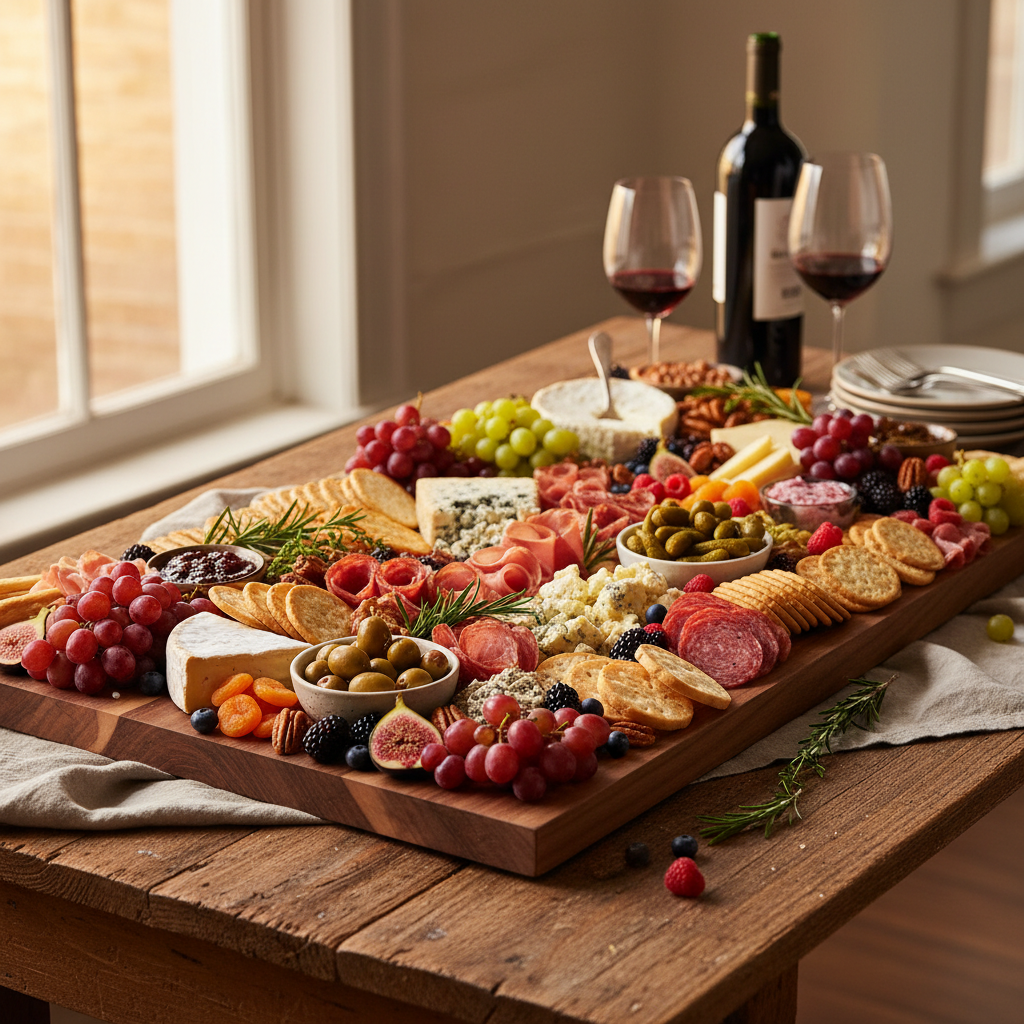
Stunning Charcuterie Boards: How to Curate a Perfect Spread for Any Occasion
Charcuterie boards have become an essential part of entertaining, transforming any gathering into a feast for the eyes and the palate. From intimate dinners to grand parties, these boards invite creativity and display an array of flavors, textures, and colors that can tantalize even the most discerning guests. Whether you're a seasoned chef or a home cook looking to impress, mastering the art of curating a charcuterie board can elevate your hosting game significantly. The beauty of a charcuterie board lies not only in the variety of items you choose but also in the way you present them, turning simple ingredients into a feast that sparks conversation and prompts guests to indulge.
Creating a stunning charcuterie board doesn’t have to be intimidating. With a little guidance on the fundamental components and some insider tips, you can assemble a spread that looks professionally styled but reflects your personal touch. By understanding how to balance elements like meats, cheeses, fruits, nuts, and accompaniments, you can build a board that is not only visually appealing but also packed with flavor and variety. Remember, the goal is to create something that excites the senses and complements the occasion—whether it’s a holiday celebration, a casual get-together, or a romantic date night.
What’s more, there’s no one right way to create a charcuterie board; it's all about experimentation. So don your apron, gather your favorite ingredients, and feel free to express yourself! In this post, I'll take you through the essential steps of how to curate a perfect spread, covering everything from selecting ingredients to presentation techniques. Let’s dive in and explore the art of charcuterie together, ensuring that your next hosting affair is unforgettable.
Understanding the Charcuterie Board
Before diving into the actual assembly of a charcuterie board, it's vital to understand what a charcuterie board truly represents. The term "charcuterie" traditionally refers to the art of preparing and assembling cured meats, and while meats often take center stage, a well-rounded charcuterie board can include a plethora of other items. Think of it as a culinary canvas where different elements come together to create a harmonious experience.
What Goes on a Charcuterie Board?
A successful charcuterie board typically contains five main categories:
- Prosciutto
- Salami (varieties like Genoa or pepperoni)
- Chorizo, either Spanish or Mexican
- Soppressata
- Soft cheeses like Brie or Camembert
- Cheddar or aged Gouda for hardness
- Blue cheese for strong flavor
- Fresh cheese like goat cheese or ricotta
- Fresh fruits: grapes, figs, apples, or berries
- Dried fruits: apricots, dates, or cranberries
- Pickles or olives for a tangy crunch
- Fresh herbs for garnishing
- Almonds, walnuts, or pistachios work well
- Pumpkin seeds or sesame seeds can also be great choices
- Honey or jams for sweetness
- Mustards or chutneys for a kick
- Breads or crackers for a base
One of my favorite pro tips is to think about balance when selecting your ingredients. Aim for a variety of flavors—from salty and sweet to spicy and mild—to keep things interesting and cater to diverse palates.
The Importance of Color and Texture
When curating your charcuterie board, don’t underestimate the power of visual aesthetics. The arrangement of diverse colors and textures can make your board pop, captivating your guests long before they take their first bite. Consider using contrasting colors—like rich, dark meats paired with light cheeses and vibrant fruits. Varying textures is equally important, as a board filled with only soft spreads can feel monotonous.
Here are a few tips for achieving optimal aesthetic balance:
"A well-crafted charcuterie board is like a beautiful painting—a canvas of flavors and colors that draws people in."
Selecting Ingredients for Your Board
Choosing the right ingredients is crucial for creating a charcuterie board that not only looks stunning but also tastes amazing. When you select your items, consider their seasonality, flavor pairings, and textural contrasts—all of which can impact your board’s overall balance and appeal.
Seasonal Selections
One aspect that often gets overlooked is seasonality. Ingredients that are in season often taste better and are fresher, which will improve the quality of your charcuterie board. Here are some seasonal ingredients to consider:
Flavor Pairings
Pairing flavors is where you can really let your creativity shine. When selecting your meats and cheeses, think about complementary and contrasting flavors.
Consider also incorporating international flavors, such as smoked salmon with capers or a Spanish-inspired board featuring manchego and chorizo.
Textural Variations
Finally, consider the textures of the items you're including on your charcuterie board. A great board will have a range of crunchy, creamy, chewy, and juicy components. Here’s how to think about textures:
Strive for a mix within each category. For instance, if you have two cheeses—the creamy brie and a hard aged gouda, balance those with a crunchy almond and some juicy grapes.
Assembling Your Charcuterie Board
Now that you have your ingredients sorted, it’s time to assemble your charcuterie board for maximum visual impact and ease of access. Follow these steps to create an eye-catching spread:
Step-by-Step Assembly
Suggested Layout Tips
Finishing Touches
Once your board is assembled, step back and take a look. Consider if it needs more color or a specific component to create balance. A final drizzle of honey on soft cheese or a handful of vibrant herbs can work wonders.
"An elegantly arranged charcuterie board is a conversation starter—it invites guests to explore and taste together."
Accompanying Beverages
Pairing the right drinks with your charcuterie board can enhance both the flavors of the food and the overall experience. Alcohol and non-alcoholic options work beautifully.
Wine Pairings
Beer Pairings
Artisan beers often pair wonderfully with charcuterie as well.
Non-Alcoholic Options
Consider offering non-alcoholic options for guests who prefer it:
Special Themed Charcuterie Boards
Sometimes, a charcuterie board can reflect a specific theme or occasion, which adds even more depth to your entertaining. Here are a few creative themes to consider:
Mediterranean Charcuterie Board
A Mediterranean-themed board might include ingredients like:
The vibrant colors of the Mediterranean can be visually stunning and quite inviting.
Vegan Charcuterie Board
For those with dietary restrictions, a vegan charcuterie board can be just as delectable. Include items such as:
This type of board attracts a diverse audience, as many guests enjoy plant-based options.
Seasonal Charcuterie Board
Create boards that reflect the seasons using seasonal ingredients. For example, a Fall Charcuterie Board could include:
Think of using autumn leaves or acorns to embellish for a themed presentation.
Cleaning Up: Tips and Tricks
After the feast, you want to preserve your board and ensure easy cleanup. Start with these helpful tips:
- Package any remaining meats and cheeses in airtight containers; they maintain freshness longer that way.
- Soft cheeses should be wrapped in wax paper followed by plastic wrap.
Conclusion
Crafting a stunning charcuterie board combines an appreciation for art and flavor, offering an opportunity to showcase culinary skills while creating an inviting atmosphere. Even as gathering styles change, the appeal of a beautifully arranged spread endures. By understanding your ingredients, mastering assembly techniques, and considering dietary preferences, you can curate a board that not only feeds the stomach but also the soul.
As you prepare for your next gathering, use the exploration of flavors, textures, and aesthetics to create something uniquely yours. A well-made charcuterie board can both satisfy and impress, sparking conversations and forging memories among friends and family. So next time you entertain, embrace the charcuterie craft—it’s more than just serving food; it’s about celebrating community and togetherness.
Now armed with all this knowledge, you're ready to turn your kitchen into a charcuterie haven. So gather your ingredients, let your creativity run wild, and remember: in the world of charcuterie, there are no rules—just delicious possibilities waiting to be explored. Happy entertaining!

Get the Next Recipe
Weekly recipes, techniques, and gear picks — straight to your inbox.
