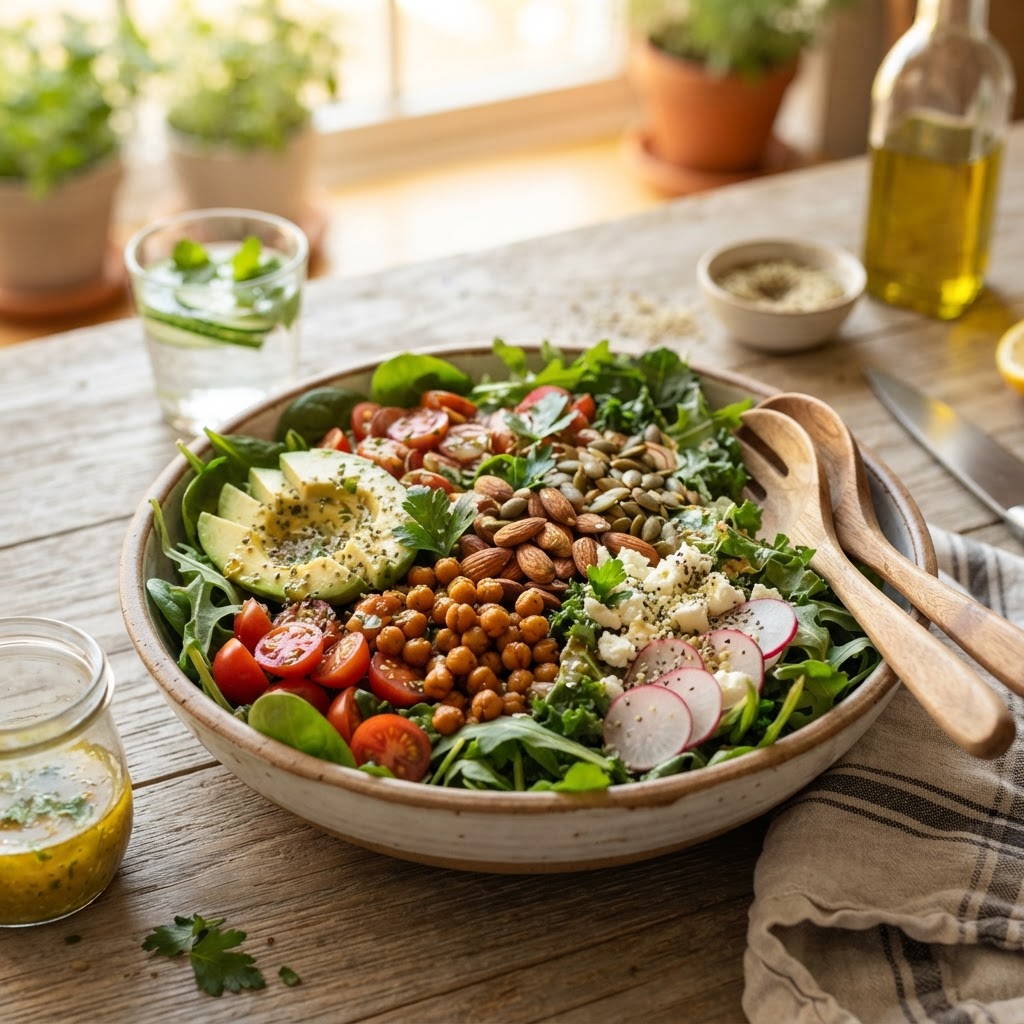
Supercharge Your Salads: 8 Nutritious Add-Ins for a Health Boost
In today’s health-conscious world, salads have transcended their role as mere side dishes and have become pivotal components of our diets. But let’s face it: the typical greens with ranch dressing can get stale, making it easy to overlook the incredible potential of salads. By integrating various nutritious add-ins, you can transform a simple bowl of lettuce into a culinary masterpiece that not only tantalizes the taste buds but also supercharges your nutritional intake. This is where creativity meets health—adding power-packed ingredients can elevate your salads from mundane to magnificent.
Understanding the role of superfoods and other vital nutrients is crucial in crafting a salad that is not just visually appealing but also gives a robust boost to your overall health. From crunchy nuts and seeds to vibrant vegetables bursting with color and flavor, the possibilities are truly endless. By carefully selecting your add-ins, you can cater to various dietary needs—whether you are vegan, vegetarian, or simply looking to consume cleaner, whole foods. Each component not only adds flavor and texture but also significantly contributes to your daily nutritional requirements, ensuring that every bite works for you.
In this culinary journey, we will explore eight powerful and nutritious add-ins that can revitalize your salads. These ingredients are not just garnishes; they are essential building blocks that provide your body with vitamins, minerals, and antioxidants. As we dive into this colorful world of ingredients, you’ll learn how to mix and match, making your everyday salads an exciting exploration of flavors while keeping health at the forefront.
1. Leafy Greens: The Foundation of Every Salad
Leafy greens are often the base of any salad, but not all greens are created equal. Varieties like kale, Swiss chard, arugula, and spinach pack a nutritional punch that can support various health goals, including weight loss and improved digestion.
Nutritional Benefits
Leafy greens have an impressive array of vitamins and minerals. For instance, kale is rich in vitamins A, C, and K, while spinach provides a wealth of iron and magnesium. Additionally, arugula brings a peppery flavor profile, which pairs beautifully with fruits and nuts, enhancing both taste and nutrition. Incorporating a variety of greens can ensure a broader spectrum of nutrients, appealing to diverse palates.
Chef Tips for Use
When selecting leafy greens, always opt for fresh and vibrant options. For better flavor, consider massaging kale with olive oil and lemon juice to soften it. This technique helps break down the fibrous leaves, making them easier to digest and more palatable.
“Fresh, vibrant greens can transform a basic salad into a nutritious powerhouse.”
2. Grains: A Hearty Addition
Grains can add a delightful chewiness to your salads, along with essential carbohydrates, fiber, and proteins. Popular choices include quinoa, farro, barley, and bulgur. These options can turn a light salad into a fulfilling meal that keeps you satiated.
Nutritional Benefits
Grains are a rich source of complex carbohydrates and are full of fiber, which has numerous health benefits, including improved digestion and sustained energy levels throughout the day. Quinoa, for example, is a complete protein, which means it contains all nine essential amino acids, making it a fantastic option for vegetarians and vegans.
Incorporation Suggestions
Here are some methods for integrating grains into your salads:
“Adding grains to your salad not only increases its nutritional value but also makes it far more filling.”
3. Protein Powerhouses: Legumes and Tofu
Adding protein sources to your salad is essential for a well-rounded meal. Beans, lentils, chickpeas, and tofu are all excellent choices that not only nourish but also satisfy.
Nutritional Benefits
Legumes such as chickpeas and lentils are loaded with protein, iron, and fiber, helping to regulate blood sugar and improve overall gut health. Tofu, made from soybeans, adds a creamy texture and is a fantastic source of plant-based protein.
Creative Ways to Add Protein
4. Nuts and Seeds: Crunch Factor
Nuts and seeds are not just for snacking; they can elevate your salads with healthy fats, a satisfying crunch, and a punch of flavor. Consider almonds, walnuts, sunflower seeds, and pumpkin seeds.
Nutritional Benefits
These crunchy elements are rich in heart-healthy omega-3 fatty acids, fiber, and various essential vitamins and minerals like vitamin E, magnesium, and zinc. Almonds are particularly noted for their high vitamin E content, while pumpkin seeds boast a high concentration of magnesium.
Ways to Use Nuts and Seeds
5. Fatty Fish: Omega-3 Boost
Incorporating fatty fish into your salads provides not only a unique flavor twist but also a wealth of health benefits, particularly omega-3 fatty acids. Salmon, sardines, and mackerel are top contenders.
Nutritional Benefits
Fatty fish are rich in EPA and DHA, types of omega-3 fatty acids known to support heart health, joint function, and cognitive performance. Just one serving of salmon can meet your week's omega-3 needs.
Incorporation Ideas
6. Colorful Produce: Fruits and Veggies
Don’t forget about vibrant fruits and vegetables. Adding these to your salads can heighten not only the aesthetic but also the nutritional profile.
Nutritional Benefits
Fruits and vegetables are rich in vitamins, antioxidants, and phytonutrients that promote good health. For instance, berries such as blueberries and strawberries are known for their high antioxidant content, while avocados provide healthy fats and more potassium than bananas.
Using Produce Wisely
“Adding fresh, seasonal produce can elevate both the flavor and nutritional quality of your salad immensely.”
7. Dressings of Distinction
No salad is complete without a dressing, but store-bought options can often be laden with sugar, preservatives, and unhealthy fats. Creating your own dressings allows you to control the ingredients, offering healthier options that complement your add-ins.
Nutritional Benefits
Many homemade dressings can incorporate nutritious oils such as extra virgin olive oil, which is high in monounsaturated fats and antioxidants. Vinegars, such as balsamic and apple cider, can aid in digestion and may even help regulate blood sugar levels.
Homemade Dressing Recipes
- 3 tablespoons olive oil
- 1 tablespoon balsamic vinegar
- 1 teaspoon Dijon mustard
- Whisk together until emulsified.
- 1 ripe avocado
- 2 tablespoons lemon juice
- 1-2 tablespoons water (to thin)
- Blend until smooth.
- ¼ cup tahini
- 2 tablespoons water
- 1 tablespoon lemon juice
- 1 teaspoon garlic powder
- Whisk until creamy.
Application of Dressings
8. Herbs and Spices: Flavor Enhancers
Herbs and spices can elevate your salad with various flavors without adding calories or unhealthy ingredients. Fresh herbs like basil, cilantro, and mint, as well as spices like cumin and smoked paprika, can make a significant difference.
Nutritional Benefits
Many herbs and spices possess unique antioxidant properties. For example, cilantro is known for its anti-inflammatory benefits, while basil contains essential oils that promote good digestion.
Using Herbs and Spices
“Fresh herbs can change the entire character of a dish, making it vibrant and alive.”
Conclusion
Salads need not be dull or monotonous. By incorporating these eight nutritious add-ins, you can transform your salads into wholesome meals that are not just nourishing but also delightful to the palate. By experimenting with leafy greens, grains, proteins, crunchy nuts and seeds, omega-3-rich fish, colorful produce, flavorful dressings, and fragrant herbs and spices, your salads can become a canvas for health and creativity.
Making salads an integral part of your diet doesn’t have to be a chore. With the right ingredients, thoughtful combinations, and a bit of culinary flair, every salad can be a vibrant adventure. After all, your health is your most valuable asset—so why not celebrate it with every bite?

Get the Next Recipe
Weekly recipes, techniques, and gear picks — straight to your inbox.
