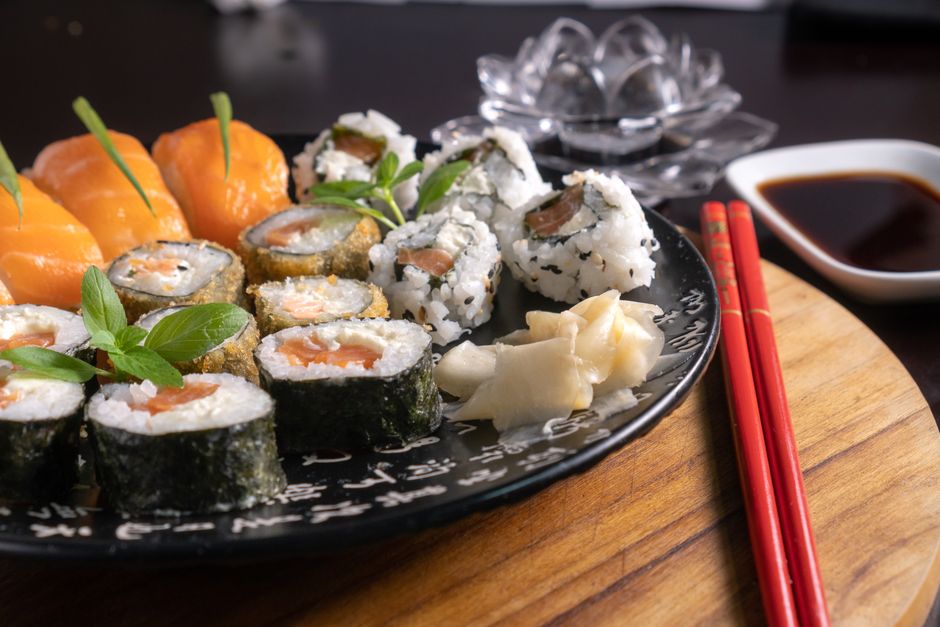
Sushi Rice: The Foundation of Sushi
Sushi is much more than just a delicacy; it’s an art form that reflects a deep cultural heritage extending back centuries. While the fish, vegetables, and other fillings are crucial to sushi's overall appeal, it’s arguably the rice that serves as its foundation. Sushi rice, known as shari or sushi-meshi, not only holds the meal together but also enhances its flavor and presentation. Achieving the perfect sushi rice requires an understanding of the rice itself, its preparation, and the delicate balance of flavors that accompany it. Both novice and seasoned home cooks can elevate their sushi-making game by mastering this critical component.
In this guide, we will delve into the nuances of sushi rice, exploring both its historical significance and its technical preparation. The recipe for sushi rice might seem straightforward, but it entails specific techniques that can make or break your sushi experience. From selecting the right type of rice and achieving the ideal texture to seasoning that rice with precision, we will cover it all. Along the way, we will share tips and tricks used by professional chefs to ensure that your sushi rice dazzles.
Before diving into the practical aspects of sushi rice, it’s vital to appreciate its cultural background and the role it plays in the grand tapestry of sushi-making. It’s not just a starch; it’s a canvas for culinary creativity and a symbol of balance, reflecting the ideals of harmony and refinement that underpin Japanese cuisine. This culinary adventure you’re embarking on will not only enrich your cooking skills but also deepen your appreciation for sushi as both a dish and a tradition.
Understanding Sushi Rice
What is Sushi Rice?
Sushi rice is not just any ordinary rice; it is short-grain rice that has specific qualities that make it suitable for sushi. Known for its sticky texture when cooked, this rice variety is essential for keeping sushi rolls intact. The starch content is significantly higher in short-grain rice compared to long-grain varieties, which contributes to that signature stickiness—a necessary attribute for sushi. When properly prepared, sushi rice should be slightly firm yet tender, allowing it to hold together while still being easy to eat.
There are many varieties of short-grain rice, but the most commonly used for sushi is Japanese sushi rice, also known as Koshihikari. This rice not only has a superior texture but also possesses a subtle sweetness that complements the slight vinegar seasoning typically combined with it. It’s also crucial to rinse sushi rice before cooking; this removes surface starches, preventing the rice from becoming gummy and ensuring each grain remains distinct when served.
The Importance of Quality Ingredients
Just like in any culinary endeavor, the quality of ingredients dramatically affects the final outcome. When it comes to sushi rice, it’s important to seek out high-quality grains. Always look for Japanese-style short-grain rice from a reputable source to ensure you're getting the best. Many brands sell sushi rice, and if you can find Koshihikari or another suitable variety, you will be well on your way to achieving a truly delightful sushi experience.
Additionally, don’t overlook the seasoning. The traditional combination for sushi rice typically includes rice vinegar, sugar, and salt. Each of these components plays a vital role, not just in flavoring the rice but also in providing the right balance that offsets the richness of the fish and other fillings. Experimenting with the ratios of these ingredients can help you discover the perfect seasoning for your palate.
The Cultural Significance of Sushi Rice
Beyond just its utility in sushi-making, rice holds a revered status within Japanese culture. It symbolizes prosperity and sustenance, often serving as a fundamental element in various meals. In a sushi context, the rice is a representation of harmony, embodying the principles of mindful eating that prioritize natural flavors and the beauty of ingredients.
Culturally, the preparation of sushi rice is as significant as the creation of the sushi rolls themselves. In Japan, it is common to see sushi chefs dedicate years of their lives to perfecting the art of making sushi rice alone. This dedication speaks volumes about the importance placed on this single component and its impact on the overall sushi experience. Understanding this cultural background can help home cooks appreciate the effort and skills that go into crafting sushi.
The Practical Steps to Prepare Sushi Rice
Step 1: Gathering Your Ingredients
To get started with sushi rice, you will need the following ingredients:
Step 2: Rinse and Soak the Rice
Rinsing the rice is a key part of the preparation process. Place the rice in a fine-mesh strainer and rinse it under cold water, agitating it gently with your fingers to remove excess starch. Continue rinsing until the water runs clear, which usually takes about 3 to 4 rinses. This step is crucial for preventing gummy rice.
Once rinsed, let the rice soak in a bowl of clean water for about 30 minutes. This soaking period allows each grain to absorb some moisture, which helps achieve the desired texture when cooking. After soaking, drain the rice in the strainer again.
Step 3: Cooking the Rice
Place the soaked, drained rice into a rice cooker or pot. Add the freshly measured 2 cups of water. If using a rice cooker, simply select the sushi rice setting. If cooking on the stovetop, bring the water to a boil over medium heat, cover with a lid, and reduce to low heat, letting it cook for 18-20 minutes until all the water is absorbed.
It’s important during cooking to avoid lifting the lid, as this can disrupt the steaming process. Once finished, remove the pot from heat and let it sit, covered, for an additional 10-15 minutes. This resting phase allows the rice to finish cooking through residual heat, ensuring it is fluffy and tender.
Step 4: Seasoning the Rice
While the rice is resting, prepare the vinegar seasoning. In a small saucepan over low heat, combine 1/4 cup of rice vinegar, 2 tablespoons of sugar, and 1 teaspoon of salt. Stir gently until the sugar and salt dissolve completely. There’s no need to bring the mixture to a boil; just warm it up enough for the sugar and salt to meld with the vinegar, which will add flavor to the rice.
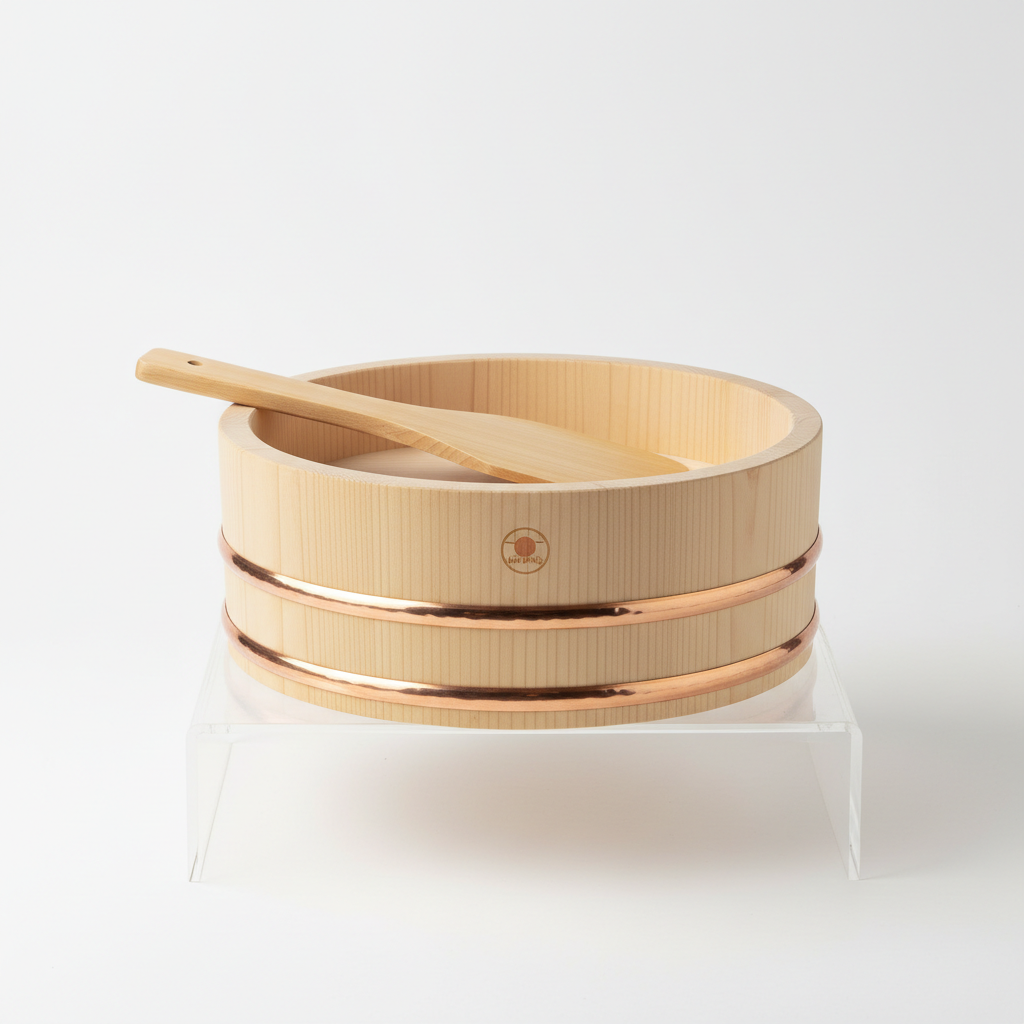
Once the rice has rested, transfer it to a large wooden or plastic bowl known as a hangiri (or another wide bowl if you don’t have one). Gradually drizzle the vinegar seasoning over the rice while using a wooden spatula or a rice paddle to fold the mixture into the rice delicately. Be careful not to mash the rice; instead, use a slicing motion to keep the grains intact.
Step 5: Cooling the Rice
As you mix the seasoning into the rice, it's essential to cool it down to room temperature. Traditionally, chefs use a fan to help cool the rice while mixing, giving it a beautiful sheen. If you don’t have a fan handy, simply allow the rice to sit and cool naturally while covering it gently with a damp cloth to prevent it from drying out.
“The art of sushi rice lies in its balance—each grain must hold its place yet melt in your mouth.”
Storing Sushi Rice
Short-Term Storage
Once your sushi rice is prepared, it’s essential to use it immediately for the best flavor and texture. However, if you find yourself with leftover rice, you can store it for a short period. Let it cool to room temperature and transfer it to an airtight container, keeping it in the refrigerator where it should be consumed within 24 hours.
Long-Term Storage
For longer storage, sushi rice can be frozen, but it’s important to do so correctly to maintain its quality. Spread the rice in an even layer on a baking sheet and freeze it until firm. Once frozen, transfer the rice to a freezer-safe bag or container. This way, you can defrost only what you need by gently reheating the rice covered with a damp paper towel in the microwave.
Reviving Leftover Rice
To revive leftover sushi rice, you can use the microwave. Place the rice in a microwave-safe bowl, add a splash of water, and cover with a damp paper towel. Heat in short intervals, stirring occasionally until warmed through. This method helps reintroduce moisture to the rice, bringing it closer to its original texture.
Troubleshooting Common Issues with Sushi Rice
Overcooked or Undercooked Rice
Cooking sushi rice can sometimes be tricky, and it's easy to end up with rice that's overcooked and mushy or undercooked and crunchy. To avoid overcooking, ensure you're measuring water accurately according to the rice-to-water ratio. If you happen to overcook it, try mixing in a bit of vinegar seasoning to add flavor and help it clump together better.
If your rice is undercooked, add a small amount of water and continue cooking it on low heat for an additional 5-10 minutes, covered. Allow it to rest afterward to let the grains finish cooking.
Too Sticky or Too Dry
The ideal sushi rice should be sticky enough to hold together, but if yours ends up too sticky, it could be a result of excess starch or not rinsing it thoroughly enough. Always rinse and soak your rice to avoid this. If it turns out too dry, you can try adding a bit of vinegar seasoning to improve the flavor and moisture.
Flavor Imbalance
If the flavor of your sushi rice is off—whether it’s too vinegary, sweet, or salty—the key is to adjust your ratio of vinegar, sugar, and salt. Taste the rice as you season it, making small adjustments based on your preference. Remember that sushi rice can also complement diverse fillings, so a slightly less seasoned rice can sometimes be ideal if the fillings are particularly flavorful.
“Mastering sushi rice is a journey—each try brings you closer to perfection.”
Sushi Rice and Its Role in Various Sushi Types
Classic Nigiri
Nigiri sushi consists of small mounds of sushi rice topped with a slice of fish or other seafood. The texture and flavor of the sushi rice play a crucial role here, as the soft yet firm base highlights the freshness of the topping. When forming nigiri, wet your hands to prevent sticking, and mold small, rice-shaped balls that allow the toppings to stay in place without overpowering them.
Maki Rolls
Maki sushi, or rolled sushi, wraps sushi rice around a filling—often fish, vegetables, or other ingredients—rolled in a nori sheet. Here, the sushi rice acts as a glue that holds the filling in place. The technique of rolling tightly but not crushing the rice and fillings ensures that every bite is a balanced explosion of flavors. Using the right amount of water during cooking helps maintain the roll's integrity and prevent it from falling apart.
Temaki (Hand Rolls)
For temaki rolls, the sushi rice must be extra sticky, as this hand-held style of sushi relies on the rice maintaining its shape without a supporting structure. When preparing temaki, it's also crucial to remember that you should fill and roll them just before serving to keep the nori crisp and the rice fresh.
Chirashi Sushi
Chirashi, or scattered sushi, presents a beautiful bowl of sushi rice topped with an assortment of ingredients. Here, it's essential that the rice is well-seasoned and fluffy, providing a flavorful base for the variety of textures and tastes that come from the toppings. This style offers cooks a great opportunity to be creative, allowing for seasonal ingredients to shine.
Conclusion
Mastering sushi rice is an essential skill for anyone aspiring to create authentic sushi at home. The delicate balance of flavors, the intricate techniques involved, and the cultural significance of sushi rice all intertwine to form a culinary experience that is deeply rewarding. As you begin to experiment with making sushi at home, remember that the journey of perfecting sushi rice can be just as gratifying as the final product itself.
With practice, patience, and a bit of attention to detail, you’ll create consistently delightful sushi rice that is sure to impress friends and family alike. Whether you’re whipping up a quick sushi meal for yourself or preparing for a festive gathering, great sushi rice will take your dishes to new heights. So go ahead, take that plunge into the world of sushi, and allow the rice to be your canvas for creativity!

Get the Next Recipe
Weekly recipes, techniques, and gear picks — straight to your inbox.
