Test
Cooking is often viewed as an art form, a delicate balance between technique and creativity, where flavors meld and transform into something extraordinary. For many, the kitchen serves as a sanctuary, a place where the hustle of daily life fades away and only the sizzle of ingredients and the rhythm of chopping fill the air. As home cooks delve deeper into the culinary world, they often seek guidance, tips, and tricks that can help them navigate this vast and sometimes overwhelming landscape. Whether you're a novice home cook or an experienced chef sharpening your skills, there’s always something new to learn to help elevate your dishes.
Many people aspire to cook not just out of necessity, but from a genuine passion for food and flavors. Each ingredient carries its unique story, a reflection of culture, tradition, and innovation. As you embark on your culinary journey, it's essential to understand the fundamentals of cooking, the science behind flavor pairings, and the precision involved in various techniques. Alongside mastering these elements, the love for cooking compels you to experiment, allowing you to put your own spin on classic recipes and develop your signature style.
In this blog post, we will explore essential tips and skills that every home cook should master to create flavorful, restaurant-quality dishes at home. From understanding the importance of mise en place to mastering the perfect sear, we will dive deep into various cooking techniques, ingredients, and methods that will help take your cooking to the next level. With each passing tip, you’ll find practical advice that can be immediately applied in your home kitchen, nurturing your growth and lending confidence as you whip up meals for family and friends.
The Importance of Mise en Place
Understanding Mise en Place
The French term mise en place translates to "everything in its place," and it’s a crucial concept in the world of cooking. This foundational principle emphasizes the preparation and organization of ingredients before you begin cooking. When you measure, chop, and organize all of your ingredients ahead of time, it streamlines your cooking process and minimizes the risk of mistakes.
Implementing mise en place is especially beneficial when working on intricate recipes with multiple components. Begin by gathering all the necessary ingredients—spices, herbs, vegetables, proteins—and washing, peeling, and chopping them as needed. By doing this, you ensure that you don't forget critical ingredients and have everything readily available, allowing you to focus solely on the cooking process.
Steps to Perfect Mise en Place
“A well-organized kitchen is a busy chef’s best ally. When every ingredient is at your fingertips, you create with flow.”
The Benefits of a Well-Executed Mise en Place
Having a well-executed mise en place minimizes stress and exhausts your time management. It dramatically improves efficiency, allowing you to add ingredients at the right moments without scrambling. Beyond mere convenience, mise en place fosters creativity, inspiring you to innovate as you notice how individual elements interact during the cooking process.
Moreover, mise en place guarantees consistency in cooking times and methods. For instance, if you slice vegetables into uniform sizes, they will cook evenly, leading to a better texture in your final dish. It teaches discipline and attention to detail, fundamental qualities in any culinary endeavor.
Mastering Heat Control
Understanding Different Cooking Temperatures
Heat control is perhaps the most vital skill a home cook can acquire. It enhances flavor development and texture, transforming raw ingredients into beautiful dishes. Understanding when to use high heat, medium heat, and low heat is paramount to achieving desired results.
Tips for Controlling Heat
“Learning to control the heat means you control the outcome. Do not rush; cooking is a journey best taken slowly.”
Practicing Heat Control with Various Techniques
Practicing heat management doesn't just mean adjusting stove settings; it involves utilizing different techniques.
By mastering heat control, you'll unlock an entirely new level of culinary skill and elevate the flavors in your dishes.
Knife Skills 101
Essential Knife Techniques
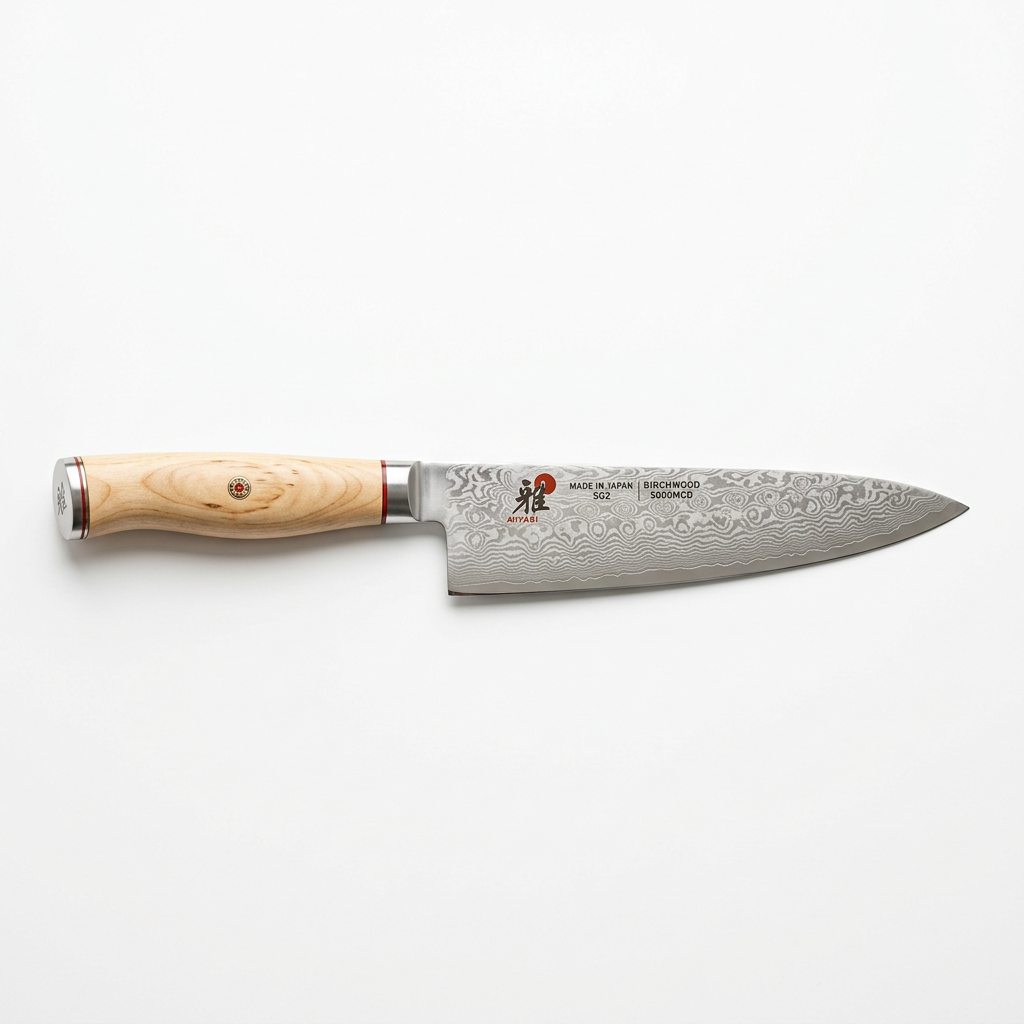
A sharp knife is every cook's best friend, and honing your knife skills will drastically improve your efficiency and safety in the kitchen. Beyond just cutting, there are essential techniques to master for preparing various ingredients. A few basic skills include:
Knife Safety Tips
“Having good knife skills means you’ll spend less time preparing and more time enjoying what you created. Precision matters.”
Caring for Your Knives
Proper knife maintenance is equally important as knowing how to use them. Regularly wash your knives by hand, avoiding the dishwasher to prevent dulling and damage. Additionally, store your knives safely to maintain their edges—magnetic strips or knife blocks work well.
Investing time in perfecting your knife skills will not only make you more efficient but will also instill confidence in your cooking abilities, allowing for more adventurous cooking.
Flavor Development and Seasoning
Building Flavor through Layers
Flavor development is essential to great cooking. Explore the process of creating depth in your dishes through layering flavors. Start with aromatics like onions, garlic, or ginger as your base, building a foundation for the complexities to follow.
Key Steps for Flavor Layering
“Layering flavors is like composing a symphony—each ingredient plays its part harmoniously.”
The Role of Salt
Salt serves as more than just a seasoning; it's a flavor enhancer and necessary in developing taste. Here are some pro tips for effective salt usage:
Other Aromatic Additions
To further enhance flavor, consider using acidic elements like vinegar or citrus to brighten dishes. They contrast beautifully with rich foods, increasing overall flavor dynamics.
Taste as You Cook: This fundamental habit allows you to adjust seasoning in increments, ultimately leading to a balanced end product that satisfies the palate.
Cooking Techniques for Perfect Proteins
Essential Cooking Methods for Meats
Mastering protein cookery opens up limitless possibilities in the kitchen. Different methods—grilling, roasting, sous-vide—each brings a unique textural outcome to your dishes. Here are a few must-know techniques:
Safety and Meat Temperature Guidelines
It’s crucial to observe safe cooking temperatures to ensure meat is safe for consumption.
| Type of Meat | Recommended Internal Temperature |
|--------------------------|----------------------------------|
| Ground meats | 160°F (71°C) |
| Poultry | 165°F (74°C) |
| Pork | 145°F (63°C) plus a 3-minute rest |
| Beef (steak) | 130°F (54°C) for medium-rare, 160°F (71°C) for medium |
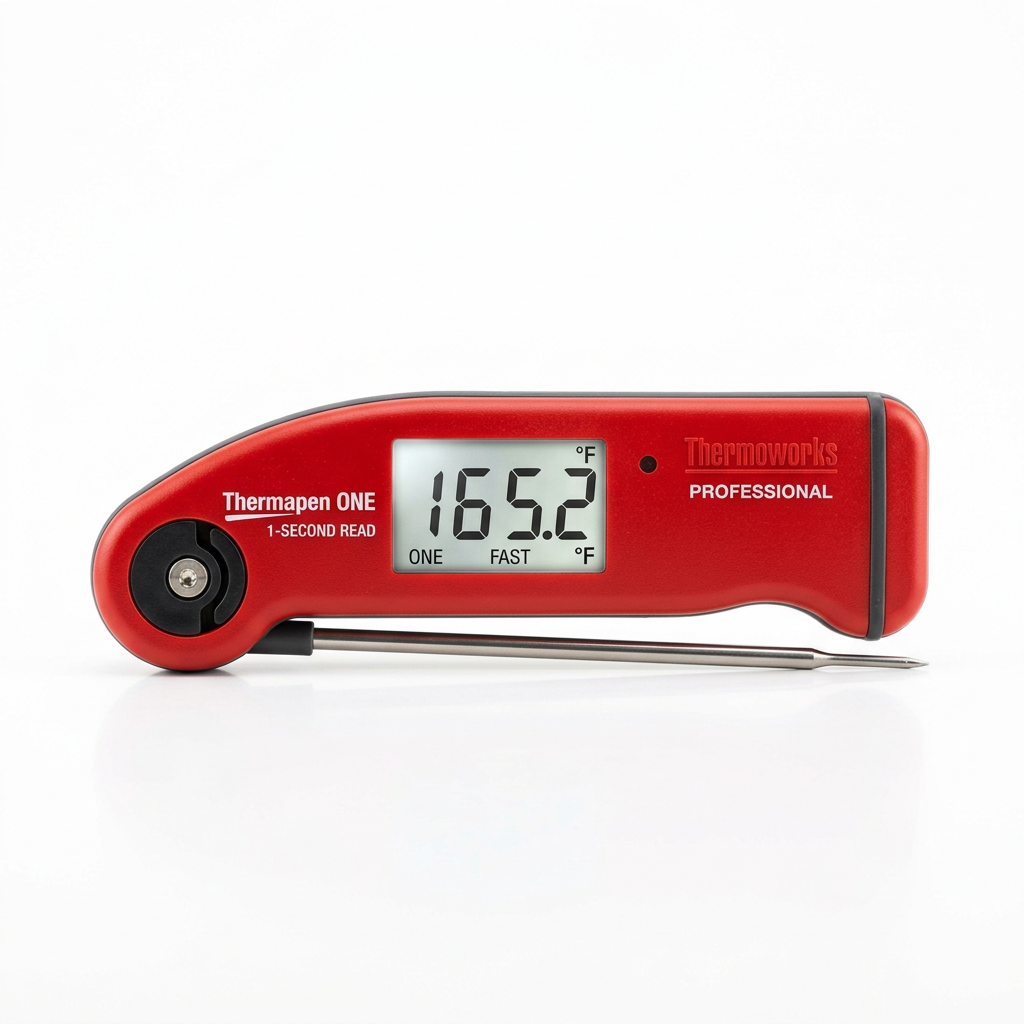
Using a reliable meat thermometer is the key to achieving these safe temperatures without overcooking.
Make-Ahead Proteins
Incorporating cooking strategies ahead of time can save you effort during busy weeknights. Consider batch-cooking proteins that can easily integrate into different meals, such as:
Setting aside time to prepare proteins can dramatically reduce daily cooking stress.
Innovative Sauces and Condiments
The Art of Sauce Making
Every great dish can be elevated by a well-crafted sauce. Sauces create depth and enhance the main component, so mastering a few classic techniques can expand your culinary repertoire. Here are a couple of essential sauce types:
Exploring Condiments
House-made condiments can add excitement to even the simplest of meals. Consider making your own:
Storing Sauces and Condiments
Investing in airtight containers for sauce storage preserves flavor and freshness. Label containers with dates to ensure you use them before they lose potency.
Plating and Presentation
The Importance of Visual Appeal
An often overlooked aspect of cooking is the presentation of a dish. As they say, we eat with our eyes first. The arrangement of food plays just as significant a role as flavor.
Essential Tips for Beautiful Plating
“Plating is an art. Take your time; a beautifully presented dish can amplify the overall experience.”
Garnishing with Purpose
Add garnishes that enhance the main ingredient's flavor profile, such as microgreens, sprigs of fresh herbs, or a sprinkle of high-quality olive oil. These thoughtful touches can transform your dish into something extraordinary.
The Plate as a Canvas
Think of your plate as a canvas; every dish you put forth is a reflection of your creativity. Each time you present a meal to others, you're sharing a part of yourself, so it makes sense to do so with care.
Conclusion
Embarking on a culinary journey is a rewarding experience filled with opportunities for growth, creativity, and delight. By focusing on essential techniques like mise en place, heat control, knife skills, flavor development, and thoughtful presentation, you will elevate your cooking to new heights.
Cooking is both a science and an art—practice, patience, and imagination will get you far. Experiment with techniques, embrace your unique style, and most importantly, don't be afraid to make mistakes; they are often the best teachers. As you continue to refine your culinary craft, remember that the heart of cooking lies in shared meals, the laughter and love that arise around the table.
So, roll up your sleeves and get to work; the adventure that awaits in your kitchen is just beginning.
Get the Next Recipe
Weekly recipes, techniques, and gear picks — straight to your inbox.
