Test Sous Vide
Sous vide cooking has become a cornerstone of contemporary culinary practices, embraced by both professional chefs and home cooks eager to elevate their kitchen skills. This technique, which refers to the French term meaning "under vacuum," involves vacuum-sealing food in bags and immersing it in a temperature-controlled water bath. The beauty of sous vide lies in its ability to consistently deliver perfectly cooked results with minimal fuss, offering home cooks an avenue to achieve restaurant-quality meals. Whether you're looking to prepare succulent steaks or delicate vegetables, mastering sous vide can transform your approach to cooking.
The versatility of sous vide is one of its most striking attributes. It can be applied to a myriad of ingredients, allowing for experimentation and creativity like never before. By eliminating the guesswork associated with traditional cooking methods, sous vide grants the chef confidence in the precision of temperature control. This precision not only guarantees that meats are cooked to the desired doneness without risking dryness but also allows fruits and vegetables to retain their vibrant colors and nutrients. The culinary possibilities are vast, making sous vide a technique worth mastering for anyone serious about home cooking.
However, despite its burgeoning popularity, many home cooks still remain wary of the sous vide method due to misconceptions and the reliance on specialized equipment. Thankfully, recent advancements have made sous vide accessible for everyone, even those without investment in traditional sous vide circulators. Immersion circulators have become more affordable, and some instant pots now come with sous vide functions. As we delve deeper into the intricacies of sous vide cooking, you’ll find that with a little guidance, you can become adept at this technique, embracing it to create memorable meals for family and friends.
What is Sous Vide Cooking?
Sous vide is a method of cooking that involves sealing food in a vacuum bag and immersing it in a water bath at a precise temperature for an extended period. This technique first gained popularity in the culinary world in the 1970s and has since revolutionized cooking practices. The key benefit of sous vide cooking is its ability to achieve consistent doneness like no other cooking technique. When cooking sous vide, the food is cooked evenly from edge to edge, preventing overcooking and ensuring that the desired temperature is achieved throughout the ingredient.
The process of sous vide begins with selecting the right temperature for your food. Each ingredient has its own ideal temperature range for optimal texture and flavor. For instance, beef steaks are typically cooked at 129°F to 134°F (54°C to 57°C) for medium-rare, while chicken breast benefits from being cooked at 140°F (60°C). This way, the meat not only cooks through but also becomes immensely tender, thanks to the low and slow cooking method.
Most sous vide dishes require a cooking time of at least one hour, but many benefit from even longer time frames, like a 24-hour bath for tougher cuts of meat, which allows the collagen to break down and yields a melt-in-your-mouth experience. The beauty of sous vide is that the food won't overcook as long as you stay within the temperature guidelines, so it’s a great method for busy cooks who want to set it and forget it.
Essential Equipment for Sous Vide Cooking
To embark on your sous vide journey, you need a few essential tools. While traditional sous vide setups can be an investment, with the right equipment, anyone can start sous vide cooking at home.
Immersion Circulator
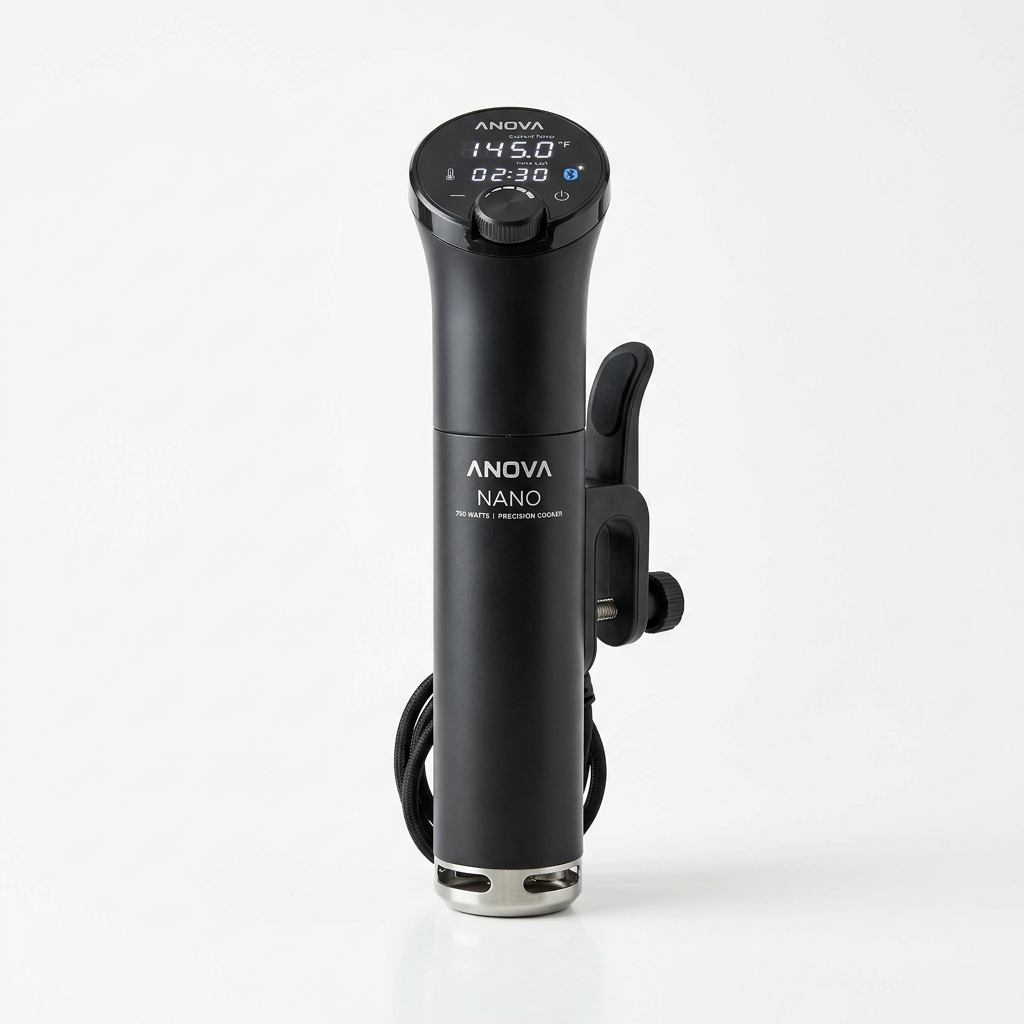
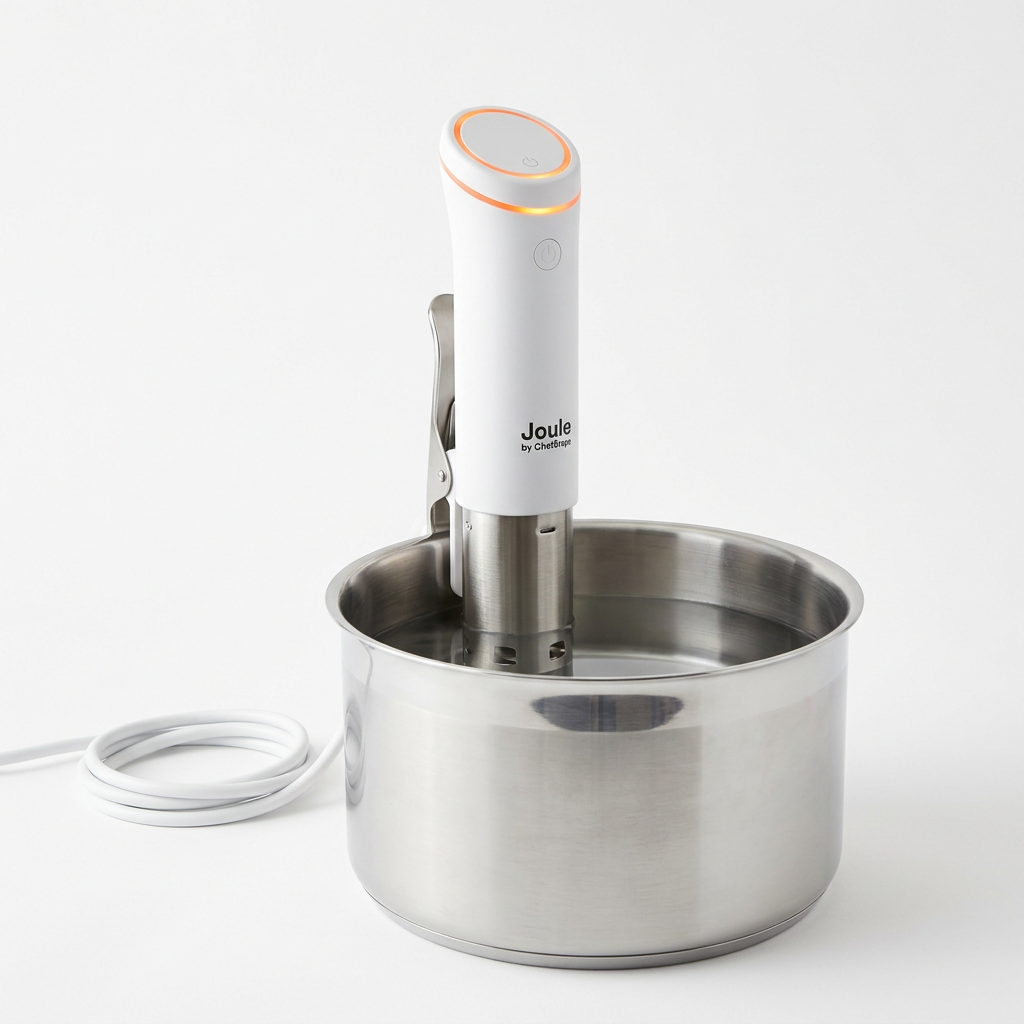
An immersion circulator is the most critical piece of equipment for sous vide cooking. This device heats the water while circulating it, ensuring an even temperature throughout the container. When selecting an immersion circulator, consider factors like temperature range, power, and ease of use. Some popular models on the market include the Anova Precision Cooker and the Joule by ChefSteps.
Vacuum Sealer
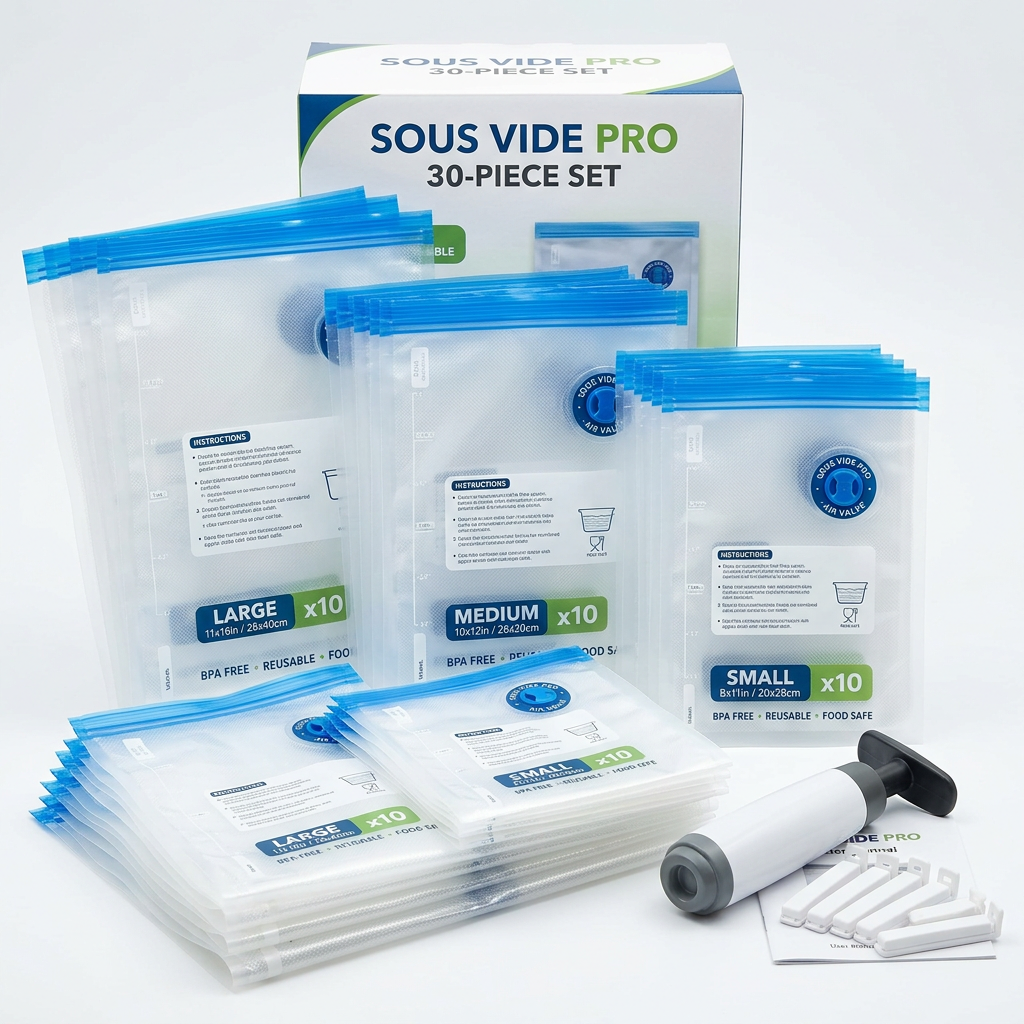
A quality vacuum sealer helps you seal the food in bags that fit perfectly in your water bath. While you can use zip-top bags, a vacuum sealer is essential for achieving a tight seal that prevents water from entering the bags. If you're on a budget, there are manual vacuum sealers available that can do the job without breaking the bank.
Sous Vide Containers
Using a container that can withstand prolonged heating is critical. Although the water bath can be created in pots, dedicated sous vide containers made from sturdy plastic or stainless steel are pre-insulated to maintain temperature for longer durations, making them ideal for sous vide cooking. Depending on the size of the portions you're cooking, choose containers with different depths and capacities.
Accessories
Preparing Food for Sous Vide
Preparation is a crucial step in sous vide cooking. The way you treat your ingredients can drastically affect the final meal. Here, we dive deeper into how to prepare food for sous vide:
Seasoning Techniques
When sealing food for sous vide, seasoning is essential for flavor enhancement. Since sous vide cooking retains more flavor than traditional methods, it’s best to go bold with your spices. Consider the following:
Basic seasoning steps:
Vacuum Sealing
Vacuum sealing is another crucial aspect of sous vide preparation. Proper sealing not only locks in flavors but also prevents moisture loss. Follow these steps for effective vacuum sealing:
Other Preparation Tips
Cooking Times and Temperatures
Understanding the appropriate cooking times and temperatures for various foods is key to mastering sous vide. These factors will determine the texture and doneness of your dishes. Here are standard temperatures and guidelines to follow:
Proteins
- Rare: 120°F (49°C), 1 to 2 hours
- Medium-rare: 129°F (54°C), 1 to 4 hours
- Medium: 140°F (60°C), 1 to 4 hours
- Medium: 145°F (63°C), 1 to 4 hours
- Tender cuts: 160°F (71°C), 1 to 2 hours
- 140°F (60°C), 1 to 4 hours
- 165°F (74°C) for food safety
- Salmon: 125°F (52°C), 45 to 90 minutes
- Tuna: 115°F (46°C), 1 hour
Vegetables
Cooking times for vegetables vary significantly, and using sous vide can help maintain their nutrients and colors. Common temperatures for vegetables include:
- 183°F (84°C), 45 to 90 minutes
- 185°F (85°C), 10 to 15 minutes
- 183°F (84°C), 1 to 2 hours, depending on size
Adjusting Cooking Times
Cooking times can vary based on the thickness and type of food you're working with. A thinner cut will require less time than a thicker one, and more delicate ingredients like fish or vegetables will need only short cooking times. Whenever you experiment, remember:
“Cooking sous vide is more about setting the temperature than timing—your ingredients do the rest in their own time.”
Finishing Techniques Post Sous Vide
While sous vide helps you achieve beautifully cooked dishes, finishing techniques are necessary to enhance flavors and add texture. Simple searing or broiling can elevate your dish post sous vide.
Searing
After removing food from the water bath, searing is essential, especially for meats, to develop a delicious crust. Here’s how to do it effectively:
Broiling
For a slightly different finish, broiling can enhance the flavor and provide charring, ideal for fish or vegetables. Set your broiler to high, place the food on an oven-safe pan, and watch closely, as broiling can cook quickly.
Sauce and Accompaniments
Consider utilizing cooking juices or the flavors from the sous vide bags to create sauces. For example:
Additionally, pairing sous vide proteins with complementary sides will enhance the meal:
The Benefits of Sous Vide Cooking
Understanding the advantages of sous vide cooking can inspire you to explore this technique further. Here are key benefits:
Consistency
One of the most praised aspects of sous vide is its consistency. Your food will come out perfectly cooked every single time. The temperature regulation leaves little room for surprise, meaning you can replicate the same success as many times as you like without worrying about variability.
Control
Sous vide gives you control over the cooking process, allowing for greater precision, particularly with meats. By setting a specific temperature, you can ensure the outcome matches your expectations perfectly.
Nutrient Retention
When cooking sous vide, the method usually retains more nutrients compared to simple boiling or roasting. Since the food is sealed, vitamins and minerals remain intact, delivering not just flavor but also health benefits.
Flavor Enhancement
The vacuum-sealed environment allows flavors to intensify without risk of evaporation, thus infusing the food with rich aromas and tastes, often enhanced with added herbs and spices during the sous vide process.
Mistakes to Avoid
Every technique has its pitfalls, and sous vide is no exception. Here are some common mistakes to avoid:
Overcooking
It might seem counterintuitive, but while under-cooking isn't an issue with sous vide, overcooking can happen if you go beyond the recommended cooking times. Pay attention to thickness and check your food as it nears completion to prevent mushiness.
Using Thin Plastic Bags
Utilizing inappropriate bags can lead to melted plastic into your food. Ensure that the bags you choose are specifically designed for sous vide cooking—preferably BPA-free.
Skipping Preliminary Steps
Quick-searing or not seasoning beforehand can sacrifice the final product. Always take a moment to pat down proteins and season thoroughly for maximum flavor.
Conclusion
With careful attention to detail and a willingness to experiment, sous vide cooking can be a transformative technique in your culinary repertoire. From perfectly cooked meats to vibrant vegetables, sous vide opens up a world of possibilities for home cooks. As you navigate through temperatures, timings, and preparations, you’ll find that standard cooking methods have their limitations and that sous vide elevates the art of cooking to new heights.
By investing in the right equipment, embracing thoughtful preparation, and implementing finishing techniques, you are well on your way to mastering sous vide. So, whether you're preparing a weekday dinner or a special occasion feast, sous vide can guarantee delicious and consistent results. So get your immersion circulator out, and start experimenting with different recipes and ingredients — cooking sous vide may just become your new favorite way to cook.
Get the Next Recipe
Weekly recipes, techniques, and gear picks — straight to your inbox.
