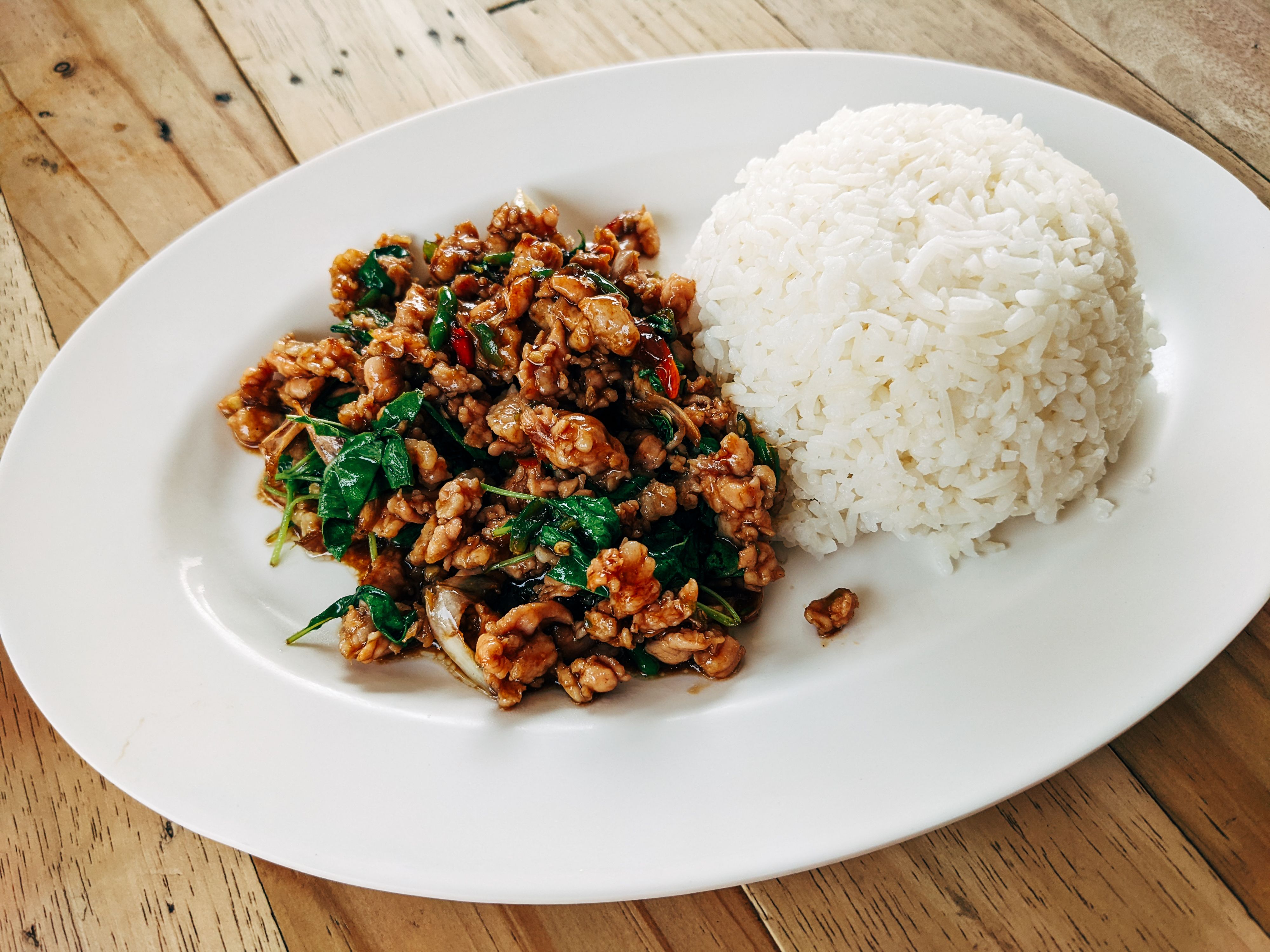
Thai Basil: The Essential Ingredient That Transforms Southeast Asian Cooking
Thai basil is a vibrant herb that holds a revered spot in the pantheon of Southeast Asian ingredients. Known for its distinctive aroma and sweet-spicy flavor profile, it brings a unique touch to a myriad of dishes, elevating simple meals into extraordinary creations. While many households rely on sweet basil or other common herbs in their cooking, incorporating Thai basil can unleash a world of flavors that not only complement but also transform many traditional recipes. As this exquisite herb gains popularity outside its native region, understanding its characteristics, uses, and cultivation can greatly enhance any home cook’s repertoire.
The allure of Thai basil lies in its complex notes—a delightful combination of licorice, anise, and a hint of spice. These pronounced flavors add depth to stir-fries, salads, soups, and curries, setting Thai basil apart from its more commonly used cousins. It's perfect for Thai, Vietnamese, and even some Indian dishes, making it a must-have in any Southeast Asian-inspired kitchen. Whether you are whipping up a classic Pad Thai or a fresh summer roll, the aromatic essence of Thai basil will leave your diners intrigued and satisfied.
Moreover, this herb is not just reserved for traditional Asian recipes. Innovative chefs and home cooks alike are exploring ways to incorporate it into modern cooking styles—from pesto and dressings to cocktails and desserts. Educating oneself on the versatility and proper handling of Thai basil is essential for achieving the best results in your culinary adventures. So, let's delve deeper into the essential aspects of this herb and discover how to harness its full potential.
Understanding Thai Basil: A Botanical Overview
The Origins and Varieties of Thai Basil
Thai basil, scientifically known as Ocimum basilicum var. thyrsiflora, is part of the mint family, sharing its lineage with other familiar herbs like sweet basil. Native to Southeast Asia, it flourishes in warm, humid climates, making it a staple in many Thai and Vietnamese recipes. Unlike typical sweet basil, often used in Mediterranean cuisines, Thai basil features darker green leaves, purple stems, and small, white-to-purple flowers. Its robust flavor and scent are attributed to the high levels of anethol and eugenol present in the leaves.
Several varieties of Thai basil are available, each with its own unique traits. The most popular include:
Learning about these varieties opens up a trove of flavor options for culinary experimentation.
Flavor Profile and Aroma
The flavor of Thai basil is one of its most captivating qualities—a complex blend that poetically dances on the palate. The sweetness is often heightened when paired with spicy elements, reflecting the yin-yang balance prevalent in many Southeast Asian dishes. Thai basil is also known for its peppery finish, which can add an exciting zest to food.
To visualize it, consider the difference between sweet basil and Thai basil: while sweet basil has its pleasant flavors, the latter packs a punch with an assertive aroma that is both floral and spicy. Many people describe its scent as reminiscent of licorice, and this aromatic property is a crucial factor when considering balance in your dishes. The harmony between sweet, spicy, and bitter is something to keep in mind when pairing Thai basil with other ingredients.
Culinary Uses of Thai Basil
In Traditional Dishes
Thai basil shines brightly in a plethora of home-cooked and street food dishes around Southeast Asia. Its primary role often appears in stir-fries, soups, salads, and curries. Each dish benefits from the herb's unique flavor, which enhances and reconciles other elements like meat, fish, and vegetables.
#### Stir-Fries
When using Thai basil in stir-fries, it is essential to add it toward the end of the cooking process. Here’s how to properly incorporate it:
Example Dish: One popular choice is Pad Krapow Moo, a stir-fried dish featuring minced pork, green beans, and plenty of chili, finished with a generous handful of Thai basil for that aromatic finish.
#### Soups and Curries
Thai basil is also an essential component in many soups and curries. When simmered in broth or coconut cream, its flavors can meld beautifully with other ingredients.
Example Dish: Thai Green Curry is a perfect representation of this usage. Creamy coconut milk, vibrant veggies, and the freshness of Thai basil create a beautiful dish ready to serve with steamed jasmine rice.
“Thai basil is not just an ingredient; it’s an experience that transforms a dish into an aromatic adventure, inviting diners to savor each bite.”
In Modern Recipes
In the pursuit of culinary innovation, Thai basil is finding its way into contemporary cooking like never before. Here are a few creative ways to utilize it:
#### Salad and Dressings
Imagine a fresh, vibrant salad where traditional components get a Thai twist. Including Thai basil in salads elevates flavor and authenticity. For dressings, blend Thai basil with olive oil, lemon juice, salt, and honey for a fragrant vinaigrette that harmonizes beautifully with greens, fruits, and nuts.
Recipe for Thai Basil Vinaigrette:
- 1 cup fresh Thai basil leaves
- 1/2 cup extra virgin olive oil
- 1/4 cup rice vinegar
- 2 tablespoons honey
- Salt and pepper to taste
1. Combine all the ingredients in a blender.
2. Pulse until the mixture is smooth.
3. Adjust seasoning to taste. Use immediately or refrigerate for up to one week.
#### Infused Oils
Thai basil-infused oils can create a sophisticated finishing touch for many dishes. Drizzle it over grilled vegetables, fish, or pasta to introduce a punch of flavor.
How to Infuse Oil:
- 1 cup extra virgin olive oil
- 1 cup fresh Thai basil
- 1-2 garlic cloves (optional)
- Heat the oil gently in a saucepan over low heat.
- Add the Thai basil leaves and garlic, if using.
- Allow it to simmer for about 10–15 minutes without boiling.
- Remove from heat and let cool. Strain the oil into a clean bottle.
Infused oils can also lend themselves beautifully to marinades or dipping sauces.
Beverages and Desserts
Expanding on the versatility of Thai basil, some innovative chefs have begun to implement it in drinks and desserts:
#### Cocktails
Thai basil can bring a fresh dimension to cocktails, particularly those featuring spirits like gin or vodka.
Thai Basil Gin Fizz Recipe:
- 2 oz gin
- 1 oz fresh lime juice
- 1 oz simple syrup
- Fresh Thai basil leaves
- Soda water
1. Muddle a few basil leaves with gin, lime juice, and simple syrup in a shaker.
2. Add ice and shake vigorously for about 15 seconds.
3. Strain into a glass filled with ice and top with soda water. Garnish with a basil sprig.
#### Desserts
Yes, you read that right! Thai basil can even shine in desserts. Infusing sorbets or creams with Thai basil lends an unexpected flavor surprise.
Thai Basil Sorbet Recipe:
- 1 cup fresh Thai basil leaves
- 1 cup water
- 1 cup sugar
- 1/2 cup lemon juice
1. Bring the water to a simmer and add the sugar until dissolved.
2. Add basil leaves and remove from heat. Let steep for 30 minutes.
3. Strain, and combine with lemon juice. Freeze according to your ice cream maker’s instructions.
Through these innovative uses, Thai basil demonstrates its remarkable versatility, making it a hospitable guest in both savory and sweet dishes.
How to Store and Preserve Thai Basil
Fresh vs. Dried
When it comes to preserving the essence of Thai basil, freshness is always preferred. Leaving it whole until you need it increases its longevity significantly. The difference in flavor between fresh and dried Thai basil is stark; while dried basil can substitute in a pinch, it doesn’t hold up against fresh when it comes to aroma and taste.
Storage Techniques
Refrigeration: Store fresh Thai basil in the refrigerator with the stems submerged in water, much like flowers in a vase. Cover loosely with a plastic bag. This method keeps the leaves hydrated and less prone to wilting.
Freezing: For long-term storage:
Drying Techniques
If you prefer to dry your Thai basil to keep it available in your pantry, follow these steps:
Growing Thai Basil at Home
Best Conditions for Growth
Growing Thai basil at home can be a delightful endeavor, allowing you to have fresh leaves available for culinary experiments. Start with seeds or small plants from your local nursery.
#### Soil and Location
Choose a well-draining potting mix and ensure the location receives 6 to 8 hours of sunlight daily. Thai basil thrives in warm conditions with temperatures between 70°F to 85°F (21°C to 29°C), so consider growing indoors during colder months or in a greenhouse if you live in a cooler climate.
Care and Maintenance
Regularly check for pests and water the plants daily, ensuring the soil remains moist but not waterlogged to prevent root rot. Pinching the tops helps promote bushy growth and ensures a steady supply of fresh leaves.
Harvesting Techniques
Harvesting Thai basil is straightforward. Gently snip off stems for cooking, making sure to leave a few sets of leaves for continued growth. Ideally, you should harvest in the morning when the oils are most concentrated.
Note: Regular harvesting prevents flowering, which can divert energy away from leaf production and cause the plant to become bitter.
Conclusion
Thai basil is an invaluable herb that elevates Southeast Asian culinary experiences. From its fragrant aroma and delightful flavor to its adaptability in both traditional and modern dishes, learning to use this wonderful ingredient can enhance any dish you create. As you master the principles surrounding its culinary applications, consider incorporating it into various recipes—from stirring up a spicy Pad Krapow to inventing a refreshing Thai basil-infused cocktail.
By understanding how to properly store and preserve Thai basil, as well as the ins and outs of growing it at home, you'll empower yourself to make this herb a constant presence in your cooking. Whether for your table or for special gatherings, let Thai basil transform your dishes, offering bright flavors and captivating aromas that bring your meals to life.
In your journey of flavors, remember that each ingredient has the power to inspire and innovate. Thai basil, with its unique characteristics and versatility, serves as a perfect example. So, seize the opportunity to explore, experiment, and indulge in the magic of this essential Southeast Asian ingredient, and don't forget to share your creations with friends and family—good food is always meant to be enjoyed together!
Get the Next Recipe
Weekly recipes, techniques, and gear picks — straight to your inbox.
