Thai Basil vs Italian Basil: Flavor Profiles and Kitchen Applications
When discussing the world of culinary herbs, two varieties often come up in conversation due to their popularity and distinct characteristics: Thai basil and Italian basil. Both of these fragrant herbs add unique flavors and aromas to various dishes, but their profiles and uses are distinct enough to warrant a closer look. Understanding the differences between these two types of basil can transform your cooking, allowing you to incorporate them in ways that truly complement the dishes you prepare.
Thai basil, known scientifically as Ocimum basilicum var. thyrsiflora, is characterized by its slightly spicy flavor, reminiscent of licorice or anise. It boasts gorgeous purple stems and dark green, glossy leaves, making it a visually appealing addition to any garden or kitchen. This variety thrives in warm conditions and is essential in many Southeast Asian cuisines, particularly in Thai and Vietnamese dishes. Its robust flavor holds up well during cooking, making it a preferred choice for stir-fries, soups, and curries.
In contrast, Italian basil (Ocimum basilicum) has a sweeter, more aromatic profile with hints of clove and pepper. Its bright green leaves are softer and broader than those of Thai basil, and it is often used fresh to elevate the taste of Mediterranean dishes, particularly in Italian cuisine. Italian basil shines in salads, pesto, and tomato-based sauces, retaining its delicate qualities when used fresh or gently cooked. While both herbs belong to the same family, their culinary applications reflect their unique flavors and regional popularity.
As more home cooks seek to refine their skills and explore international cuisines, the knowledge of these two types of basil becomes increasingly useful. Whether you are making a fragrant Thai curry or a classic Margherita pizza, understanding how to use Thai and Italian basil to highlight your dishes will enhance your culinary repertoire. In this post, we will explore the flavor profiles of both types of basil, their ideal kitchen applications, as well as some chef tips to master their use in your cooking.
Flavor Profiles of Thai and Italian Basil
To elevate your cooking, it's essential to start with a deep understanding of the flavor profiles of both Thai and Italian basil. Each variety offers a unique character that can transform a dish from good to exceptional.
Thai Basil: Spicy and Robust
Thai basil has a unique flavor that can be described as a blend of spiciness and sweetness. Its anise and licorice notes make it a versatile ingredient in various Thai recipes, where the intention is to create a complex taste experience. The flavor remains vibrant even when exposed to heat, which allows it to mingle beautifully in cooked dishes.
- Appearance: Dark green leaves with a purple stem.
- Aroma: Sweet and spicy, reminiscent of licorice.
- Taste: Bold, slightly peppery, with hints of anise.
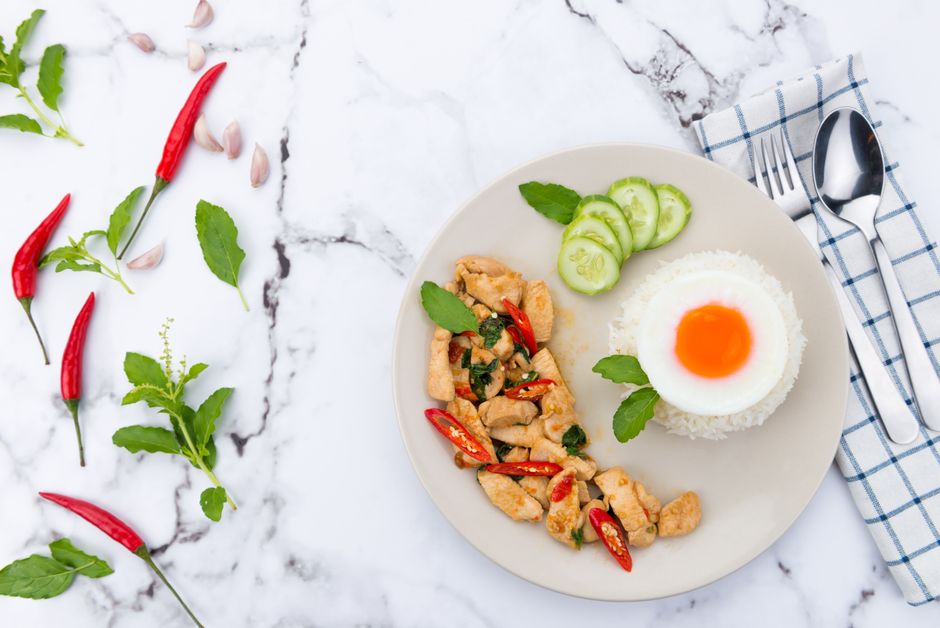
These flavor notes make Thai basil particularly well-suited for dishes such as Pad Krapow Moo (stir-fried pork with Thai basil) and Tom Yum Goong (spicy shrimp soup). The robust nature of Thai basil means it can withstand the strong flavors of chilies and garlic, enhancing the overall profile of the dish.
Italian Basil: Sweet and Aromatic
Conversely, Italian basil is prized for its sweetness, making it a beloved herb in Mediterranean cuisine. It has a lighter profile than Thai basil, favoring freshness and delicacy over spice. Its availability and adaptability have made it a staple in Italian kitchens, known for brightening up rich sauces and enhancing salads.
- Appearance: Soft, bright green leaves with a rounded shape.
- Aroma: Fresh, herbal scent with floral undertones.
- Taste: Sweet, slightly peppery, with a mild clove flavor.
You'll often find Italian basil featured in dishes like Pesto alla Genovese, where its flavor elevates the fresh basil, Parmesan, and garlic mixture, or in a classic Caprese salad, pairing beautifully with ripe tomatoes and fresh mozzarella.
"The contrast between spicy Thai basil and sweet Italian basil highlights the diverse culinary traditions of our world. Elevate your dishes by knowing when to use each variety."
Culinary Applications
Understanding the unique flavor profiles of Thai and Italian basil is one thing; knowing how to apply them in your kitchen is another. Here, we'll explore various culinary applications of both herbs, highlighting their versatility and regional specialties.
Cooking with Thai Basil
Thai basil’s adaptability makes it an essential ingredient in several Thai dishes. It plays a vital role in the balance among spicy, sweet, sour, and salty flavors reminiscent of Southeast Asian cuisine.
#### Traditional Dishes Featuring Thai Basil
#### Cooking Techniques for Thai Basil
Cooking with Italian Basil
Italian basil is cherished for its fresh, sweet taste and versatility in Mediterranean cuisine. This herb brings forth a refreshing quality that can brighten a dish with minimal effort.
#### Traditional Dishes Featuring Italian Basil
#### Cooking Techniques for Italian Basil
"Adding Thai basil to your cooking shows respect for the ingredients’ origins and an understanding of their regional applications. Use basil as a bridge between cultures in your cooking."
Substituting and Pairing with Other Herbs
Not every dish will call for Thai or Italian basil. Sometimes, you might find yourself in need of a substitution or looking to pair these herbs with others. Knowing which herbs can complement or substitute for basil will elevate your cooking and enhance flavor profiles.
Substituting Thai Basil
While no herb exactly replicates the spicy and slightly sweet flavor of Thai basil, there are a few alternatives that work well:
Pairing Thai Basil with Other Ingredients
Thai basil pairs beautifully with a range of ingredients, and understanding these combinations can keep your cooking exciting:
Substituting Italian Basil
When you don’t have Italian basil on hand, consider these alternatives:
Pairing Italian Basil with Other Ingredients
To create delicious Mediterranean dishes, combine Italian basil with complementary ingredients:
Nutrition and Health Benefits
Both Thai and Italian basil offer substantial benefits beyond their delightful flavors. These basil varieties are rich in antioxidants and contain vitamins that can contribute to a healthy diet.
Nutritional Highlights
- Vitamin K: Supports bone health and assists in blood clotting.
- Antioxidants: Contains essential oils that have anti-inflammatory properties.
- Vitamin A: Promotes healthy vision and immune function.
- Vitamin K: Contributes similarly to bone and heart health.
- Essential Oils: The oils in basil can help fight oxidative stress, maintaining overall cellular health.
- Iron and Calcium: Supports metabolism and bone structure.
Health Benefits of Incorporating Basil
Incorporating Thai and Italian basil regularly into your meals not only elevates flavor but also promotes health:
Fresh vs. Dried Basil: Best Practices
While fresh basil is often preferred for its vibrant flavor and aroma, dried basil also has its place in cooking. Understanding when to use each type can significantly enhance your dishes.
Fresh Basil: A Culinary Staple
Using fresh basil is generally recommended for most applications, especially low-heat or no-heat dishes. To keep fresh basil on hand:
Dried Basil: Convenience for Cooking
While less flavorful than fresh basil, dried basil can be convenient for slow-cooked dishes:
"Fresh basil offers vibrancy and brightness, while dried basil is a handy shortcut that brings depth to long-cooked recipes."
Conclusion
In the grand tapestry of world cuisine, the distinctions between Thai basil and Italian basil are beautifully woven into the culinary narrative. Armed with this knowledge, you can elevate your dishes by choosing the right basil for the job, enhancing both the flavor and authenticity of your meals. Whether crafting a spicy Thai curry or a classic Italian pasta dish, the right basil can make a world of difference.
Experiment with both fresh and dried forms of these herbs, and don’t hesitate to get creative by combining them with other ingredients. The versatility allows for fresh twists on traditional recipes, all while maintaining respect for the significant culinary heritage each variety brings to your kitchen. Use this guide to inspire your cooking, and let the vibrant and diverse flavors of Thai and Italian basil transform your meals into memorable culinary experiences.
As you cook, remember that food is not merely a set of ingredients; cooking is an art that allows you to express your love of diverse flavors and cultures. By exploring Thai and Italian basil's unique qualities, you'll not only enhance your culinary skills but also bring a piece of each region's culinary culture to your table. Embrace these herbal gems and allow them to flourish in your cuisine—your palate will undoubtedly thank you.


Get the Next Recipe
Weekly recipes, techniques, and gear picks — straight to your inbox.
