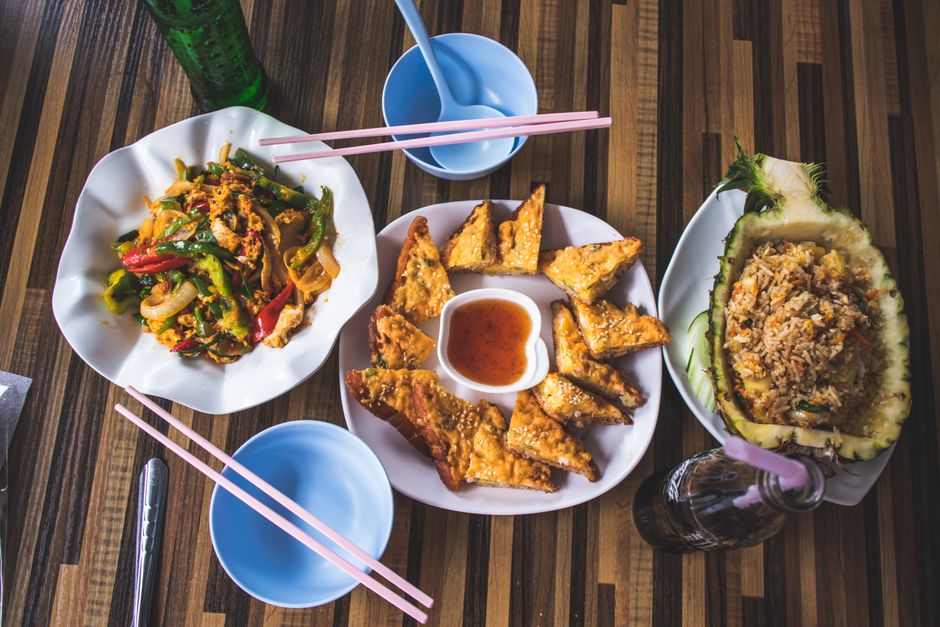
Thai Cuisine Deep Dive: Balancing Sweet, Sour, Spicy, and Salty
To understand Thai cuisine is to embark on a sensory expedition that transcends the mere act of eating. It is a philosophy of balance, a delicate dance where the foundational elements of sweet, sour, spicy, and salty harmonize to create something far greater than the sum of its parts. Unlike many Western culinary traditions that rely on long, slow braises or heavy fats, Thai cooking is defined by its immediacy, intensity, and the vibrant freshness of its ingredients. For the home cook, mastering this style requires a shift in perspective, moving away from rigid recipes toward an intuitive understanding of how flavor profiles interact on the palate. When you step into a Thai kitchen, you are stepping into a realm where the cook is less of an architect and more of a conductor, constantly adjusting the tempo of acidity and heat to achieve a perfect, resonant chord.
At the heart of every Thai dish lies the Nam Prik—the quintessential chili paste—and the foundational seasoning trifecta of fish sauce, lime juice, and palm sugar. These ingredients are not merely additions; they are the pillars upon which the entire structure of the cuisine rests. Learning to balance them is the primary hurdle for any aspiring chef, yet it is also the most rewarding. Whether you are crafting a simple Som Tum (papaya salad) or a complex Gaeng Keow Wan (green curry), the ability to taste and adjust in real-time is the hallmark of professional excellence. We often blame the chef for a dish that falls flat, but the truth is that the chef is the one who must possess the courage to add that extra dash of tamarind or a pinch more salt to bring the flavors into alignment.
This deep dive is designed for those who refuse to settle for takeout-style interpretations and are ready to embrace the authentic soul of Southeast Asian gastronomy. We will deconstruct the essential techniques, examine the chemistry behind the flavor pairings, and provide you with the professional insight necessary to elevate your home-cooked meals to restaurant-quality status. From the precise temperature control needed for the perfect wok hei to the selection of the correct aromatics, every detail matters. By the end of this journey, you will no longer look at a recipe as a static set of instructions, but as a roadmap to creating authentic Thai brilliance in your own kitchen. Prepare your workspace, sharpen your knives, and get ready to transform your understanding of what true flavor balance actually means.
The Foundations of Thai Flavor Profiles
The bedrock of Thai cooking is built upon the interaction between four primary taste groups. In Western kitchens, we often think in terms of balancing fat and salt, but in the Thai culinary tradition, the interplay is more intricate. The goal is a profile that hits the tongue with a sharp sourness, follows with a deep saltiness, provides a rounded sweetness, and concludes with a lingering spiciness. Achieving this balance requires constant tasting, as the quality of produce—especially limes and chilies—varies significantly by season.
The Role of Fish Sauce (Nam Pla)
Fish sauce is the lifeblood of Thai cuisine, providing the essential umami backbone that elevates every dish. When purchasing fish sauce, look for brands that list only two or three ingredients: anchovies, salt, and perhaps a small amount of sugar. The best-quality fish sauces have a clear, amber color and a deep, fermented complexity. Never view fish sauce as merely a "salty" addition; it is an aromatic amplifier that bridges the gap between the vegetable elements and the protein.
The Acidic Edge
Acidity in Thai food is typically provided by lime juice, tamarind pulp, or occasionally rice vinegar. While lime juice offers a bright, floral top note that is ideal for salads and soups, tamarind provides a deeper, fruitier, and more rounded acidity. When using lime juice, always squeeze it at the very end of the cooking process. High heat causes the essential oils in the lime juice to turn bitter, effectively ruining the delicate top notes that you worked so hard to preserve.
The secret to Thai flavor is not in following the recipe to the letter, but in trusting your tongue to balance the acidity against the heat. If it tastes one-dimensional, it is almost always missing a bridge between the salt and the sour.
Mastering the Wok and Heat Management
The wok is the heartbeat of the Thai kitchen, a tool that facilitates the high-heat cooking technique known as wok hei, or "breath of the wok." This term refers to the charred, smoky aroma that is imparted to food when it is cooked at extremely high temperatures in a seasoned carbon steel wok. For the home cook, the primary challenge is the limited power of residential burners. To compensate for this, you must learn to manage your heat and cook in small, manageable batches to prevent the pan from cooling down too rapidly.
Choosing and Seasoning Your Wok
For authentic Thai cooking, a thin, hand-hammered carbon steel wok is vastly superior to any non-stick or heavy cast iron alternative. Carbon steel responds almost instantly to temperature changes, allowing you to sear ingredients in seconds. Before your first use, you must properly season the wok by heating it until it changes color and wiping it with a thin layer of high-smoke-point oil. This creates a natural, non-stick surface that will improve with age and use.
The Technique of Stir-Frying
When stir-frying, preparation is everything. Because the cooking process occurs at such high speeds, every ingredient—garlic, ginger, chilies, protein, and vegetables—must be prepped, chopped, and measured before the flame is lit. Start by heating your oil until it reaches the shimmering point. Add your aromatics first, letting them infuse the oil for no more than 15 to 20 seconds, before adding your protein. The goal is to brown the outside while keeping the inside succulent and tender.
The Chemistry of Curries
Thai curry is entirely distinct from its Indian counterpart, relying on fresh curry pastes made from raw aromatics rather than dried spices. A proper Thai curry paste consists of galangal, lemongrass, kaffir lime zest, coriander root, shallots, garlic, and an abundance of fresh green or red chilies. The process of making these pastes in a heavy granite mortar and pestle is not just a traditional labor of love; it actually results in a better texture and a more vibrant flavor profile than using a food processor.
Balancing the Coconut Milk
Coconut milk acts as the rich, fatty medium that carries the intensity of the chili paste. When working with coconut milk, you must learn how to "crack" the cream. By heating the thickest part of the coconut milk in your wok until the oil separates and begins to bubble, you create a concentrated fat base that will fry the curry paste perfectly. This step, known as phat phrik kaeng, is the definitive difference between a watery, bland curry and one that is layered and complex.
Essential Curry Components
Galangal:* Often confused with ginger, this rhizome provides a sharper, more piney and citrusy flavor that is essential for authentic depth.
Kaffir Lime Leaves:* These are the most aromatic components of any curry; they should be bruised before being added to release their essential oils.
Thai Basil:* Always fold this in at the very last second, as it wilts instantly and loses its characteristic anise-like fragrance when overcooked.
You cannot rush a Thai curry. If you do not give the curry paste enough time to fry in the coconut cream, the final dish will taste raw and aggressive, lacking that essential, harmonious integration of flavors.
The Art of the Herb and Aromatic Profile
In Thai cuisine, herbs are not merely garnishes; they are primary ingredients that define the palate. The use of fresh cilantro, Thai basil, mint, and sawtooth coriander provides a level of aromatic lift that is unparalleled. Understanding when to use which herb is crucial for success. For example, while cilantro stems should be pounded into your curry pastes for their intense flavor, the leaves should be reserved for finishing a dish to maintain their delicate structure and color.
The Importance of Corriander Root
If you can find cilantro with the roots attached, buy it. The roots are incredibly potent and contain more flavor than the leaves and stems combined. Finely mincing the cleaned roots and adding them to your garlic and chili base creates a flavor bridge that connects the heat of the chilies to the earthy notes of the protein. This is a "pro" secret that separates good home cooking from truly expert-level Thai prep.
Managing Aromatics
Aromatics like garlic and shallots must be treated with care. They burn easily at the high temperatures required for stir-frying. If you are using a very hot wok, add your aromatics for only a moment—just until they release their fragrance—before immediately adding the next ingredient. This prevents the bitter, burnt aftertaste that often ruins otherwise delicious stir-fries.
Advanced Techniques: Soups and Salads
Thai soups, such as the famous Tom Yum Goong, are a masterclass in layering. They are not built through long simmering, but through the precise timing of ingredient additions. The sourness must be sharp but clean, and the heat should be immediate but not overwhelming. Meanwhile, Thai salads (the Yum category) depend entirely on the balance of the dressing. A classic dressing is made by whisking together equal parts fish sauce, lime juice, and palm sugar, then adjusting to taste based on the acidity of the limes.
The Secret to Tom Yum
For a perfect Tom Yum, focus on the infusion. First, boil your aromatics—lemongrass stalks, bruised galangal, and kaffir lime leaves—in a high-quality chicken or shrimp stock. Once the broth is deeply fragrant, strain out the solids (or leave them in for a rustic presentation). Only then do you add your protein and the final flavorings, like fish sauce, chili jam, and lime juice. Important: Never boil the soup once the lime juice has been added, as the heat will turn the lime juice unpleasantly acidic and flat.
Texture in Salad Prep
Texture is vital in Thai salads. Your ingredients should be crisp, crunchy, and freshly sliced. If using green papaya, ensure you have used a mandoline or a heavy knife to get fine, uniform strands. If you are using a mortar and pestle to combine your salad ingredients, use a gentle touch. You want to bruise the ingredients so that they absorb the dressing, not turn them into a mushy paste.
Essential Pantry Staples for the Thai Chef
To cook consistently good Thai food, you must maintain a well-stocked pantry of specific staples. Relying on grocery store generic brands will limit the potential of your dishes. Seek out specialized Asian markets where you can find high-quality ingredients that retain their essential oils and potency. A pantry that is ready to go means you are more likely to cook authentic meals during the week, rather than defaulting to simpler, less inspired alternatives.
The Pantry Checklist
Fish Sauce:* Invest in a premium fermented sauce.
Palm Sugar:* Buy the solid pucks if possible, as they have a deeper, molasses-like flavor compared to the powdered versions.
Tamarind Concentrate:* Choose a high-concentration paste without added salt.
Dried Chilies:* Stock a variety, from small, fiery bird's eye chilies to milder, larger dried varieties for depth.
Jasmine Rice:* High-quality, long-grain fragrant rice is non-negotiable. Look for "New Crop" Jasmine for the best texture.
Storing Your Supplies
Most of your Thai staples are shelf-stable, but freshness still matters. Palm sugar should be stored in a cool, dark place, and once opened, tamarind concentrate should be refrigerated to prevent molding. Keep your jasmine rice in an airtight container to preserve its delicate floral fragrance. If your rice starts to lose its scent, it is an indication that it has been exposed to too much air; purchase smaller quantities more frequently to ensure maximum quality.
A pantry is not just a collection of ingredients; it is your culinary toolkit. If you keep it stocked with high-quality, authentic Thai staples, the barrier between you and a world-class meal shrinks to almost nothing.
Final Thoughts: The Journey of the Thai Home Cook
Becoming proficient in Thai cuisine is a journey, not a destination. You will have nights where the balance is slightly off, or the heat is a bit too intense. That is part of the process. The "Blame The Chef" philosophy encourages you to take ownership of those moments. Instead of being discouraged, view them as data points. Did you add the lime juice too early? Did you burn the aromatics? By analyzing these failures, you gain a deeper understanding of the ingredients and how they behave under different conditions.
As you continue to practice, try to source the freshest ingredients possible. Thai food is an honest cuisine; it hides nothing. If your lime is dry or your basil is wilted, the dish will reflect that. Conversely, when you use high-quality, vibrant ingredients, the results are explosive. You will find that your palate becomes more sensitive over time, allowing you to detect the subtle differences between brands of fish sauce or the varying heat levels of different chili cultivars.
Remember that the ultimate goal of any meal is to bring pleasure to those at the table. Thai food, with its vibrant colors, intense aromas, and bold flavors, is the perfect medium for shared joy. Do not be afraid to host dinner parties, experiment with new recipes, and share your findings with friends. The act of cooking is inherently communal, and Thai cuisine is meant to be shared in abundance. Every dish you make is a testament to your curiosity and your willingness to learn, so cook with confidence, keep your knives sharp, and never lose your sense of wonder when it comes to the vast and beautiful world of Thai flavors.
Finally, always respect the traditions while allowing yourself the freedom to grow. You have the tools, the techniques, and the foundational knowledge to move beyond the recipe cards. Whether you are tempering spices for a complex Massaman curry or tossing together a quick, sharp Nam Tok salad, you are participating in a global culinary dialogue that has existed for centuries. Take your time, enjoy the process, and most importantly, taste everything. Your path to mastery begins with a single bite, so make sure that bite is balanced, bold, and unapologetically delicious. We look forward to hearing about your culinary breakthroughs—there is no doubt that you will soon be creating dishes that are nothing short of spectacular. Keep pushing your boundaries, keep your wok seasoned, and most of all, keep cooking with passion.
The nuances of Thai cuisine are endless, and there is always something new to learn, whether it is the regional differences between Northern and Southern styles or the intricate history of how ingredients like the chili were introduced to the Thai palate. As you refine your skills, consider visiting specialized workshops or reading regional Thai cookbooks that go beyond the popular staples. The more you learn, the more you will appreciate the depth of this culinary tradition. You are now equipped to navigate the complex world of sweet, sour, spicy, and salty. Go forth and create something wonderful. Your kitchen is now an extension of the vibrant streets of Bangkok, and the potential for discovery is limited only by your own appetite for excellence. Enjoy the ride, and may every meal you prepare be a celebration of flavor and balance.
Continue to refine your techniques, specifically focusing on the timing of your seasoning additions. You will find that by delaying your salt or lime applications, you can achieve a much more layered effect in your finished dishes. Stay diligent about your prep, keep your heat management precise, and continue to challenge your palate. There is truly nothing more satisfying than the moment when all the elements come together in a dish that is perfectly balanced and utterly transformative. Your culinary journey is just beginning, and there is so much more to taste and create. Keep the fire burning, keep the knives sharp, and always remember: the best chef in the kitchen is you.
Get the Next Recipe
Weekly recipes, techniques, and gear picks — straight to your inbox.
