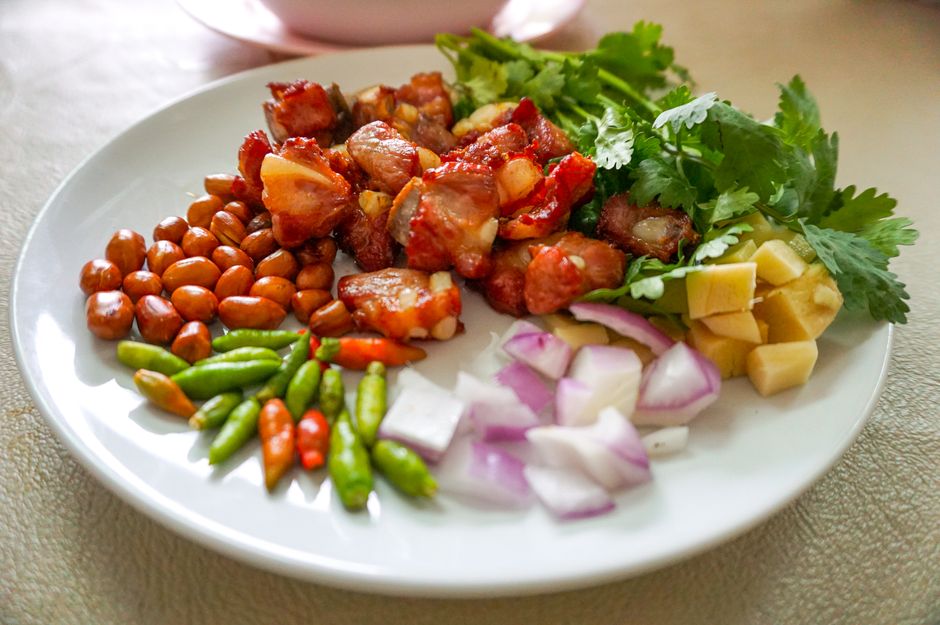
Thai Cuisine Essentials: Building Perfect Balance in Every Dish
Thai cuisine is a vibrant tapestry woven from a medley of flavors, textures, and aromas, reflecting the rich culture and diverse geography of Thailand. Rooted in centuries of tradition, each dish tells a story about the region it comes from, the ingredients that flourish in the land, and the influences from neighboring cultures. From the bustling street food stalls in Bangkok to the tranquil coastal markets in Phuket, Thai cooking invites both novice and experienced cooks to explore its balanced harmony of sweet, sour, salty, and spicy.
At its core, Thai cuisine emphasizes building a perfect balance in every dish, a skill that can elevate any home cook’s repertoire. Mastering this balance involves understanding ingredient harmony, technique mastery, and the ability to adapt flavors based on personal preference and availability. Cooking Thai food is not just about following a recipe; it’s an expressive art form that requires intuition, patience, and a willingness to experiment. This guide will delve deeper into the essential components of Thai cooking, providing you with the knowledge and confidence to create dishes that sing with authentic flavor and texture.
As we embark on this culinary journey, we’ll uncover common ingredients, indispensable techniques, and the cultural significance behind some of the most beloved Thai recipes. Whether you're preparing a classic Pad Thai, an aromatic Tom Yum soup, or a refreshing Mango Sticky Rice, understanding the fundamental principles of Thai cuisine will bring your dishes to life, allowing you to share the beauty of this culinary tradition with your friends and family.
Understanding Thai Flavors
Thai cuisine is distinguished by its complex flavor profiles, which stem from the careful interplay of five key taste components: sweet, sour, salty, spicy, and bitter. Each dish is crafted to achieve a harmonious balance that tantalizes the taste buds and captivates the senses. To truly appreciate Thai food, it's essential to delve into each of these flavors and understand their roles within the culinary framework.
Sweet
Sweetness is often introduced through ingredients such as palm sugar, coconut milk, and various fruits. In Thai dishes, sweetness helps to balance the heat of chilies and the acidity of certain ingredients. For instance, the palm sugar used in a green curry adds a syrupy sweetness that complements the rich, creamy coconut milk, creating a luscious sauce that clings to vegetables and protein alike.
Professional Tip: When using palm sugar, it's best to dissolve it in a bit of hot water before adding to your dishes. This ensures a more uniform distribution of sweetness throughout the dish.
Sour
Sourness is predominantly sourced from lime juice, tamarind, and vinegar, contributing brightness and freshness to dishes. Tom Yum Goong, a famous hot and sour shrimp soup, is a prime example of how acidity invigorates a dish, balancing out rich broth flavors and creating a refreshing taste profile.
"In Thai cooking, mastering acidity is key – it can transform a flat dish into an extraordinary one!"
Salty
Saltiness typically comes from fish sauce and soy sauce. These ingredients not only enhance the flavors but also add depth and umami to the overall experience. Be cautious with the amount you use; these sauces can be quite potent, and it’s easier to add more than to correct an overly salty dish.
Spicy
Spiciness is a prominent feature in many Thai recipes, with fresh chilies, chili paste, and chili powder being commonly employed. Each type of chili carries its distinct flavor and level of heat, offering unique profiles that can take a dish from mild to fiery. A true mastery of Thai cooking involves understanding how to layer these spice levels effectively.
Bitter
Although not as prevalent, bitter flavors may be found in ingredients like bitter melon, certain herbs, or even overcooked vegetables. Used sparingly, these ingredients add complexity and depth, ensuring the dish is well-rounded and multifaceted.
"The art of Thai cuisine lies in the delicate dance of these flavors, with each element playing a pivotal role in crafting an unforgettable culinary experience."
Essential Ingredients in Thai Cooking
To create authentic Thai dishes at home, it’s vital to stock your pantry with the essential ingredients that define Thai cuisine. While the list may seem overwhelming, each ingredient serves a purpose and contributes to the exquisite balance of flavors intrinsic to Thai cooking.
Fresh Herbs
Thai cooking is celebrated for its fresh herbs. The most common herbs include:
Expert Tip: Always use fresh herbs when possible. They significantly elevate the flavor profile—dried herbs simply cannot compare.
Spices and Condiments
Critical spices and condiments include:
Rice and Noodles
Rice and noodles are fundamental to virtually every meal in Thailand. Here’s what you should know:
Coconut Products
Coconut features heavily in Thai cuisine:
Techniques for Cooking Thai Cuisine
Mastering specific cooking techniques is crucial in producing authentic Thai dishes. Whether your goal is to stir-fry, steam, or boil, each method has its unique approach to preserving flavors and ensuring that the dish shines.
Stir-Frying
One of the most common cooking methods in Thai cuisine, stir-frying allows flavors to meld quickly while keeping ingredients crisp.
"The key to a perfect stir-fry is speed; the moment you hesitate, you lose that brilliant caramelization!"
Steaming
Steaming is a healthful way to cook, preserving the nutrients and flavors of the ingredients.
Boiling
Boiling is often used for soups and broths in Thai cuisine. Whether making Tom Yum, or a curry base, getting the timing right is essential.
Mastering Thai Dishes
Understanding how to build upon your foundation of Thai cooking essentials opens up the entire array of dishes you can prepare. Each recipe provides a canvas for creativity and adaptation, allowing you to showcase your culinary flair.
Pad Thai
Pad Thai is arguably the most famous Thai dish. It’s a harmony of flavors and textures, combining rice noodles, proteins, and a mix of sweet and tangy influences.
#### Ingredients
#### Method
Tom Yum Goong
Tom Yum Goong is a hot and sour shrimp soup that resonates with the rich flavors and aromas of Thai herbs.
#### Ingredients
#### Method
Mango Sticky Rice
Ending your meal with Mango Sticky Rice provides a perfect choice to cleanse the palate. This dessert is simplistic yet remarkably satisfying.
#### Ingredients
#### Method
Thai Culinary Culture
Delving into the heart of Thai cuisine also means understanding its cultural significance. The food is a reflection of community, family values, and the essence of living well.
Festivals and Celebrations
Food plays a pivotal role during festivals. Songkran, the Thai New Year, celebrates with food that mirrors the spirit of cleansing and renewal. Street vendors prepare traditional dishes, offering both locals and tourists an opportunity to indulge in culinary delights while celebrating life.
Family Cooking
In Thai culture, cooking is often a communal activity. Families gather in kitchens to prepare meals, passing down traditions and recipes from generation to generation. This social aspect adds warmth and a personal touch to each dish.
Street Food Culture
Street food is an integral part of Thailand’s culinary landscape. Every corner boasts tantalizing offerings like Som Tum (papaya salad), Satay, and countless noodle dishes. The vibrant street food scene is not just about eating but experiencing the lively atmosphere, often a perfect representation of the Thai spirit and conviviality.
"Street food encapsulates the Thai culinary experience—it's quick, delicious, and packed with cultural authenticity."
Final Thoughts
Exploring the world of Thai cuisine is akin to embarking on a flavorful journey that tantalizes the senses and warms the heart. By mastering the balance of flavors, understanding essential ingredients, and honing crucial cooking techniques, home cooks can confidently recreate authentic dishes that honor the rich culinary traditions of Thailand. Whether you're stirring a pot of curry, sizzling a wok of noodles, or crafting a refreshing dessert, remember that the essence of Thai cooking is not just in the ingredients, but in the love and care poured into each plate.
Conclusion
With each spice, herb, and meticulously crafted technique, you can transform your kitchen into a haven of Thai flavors. The traditional art of building balance in each dish invites experimentation and adaptation, making Thai cooking an exciting adventure for any home cook. Embrace this cuisine's vibrant spirit, and don’t be afraid to put your unique twist on classic recipes. Remember, in the world of cooking, mistakes can be turned into delightful discoveries. Happy cooking!
Get the Next Recipe
Weekly recipes, techniques, and gear picks — straight to your inbox.
