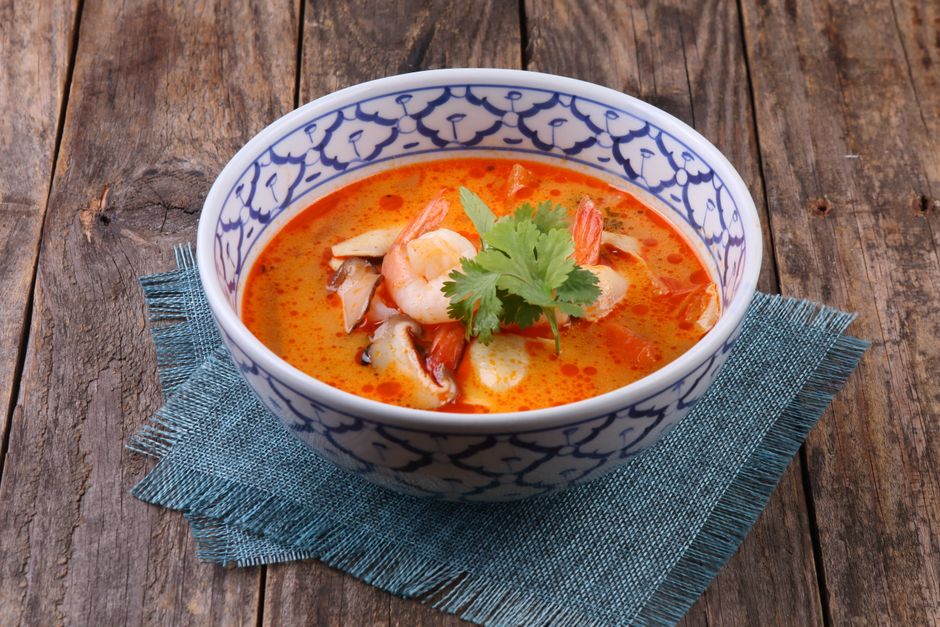
Thai cuisine is a vibrant tapestry of flavors, aromas, and textures that invites cooks and diners alike to explore its complexity. Rooted in centuries of tradition, each dish tells a story, reflecting the rich cultural heritage of the Thai people. The hallmark of Thai cooking is its remarkable ability to balance flavors — sweet, sour, salty, bitter, and umami — creating dishes that tantalize the taste buds and nourish the soul. In this exploration of Thai cuisine, we will delve into the fundamental concept of flavor balance, the quintessential ingredients, and the techniques that bring this amazing culinary tradition to life.
At the heart of Thai cooking lies the idea of harmony. A well-crafted dish embodies an intricate dance between opposing flavors, creating an experience that is both subtle and bold. Whether it is the refreshing zest of lime cutting through the richness of coconut milk or the delicate sweetness of palm sugar balancing the heat of chili, each component plays a critical role in achieving that elusive equilibrium. Understanding how to master these nuances can elevate any home cook's repertoire, turning an ordinary meal into an extraordinary feast.
As we embark on this journey through Thai cuisine, we will not just explore the essential ingredients and techniques, but also the principles behind creating dishes that resonate with authenticity and flavor. From the aromatic herbs that form the backbone of Thai recipes to the meticulous methods that ensure each dish is well-rounded and satisfying, we’ll uncover the essential tools you need to recreate the magic of Thai dining in your own kitchen. So, put on your apron, and let’s dive into the delightful world of Thai flavors!
The Fundamental Flavors of Thai Cuisine
Thai cuisine is characterized by four fundamental flavors: sweet, sour, salty, and bitter. These flavors are the building blocks of every Thai dish and their harmonious interplay leads to the delight that is a well-cooked Thai meal.
Sweet
Sweetness in Thai cooking often comes from natural sources such as palm sugar, coconut milk, and various fruits. Each of these ingredients carries its unique flavor profile, allowing cooks to create a level of complexity in their dishes.
1.Palm Sugar: This is made from the sap of palm trees and is used extensively in Thai cooking for its rich caramel-like sweetness. It is often preferred over white sugar for its deeper flavor. When using palm sugar, use about 1 cup of palm sugar for every 1 1/2 cups of traditional white sugar in recipes.
2.Coconut Milk: Creamy and rich, coconut milk adds sweetness and unctuousness to dishes like Tom Kha Gai (coconut soup) and various curries. For heightened flavors, choose full-fat coconut milk.
3.Fruits: Fresh fruits are used to add sweetness and balance, particularly in salads and desserts. Mango, pineapple, and lychee are common additions. Fresh mango pairs beautifully in a salad with lime dressing, adding not only sweetness but also a refreshing element.
Sour
Sourness is often introduced through citrus or fermented ingredients. It provides brightness and cuts through richness. Key souring agents include:
●Lime and Lemon Juice: Essential for many dishes, lime adds a sharp, zesty flavor. Use fresh juice for the best results. The juice of around 2-3 limes can brighten up a dish significantly.
●Tamarind: This sour fruit is often used in sauces and soups, contributing depth and a unique flavor. Substitute 2 tablespoons of tamarind paste for 1 tablespoon of lime juice for a more complex sourness.
●Vinegar: While not traditional, certain vinegars are used for quick pickling, which adds a crunchy sour element to refreshing salads.
Salty
Saltiness in Thai dishes primarily comes from fish sauce, soy sauce, and shrimp paste. These ingredients are fundamental for imparting depth and savoriness:
●Fish Sauce: A cornerstone of Thai cuisine, it’s made from fermented fish and is potent. Generally, start with 1 tablespoon and adjust to taste in recipes like Pad Thai. Remember that fish sauce is stronger than table salt, so be cautious when adding.
●Soy Sauce: While typically associated with Chinese cuisine, it also finds its place in Thai dishes. The dark variety can add richness and color to stir-fries and marinades. A good starting ratio is 1 tablespoon of soy sauce per serving.
●Shrimp Paste: This is a fermented product that might be an acquired taste. Used sparingly, it can enhance the overall umami flavor of dishes. A little goes a long way; 1 teaspoon is often enough for large pots of curry or soups.
Bitter
While bitterness may be less prominent in Thai cuisine, it is essential for providing balance. Ingredients that add bitterness include:
●Bitter Melon: Used sometimes in stir-fries or soups, it brings a distinct taste that pairs well with heavier flavors.
●Herbs: Certain fresh herbs, such as Thai basil, can bring a hint of bitterness that contrasts beautifully with sweet and sour elements.
Together, these four flavors create the foundation of any Thai dish. The artistry of Thai cooking lies in the careful manipulation of these elements to achieve a satisfying balance.
Umami: The Flavor Booster
While traditional discussions about flavor often center around the four core flavors, umami deserves special mention. Umami, often described as savory or meaty, enhances the overall flavor and adds depth, making dishes feel more complete.
●Mushrooms: Varieties like shiitake are often used in Thai soups and stir-fries for their umami richness.
●Fermented Fish: Ingredients like nam pla (fish sauce) not only provide saltiness but also contribute umami.
●Tomato Paste: Used in certain curry pastes, it gives added depth and a slight sweetness juxtaposed against the other flavors.
Understanding how to incorporate and balance these flavors will set you up for success in creating authentically Thai meals.
Essential Ingredients in Thai Cooking
While the flavor profile is crucial, the ingredients that provide that flavor are just as vital. This section will explore some of the most essential components of Thai cuisine.
Herbs and Spices
Fresh herbs and spices are the lifeblood of Thai cooking. A well-balanced dish often uses an assortment of these potent ingredients.
●Lemongrass: This stalk-like herb imparts a bright, citrusy flavor and is frequently used in soups and curries. To prepare lemongrass, trim the ends and slice the tender part thinly.
●Galangal: Often confused with ginger, galangal has a more pungent and herbal flavor. It’s commonly used in soups like Tom Yum. Fresh is best, but if you can’t find it, dried can be an alternative.
●Thai Basil: Unlike sweet basil, Thai basil has a distinct anise flavor. It’s often used in stir-fries and curries. Use fresh leaves for an aromatic touch just before serving to keep their fragrance intact.
●Cilantro (Coriander): Often used both for flavor and garnish, the fresh leaves add brightness, while the roots can be used in pastes and marinades.
Pantry Staples
Like any cuisine, having a well-stocked pantry is essential when cooking Thai dishes. Here are some staples to consider:
●Fish Sauce: As mentioned previously, this is a non-negotiable for most dishes. Choose a high-quality brand for the best flavor.
●Coconut Milk: Stock both canned and fresh versions if possible. It's versatile enough for both sweet and savory dishes.
●Rice: Jasmine rice is the go-to for Thai meals, but sticky rice is also wonderful for serving with certain dishes.
●Chilies: Fresh and dried chilies are crucial. Thai bird's eye chilies pack heat, while dried red chilies can be used to introduce heat in paste form.
●Sugar: Besides palm sugar, brown sugar can also play a role in balancing flavors.
Proteins and Vegetables
Meat, seafood, and vegetables are key players in Thai cuisine. The combinations can be endless, but a few essentials include:
●Chicken: Often featured in many curries and stir-fried dishes.
●Pork: Used especially in ground form or as a stir-fried component.
●Tofu: A great option for vegetarian dishes, absorbent of flavors from seasonings and sauces.
●Variety of Vegetables: Bell peppers, zucchini, bamboo shoots, and eggplant are common. Freshness is key in Thai cooking, so prioritize seasonal vegetables.
Techniques of Thai Cooking
Understanding the cooking techniques used in Thai cuisine can take your culinary skills to the next level. Each method contributes to the flavor and texture that characterize these dishes.
Stir-Frying
Stir-frying is one of the most common cooking methods in Thai cuisine. It’s a quick technique ideal for preserving the freshness of vegetables and the tenderness of protein.
1.Heat the Pan: Start by heating a wok or a large skillet over medium-high heat. You want it hot enough for a quick cook.
2.Oil Choices: Use oils with a high smoke point, such as vegetable oil or peanut oil. Approximately 2-3 tablespoons should suffice for most stir-fries.
3.Order of Ingredients: Begin with aromatics (garlic, shallots) before adding protein, and finally vegetables. This method ensures that each ingredient is cooked perfectly while keeping the flavor bright.
4.Sauce Addition: Towards the end of cooking, add your sauces (fish sauce and soy sauce) to coat everything evenly.
5.Serve Immediately: Serve your stir-fry right after cooking to enjoy the best texture and flavors.
Curry Making
Crafting a good curry requires an understanding of the different types and the balance of flavors. Thai curries typically fall under green, red, yellow, and massaman categories.
1.Choosing a Curry Paste: Start with a good quality commercial curry paste, or better yet, make your own by blending fresh ingredients like lemongrass, galangal, chilies, and herbs.
2.Cooking the Paste: Heat oil in a pot and sauté the curry paste until it becomes aromatic — about 2-3 minutes. This step is crucial for releasing the flavors.
3.Add Liquid: Next, pour in coconut milk or broth. The richness of coconut milk is essential for many classic Thai curries.
4.Protein and Vegetables: Insert your proteins and vegetables according to their cooking times. Softer vegetables like zucchini go in later than heartier ones like carrots.
5.Simmer: Allow the curry to gently simmer for around 20-30 minutes, letting the flavors meld beautifully. Taste and adjust the seasoning before serving.
Salads and Fresh Dishes
Thai salads are characterized by their fresh ingredients and bold flavors, often featuring a mix of herbs and crunchy vegetables.
1.Engage With Freshness: Thai salads often include components like fresh herbs, fruits, and vegetables, tossed in a tangy dressing. Use ripe mango or papaya for a colorful and flavorful salad base.
2.Making Dressings: Combine fish sauce, lime juice, sugar, and chili in a bowl. Each element enhances the balance of flavors.
3.Tossing: Combine the salad ingredients with the dressing right before serving to retain the crunch and texture.
4.Texture Variation: Feel free to add crushed nuts or crispy fried shallots for added crunch and flavor enhancement.
Regional Varieties in Thai Cuisine
Thai cuisine varies significantly across regions, each with its distinctive flavors and ingredients. Understanding these regional characteristics provides deeper insight into the culinary landscape of Thailand.
Northern Thai Cuisine
Northern Thai food is known for its milder flavors and sticky rice is a staple here. The use of herbs is more pronounced compared to other regions.
●Khao Soi: A coconut curry noodle soup garnished with pickled mustard greens, it represents the essence of Northern heat balanced with creamy coconut.
●Sai Ua: A northern sausage made from minced pork, garlic, and spices, grilled with a charred finish.
Central Thai Cuisine
This is often what people typically associate with Thai food, being home to the capital, Bangkok. Central Thai dishes are balanced and based on harmony.
●Pad Thai: Iconic stir-fried noodles with a perfect balance of flavors with shrimp, peanuts, and bean sprouts.
●Tom Yum Goong: A sour and spicy shrimp soup, harmonizing vibrant lemongrass and lime notes.
Southern Thai Cuisine
Known for its bold flavors and heat, Southern Thai food frequently highlights fresh seafood and coconut.
●Massaman Curry: A rich, full-bodied curry influenced by Persian flavors, featuring potatoes and peanuts.
●Som Tum: A spicy green papaya salad that exemplifies the region’s love for heat and freshness.
Isaan Cuisine
The food of the northeastern region, is known for its strong flavors and prominence of fermentation.
●Larb: A spicy minced meat salad, typically made with pork or chicken, seasoned with fresh herbs.
●Nam Tok: Grilled meat salad that combines fresh herbs and toasted rice powder for depth.
These regional flavors truly showcase how versatile and diverse Thai cuisine can be. Each area contributes its own character, setting the stage for a culinary adventure that can be explored through various dishes.
Putting It All Together: Building Your Thai Culinary Skills
Now that we understand the fundamentals of Thai cuisine, including the core flavors, essential ingredients, and cooking techniques, it’s time to apply that knowledge to crafting delicious Thai meals in your own kitchen.
Recipe Development
Creating a successful Thai dish often requires experimentation with the fundamental principles previously outlined.
1.Start with a Concept: Identify the dish you want to create, whether it’s a curry, stir-fry, or salad.
2.Gather Your Ingredients: Ensure you have fresh herbs and the key flavor components ready.
3.Balance Flavors: As you cook, taste frequently and adjust the balance between sweet, sour, salty, and bitter.
4.Texture Consideration: Add crunchy elements, creamy components, and varied textures to keep the dish exciting.
Tips for Cooking Thai Cuisine at Home
●Prep Ahead: Have all ingredients chopped and ready before you start cooking. This is crucial in maintaining speed and efficiency, especially in stir-fries.
●Use Quality Ingredients: Where possible, opt for fresh and authentic ingredients to achieve the true Thai flavor experience.
●Practice Balance: A well-balanced dish comes from practice. Experiment with slight adjustments until the flavors ring true to your palate.
●Seek Authenticity: In terms of flavor and technique, referencing authentic Thai recipes will vastly improve your ability to create dishes.
Building Your Thai Cookbook
As you grow more comfortable with the techniques and flavors of Thai cuisine, consider compiling your favorites or adaptations into a personal cookbook.
●Document Successes and Failures: Note what worked well and what didn’t for future revision.
●Culinary Influences: Keep track of the regional variations and cultural influences that inspire your culinary creation process.
Conclusion
Understanding the fundamentals of Thai cuisine is essential for any home cook eager to dive into this delightful culinary world. By learning to balance the four flavors of sweet, sour, salty, and bitter, and by mastering the essential ingredients and techniques, you can create dishes that not only pay homage to Thai culture but also satisfy your taste buds.
Through thoughtful experimentation and a willingness to embrace the elements of Thai cooking, you will discover the joy and satisfaction of preparing meals that celebrate this rich culinary heritage. The journey into Thai cooking is a flavorful adventure that invites you to explore, create, and share your culinary successes with family and friends. So grab your ingredients, unleash your culinary creativity, and let the flavors of Thailand fill your kitchen and heart.