Thai Street Food Legends: Pad Thai, Som Tam, and Satay Explained
Street food is an integral part of Thai culture, offering a window into the country’s culinary soul. Vibrant, aromatic, and bursting with flavor, Thai street food is more than just a meal; it’s an experience that draws locals and tourists alike into bustling night markets and roadside stalls. Among the myriad dishes that line these bustling streets, a few legendary staples have emerged as icons of Thai gastronomy. Pad Thai, Som Tam, and Satay are not just meals; they tell stories of tradition, local ingredients, and the culinary creativity that has transcended generations.
Each of these dishes carries a unique history and distinct cooking methods, showcasing the skills of street vendors who often perfect their craft over years of practice. The simplicity of the preparation belies the complex flavors that characterize these Thai classics. As we delve deeper into these street food legends, we will explore their origins, ingredients, and cooking techniques, equipping you with knowledge that you can bring into your own kitchen. You’ll likely find that these dishes reflect the balance that is central to Thai cuisine — a blend of sweet, sour, salty, and spicy.
Before you grab your wok or mortar and pestle, it's important to understand the cultural significance of these dishes. They are not merely popular meals but rather representative of the rhythms of daily life in Thailand, enjoyed by people from all walks of life. By mastering Pad Thai, Som Tam, and Satay, you not only pay homage to an ancient culinary tradition but also enrich your home cooking repertoire with easy-to-make yet delicious dishes that can transport you back to the streets of Bangkok with every bite.
Pad Thai: The Quintessential Thai Dish
Origins of Pad Thai
Pad Thai's journey began during the 1930s when it was introduced as a means of promoting national identity under the rule of Prime Minister Phibun Songkhram. Rice noodles, which had been staples of Thai cuisine, were highlighted in an effort to ensure that the country’s culinary offerings were distinct and appealing. The dish quickly gained popularity, and today, it is synonymous with Thai food around the world. Its adaptability to various ingredients makes it beloved not only for its taste but for its versatility.
Essential Ingredients
The fundamental components of Pad Thai can vary, but you will typically find:
Here's what you need for a simple Pad Thai recipe serving 2 to 4 people:
Cooking Techniques
To cook Pad Thai to perfection, follow these key steps:
- Soak the rice noodles in warm water for about 30 minutes until soft but slightly firm to the bite. Drain well.
- In a mixing bowl, combine fish sauce, tamarind paste, and sugar until the sugar dissolves completely. Adjust seasoning as necessary for a balanced taste.
- Preheat a wok or large frying pan over medium-high heat. Add a splash of cooking oil and ensure it's hot before proceeding.
- Cook the protein (chicken or shrimp) for 2-3 minutes until cooked through. Push to one side of the pan and then pour in the beaten eggs, scrambling them until just set.
- Mix in the drained rice noodles and pour over the prepared sauce. Toss everything together, ensuring the noodles are evenly coated. Stir-frying for about 2-3 minutes until all ingredients are hot.
- Add in the bean sprouts and green onions at the last minute. Stir-fry for another minute, ensuring everything is combined but not overcooked.
- Plate the Pad Thai hot, garnish with crushed peanuts and serve with lime wedges on the side.
“The secret to a great Pad Thai lies in the balance of flavors. Taste as you go — a hint more sweetness, a dash of salt — until you find your signature mix.”
Som Tam: The Salad with a Punch
The Story of Som Tam
Som Tam, a spicy green papaya salad, has its roots in the northeastern region of Thailand, known as Isaan. Traditionally, it was created to accompany sticky rice and grilled meats, providing a refreshing contrast to the meal. In 1938, it was popularized and became adaptable to various tastes across the nation. What makes Som Tam interesting is its dynamic nature — it can vary greatly in spiciness and texture depending on the ingredients and the cook’s personal style.
Key Ingredients
To create an authentic Som Tam, you'll need several key ingredients that create a harmonious blend of flavors—from sweetness to savoriness, and a delightful crunch:
For a classic Som Tam recipe serving 2 to 4 people, gather these ingredients:
Crafting the Dish
The beauty of Som Tam lies in its preparation, which typically involves a mortar and pestle. Here are the steps for making this flavorful salad:
- In a mortar, combine garlic and bird's eye chilies. Use the pestle to smash them together until they form a paste.
- Pour in fish sauce and lime juice, along with palm sugar. Mix well until the sugar dissolves.
- In a large bowl, add the shredded green papaya and chopped tomatoes. Pour the dressing over the vegetables and mix gently using a spoon or your hands. You want to mix without smashing the ingredients too much as you're looking for a crunchy texture.
- Just before serving, fold in the crushed peanuts, saving some for garnish.
- Serve the Som Tam on a plate, garnished with extra peanuts and perhaps a lime wedge for extra zing.
“The texture of Som Tam is absolutely crucial; it’s not just about flavor. You want to hear that crunch with every bite and feel that symphony of tastes dance on your palate.”
Satay: The Skewered Delight
Unpacking Satay's History
Satay has traveled from the streets of the Indonesian archipelago to become a widely celebrated street food in Thailand, often enjoyed as a snack or appetizer. The word "satay" refers to skewered and grilled meat, marinated in a mixture of spices and served with a rich peanut sauce. This dish embodies the importance of communal dining in Thailand, as skewers are often shared among friends and family during gatherings.
Classic Components of Satay
While there exists a myriad of variations of Satay, the authentic Thai rendition often includes:
For a basic Satay recipe serving 4 people, gather these ingredients:
#### Peanut Sauce Ingredients:
Steps to Prepare and Cook
- In a bowl, mix coconut milk, curry powder, turmeric, sugar, and salt. Add sliced meat and toss to coat. Cover and marinate for at least 1 hour or overnight for deeper flavors.
- Ground the roasted peanuts in a food processor until they resemble a fine meal. In a saucepan, combine the processed peanuts with coconut milk, sugar, soy sauce, and lime juice. Simmer over low heat for about 10 minutes, stirring until the sauce thickens slightly.
- Preheat your grill or grill pan to medium-high heat. Thread the marinated meat onto soaked skewers, ensuring they are not overcrowded.
- Grill each side for 3-4 minutes, or until well-browned and cooked through.
- Serve the Satay hot from the grill, drizzled with peanut sauce on top or as a side for dipping. Garnish with fresh cilantro or cucumber slices for color.
“Great Satay starts with patience in marinating the meat — let the flavors infuse. A quick cook on a hot grill, and you’ve got the perfect blend of tenderness and char.”
Exploring Accompaniments and Variations
Side Dishes and Condiments
While Pad Thai, Som Tam, and Satay shine as standalone dishes, pairing them with the right accompaniments can elevate your meal experience:
Creative Variations
Feel free to experiment with these iconic dishes:
Cultural Significance of Street Food in Thailand
A Culinary Journey
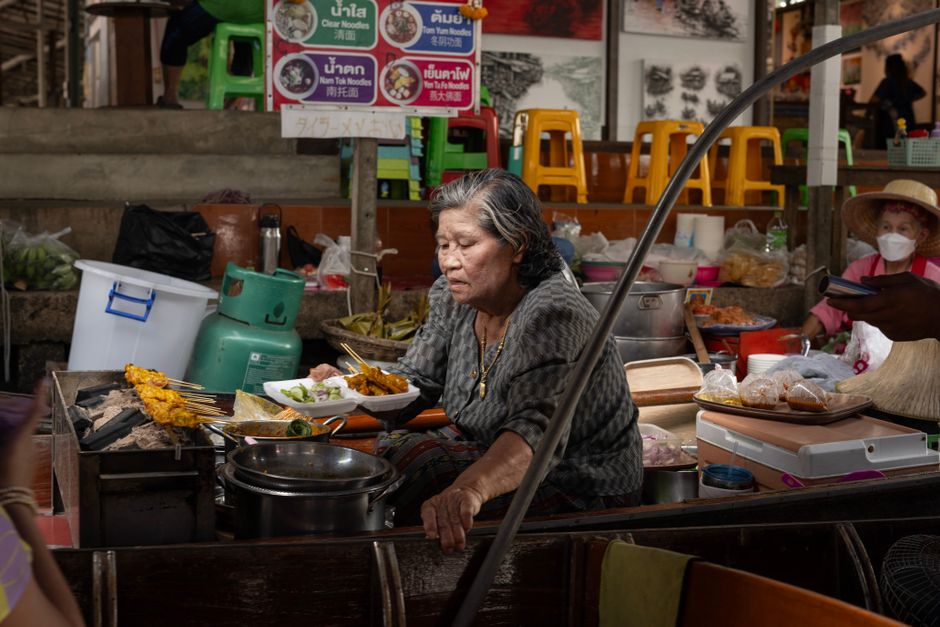
Thai street food acts as a cultural touchstone that gives a sense of place and identity. Markets and street carts bustling with vendors create an atmosphere that is both cozy and energetic. Frequently, these recipes have been passed down through generations, often honed by the vendors over decades. The food served reflects the region’s agriculture, local ingredients, and cooking methods, showcasing the landscape and history of Thailand.
Beyond the Plate
Thai street food transcends mere nourishment; it serves as a social hub where people gather, converse, and bond. Whether it’s a bustling market in Chiang Mai or a quiet roadside stall in Bangkok, these food vendors bring communities together through delicious and affordable offerings. Enjoying a meal on the street is about experiencing local culture, tasting authentic cuisine that tells a story with each bite.
“Each dish has a soul connected to its place of origin, a recipe for remembrance that tastes like tradition, family, and shared moments.”
Tips for Recreating Authentic Thai Street Food at Home
Ingredient Quality
Equipment Essentials
Cooking Techniques
Mindfulness in Cooking
Take the time to enjoy the cooking process. As you chop, mix, and stir, appreciate how each ingredient contributes to the final dish. Engaging with the food instills a sense of pride and allows the flavors to resonate throughout the process.
Conclusion
Mastering the legendary dishes of Pad Thai, Som Tam, and Satay introduces you not only to the vibrant flavors of Thailand but also to the spirit and heart behind these cherished recipes. As you embark on your culinary journey, remember to savor every aspect, from sourcing the freshest ingredients to celebrating the cooking process itself.
These beloved street food staples exemplify the richness of Thailand's food culture, making them perfect additions to your home cooking repertoire. Each dish conveys a unique history and showcases the intricate balance of flavors that define Thai cuisine. With these recipes in hand and a spirit of adventure in the kitchen, you're well on your way to recreating the bustling charm of Thai street food right in your own home.
Cooking these dishes will not only allow you to treat yourself to incredible flavors but will also create lasting memories around the dinner table, whether shared with family or friends. Embrace the essence of street food; let your cooking be a celebration of culture, tradition, and deliciousness that keeps everyone coming back for more. Happy cooking!

Get the Next Recipe
Weekly recipes, techniques, and gear picks — straight to your inbox.
