Thai Street Food Secrets: Authentic Pad Thai Recipe
Cultural Cuisines

Thai Street Food Secrets: Authentic Pad Thai Recipe

C
By The Chef
|June 1, 2026|11 Min Read
📋
Recipe Card
13 ingredients · 0 steps
Servings
4
Ingredients
Instructions
Progress
0%

Street food in Thailand is not just a way of eating; it’s a vibrant cultural experience that tickles the senses and nourishes the soul. Walking through the bustling markets of Bangkok, you can often spot locals gathered around stalls that emanate mouthwatering aromas, where the ambiance is lively and the food preparation is an art form in itself. Here, under the sweltering sun, skilled vendors whip up dishes that showcase Thailand’s unique balance of sweet, sour, spicy, and savory. One of the most beloved street food dishes is undoubtedly Pad Thai, a stir-fried noodle dish that has transcended its humble beginnings to become a symbol of Thai cuisine around the globe.

Pad Thai offers a delightful medley of flavors and textures, where flat rice noodles are stir-fried with shrimp or chicken, fresh vegetables, herbs, and a variety of condiments that make each bite a culinary journey. The magic of Pad Thai lies in its combination of simple ingredients harmonizing to create an explosion of flavors—a true representation of Thai culinary philosophy. But what many people might not know is that making authentic Pad Thai at home requires precision, a deep understanding of cooking techniques, and perhaps a few secrets passed down through generations. In this blog post, we’ll delve into the secrets of Thai street food, share a detailed recipe, and equip you with the knowledge to create an authentic dish that rivals what you might find on the streets of Bangkok.

Palates might differ, but one universal truth about Pad Thai is its versatility. Whether you prefer it with tofu for a vegetarian option, shrimp for a sumptuous seafood delight, or chicken for a hearty meal, the essence remains the same. The preparation involves a delicate balance between the sauces, spices, and fresh ingredients, making each dish uniquely yours while respecting the time-honored traditions rooted in Thai cuisine. Get ready to explore the depths of flavors and learn the step-by-step process of creating a dish that not only satisfies your hunger but also connects you to the cultural heartbeat of Thailand.

The Origin of Pad Thai

Pad Thai doesn’t just have a rich flavor profile; it is steeped in history. The dish became popular during the 1930s under the leadership of Prime Minister Plaek Phibunsongkhram. In an effort to promote Thai nationalism and modernize the country, Phibunsongkhram introduced a campaign advocating for Thai culture, which included food. That’s when Pad Thai began to gain traction as a dish embraced by locals and eventually became a staple throughout the nation.

Historical Significance

The history of Pad Thai reflects a broader story about Thai society, economics, and cultural identity. Once considered a simple street food, it evolved to symbolize modern Thai identity. Ingredients like rice noodles, fried tofu, and fresh vegetables are all native to the region, showcasing local agriculture and trade. With Portuguese influence in the 16th century, chili peppers found their way into Thai kitchens, radically changing the flavor landscape.

Over the years, Pad Thai has adapted to various regions, with local ingredients and preparation methods altering its taste. Yet the essential essence remains unchanged, with a focus on achieving that perfect balance of flavors. The rich tapestry of influence—both local and global—has made this dish a true form of culinary expression.

Regional Variations

While you might find a quintessential version of Pad Thai in Bangkok, various regions of Thailand boast their own unique spins. For instance:

●Bangkok: Typically, the Pad Thai here includes shrimp or chicken and is sautéed to perfection with crunchy bean sprouts and peanuts.
●Chiang Mai: This version leans towards a sweeter flavor profile, often served with a side of pickled vegetables.
●Southern Thailand: Seafood dominates, with fresh fish and shrimp commonly used, reflecting the coastal influence of the region.

Understanding these regional variations allows you to experiment and find your preferred version, creating a connection with the diverse culinary landscape of Thailand.

Essential Ingredients for Pad Thai

Crafting an authentic Pad Thai requires high-quality and fresh ingredients, as they play a crucial role in elevating the dish. Here’s an essential guide to the ingredients you need:

Noodles

●Rice Noodles: Look for flat rice noodles (often labeled as “Pad Thai noodles”). They should be approximately ¼ inch wide. When cooking them, remember to soak them in warm water for about 30-60 minutes until they are pliable but not too soft.

Proteins

●Tofu: Firm tofu works well for a vegetarian option. Press and cube it before frying to achieve a golden-brown texture.
●Chicken or Shrimp: If you choose these proteins, use boneless chicken thighs or large shrimp.

Vegetables

●Bean Sprouts: Fresh bean sprouts add essential crunch and freshness.
●Green Onions: Sliced green onions enhance the flavor and offer brightness.
●Red Chili Peppers: Fresh or dried chili peppers can be adjusted to taste for adding heat.

Flavoring Agents

●Fish Sauce: The backbone of Pad Thai’s umami flavor; it’s salty, rich, and pungent.
●Tamarind Paste: This ingredient imparts a unique sourness crucial to the dish. If unavailable, you can substitute with lime juice but expect a different flavor profile.
●Palm Sugar: This natural sweetener balances the saltiness and acidity. If you can’t find palm sugar, brown sugar can serve as an alternative.

Garnishes

●Crushed Peanuts: These add a delightful crunch and rich flavor.
●Lime Wedges: A squeeze of fresh lime elevates the dish’s brightness.
●Cilantro: Fresh cilantro gives a herbal note that rounds off the flavors.

Cooking Techniques

Pad Thai may seem straightforward, but the cooking techniques you employ can significantly impact the final dish. Here are the essential methods you need to master:

Stir-Frying

Stir-frying is the heart of preparing Pad Thai. It requires speed and precision to ensure that the noodles are cooked evenly without becoming mushy. Here are some tips:

1.Use a Wok: If possible, use a wok for high-heat cooking. The shape of a wok helps to distribute heat evenly while keeping ingredients contained.
2.High Heat: Ensure your stove is set to high heat. The cooking should be quick to maintain the integrity of the ingredients, especially the proteins which can become rubbery if overcooked.
3.Preheat the Wok: Before adding any oil, let the wok heat up for a few minutes. A drop of water should sizzle and evaporate almost immediately if the wok is ready.

Cooking Rice Noodles

●After soaking your rice noodles, make sure to drain them thoroughly before adding them to the pan. This prevents excess water from steaming them.
●When stir-frying, add the noodles towards the end of cooking, just enough time for them to become soft but not mushy, typically around 1-2 minutes.

Perfect Sauce Blending

●The balance of flavors in Pad Thai heavily relies on the combination of fish sauce, tamarind paste, and palm sugar.
●For a classic Pad Thai, use the ratio of 3 tablespoons fish sauce, 2 tablespoons tamarind paste, and 2 tablespoons palm sugar. Adjust these based on your taste preferences, ensuring you achieve that delightful harmony of salty, sweet, and sour.

Authentic Pad Thai Recipe

Now that we have explored the essential ingredients and techniques, let’s dive straight into the step-by-step recipe for making authentic Pad Thai.

Ingredients

●8 ounces flat rice noodles
●1 tablespoon vegetable oil
●2 cloves garlic, minced
●1 egg
●6 ounces shrimp or chicken, sliced
●3 tablespoons fish sauce
●2 tablespoons tamarind paste
●2 tablespoons palm sugar
●1 cup bean sprouts
●¼ cup green onions, chopped
●½ teaspoon red chili flakes (or to taste)
●¼ cup crushed peanuts, for garnish
●Lime wedges and fresh cilantro, for serving

Step-by-Step Instructions

1.Soaking the Noodles: Begin by soaking the rice noodles in warm water for 30-60 minutes until they are soft but still firm. Drain and set aside.
2.Prepare the Sauce: In a small bowl, mix together fish sauce, tamarind paste, and palm sugar. Stir until the sugar dissolves.
3.Heat the Wok: Preheat your wok over high heat for a few minutes and then add the vegetable oil.
4.Cook the Aromatics: Toss in the minced garlic and sauté for 10-15 seconds until fragrant.
5.Add Protein: Add your choice of shrimp or chicken. Stir-fry for about 2-3 minutes until the protein is just cooked.
6.Include the Egg: Push the ingredients to one side of the wok. Crack the egg into the empty space, allowing it to scramble slightly before mixing it into the other ingredients.
7.Incorporate the Noodles: Add the soaked noodles, pour the sauce over them, and stir well to combine. Cook for an additional 2-3 minutes, allowing the noodles to absorb the flavors.
8.Add the Vegetables: Stir in the bean sprouts, green onions, and red chili flakes. Stir-fry for another minute until the sprouts are just heated.
9.Plate and Garnish: Transfer to a serving platter and top with crushed peanuts, lime wedges, and fresh cilantro.
10.Serve Hot: Pad Thai is best enjoyed hot, so serve immediately and watch your friends and family delight in this culinary experience.

“The magic of Pad Thai lies in the balance of flavors—a perfect harmony of sweet, salty, sour, and spicy that dances on your palate.”

Chef's Tips for Elevating Your Pad Thai

To truly elevate your Pad Thai and make it authentic, consider the following pro tips:

Ingredient Sourcing

1.Fish Sauce: Invest in a high-quality fish sauce. Look for ones that are labeled as "fermented" for a richer flavor.
2.Tamarind Paste: If using tamarind pods, soak the pods in warm water, mash them, and strain to get a paste-like consistency.
3.Fresh Produce: Purchase produce that is as fresh as possible, as they contribute to the overall taste and texture of the dish.

Cooking Methods

●Batch Cooking: If making a larger quantity, cook the ingredients in batches. Overcrowding the wok can lead to steaming rather than stir-frying, which alters the texture.
●Let It Rest: Don’t rush to serve your Pad Thai; let it sit for a minute after cooking. This allows the flavors to meld beautifully.

Variations and Additions

●Vegetable Options: Include colorful vegetables like bell peppers or carrots for additional nutrients and texture.
●Extra Protein: For a heartier meal, consider adding both shrimp and chicken, or even a soft poached egg on top.

Missing the Street Food Experience

If you’re unable to travel to Thailand but yearn for the street food experience, try these enhancements:

Atmosphere at Home

●Create an ambiance reminiscent of a Thai street market. Play some traditional Thai music in the background, and serve your Pad Thai on banana leaves for that authentic touch.
●Set up a DIY garnish station—allow family and friends to customize their dishes with extra peanuts, lime, and chili.

Engage the Senses

●When explaining the dish to family or guests, share snippets of Thai culinary traditions or stories related to the dish.
●Introduce them to tasting notes—have everyone taste the Pad Thai before and after adding lime or additional chili to appreciate how ingredients can transform flavors.

Final Thoughts

Creating an authentic Pad Thai is not just about following a recipe; it’s about immersing yourself in a culinary journey filled with rich history, diverse ingredients, and flavorful techniques. Mastering this dish brings the vibrant streets of Thailand into your kitchen, allowing you to experience the powerful connection of food and culture.

Every bite tells a story—a tale of tradition, adaptation, and the joys of sharing a meal with those you love. By following the detailed instructions, understanding the significance of each ingredient, and embracing the cooking techniques outlined in this guide, you are not just feeding yourself; you are participating in a cultural ritual that spans generations.

Next time you crave street food, remember that you have the power to recreate those cherished flavors right at home. Invite friends and family to join in, create a memorable dining experience, and celebrate the rich culinary history of Thailand through your very own delicious Pad Thai. Enjoy every sloppy, joyful bite!
🧰 Gear for this recipe
Tools our chefs reach for when cooking this
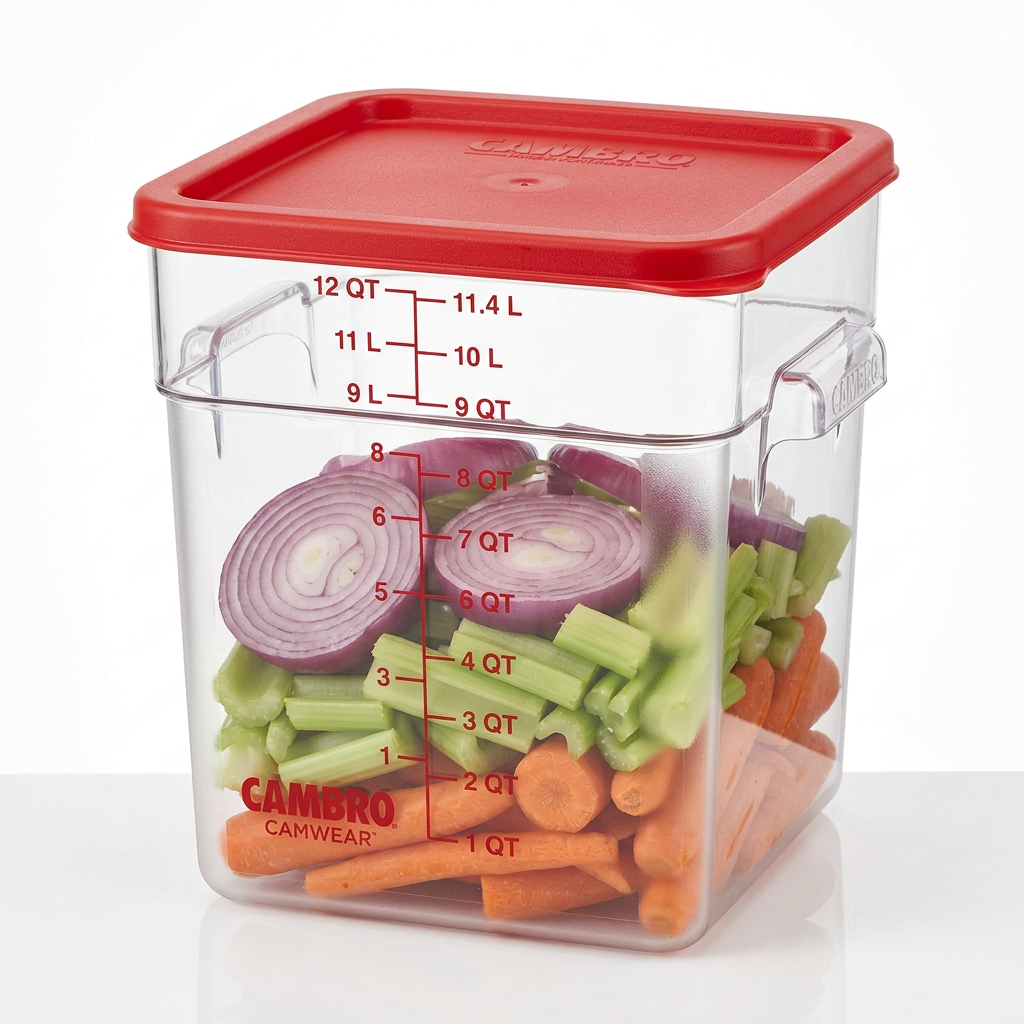
Cambro Food Storage Container 12qt Clear
Storage
Cambro Food Storage Container 12qt Clear
★★★★★4.8
$20-$30
View on Amazon
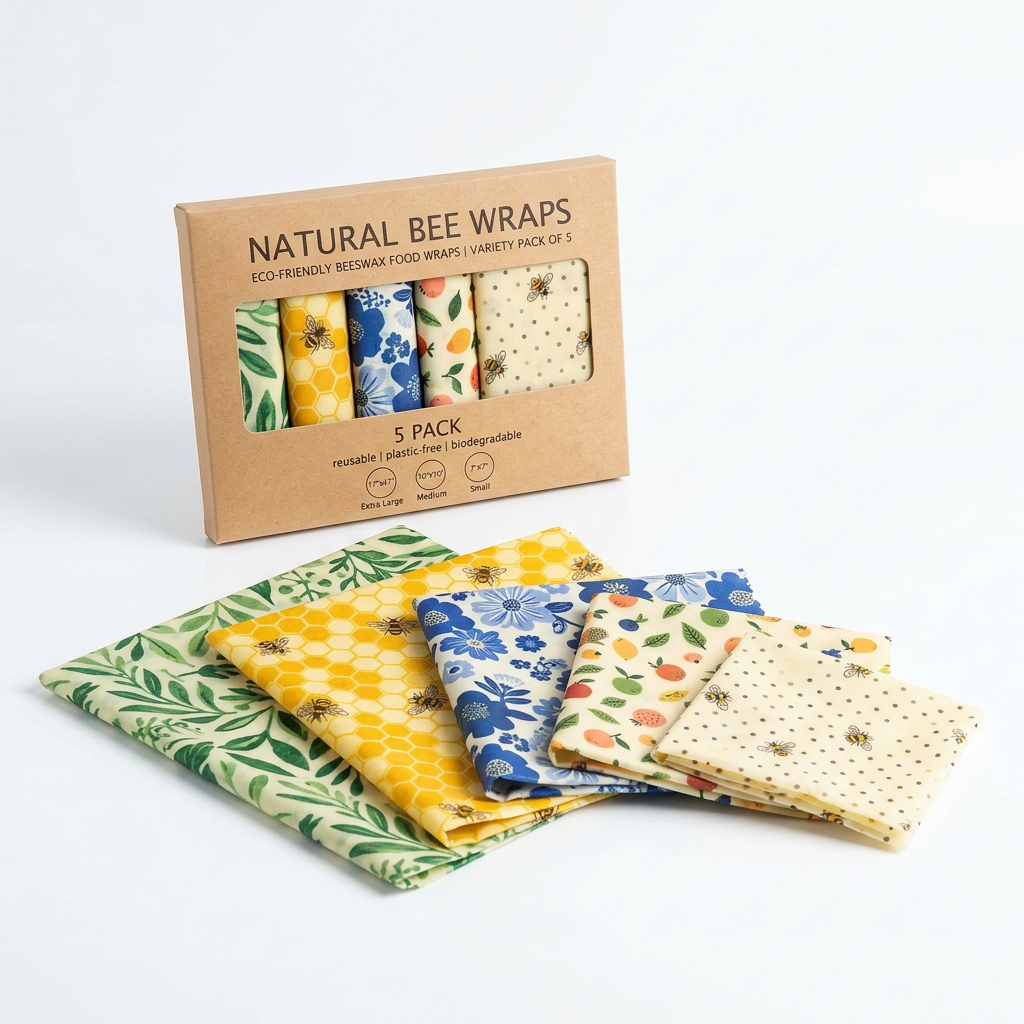
Beeswax Food Wraps Variety Pack
Storage
Beeswax Food Wraps Variety Pack
★★★★★4.5
$18-$25
View on Amazon
Cuisinart Food Processor 14-Cup
Small Appliances
Cuisinart Food Processor 14-Cup
★★★★★4.6
$150-$200
View on Amazon
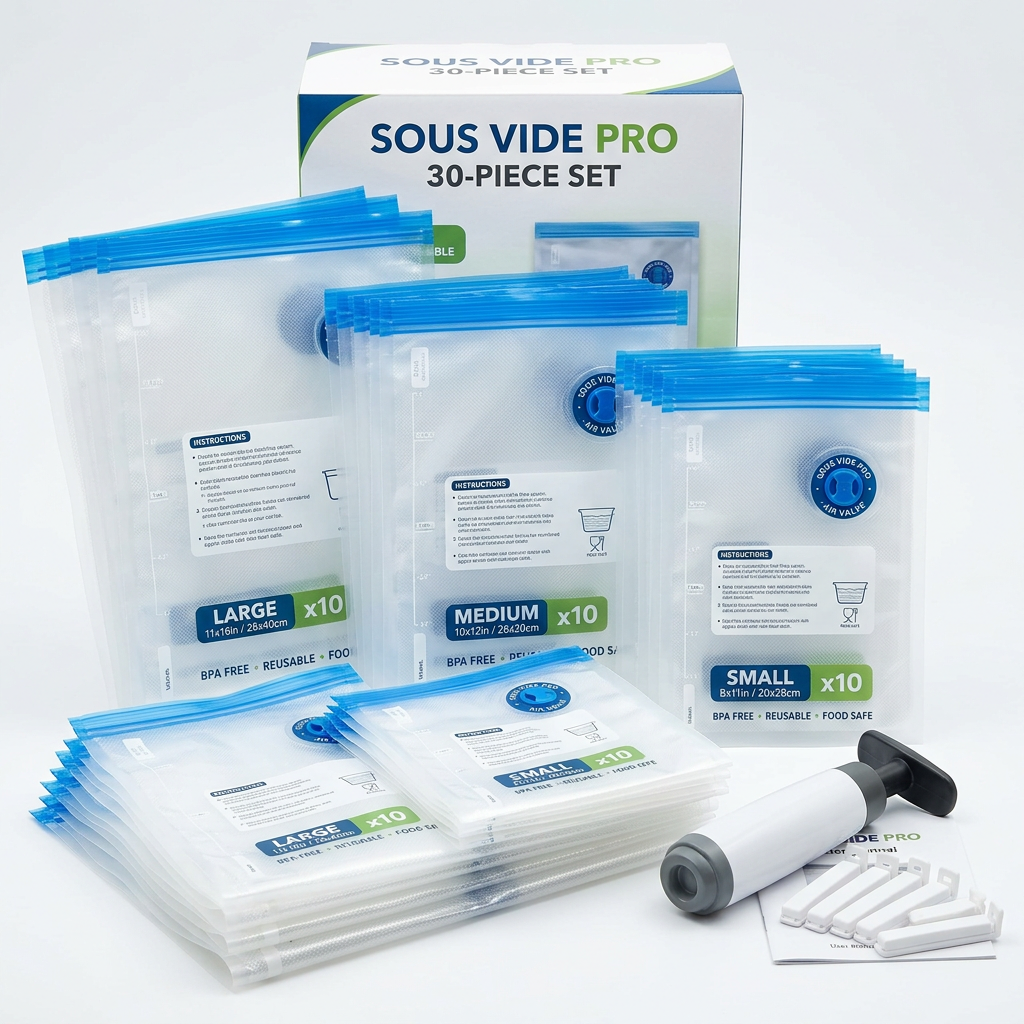
Sous Vide Vacuum Zip Bag Set 30-piece
Storage
Sous Vide Vacuum Zip Bag Set 30-piece
★★★★★4.5
$20-$28
View on Amazon

As an Amazon Associate we earn from qualifying purchases.

🍳

Get the Next Recipe

Weekly recipes, techniques, and gear picks — straight to your inbox.

No spam, ever. Unsubscribe anytime.

YesChef - Learn from the world's best chefs
© 2026 Blame The Chef
🍳

Never Miss a Recipe

Weekly recipes, kitchen tips, and gadget picks — straight to your inbox.

No spam, ever. Unsubscribe anytime.