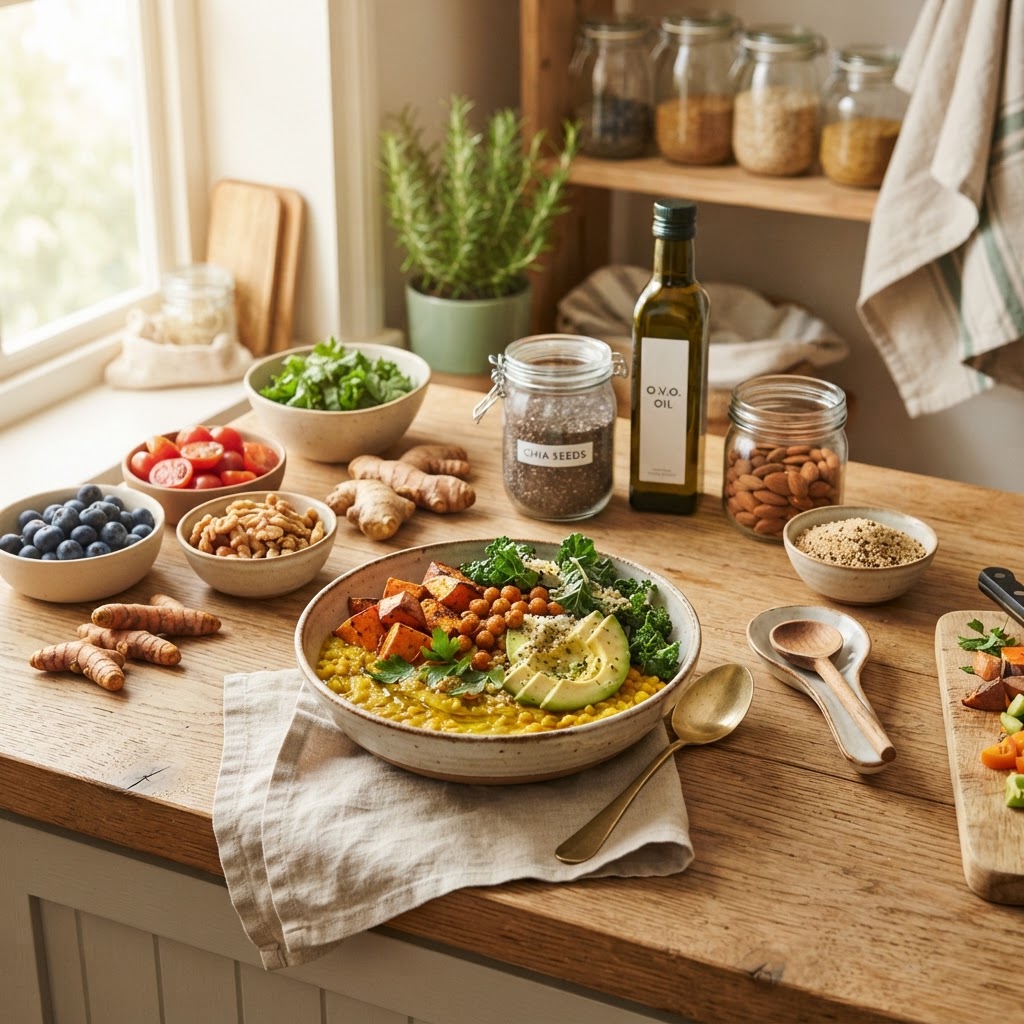
The Anti-Inflammatory Kitchen: 10 Nutrient-Dense Pantry Swaps to Upgrade Your Daily Meals
We live in a world where convenience often trumps composition, leading many of us to stock our pantries with processed items that wreak havoc on our bodies from the inside out. Inflammation is the silent culprit behind a host of modern ailments, yet we rarely consider that the secret to cooling this internal fire begins with the very staples we reach for every single morning. When you look at your shelves, are you seeing ingredients that provide life-giving energy, or are you looking at a collection of refined sugars, oxidized oils, and additives that keep your system in a constant state of low-grade emergency? Transitioning to an anti-inflammatory lifestyle is not about restriction or deprivation, but rather a deliberate recalibration of your kitchen’s foundation to support long-term vitality.
By making intentional choices about the building blocks of your meals, you gain complete control over your biological environment. Think of your pantry as your home’s laboratory; every oil, grain, and spice you house serves as a chemical signal to your cells, either promoting repair or inciting irritation. Many home cooks feel intimidated by the idea of overhauling their cabinets, but it is actually one of the most rewarding culinary experiments you can undertake. It is time to stop blaming the chef for poor health and start empowering the chef to become a curator of wellness, crafting dishes that taste extraordinary while simultaneously lowering your body’s systemic stress.
The philosophy here at Blame The Chef is that food should be your primary medicine, but it must never sacrifice the sensory delight of a well-executed meal. We believe that if a meal is not delicious, you will not eat it, no matter how healthy it claims to be, and sustainability is the key to any nutritional transition. Over the next few thousand words, we will dive deep into the science of inflammation, the culinary applications of superior ingredients, and the simple, high-impact swaps that will turn your kitchen into a sanctuary of healing. Prepare to clear those shelves and replace the mediocre with the magnificent as we explore the essential toolkit for the modern, conscious cook.
The Foundation of Fats: Replacing Oxidized Oils
The most significant change you can make in your kitchen involves how you handle fats. Most standard grocery store oils—like soybean, corn, and canola oil—are highly processed, solvent-extracted, and prone to oxidation, which triggers inflammatory pathways in the body. When these oils are heated, they break down into harmful compounds that contribute to cellular damage. Swapping these out for stable, nutrient-dense fats is the single most effective "upgrade" you can perform for your health.
Choosing Stable Cooking Fats
For high-heat cooking, you need fats that possess a high smoke point and a saturated or monounsaturated structure that resists thermal degradation. Grass-fed ghee is a culinary superstar here; because the milk solids have been removed, it does not burn as easily as butter and imparts a rich, nutty flavor to vegetables and proteins alike. Avocado oil is another essential tool in your arsenal, boasting a smoke point of 500°F (260°C), making it ideal for searing, roasting, and sautéing without the risk of creating free radicals.
"The fat you choose is the medium upon which all your flavor is built; never compromise on the quality of your cooking medium, as it is the very soul of your skillet."
Cold-Pressed Finishing Oils
While high-heat oils are for cooking, your finishing oils should be raw and unrefined to preserve their delicate health benefits. Extra-virgin olive oil (EVOO) is packed with polyphenols, which are potent antioxidants that actively fight inflammation. Always store your EVOO in a dark, cool place and purchase it in glass bottles to prevent light-induced oxidation. Use it as a final drizzle over roasted squash, massaged into kale salads, or simply dipped with crusty, sourdough bread to elevate the sensory profile of your meal while loading your body with healthy, anti-inflammatory fats.
Avoid:* Canola, vegetable, soybean, and cottonseed oils.
Embrace:* Avocado oil, grass-fed ghee, coconut oil, and cold-pressed extra-virgin olive oil.
Technique Tip:* Always smell your oil before using it. If it smells like crayons, paint, or old rubber, it has oxidized and should be discarded immediately.
Rethinking Carbohydrates: Moving Beyond Refined Flours
The refined white flour that dominates the modern pantry is essentially stripped of all its natural fiber and nutrients, leaving behind a substance that spikes blood sugar levels and triggers a cascade of inflammatory cytokines. When you trade these "empty" carbohydrates for nutrient-dense alternatives, you stabilize your energy levels, improve your digestive health, and provide your body with the sustained fuel it needs to function at its peak.
Ancient Grains and Pseudo-Cereals
Instead of reaching for white pasta or processed bread, look toward ancient grains like quinoa, farro, millet, and buckwheat. These grains are structurally intact, meaning they contain the bran and germ where the fiber, minerals, and phytonutrients live. When cooking these, always toast them dry in a pan for 2-3 minutes before adding liquid; this "blooms" the natural oils in the grain, providing a nutty aroma and a superior texture that is far more satisfying than the mushy, processed white varieties.
Flour Alternatives for Baking
If you are a baker, your pantry needs a refresh in the flour department as well. Almond flour and coconut flour provide excellent textures while offering high protein and healthy fats. However, these flours behave differently than wheat. When using almond flour, you will often need an extra egg or a flax egg (1 tablespoon flax meal + 3 tablespoons water) to act as a binder, as there is no gluten to provide structure.
"Refined flour is merely a delivery system for sugar, but whole, ancient grains are a delivery system for life, fiber, and flavor."
The Spice Cabinet: Your Most Potent Anti-Inflammatory Weapon
If you are only using spices to add a little heat or color to your dishes, you are missing out on their true potential. Many of the most common spices are pharmacological powerhouses, containing compounds that rival the effectiveness of over-the-counter pain relievers in reducing systemic inflammation. Your spice rack is, in effect, your own private pharmacy.
The Power of Curcumin
Turmeric is perhaps the most famous anti-inflammatory spice in existence, primarily due to its active compound, curcumin. However, curcumin is notoriously difficult for the body to absorb on its own. The professional chef’s secret? Always pair your turmeric with black pepper and a source of healthy fat, such as olive oil or ghee. The piperine found in black pepper increases the bioavailability of curcumin by up to 2,000 percent, effectively unlocking its healing potential.
Warming Spices and Gingerols
Ginger is another essential player in your anti-inflammatory lineup, containing gingerols that are highly effective at soothing the digestive tract and reducing muscle soreness. Incorporate fresh ginger into stir-fries, dressings, and even your morning tea. Similarly, cinnamon (specifically Ceylon cinnamon) helps regulate blood sugar levels, preventing the glucose spikes that drive systemic inflammation.
Pro Tip:* Buy your spices whole whenever possible and grind them as needed. The volatile oils that carry the most flavor—and health benefits—begin to dissipate within weeks of being pre-ground.
Storage:* Keep spices in an opaque cabinet, away from the stove's heat, to extend their shelf life and potency.
Sweetener Swaps: Finding Natural Depth
Refined white sugar is one of the most inflammatory substances you can put in your body, acting as a direct trigger for insulin resistance and metabolic stress. However, as culinary professionals, we understand that dessert and balanced flavor profiles are essential for a life well-lived. The trick is to replace refined sugar with sweeteners that offer complex flavor profiles and a lower glycemic impact.
Raw Honey and Maple Syrup
When you need sweetness, choose options that have not been stripped of their beneficial enzymes and minerals. Raw, local honey is a fantastic pantry staple that offers antibacterial properties and a unique floral flavor that varies based on the season. Pure maple syrup (aim for Grade A dark) contains a surprising array of antioxidants and minerals like manganese and zinc. Use these in moderation, viewing them as flavor enhancers rather than bulk components of your cooking.
The Role of Dates and Fruit
The ultimate anti-inflammatory swap for sugar is the whole fruit itself. Medjool dates act as a perfect natural binder and sweetener in energy bites, smoothies, and baked goods. Because they contain fiber, the sugar is absorbed into your bloodstream much more slowly than refined white sugar, preventing the dreaded "crash." When you incorporate dates, you are adding fiber, potassium, and magnesium to your dish instead of just empty calories.
The Vinegar and Fermentation Revolution
Vinegars are the unsung heroes of the anti-inflammatory pantry. Beyond their acidic punch, high-quality, unpasteurized vinegars—like raw apple cider vinegar and aged balsamic—can improve insulin sensitivity and support a healthy gut microbiome. A healthy gut is the first line of defense against inflammation; when your digestive flora is in balance, your systemic immune response is far more efficient.
Raw Apple Cider Vinegar (ACV)
Always look for "with the mother" on your label. This signifies the presence of beneficial bacteria and enzymes that survived the fermentation process. Incorporating a splash of ACV into your salad dressings or drinking it diluted in water before a meal can help stabilize blood sugar response to that meal. It’s a simple, inexpensive, and highly effective habit that yields immediate metabolic rewards.
Fermented Pantry Staples
Fermentation is a time-honored technique that predates refrigeration and remains one of the best ways to preserve nutrients. Stocking your pantry with naturally fermented foods—such as raw sauerkraut, kimchi, or even miso paste—introduces diverse beneficial microbes into your system. When buying these, avoid the "vinegar-pickled" versions found on non-refrigerated shelves, as these have been heat-treated and stripped of their probiotic benefits.
Technique Tip:* To make a perfect vinaigrette, follow the ratio of 3 parts oil to 1 part vinegar. Start by whisking your vinegar with a pinch of salt and a spoonful of Dijon mustard, then slowly drizzle in your oil while whisking constantly to create a stable emulsion.
Sea Salt, Seaweeds, and Mineral Density
It is time to move away from the heavily processed, bleached, and iodized table salt that lacks character and nutritional depth. Your body requires a balance of electrolytes to maintain hydration and cellular integrity, and the right salt—harvested from the sea—can provide trace minerals that support your body’s inflammatory response.
Choosing Mineral-Rich Salts
Celtic sea salt and Himalayan pink salt are excellent choices because they are harvested in a way that preserves their natural mineral content. These salts aren't just for flavor; they are essential for your body’s electrical signaling and cellular hydration. When cooking, salt your food at different stages: a small amount at the beginning of the cooking process for base seasoning, and a final "finishing" pinch of flaky sea salt just before serving to provide that satisfying crunch and flavor pop.
Seaweeds as a Pantry Staple
Seaweed is a vastly underutilized ingredient in the Western kitchen, yet it is one of the most nutrient-dense foods on the planet. Keep nori, dulse, and kelp in your pantry. Crumble dulse over roasted vegetables for a smoky, salty kick, or add a sheet of kombu to your bone broths to enhance the savory umami depth. These sea vegetables provide iodine and a spectrum of trace minerals that the average soil-depleted produce often lacks.
"True seasoning is about balancing the elements; if you feel like a dish is 'missing something' but it’s already salty enough, look for an acidic or umami-rich ingredient to bridge the gap."
Strategic Bone Broth and High-Quality Proteins
A truly anti-inflammatory kitchen centers its protein around nutrient density rather than just caloric quantity. While we often think of proteins as fresh ingredients, the pantry side of your protein game is dominated by high-quality shelf-stable items that act as the backbone of your daily meals.
Bone Broth Basics
Nothing heals the gut like authentic, long-simmered bone broth. While you can make this fresh, keeping several jars of high-quality, gelatin-rich bone broth in your pantry is a total lifesaver for the busy cook. Gelatin and collagen are crucial for repairing the lining of the gut, and a healthy gut lining is the key to preventing the systemic inflammation that leads to leaky gut syndrome and autoimmune issues.
Canned Sardines and Mackerel
When we talk about pantry proteins, we often overlook the humble tin of fish. Sardines and mackerel are among the most nutrient-dense foods in the world, packed with Omega-3 fatty acids—the gold standard of anti-inflammatory nutrients. These fish are low on the food chain, meaning they carry significantly less mercury than larger predator fish, and they offer a massive dose of Vitamin D and B12. Mash them with some lemon juice, fresh herbs, and a dollop of high-quality mayonnaise for a quick, brain-boosting lunch.
Final Thoughts
Upgrading your pantry to an anti-inflammatory standard is not a destination, but a journey of constant refinement and discovery. It is about understanding that the food you prepare is a direct reflection of the care you have for your own longevity. By removing the industrial oils, the refined sugars, and the synthetic additives, you aren't just changing your diet—you are reclaiming your health from a food system that prioritizes shelf life over human life.
Remember that these swaps should be integrated with joy. If you find a new oil that you love, or a specific brand of ancient grain that transforms your porridge, celebrate that discovery. Cooking for health should be a sensory adventure, not a tedious chore. Use your kitchen to experiment, play with flavors, and always, always keep learning. You are the chef in this narrative, and your kitchen is the stage where you determine the quality of your own daily existence.
Start small. Maybe this week, you clear out those canola oils and replace them with a quality avocado oil. Next week, you can tackle the spice cabinet. The cumulative effect of these small, deliberate changes will be nothing short of transformative. You will likely find that your energy levels stabilize, your mental fog lifts, and the food you create begins to taste far more vibrant than anything you previously produced with inferior ingredients. So, blame the chef no more; step into your pantry, take control of your ingredients, and begin crafting a life that is as delicious as it is vital. The path to a healthier you starts with the very next meal you prepare, and we are honored to be part of that process with you. Stay hungry, stay healthy, and keep seasoning with intent.

Get the Next Recipe
Weekly recipes, techniques, and gear picks — straight to your inbox.
