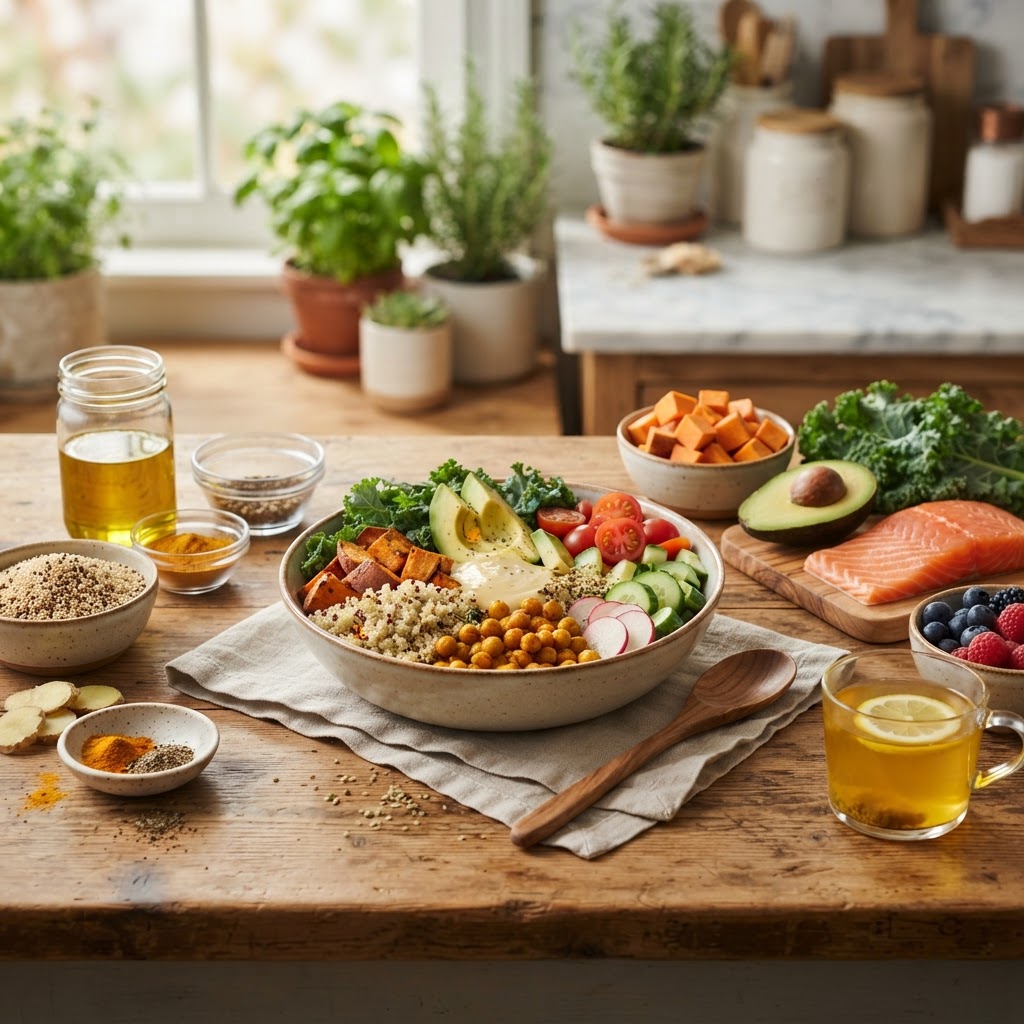
The Anti-Inflammatory Kitchen: 8 Ingredient Swaps to Boost Your Daily Nutrient Intake
In the modern culinary landscape, the kitchen has become far more than a space for mere sustenance; it is now the epicenter of our personal wellness journey. We have spent decades prioritizing convenience and flavor at the expense of our internal biological balance, often relying on processed staples that do little to support our long-term health goals. By embracing an anti-inflammatory mindset, home cooks can effectively transform their daily routines into a series of intentional, healing rituals that nourish the body from the inside out. This isn't about restriction or denying yourself the pleasures of a delicious meal, but rather about choosing high-quality inputs that fuel your vitality. When we start to view our pantry as a pharmacy of sorts, the act of cooking evolves into a powerful tool for longevity and sustained energy.
The philosophy behind "Blame The Chef" is rooted in the belief that great food should always be accessible, flavorful, and functional. Many of the inflammatory triggers in our diets—such as refined sugars, processed vegetable oils, and ultra-processed grains—are actually quite easy to excise once you learn the fundamental chemistry of substitutions. By understanding how different nutrients interact with our inflammatory response markers, we can begin to refine our flavor profiles without sacrificing the soul of our cooking. It is a process of curation, where each ingredient is vetted for its impact on our overall physiological state. Whether you are managing chronic inflammation or simply looking to optimize your recovery after a tough workout, these subtle shifts in your cooking habits will yield profound results over time.
As we dive into these eight ingredient swaps, remember that culinary evolution is a marathon, not a sprint. You do not need to overhaul your entire kitchen overnight to see meaningful improvements in your energy levels and digestive health. Start by swapping one or two ingredients at a time, observing how your palate adjusts to the complexity of real, whole foods. Throughout this guide, I will share the professional techniques and precise ratios I use in my own kitchen to maintain that "chef-quality" standard while keeping inflammation at bay. Let’s prepare to redefine your culinary foundations and unlock a more vibrant, resilient version of your daily cooking experience.
The Foundation of Fats: Swapping Refined Oils for Stable Alternatives
In the professional kitchen, we often talk about the "smoke point" of an oil, but rarely do we discuss the oxidative stability of the fats we consume on a daily basis. Many of the standard industrial seed oils—such as soybean, corn, and canola oil—are highly processed and prone to oxidation, which creates free radicals in the body that can trigger inflammatory responses. Swapping these for more stable, nutrient-dense alternatives is perhaps the single most impactful change you can make in your home kitchen. For high-heat cooking, look toward fats that have a higher percentage of saturated or monounsaturated bonds, which hold up better under thermal stress.
The Superiority of Avocado and Ghee
When you need to sear a piece of wild-caught salmon or sauté a pile of organic greens, avocado oil should be your primary tool. It boasts a smoke point of approximately 520 degrees Fahrenheit, making it incredibly versatile for almost any kitchen task. Unlike many other plant-based oils, avocado oil is extracted from the fruit rather than the seed, which inherently leads to a more stable fat profile. If you are looking for a deeper, nuttier flavor for your stir-fries or roasted vegetables, grass-fed ghee is the undisputed champion. Because the milk solids have been removed, ghee is virtually lactose-free and offers a rich, buttery depth that enhances the inherent flavors of your ingredients without the inflammatory potential of traditional butter.
"True culinary mastery is not found in the complexity of a recipe, but in the integrity of the fats you choose to build your flavor profile upon. When you swap inflammatory, processed oils for stable, nutrient-dense alternatives, you are essentially telling your body that you value its long-term performance over short-term convenience."
Professional chefs often use a ratio of 1:1 when swapping these fats, but you may find that the richness of ghee allows you to use slightly less than a traditional oil. When using ghee, keep your heat levels at a medium-high setting; because it lacks the proteins found in standard butter, it won't burn as quickly, but it is still wise to watch for the initial shimmer. For cold preparations like salad dressings, focus on extra virgin olive oil. Ensure you are purchasing high-quality, cold-pressed varieties, and store them in a dark, cool place to prevent the delicate polyphenols—the very compounds that fight inflammation—from degrading due to light exposure.
Reimagining Your Carbohydrates: From Refined to Whole Grain
The "white carb" dilemma is one that plagues almost every household. Refined flour and white rice are stripped of their bran and germ, which are the very components that contain the fiber and minerals necessary to slow down blood sugar absorption. When we consume these refined carbohydrates, our insulin levels spike dramatically, which can lead to a systemic inflammatory response. Swapping these for whole-grain alternatives is an exercise in texture and earthiness that will ultimately make your meals more satisfying and less prone to post-meal lethargy.
The Power of Ancient Grains and Pseudo-Cereals
If you are accustomed to white rice, consider transitioning to black forbidden rice or red rice. These varieties are packed with anthocyanins, the same potent antioxidants found in blueberries, which help reduce oxidative stress. For a quicker option, quinoa or buckwheat serve as excellent pseudo-cereals. Quinoa is a complete protein, meaning it provides all nine essential amino acids, making it a stellar addition to any plant-forward meal. When cooking these grains, always rinse them thoroughly in a fine-mesh strainer to remove saponins, which can impart a bitter flavor that detracts from the delicate nuttiness of the grain.
By integrating these fibrous grains into your routine, you are not just providing your body with steady, slow-burning fuel; you are also feeding your microbiome. Fiber is the primary fuel source for the beneficial bacteria in your gut, and a thriving gut microbiome is the cornerstone of a healthy immune system. Do not fear the density of these grains—embrace it. When paired with a healthy fat and a quality protein, the result is a balanced, satiating meal that keeps your blood sugar stable for hours.
Sweetness Without the Spikes: Natural Alternatives to Processed Sugar
Refined white sugar is perhaps the most ubiquitous inflammatory trigger in the modern pantry. It is essentially a void of nutrients, acting only as a catalyst for insulin spikes and systemic inflammation. However, the culinary world does not need to be void of sweetness. The trick is to swap in sweeteners that offer at least some mineral content or a lower glycemic impact. By utilizing natural, whole-food-based sugars, you can satisfy your palate while keeping your metabolic markers in check.
The Role of Medjool Dates and Raw Honey
Medjool dates are the secret weapon of the anti-inflammatory baker. When pureed, they provide a caramel-like richness that works perfectly in smoothies, energy bites, and even savory glazes. Unlike white sugar, dates come packaged with fiber, which helps to mitigate the impact on your blood sugar levels. When choosing a liquid sweetener, raw, locally sourced honey is superior to conventional syrups. It contains trace amounts of pollen and enzymes that provide a subtle immune-modulating effect. Avoid heating honey to high temperatures, as this can degrade its delicate nutritional profile; it is best added as a final garnish or folded into dressings and sauces after the heat has been turned off.
"The secret to a balanced palate is not the total eradication of sweetness, but the strategic application of it. Use whole-food sweeteners like dates and local honey to harmonize the bitterness of dark greens or the acidity of citrus, rather than drowning them in processed sugars that disrupt your body's natural equilibrium."
Another excellent swap is monk fruit extract or yacon syrup for those who are strictly monitoring their blood sugar. These sweeteners provide an intense sweetness without the insulin response, making them ideal for individuals managing metabolic concerns. When swapping sugar for dates in a recipe, you can usually substitute at a 1:1 ratio if you are blending them into a paste, but note that the added moisture content means you may need to reduce other liquid ingredients in your recipe by about 10-15%. This professional adjustment ensures your baked goods maintain their structural integrity while delivering a more complex and nutrient-dense flavor profile.
The Salt Upgrade: Mineral-Rich Alternatives to Table Salt
Table salt is a heavily processed commodity, often bleached and treated with anti-caking agents that serve no purpose in the body. When we talk about "the anti-inflammatory kitchen," we aren't suggesting a low-salt diet—in fact, high-quality salt is essential for proper hydration and nerve function. However, the source of your salt matters significantly. By swapping conventional table salt for mineral-rich sea salts, you gain access to essential trace minerals that are often stripped out during industrial refining processes.
Harvesting Flavor with Flake and Crystal Salts
Celtic sea salt or Himalayan pink salt are excellent choices for daily cooking. They contain a wider spectrum of magnesium, potassium, and calcium, which are vital for electrolyte balance. Beyond the mineral content, these salts offer a vastly superior texture and "crunch" factor. When seasoning a steak or finishing a salad, the use of Maldon flake salt provides an immediate, bright pop of salinity that requires you to use less overall sodium to achieve the same perceived flavor impact. Chefs know that finishing a dish with a larger, crunchy salt crystal creates a more satisfying sensory experience than uniform table salt.
* Use fine-grain sea salt for seasoning during the cooking process to ensure even distribution.
* Save the large flake salt for finishing; sprinkle it from about 8-10 inches above the plate to ensure a consistent, light coating.
* Avoid adding salt at the very beginning of slow-cooked braises; wait until the final 30 minutes of the cook to avoid an overly concentrated, "pickled" flavor profile.
* Experiment with herb-infused salts—mixing coarse sea salt with dried rosemary or thyme creates a bespoke seasoning that elevates even simple vegetables.
Remember, the goal is to enhance the food you are cooking, not to mask it. By choosing mineral-dense salts, you are reinforcing your body's ability to maintain hydration and cellular health. This is a subtle swap that translates to a noticeable difference in the "clean" finish of your meals. When you move away from standard processed salt, you will find that your palate becomes more sensitive to the natural salinity of vegetables and proteins, allowing you to gradually decrease your overall sodium intake without feeling like you are eating bland, uninspired food.
Elevating the Protein: From Conventional to Pasture-Raised
Protein is the building block of our cells, but the quality of that protein dictates its impact on our inflammatory profile. Conventionally raised livestock are often fed corn and soy-heavy diets, which result in a meat profile high in Omega-6 fatty acids—a type of fat that can be pro-inflammatory when consumed in excess. By swapping to pasture-raised or grass-finished proteins, you are choosing meat that is naturally higher in Omega-3 fatty acids and conjugated linoleic acid (CLA), both of which support a balanced inflammatory response.
The Nuances of Sourcing and Preparation
Sourcing your protein is an act of supporting a more sustainable food system, but it also directly benefits your biology. Pasture-raised eggs, for instance, have deep orange yolks that signal a high concentration of carotenoids. When preparing these proteins, focus on gentler cooking methods. High-heat searing is fine for an occasional steak, but for the majority of your protein consumption, prioritize poaching, steaming, or slow-braising. These methods preserve the structural integrity of the amino acids and prevent the formation of heterocyclic amines, which can occur during high-temperature charring.
* Always bring your protein to room temperature for 15-20 minutes before cooking; this ensures even heat penetration and reduces the cooking time required at high heat.
* For grass-fed beef, which is leaner than grain-finished, aim for medium-rare. Overcooking grass-fed beef can lead to a tough texture because of the different fat distribution.
When using pasture-raised poultry, use the bones to create a nutrient-dense bone broth*. The collagen and amino acids released during a long simmer (12-24 hours) are highly restorative for the gut lining.
* If you choose fish, prioritize wild-caught oily fish like salmon, sardines, or mackerel to boost your intake of EPA and DHA omega-3s.
The culinary industry is shifting toward a "quality over quantity" model, and you should adopt this in your home kitchen. Reducing your overall portion size of protein while significantly increasing the quality of that protein is a winning strategy for anti-inflammatory living. When you invest in higher-quality ingredients, you will naturally be satisfied with less, as the nutrient density provides the satiety your body craves. Remember, the chef’s job is to treat these ingredients with the respect they deserve—gentle handling, appropriate seasoning, and careful temperature control are your best tools in this endeavor.
The Spice Cabinet Shift: Harnessing Botanical Inflammation Fighters
If you want to take your kitchen to the next level of health-supportive cooking, you must look toward your spice rack. Spices are the most concentrated sources of polyphenols and antioxidants in the entire culinary world. By swapping out generic, dusty spice blends for fresh, high-quality, and anti-inflammatory-forward botanicals, you can turn a mundane meal into a therapeutic event. This is where the artistry of the chef truly shines, as you learn to balance the earthiness of turmeric with the sharp heat of ginger.
Mastering the Turmeric and Ginger Synergy
Turmeric is the poster child for anti-inflammatory ingredients, but it is often misunderstood. To activate the therapeutic compound curcumin, it must be paired with a healthy fat and a pinch of black pepper. The piperine in black pepper increases the bioavailability of curcumin by up to 2,000 percent. Similarly, fresh ginger offers gingerols that aid in digestion and reduce systemic soreness. Keep a knob of fresh ginger in your freezer—it is much easier to microplane into a paste when it is frozen, ensuring a smooth, consistent texture in your sauces and marinades.
"Think of your spice rack not as a shelf of dry powders, but as a chest of botanical medicine. When you pair spices like turmeric with fat and black pepper, you are engaging in a form of kitchen chemistry that transforms your meal from simple nourishment into a potent tool for physiological support."
Beyond the classics, integrate cinnamon to help manage blood sugar, and rosemary or oregano for their concentrated essential oils. When using dried herbs, rub them between your palms before adding them to the pot to release their volatile oils; you will smell the difference immediately. If you are using fresh herbs, add them at the very end of the cooking process to preserve their color and nutritional potency. A fresh hit of parsley, cilantro, or basil is the perfect way to finish a dish, providing a bright, vibrant contrast that wakes up the senses and adds a final layer of nutritional value.
The Vinegar Transition: From Distilled to Fermented
Vinegar is a staple in the chef's arsenal, yet many home cooks rely on distilled white vinegar, which is a sterile, chemical product with no nutritional benefit. By swapping this for raw, unfiltered apple cider vinegar or aged balsamic vinegar, you introduce beneficial acids and potential probiotics into your diet. These vinegars aid in digestion, improve blood sugar management, and act as a wonderful flavor vehicle that brightens up even the most decadent dishes without the need for excess salt.
The Art of the Perfect Vinaigrette
A well-balanced vinaigrette is the mark of a competent home cook. The classic professional ratio is 3 parts oil to 1 part acid, but when using raw, high-acid apple cider vinegar, you might find that a 2:1 ratio is more palatable. To emulsify your dressing like a professional, combine your vinegar, a pinch of salt, a teaspoon of Dijon mustard, and your choice of herbs in a bowl. Slowly drizzle your high-quality olive oil into the mixture while whisking vigorously. The mustard acts as a stabilizer, preventing the oil and vinegar from separating and ensuring a creamy, consistent mouthfeel.
By making this small transition, you are doing more than just improving the flavor of your salads. Fermented vinegars help prime your digestive system by stimulating the production of stomach acid, which is essential for proper protein digestion and mineral absorption. It is a simple, low-effort change that pays dividends in how your body processes the rest of the meal. Start incorporating these living vinegars into your daily cooking, whether in dressings, pan deglazing, or even a simple splash in a glass of water before a meal.
Final Thoughts
The journey toward an anti-inflammatory kitchen is not about attaining perfection; it is about cultivating a conscious relationship with the fuel you provide your body. By implementing these eight swaps—ranging from the fats you use to sear your proteins to the spices that define your flavor profiles—you are creating a framework for health that is both sustainable and delicious. The "Blame The Chef" philosophy is built on the idea that when we take ownership of our kitchen, we take ownership of our longevity. Every meal is an opportunity to reduce inflammation, improve cellular function, and nourish the body with intention.
As you begin to integrate these changes, pay attention to the subtle shifts in your well-being. Notice your energy levels in the afternoon, the clarity of your skin, and the ease of your digestion. These are the indicators of a kitchen that is truly serving its purpose. Do not be afraid to experiment, to taste as you go, and to refine these techniques to suit your own unique palate. Cooking is an art form, and the most beautiful art is that which also serves to sustain the artist.
Finally, remember that the most important ingredient in any dish remains the environment in which it is prepared. Cooking with intention, patience, and a bit of curiosity will always result in a better outcome than rushing through a recipe. Take your time to source high-quality ingredients, respect the heat, and treat your spice rack with reverence. Your body is a complex, resilient, and highly capable machine; give it the premium fuel it deserves, and it will reward you with sustained energy, improved resilience, and a lifetime of culinary joy. Stay hungry for health, and continue to explore the endless possibilities of the anti-inflammatory kitchen.


Get the Next Recipe
Weekly recipes, techniques, and gear picks — straight to your inbox.
