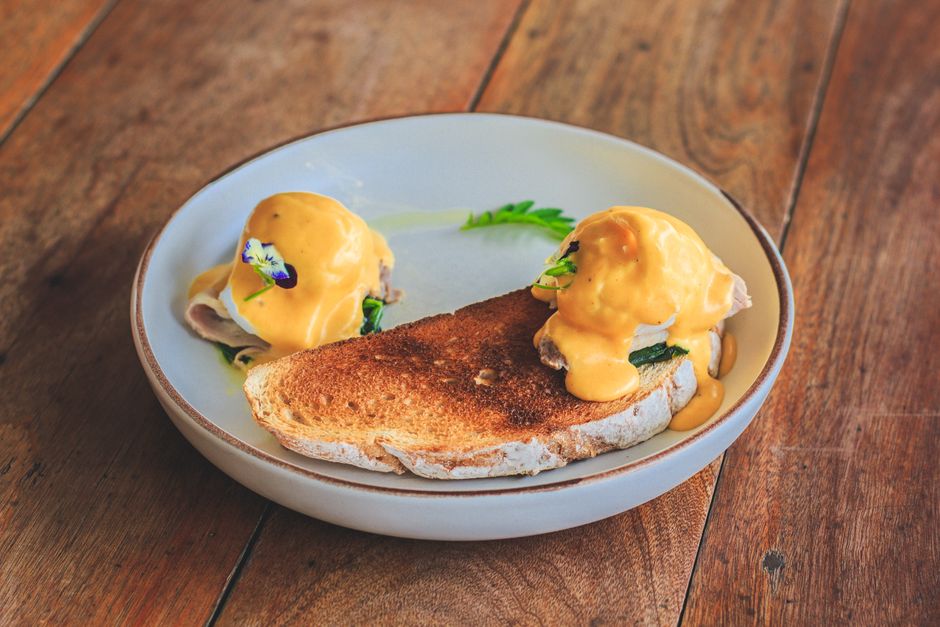
The Art and Science of Perfect Emulsions: Mayonnaise to Hollandaise
Creating a perfectly emulsified sauce can truly elevate any dish from mundane to extraordinary. Many culinary enthusiasts often find themselves intimidated by the idea of emulsions, thinking they require a certain level of expertise that may feel out of reach. However, mastering emulsions like mayonnaise and hollandaise can genuinely enhance your cooking skills and boost your confidence in the kitchen. The beauty of emulsions lies in their versatility — they can be used as dressings, sauces, or toppings — and understanding the science behind them will help you create a range of flavorful culinary delights.
An emulsion is essentially a mixture of two immiscible liquids, such as oil and water, which are held together by an ingredient known as an emulsifier. This is where the art and science merge. In the case of mayonnaise, egg yolks act as the emulsifier, while hollandaise sauce relies on the same ingredients but introduces heat to create a creamy, luxurious finish. It’s a delicate balance of technique and timing that transforms basic ingredients into sumptuous sauces that can elevate a meal in a matter of minutes. By understanding the mechanics of emulsification, home cooks can take charge of their culinary creativity and explore a world of flavor.
As we delve deeper into the realm of emulsions, you will learn about the chemistry involved, the importance of ingredient selection, and troubleshooting techniques for when things do not go as planned. Whether you’re a novice or a seasoned home cook, this exploration will offer you the tools to create perfect emulsified sauces that can brighten your everyday meals and impress your guests.
Understanding the Basics of Emulsions
To truly appreciate emulsions, it helps to grasp the foundational concepts that define them. Emulsions are categorized into two primary types: oil-in-water (o/w) and water-in-oil (w/o). The first, oil-in-water, is the type you'll encounter with mayonnaise and salad dressings, where oil droplets are dispersed in a water-based medium. In contrast, the water-in-oil variety has water droplets suspended in an oily substance, resulting in a richer texture; a classic example of this is butter.
The Role of the Emulsifier
An emulsifier is a substance that helps mix the two liquids that typically don’t combine, such as oil and vinegar. Lecithin, found abundantly in egg yolks, is one of the most common emulsifiers you will encounter in cooking. It contains both hydrophilic (water-attracting) and hydrophobic (water-repelling) properties, allowing it to straddle the line between oil and water, thereby facilitating the emulsification process.
Other common emulsifiers include:
Understanding the role of emulsifiers is crucial. When adequately incorporated, they allow the disparate liquids to combine harmoniously and resist separation.
Emulsion Stability
Stability is key when dealing with emulsions. Factors that influence emulsion stability include temperature, ingredient proportions, and mixing techniques. For example, adding oil too quickly to an emulsion can lead to separation, resulting in a failed sauce or dressing. As a general rule of thumb, oil should be added slowly, especially when creating mayonnaise or sauces like hollandaise, where precision is paramount.
"Mastering the balance of emulsification opens doors to a world of culinary creativity and sophistication."
Tools for Successful Emulsions
Now that we've established the foundations, let’s discuss some essential tools that can help you produce perfect emulsions consistently.
Whisks and Mixing Bowls
When concocting a classic mayonnaise or salad dressing, a simple coil whisk and a sturdy mixing bowl are often your best friends. A wide bowl allows you to whip air into your mixture more effectively, giving you a stable emulsion.
#### Electric Blenders and Food Processors
For those who prefer to take a shortcut, an electric blender or food processor can expedite the emulsification process. This method is beneficial for achieving consistent results and saving time, especially when engaging larger quantities.
Thermometers
Precision is critical for hot emulsions such as hollandaise sauce, where maintaining the right temperature (around 160°F/70°C) is crucial to prevent curdling. A digital instant-read thermometer can be invaluable to ensure you’re achieving that perfect temperature without compromising the sauce’s integrity.
Containers for Storage
Once you've created your delectable emulsion, proper storage is essential to maintain its freshness. Store your homemade sauces in glass containers to keep flavors intact. Make sure to label the container with the date, as emulsions are best used within a few days of being made.
Creating Mayonnaise: A Step-by-Step Guide
Now, let's dive into one of the most popular emulsions in the culinary world: mayonnaise. This creamy condiment serves as a base for countless other sauces and a delicious accompaniment in many dishes.
Ingredients Needed
The beauty of mayonnaise lies in its simplicity. To make a basic mayonnaise, you will need:
Steps to Create Mayonnaise
"Perfecting eggs and oil creates a symphony of texture and flavor in your own kitchen."
Common Mistakes to Avoid
Even experienced cooks can run into trouble when making mayonnaise. Here are a few common pitfalls and how to avoid them:
Exploring Hollandaise Sauce
Next, let's elevate our understanding of emulsions to one of the richest sauces in French cuisine: hollandaise. This sauce is a classic, often paired with eggs for breakfast dishes like eggs benedict.
Ingredients for Hollandaise
Creating a delicious hollandaise requires:
Steps to Create Hollandaise
Troubleshooting Hollandaise
Like mayonnaise, hollandaise can be temperamental. Here are key troubleshooting tips:
Varieties of Emulsified Sauces
Once you’ve mastered mayonnaise and hollandaise, there’s a whole world of emulsified sauces to explore. Experimenting with different flavors and ingredients can unlock new culinary possibilities.
Aioli
Aioli, a garlicky cousin to mayonnaise, celebrates the flavor of fresh garlic. To make aioli, simply incorporate minced garlic with the egg yolk at the start of your emulsion process. A drizzle of olive oil will infuse traditional Mediterranean flavors that pair beautifully with seafood and grilled vegetables.
Béarnaise Sauce
Béarnaise sauce is another classic derivative of hollandaise, enriched with shallots, tarragon, and vinegar. The method is identical to hollandaise, with the added step of infusing the shallots and herbs in vinegar before incorporating the butter, providing a complexity that’s perfect for steak or roasted vegetables.
Green Goddess Dressing
For a refreshing twist, you might consider whipping up a green goddess dressing by combining mayonnaise with fresh herbs like basil and chives, plus anchovy paste for a deeper umami flavor. This emulsion makes a wonderful salad dressing or dip for fresh veggies.
Emulsions Beyond Sauces
The techniques of emulsification can extend beyond traditional dressings and sauces. Comprehending the principles behind emulsions allows for creativity in numerous culinary avenues.
Vinaigrettes
While not strictly an emulsion like mayonnaise or hollandaise, vinaigrettes can still have a level of emulsion when prepared correctly. For a simple vinaigrette:
A well-emulsified vinaigrette will cling beautifully to salads, enhancing the overall flavor of your dishes.
Soups and Purees
Many soups, especially creamy varieties, benefit from emulsification. Using a blender, you can create a silky texture that combines the oil from nuts (like cashews) or cream with broth and veggies for a rich mouthfeel.
The Future of Emulsions
Understanding the art and science behind emulsions can open a myriad of possibilities in the culinary landscape. As home cooks become more familiar with these techniques, they can incorporate them into everyday cooking, explore ethnic dishes that rely on emulsions, and even develop innovative concoctions.
Creative Applications
Think beyond traditional uses. Use emulsified dressings as bases for marinades, or experiment with flavored oils for sautéing vegetables. Emulsions can enhance both texture and flavor, giving common dishes an unexpected twist.
Experimentation
The culinary world thrives on creativity. Once you’re comfortable with the foundational techniques, don’t hesitate to branch out. Experiment with different oils, acids, and emulsifiers. Consider everything from nut oils to fruit purees to tailor your sauces to specific cuisines or personal tastes.
Conclusion
Mastering emulsions such as mayonnaise and hollandaise not only empowers you with foundational cooking techniques but can also transform ordinary meals into extraordinary culinary experiences. By understanding the science behind emulsification, utilizing the right tools, and practicing execution, you can cultivate a skill set that is both versatile and essential for any aspiring chef.
Whether you're dressing a fresh salad, elevating a brunch classic, or exploring new sauces, the ability to create stable emulsions will prove invaluable in your kitchen repertoire. So gear up for your next culinary adventure, embrace the art of emulsification, and let your creativity flow freely!
"Perfectly emulsified sauces are the gateway to gourmet cooking right in your own kitchen."
Experiment, learn, and enjoy the rich flavors that a perfect emulsion can bring to the table. Happy cooking!
(2072 words)


Get the Next Recipe
Weekly recipes, techniques, and gear picks — straight to your inbox.
