
The Art and Science of Perfect Risotto: Mastering Creamy Italian Rice
Risotto, the beloved Italian dish, invites both home cooks and seasoned chefs into a world where creamy textures and delicate flavors rain supreme. The science behind creating the perfect risotto tantalizes the senses as much as the final dish itself. Each grain of rice absorbs flavors, and the transformation from raw ingredients to a luscious, creamy meal brings joy and comfort to the dinner table. While risotto may seem daunting at first, mastering its techniques allows you to create a dish that reflects your skills and creativity.
At its core, risotto relies on the choice of rice, the quality of broth, and the technique of gradual cooking. Arborio, Carnaroli, and Vialone Nano are the favored rice varieties, each bringing a unique texture and absorbency to the dish. As you delve into the world of risotto, you'll discover how these rice types release starch, giving rise to that sought-after creaminess. Additionally, the craft of stirring, the temperature of the broth, and the timing of adding ingredients all contribute to the alchemy of flavor.
The beauty of risotto lies in its versatility. Whether you fancy a classic Risotto alla Milanese with saffron or prefer experimenting with seasonal vegetables and proteins, there are countless variations to explore. This blog post will take you through the art and science of perfecting risotto, providing you with insights that will elevate your cooking and expand your culinary repertoire.
Understanding the Basics of Risotto
The Importance of Rice
At the heart of a great risotto is the rice itself. Arborio rice is the most recognized variety for risotto, known for its short grains and high starch content, which contributes to the creamy texture. However, Carnaroli rice is often referred to as the "king of rice" for its ability to maintain firmness, even under longer cooking times. Vialone Nano offers a slightly different flavor and texture, making it another excellent choice.
Choosing the right rice will set the basis for your dish. While you can experiment with other types of rice, using these traditional varieties will yield the best results.
The Broth—A Flavorful Foundation
Broth (or stock) is the unsung hero of risotto. The quality of the broth you use can make or break your dish. Homemade broth is always the best option, allowing you to control the flavors and quality of ingredients. Here are some types of broth you can use:
When preparing risotto, remember to keep your broth warm. The temperature will help maintain the cooking process without shocking the rice's starches. Professional chefs often keep their broth in a pot on low heat while making risotto, sparking the perfect meld of flavors as you ladle consistently.
Essential Tools and Equipment
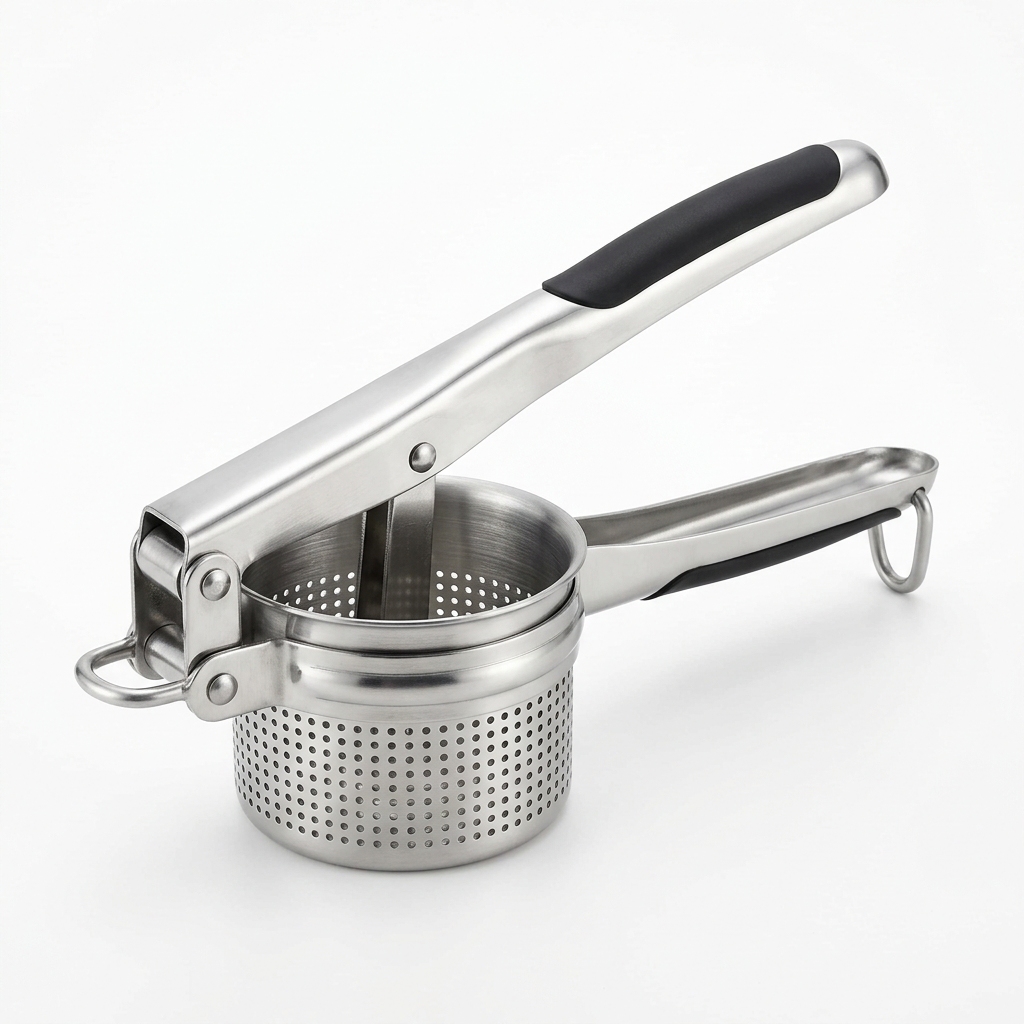
Before you start cooking, gathering the right tools can streamline the process and make your experience more enjoyable. Here’s a list of essentials to keep at hand:
Equipping yourself with the right tools ensures that the cooking process flows smoothly, allowing for a focus on the craft rather than struggling with equipment.
Mastering the Risotto Cooking Technique
Toasting the Rice
Toasting your rice is an important step that many novice cooks overlook. This step enhances the nutty flavor of the grains and makes for a deeper-tasting risotto.
This initial toasting phase lays the groundwork for the dish's overall flavor profile. It is during this time that the rice absorbs the oil, which leads to a more robust end product.
Gradual Addition of Broth
One essential technique in perfect risotto preparation is the gradual addition of broth. Unlike boiling pasta, where you add all the water at once, risotto requires patience and precision. Here’s how to do it:
Keeping the broth at a gentle simmer ensures it integrates with the rice without halting the cooking process.
“The secret to a perfect risotto isn’t just in the ingredients, but in the rhythm of cooking.”
Checking for Doneness
The key to achieving the desired creaminess and texture lies in monitoring your rice carefully as it cooks. You want the rice to be al dente, or firm to the bite, which can take anywhere from 18 to 20 minutes.
Enhancing the Flavor: Add-ins and Finishing Touches
Aromatics and Base Ingredients
In Italy, cooking risotto is often about enhancing a few simple ingredients to create a gourmet dish. Aromatics like onion, shallots, or garlic should be included at the beginning. Here’s a basic method to prepare the aromatics:
This introduction of flavor at the start paves the way for a multi-layered taste experience that the final dish will reflect.
Choosing Complementary Ingredients
The beauty of risotto lies in its versatility. Here are some suggested ingredients to elevate your dish:
When adding these ingredients, consider their cooking times. Mushrooms should be added earlier to caramelize, while softer vegetables, like peas, need only a moment to incorporate before serving.
The Final Stir: Mantecatura
The finish of your risotto, known as mantecatura, is crucial to its creamy texture and flavor. This step allows for the incorporation of butter and cheese to enrich the dish.
This final stirring can also be a moment for creativity—consider incorporating a splash of white wine or a hint of lemon for brightness.
Variants of Risotto: Regional and Creative Takes
Classic Risotto alla Milanese
Originating from Milan, this dish beautifully captures the essence of Italian cuisine. The defining ingredient is saffron, which lends both a golden hue and a unique flavor.
1. Follow the basic risotto method, incorporating ½ teaspoon of saffron threads soaked in warm broth.
2. Add the saffron-infused broth gradually.
3. Finish with grated Parmesan cheese and butter for a rich texture.
The delicate infusion of saffron offers an aromatic experience that’s luxurious and aromatic while remaining simple to prepare.
Seasonal Vegetable Risotto
A wonderful way to honor the season’s harvest is through a vegetable risotto. Incorporating fresh, in-season vegetables not only enhances flavor but also adds nutritional value. Possible vegetables include asparagus in spring and pumpkin in the fall.
1. Sauté vegetables like onion and garlic, then add a blend of seasonal veggies.
2. Use the traditional risotto method; add the vegetables when the rice is halfway cooked.
3. Continue as per the classic risotto instructions, finishing with a seasonal herb, like basil in summer or sage in the fall.
This method ensures that the veggies stay vibrant and firm, adding both texture and nutrition to your dish.
Risotto with Proteins
Proteins can transform your risotto into a hearty main dish. Options like chicken, shrimp, or even a poached egg can elevate your meal and add an appealing contrast to the creamy base.
1. Cook the protein separately; if using chicken or shrimp, season simply with salt and pepper.
2. Add cooked proteins during the final minutes of risotto when it should still be creamy.
3. Offer a finishing touch with a sprinkle of fresh herbs and a squeeze of lemon.
This approach allows for a balanced meal that satisfies both flavor and heartiness.
Troubleshooting Common Risotto Problems
Risk of Overcooking
One of the most frequent issues encountered with risotto is overcooking the rice, leading to a mushy texture. Here are ways to prevent this:
Too Thick or Thin
If your risotto turns out too thick, it's likely you didn’t add enough broth or overcooked it. On the other hand, if it’s too thin, you might have added too much broth or not allowed it to simmer properly.
Lack of Flavor
Taste can often be enhanced by insufficient seasoning. Here are ways to amplify flavors:
Conclusion
Mastering risotto is not just about the perfect technique; it’s also an exploration of tastes, textures, and the joy of sharing a delectable meal. As you embark on your risotto journey, remember the importance of choosing quality ingredients, maintaining a consistent stirring motion, and ensuring that you taste throughout the cooking process.
Each time you prepare this classic dish, you not only hone your skills but also cultivate a deep appreciation for the careful balance of culinary science and art that risotto embodies. Whether you choose to create a luxurious saffron-infused Risotto alla Milanese or opt for a simple, vegetable-packed risotto, the result will always evoke a sense of warmth and satisfaction.
So gather your ingredients, put on your apron, and let the rhythmic stirring transport you into the heart of Italian cuisine. The next time you hear “blame the chef,” you’ll confidently respond, “I am the chef.” Embrace the art and science of risotto making, and share this delicious experience with family and friends. Happy cooking!


Get the Next Recipe
Weekly recipes, techniques, and gear picks — straight to your inbox.
