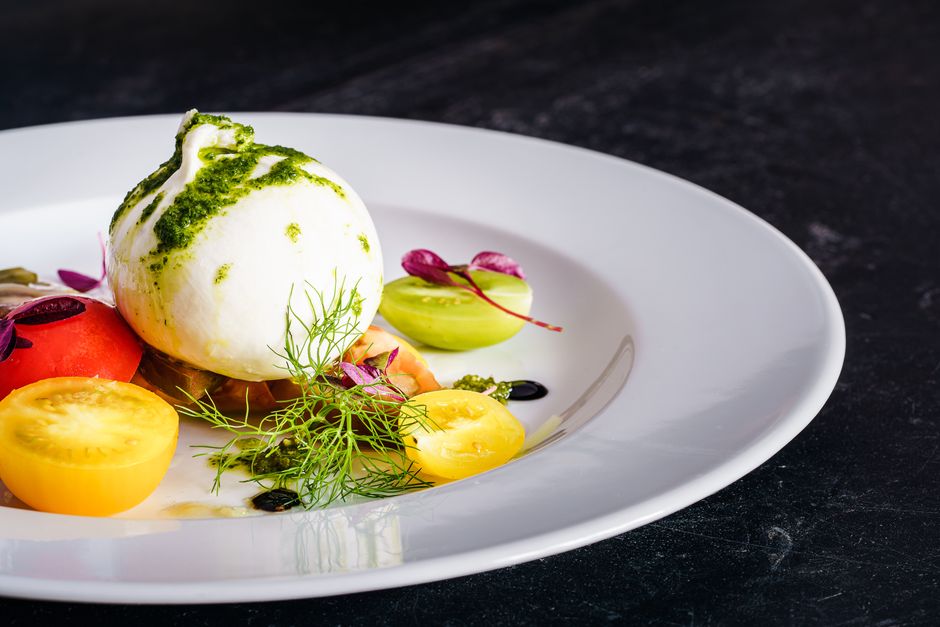
The Art of Burrata: From Italian Tradition to Your Table
Burrata, a decadently creamy cheese originating from the southern regions of Italy, has garnered immense admiration worldwide for its rich flavor and enticing texture. This Italian delicacy, often described as an elevated version of fresh mozzarella, boasts a soft outer shell that encases a luscious interior of creamy curds soaked in fresh cream. As it makes its way onto charcuterie boards, salads, and pasta dishes, burrata transforms the simplest of meals into gourmet experiences. Understanding the nuances behind this cheese does not just enhance your appreciation of it but elevates your culinary skills, allowing you to incorporate it into your cooking repertoire with finesse and confidence.
There is a deep-rooted Italian tradition behind burrata that merits exploration. Originating from the Apulia region, it is said that burrata was created in the early 20th century by the head cheesemaker at a farm who was looking for a way to use excess mozzarella. The result is a beautiful union of textures, with the contrast between the delicate mozzarella shell and the creamy filling captivating cheese lovers since its inception. With burrata’s rising popularity, home cooks should harness its potential through both classic and innovative recipes that honor its heritage while allowing for creative expression.
As we delve into the art of burrata, we will explore its history, various ways to enjoy it, and tips for pairing and preparing this exquisite cheese at home. With a focus on technique and flavor, we aim to empower our readers to not only serve burrata but to celebrate it as a centerpiece in their culinary creations. Whether you are serving it as an appetizer or incorporating it into a main course, the possibilities are endless, and the results are sure to impress friends and family alike.
The History of Burrata
Burrata’s origins trace back to the early 1900s in the countryside of Apulia, Italy. The story goes that a cheesemaker named Lorenzo Bianchino created it in response to the need to utilize leftover mozzarella. By wrapping the discarded curds in a pouch of stretched mozzarella and filling it with cream, he created a new kind of cheese that offered an irresistible combination of textures and flavors.
The Cultural Significance
In Apulia, burrata is more than just a dish; it is a symbol of the region’s rich culinary heritage. This cheese quickly spread across Italy, and its unique appeal transcended borders as it began to gain traction in other countries. Today, burrata is celebrated not only for its exceptional taste but also for its representation of artisanal cheesemaking.
As hostess and chef Chris Bianco from Pizzeria Bianco eloquently puts it, > “Burrata is a celebration of simplicity—good ingredients crafted with love.” It is a staple at festive gatherings, featured prominently on holiday tables, and celebrated in local festivals, where farmers and cheesemakers showcase their work. The appreciation for this cheese has sparked a burgeoning interest in artisanal cheese production around the world, fostering a movement toward sustainable, high-quality ingredients.
Transitioning to Global Fame
In recent decades, burrata has found its way into the culinary hearts of chefs and home cooks globally. Its adoption by trendy restaurants and gourmet markets has made it a household name. This rise is not without culinary merit; burrata is versatile, delicious, and sophisticated. Chefs often feature it alongside seasonal vegetables, fruits, and flavorful condiments, allowing its richness to shine through.
As burrata becomes more accessible, it invites cooks everywhere to engage with its history and use it to create blissful experiences in their kitchens. By understanding its roots, we gain a deeper appreciation for this cheese, and we can honor it in our own cooking as we craft dishes that celebrate its creamy embrace.
Exploring the Texture and Flavor of Burrata
One of the most enchanting aspects of burrata is its distinctive texture. When you cut into the outer mozzarella shell, warm cream and curds spill forth, an experience that delights the senses. This elegant contrast between the buoyant exterior and the indulgent interior is what makes burrata a favorite among chefs and food enthusiasts alike.
The Mozzarella Shell
The outer layer of burrata is made from fresh mozzarella, crafted using the pasta filata technique, where curds are kneaded and pulled into a smooth, elastic state. The result is a delicate casing that boasts a slightly firm texture yet remains tender to the bite. The quality of the mozzarella is paramount; fresh, high-quality mozzarella yields the best flavor and texture.
The Creamy Center
In contrast, the interior consists of stracciatella—shredded fresh mozzarella mixed with cream. The richness of the cream infuses the curds with an exquisite mouthfeel, creating a luscious, indulgent component to the cheese. This combination enhances burrata’s versatility, allowing it to pair beautifully with a range of ingredients.
From a flavor perspective, burrata has a mildly tangy and milky taste with a rich, buttery finish—thanks to the fresh cream. This opulence allows it to shine in simple preparations, where the cheese can take center stage against a backdrop of minimal ingredients.
“The beauty of burrata is its ability to play well with others—be it fruity, spicy, or herby,” notes renowned chef Lidia Bastianich.
Identifying Quality Burrata
When shopping for burrata, consider these key points to ensure you are getting a quality product:
By prioritizing these qualities, you can unlock the full potential of burrata, taking your dishes to the next level.
Pairing Burrata with Flavors
Burrata’s creamy, rich flavor profile makes it incredibly versatile, and pairing it with complementary ingredients can elevate your culinary creations to new heights. Understanding which flavors and textures harmonize with burrata is key to mastering its use in the kitchen.
Classic Flavor Combos
Certain flavor combinations are tried and true, resonating through both traditional Italian cuisine and modern interpretations:
Innovative Combinations
As you become comfortable with traditional pairings, don't hesitate to get inventive. Some modern and unexpected combinations include:
By embracing both classic and innovative pairings, you’ll unlock endless possibilities that allows burrata to shine in your cooking.
Cooking with Burrata
While burrata is often enjoyed fresh and unadulterated, cooking with it can introduce new and exciting dimensions. When it’s heated, burrata melts into a sumptuous, creamy sauce that can elevate numerous dishes.
Practical Applications
Important Techniques
When cooking with burrata, there are some techniques to keep in mind:
“Burrata’s versatility shines when you explore it in both raw and cooked forms. Treat it with respect—you’ll be rewarded tenfold,” advises chef Mario Batali.
Serving Suggestions
Burrata can serve as a show-stopping appetizer or a luxurious addition to any main course. Consider the following serving ideas:
Cooking with burrata invites creativity and exploration in the kitchen. By experimenting with its diverse applications, you’ll discover delightful pairings that highlight this cheese’s luxurious nature.
Storing Burrata Properly
To preserve the quality of burrata post-purchase is crucial. Improper storage can lead to spoilage and loss of its luscious textures and flavors.
Ideal Storage Conditions
Lifespan
Burrata is best enjoyed fresh and should ideally be consumed within 24 to 48 hours of purchase. However, it can be stored for a few days in the refrigerator, provided it remains sealed in its liquid. Watch for any off-odors or unusual appearance, which might indicate spoilage.
When saved beyond a few days, consider repurposing burrata into cooked dishes where its texture will be less discernible.
Reviving Leftovers
If you find yourself with leftover burrata that appears to have lost its luster, don’t fret. Here are a few tips:
Following proper storage guidelines will ensure you maintain the delightful essence of burrata, keeping it fresh for your culinary adventures.
Creative Recipes Featuring Burrata
Creating with burrata is a delightful venture, as its delicious qualities lend themselves to both simplicity and complexity in the kitchen. Here are a few recipes to inspire your next culinary creation:
Burrata Caprese Salad
This classic Italian dish highlights the incredible flavors of burrata with minimal fuss.
Ingredients:
Instructions:
Creamy Pasta with Burrata and Peas
A luxurious and satisfying pasta dish where burrata adds a rich creaminess to the dish.
Ingredients:
Instructions:
Grilled Peaches with Burrata and Honey
An innovative dessert utilizing the sweetness of stone fruit paired with the richness of burrata.
Ingredients:
Instructions:
These recipes embody the spirit of burrata, marrying traditional and contemporary approach while showcasing its delightful nature.
Conclusion
The enchantment of burrata lies not only in its luxurious flavor and texture but also in the stories it tells through Italian tradition and its modern culinary evolution. By engaging with this cheese on multiple levels—learning its history, mastering the art of pairing, and incorporating it into various dishes—you will undoubtedly become a more versatile and confident cook. Burrata invites creativity into your kitchen, encouraging you to experiment, innovate, and ultimately, savor the joy of cooking.
As you explore the art of burrata, let your creativity run wild. Whether featured on a simple platter or incorporated into complex gourmet dishes, burrata has the power to transform ordinary moments into extraordinary culinary experiences. Remember the importance of technique, quality, and imagination in your cooking journey. With each bite, you are partaking in a rich culinary legacy, bringing a piece of Italy’s heart to your table. Embrace the creaminess, celebrate the craftsmanship, and most importantly, enjoy every moment of creating with burrata.
As you embark on your culinary adventure with this decadent cheese, may your dishes shine bright, infused with the beauty and tradition of burrata. Elevate your everyday meals, impress your guests, and, as always, blame the chef for bringing such exquisite flavors into your life!
(Word Count: 2,026)

Get the Next Recipe
Weekly recipes, techniques, and gear picks — straight to your inbox.
