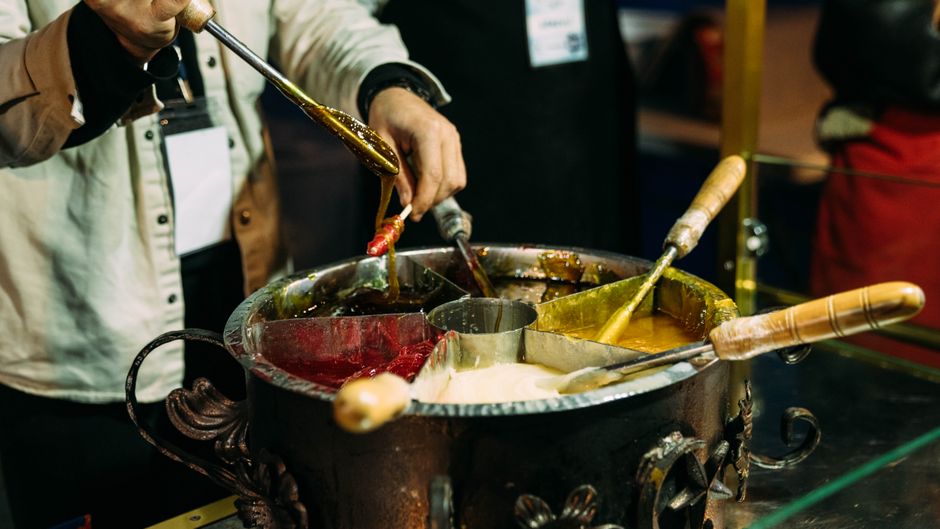
The Art of Caramelization: Transforming Sugar into Liquid Gold
Caramelization is one of the most fundamental techniques in cooking, and it's a magical transformation that can elevate even the simplest of dishes into something extraordinary. The process of turning sugar into liquid gold is not only a cornerstone of pastry and dessert-making but also a vital skill that can enhance savory dishes. When sugar is heated, it undergoes a complex series of reactions that lead to the development of rich flavors, enticing aromas, and a luscious texture that defines countless culinary creations. Understanding the science behind caramelization and mastering the technique can empower home cooks to take their skills to the next level.
In the kitchen, the ability to caramelize sugar properly opens up a world of possibilities. From sauces to desserts, caramelization adds depth and complexity that can transform ordinary ingredients into decadent delights. Whether you are creating a classic caramel sauce for drizzling over your favorite desserts or caramelizing onions to provide a sweet base for soups and stews, knowing how to control the heat and timing is crucial. It may seem simple at first glance, but caramelization is a dance between patience and heat that, when mastered, unveils an array of flavors and textures that delight the palate.
Moreover, caramelization can be a journey of experimentation. Various types of sugar—white, brown, and raw—bring their own unique flavors and properties to the table. Each type of sugar has its own melting point and flavor profile, meaning that a simple adjustment in technique can make a significant difference in the final outcome. By embarking on this journey, home cooks not only improve their culinary skills but also develop a deeper appreciation for the intricacies of flavor development in both sweet and savory dishes.
The Science of Caramelization
Understanding the science behind caramelization is essential for any home cook hoping to master this technique. When sugar is heated beyond its melting point (around 320°F or 160°C), it starts to undergo a process known as thermal decomposition. This process leads to the formation of a variety of complex compounds, responsible for the rich flavors and colors characteristic of caramel.
The Stages of Caramelization
Caramelization occurs in different stages, each contributing its own unique characteristics to the final product. Here’s a breakdown of the key stages:
Factors Influencing Caramelization
Several factors can influence the caramelization process:
By understanding these fundamental principles, you have the tools to create impressive caramelized dishes at home.
Essential Tools for Caramelization
Having the right tools can make or break your caramelization journey. Here are some essential items you should integrate into your kitchen arsenal:
Must-Have Equipment
Optional Tools
While the essentials will serve you well, consider the following optional tools for added versatility:
Equipping your kitchen with these tools will help ease the caramelization process and allow you to focus on what truly matters—creating delicious dishes.
Mastering Caramel Methods
There are various methods for caramelizing sugar, each with its own nuances. Below, we explore some of the most popular approaches that can be applied in both sweet and savory applications.
Classic Dry Caramel
Dry caramel is made by heating sugar alone until it melts and caramelizes. Here’s how to do it:
Wet Caramel
Wet caramel involves adding water to the sugar, which helps to dissolve the sugar evenly and prevents crystallization. This method is especially useful for creating a smooth caramel sauce.
Both methods have their place in the kitchen, imparting sweetness and complexity to your culinary creations—one focuses purely on sugar while the other allows for more control in achieving a smooth texture.
**"The key to successful caramelization lies in patience; rushing the process often leads to burnt sugar and bitter flavors."**
Applications of Caramelization
Caramelization isn’t limited to desserts. It has applications throughout the culinary world, enhancing both sweet and savory dishes in exciting ways. Here are some top uses for caramelization in your kitchen.
Dessert Developments
In desserts, caramelization adds complexity, richness, and depth of flavor. Here are a few wonderful applications:
Enhancing Savory Dishes
Savory dishes also benefit immensely from caramelization:
By investing time in understanding how to harness caramelization in both sweet and savory contexts, the flavor capabilities you unleash in the kitchen are boundless.
Flavor Pairing in Caramelization
One of the most enjoyable aspects of mastering caramelization is exploring flavor pairings that complement your creations. Certain flavors naturally enhance the richness of caramelized sugar.
**"Experimentation is the heart of culinary art; don’t shy away from trying unique pairings to discover your signature flavor."**
Troubleshooting Common Issues
Even with the best techniques, hiccups can happen in the caramelization process. Here are some common problems and how to troubleshoot them effectively.
Crystallization
Crystallization is one of the most common issues when caramelizing sugar. Here’s what to do:
Burning Sugar
Burnt sugar not only ruins flavor but can also ruin your entire dish. What to watch for:
Inconsistent Texture
Sometimes, you may find your caramel is either too watery or too thick. Here’s how to achieve consistency:
By troubleshooting these common issues, you’ll be able to produce perfect caramel every time, allowing you to focus on creating delicious dishes that will impress your friends and family.
Conclusion
The art of caramelization is a technique that every home cook should master, due to its wide range of applications and the incredible depth of flavor it can bring to both sweet and savory dishes. By understanding the science behind caramelization, investing in the right tools, and exploring various methods, you can transform ordinary ingredients into extraordinary culinary experiences. With practice and experimentation, the flavors you can create are seemingly limitless.
As you delve deeper into the art of caramelization, remember to embrace the spirit of experimentation. Every batch of caramel has its unique characteristics, and understanding how to control the temperature and timing will empower you in creating dishes that are uniquely your own. Beyond technical skill, cooking is about creativity and intuition; let your senses guide you to discover incredible new flavors and dishes.
So go ahead, take out your saucepans and start caramelizing! Bring that beautiful, enticing golden sweetness into your kitchen, and watch as your creations become infused with richness and complexity. Happy cooking!


Get the Next Recipe
Weekly recipes, techniques, and gear picks — straight to your inbox.
