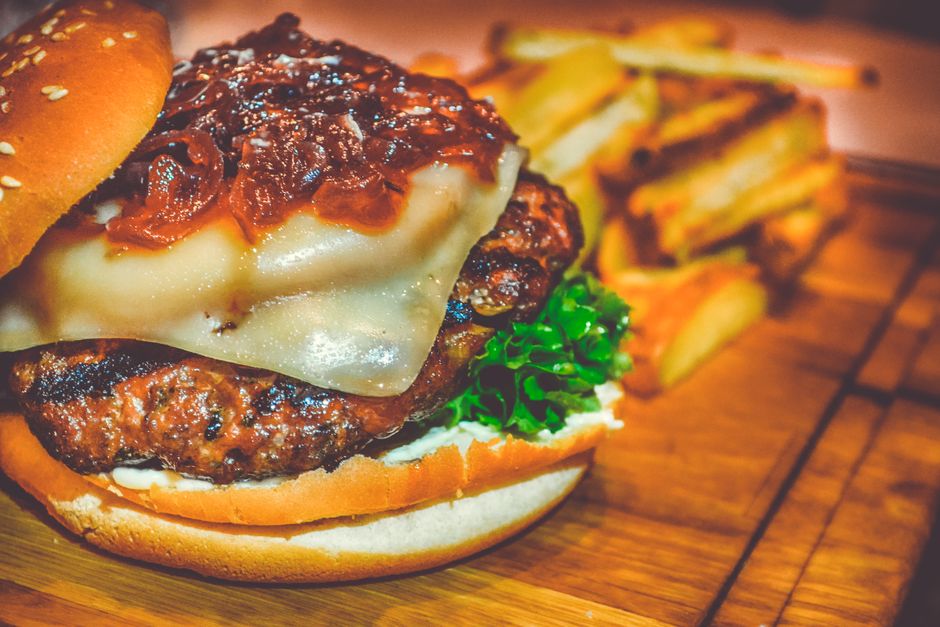
The Art of Caramelizing Onions
There’s something almost magical about the sweet, rich aroma that wafts through the kitchen when you caramelize onions. This humble ingredient undergoes a remarkable transformation—one that elevates it from mere garnish to a star component that can enhance a multitude of dishes. From toppings on gourmet burgers to the foundation of sophisticated French soups, caramelized onions bring a depth of flavor that is simply irreplaceable. In essence, caramelizing onions is a culinary technique worth mastering for any aspiring home chef.
At its core, caramelizing onions involves slowly cooking the onions in fat over low heat, allowing their natural sugars to break down and create a beautifully complex flavor profile. The process can take anywhere from 30 minutes to over an hour, but the wait is well worth it, as the result is a savory-sweet condiment that can transform any recipe. You might find yourself enchanted by the layers of flavor that develop during this seemingly simple technique which, at first glance, appears straightforward but requires patience, attentiveness, and a touch of culinary finesse.
As you embark on this culinary journey, it's essential to understand the science behind what’s happening during the caramelization process. Onions contain a significant amount of sugar—roughly 5-10%—and when exposed to heat, these sugars undergo a series of complex reactions known as the Maillard reaction and caramelization. This development of flavor is not just about heating the onions; it’s a gradual process that allows the sugars to convert to caramel, giving you that deep brown color and sweet taste. Master this technique, and you’ll add a valuable skill to your culinary arsenal.
Understanding Onions: Choosing the Right Type
Before diving into the process of caramelization, it is crucial to select the right type of onion for your dish. Onions come in various shapes, sizes, and flavors, and each has its unique characteristics that can influence the end result.
The Sweet Onion
Sweet onions, such as Vidalia, Walla Walla, and Maui, are known for their pleasantry and lower sulfur content, resulting in a milder, sweeter flavor. These are perfect for caramelizing and bring out the sweet notes that everyone loves. If you crave a truly rich and sweet end product, sweet onions are your best friend.
Yellow Onions
Yellow onions are the workhorses of the kitchen. They provide that robust flavor you'd expect from an onion while still being perfectly suitable for caramelization. When cooked down, they surprise with a sweet, savory nature that pairs well with a variety of dishes. Yellow onions are versatile, making them a common choice for many chefs and home cooks alike.
White Onions
White onions have a sharper bite compared to their yellow counterparts, making them less popular for caramelizing. However, if you're looking for a bite in your dish, they can work as long as you take care to balance their pungent flavor with additional ingredients.
Red Onions
Red onions are often considered the least suitable for caramelizing due to their distinctly sharp flavor and higher sulfur content. Nonetheless, if cooked slowly, they can take on a strikingly beautiful color and a unique tang that stands out when added to specific dishes like tacos or salads.
Choosing the Right Onion for Your Recipe
When deciding which onion to use, consider the overall flavor profile of the dish you're aiming to create. If you want unadulterated sweetness, go for sweet onions. Conversely, if you’re looking for a stronger base flavor, yellow onions will serve you well. As an aside, freshness is also important to keep in mind; always opt for onions that feel firm to the touch and have smooth skins. Avoid those that are soft or sprouting.
Preparation: Slicing and Prepping Your Onions
Getting the cutting technique right is essential when preparing onions for caramelization. Proper slicing ensures even cooking and allows the sugars to be released uniformly, contributing to the desired flavor and texture.
Tools of the Trade
Before you start slicing, gather your tools:
Slicing Your Onions
**Tip**: If you prefer to control the size of your onion pieces, consider dicing them instead of slicing. This will still provide a good caramelization, but will offer a different texture and presentation in your finished dish.
Fundamental Preparation Steps
The Caramelization Process: From Raw to Golden
Once your onions are prepared, it’s time to move to the most exciting part: actually caramelizing them. This process can take a while, but patience is key.
The Initial Heating
The Cooking Technique
Watching for Color Changes
After about 10-15 minutes, you’ll notice the onions begin to turn translucent and then start changing to a golden color. This is a good indication that your onions are on the right path.
**Pro Tip**: For deeper flavor, you can add a splash of balsamic vinegar or a small pinch of sugar midway through the cooking process, but be careful not to add too much as it may overpower the natural sweetness of the onions.
Finishing the Caramelization
After about 30 to 45 minutes, you’ll see the onions develop a well-balanced golden brown color and a sticky texture that indicates they are fully caramelized.**
Troubleshooting: Common Issues and Solutions
Even experienced cooks can run into challenges when caramelizing onions. Here are some common pitfalls and solutions to ensure your caramelization goes smoothly.
1. Onions Burning
2. Onions Are Soggy or Stuck
3. Lacking Flavor or Depth
Creative Uses for Caramelized Onions
Now that you've mastered the art of caramelizing onions, it’s time to explore different ways to incorporate them into your culinary repertoire.
Topping for Burgers and Sandwiches
Caramelized onions add a sumptuous topping to hamburgers, gourmet sandwiches, and wraps. Their richness can elevate even the simplest of ingredients.
Bases for Soups and Sauces
Use caramelized onions as a flavor base for soups, such as classic French onion soup. Their complexity rounds out stocks and adds dimension to sauces, providing a foundation for flavors to build upon.
Incorporating into Pastas and Grain Dishes
Stir them into risottos, pasta sauces, or grain salads. Their natural sweetness complements savory elements like cheese or roasted vegetables, creating a well-rounded dish.
Elevating Pizzas and Flatbreads
Spread caramelized onions over dough as a base. They pair wonderfully with cheeses and fresh herbs, creating a complex flavor profile on pizzas and flatbreads that pleases the palate.
Breakfast Dishes
Don’t shy away from adding them to scrambled eggs or frittatas. Their sweet, savory profile can complement breakfast beautifully, adding depth to dishes that might otherwise be simple.
Side Dishes
Serve caramelized onions as a side dish with roasted meats or grilled fish. They can add a luxurious touch that enhances the primary flavors of your main dish.
Recipes Featuring Caramelized Onions
Using caramelized onions can elevate your dishes in remarkable ways. Here are a couple of recipes that highlight their potential.
Caramelized Onion Tart
Ingredients:
Instructions:
French Onion Soup
Ingredients:
Instructions:
Conclusion
The art of caramelizing onions is an invaluable technique that can elevate your culinary creations with ease. By understanding the principles behind this transformation and applying patience throughout the cooking process, you can unlock flavors that will astonish your taste buds and impress your guests.
As you incorporate this technique into your cooking, remember to experiment with different types of onions, utilize various cooking fats, and know when to add additional ingredients for depth. With practice, you'll gain confidence in mastering caramelized onions, and they will become a staple in your kitchen. So go forth, embrace the sweet aroma, and transform humble onions into a treasure of flavors that can redefine your cooking.


Get the Next Recipe
Weekly recipes, techniques, and gear picks — straight to your inbox.
