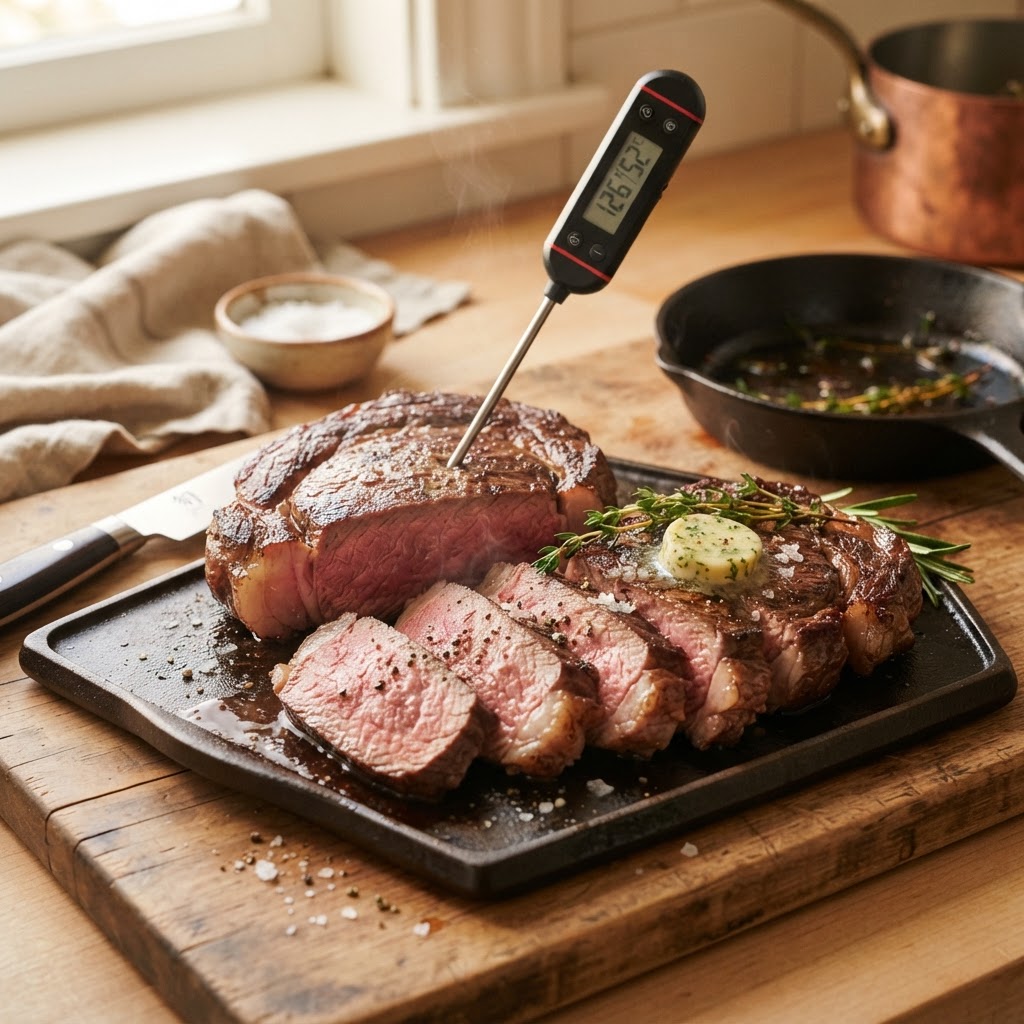
The Art of Carryover Cooking: Mastering Residual Heat for Perfectly Finished Proteins
The kitchen is a place of constant transformation, where the alchemy of heat turns raw ingredients into sustenance, comfort, and art. Most home cooks focus entirely on the active portion of the cooking process—the searing, the flipping, and the constant monitoring of the flame—but the true secret to professional-grade results lies in what happens after you pull the pan off the heat. This phenomenon, known as carryover cooking, is the bridge between a good meal and a restaurant-quality masterpiece. It is the period of transition where internal temperatures continue to climb even after the thermal source has been removed, a principle often ignored or misunderstood by those who rely solely on time-based cooking rather than thermal physics.
Understanding the behavior of residual heat allows you to take control of your proteins with surgical precision. Many of us have experienced the disappointment of a steak that was perfectly pink in the pan, only to find it gray and dry by the time it reaches the dinner table. This tragedy is almost always the result of failing to account for the energy already stored within the meat fibers. When we recognize that heat is a physical quantity that continues to migrate toward the cooler center of a protein even after it leaves the pan, we stop cooking by the clock and start cooking by the science of temperature gradients.
In this guide, we will explore the nuances of thermal momentum, the importance of calibration, and the essential rituals that elevate the home kitchen to a professional standard. You will learn to predict the rise of your proteins, manage the resting period with intent, and ultimately, stop blaming the chef when things go wrong—because once you master the art of the post-pan finish, you will finally have the tools to ensure every cut of meat reaches its peak potential. It is time to stop fearing the resting board and start using it as the final, critical step in your culinary workflow.
The Physics of Thermal Momentum
To master carryover cooking, you must first accept that the surface of your protein is significantly hotter than the interior. When you sear a steak or roast a chicken, the exterior is subjected to intense direct heat, creating that beautiful, flavorful Maillard reaction. However, that exterior heat does not instantly reach the center; it builds a thermal gradient. When you remove the protein from the heat source, the high-temperature surface acts as a reservoir of energy that continues to move inward, searching for equilibrium.
The Thermal Gradient
The depth of this gradient depends on the size and shape of the protein. A thin pork chop will carry over less than a thick standing rib roast because the distance the heat must travel is shorter. Professional chefs use the term thermal momentum to describe this movement. If you remove a filet mignon from the pan at 130°F, you can expect an increase of 5 to 10 degrees depending on the ambient temperature and the thickness of the meat. If you are aiming for a perfect medium-rare of 135°F, pulling the protein early is not just a suggestion—it is a necessity.
The Role of Density
Different proteins hold and transmit heat at different rates. Dense, fibrous muscles like a beef brisket or a leg of lamb have a different thermal conductivity than delicate proteins like scallops or white fish. Understanding the density of your ingredients is the first step toward predicting how much heat they will retain. For instance, a denser protein will hold onto its residual heat longer, meaning the carryover period may be extended. Conversely, thin, delicate proteins should be removed from the heat almost immediately before they reach the target temperature, as they have little internal mass to continue the cooking process.
"Cooking is not a race to the finish line; it is a calculated journey toward equilibrium. The pan is merely the beginning; the resting board is where the true transformation occurs."
Essential Tools for Precision Cooking
The days of poking a steak with your thumb or guessing based on the clock are over. If you want to achieve professional consistency, you need to invest in a high-quality instant-read digital thermometer. These tools are the compass by which you navigate the kitchen. A thermometer removes the anxiety of uncertainty, allowing you to focus on the textures and flavors of the dish rather than wondering if the center is safe or cooked to your preference.
The Instant-Read Advantage
Not all thermometers are created equal. You want a device that provides an accurate reading in under three seconds. This is crucial because if you are checking a small piece of meat, a slow thermometer will allow too much heat to escape while you wait for the numbers to settle. Furthermore, you should look for a device that is calibrated for accuracy. A thermometer that is off by even five degrees can mean the difference between a succulent medium-rare and a rubbery, overcooked disaster.
Setting Up Your Workflow
To properly utilize carryover cooking, follow these steps:
The Art of the Resting Period
Resting is often treated as a suggestion, but it is actually the most important part of the cooking process. When proteins are subjected to heat, their muscle fibers contract and squeeze moisture toward the center of the piece. If you slice into a steak the moment it leaves the heat, those juices will run out onto the board rather than staying within the meat. By letting the protein rest, you allow the fibers to relax and the juices to redistribute throughout the tissue, ensuring that every bite is as tender and flavorful as possible.
Managing Internal Equilibrium
The resting period is essentially the final stage of the cooking process. During these minutes, the temperature gradient begins to level out. The surface temperature drops slightly while the core temperature rises, creating a more uniform doneness from edge to edge. This is why a well-rested steak looks pink from side to side, whereas an un-rested steak often displays a wide, gray band of overcooked meat at the edges and a raw, cold center.
Time Guidelines for Resting
While the duration of the rest depends on the size of the protein, a good rule of thumb is as follows:
Small portions (steaks, chops, fish fillets):* 5 to 8 minutes.
Medium cuts (tenderloins, large breasts):* 10 to 15 minutes.
Large roasts (whole poultry, racks of lamb, prime rib):* 20 to 45 minutes, loosely tented with foil.
"A protein that is not allowed to rest is a protein that has been robbed of its succulence. Patience is the secret ingredient that balances the aggressive intensity of the sear."
Carryover Cooking with Different Proteins
Every protein requires a slightly different approach when calculating the "pull" temperature. A chicken breast, for example, is notoriously lean and prone to drying out; it requires a shorter carryover period because the margin for error is razor-thin. Beef, specifically fatty cuts like ribeye, can handle a bit more residual heat because the intramuscular fat keeps the meat moist even if the temperature climbs slightly higher than intended.
The Poultry Protocol
When cooking poultry, we are often managing safety as much as quality. The goal is to reach 165°F at the thickest part of the breast or the joint of the thigh. However, if you wait until the thermometer reads 165°F in the pan, the carryover cooking will push the temperature to 175°F or higher, resulting in dry, chalky meat. Aim to pull your chicken at 160°F and let it rest for at least 10 minutes. The residual heat will safely bring the meat to the desired doneness while maintaining its natural juices.
Seafood and Delicate Proteins
Seafood is the most challenging category because of its delicate structure. Fish proteins denature at much lower temperatures than land mammals. For a salmon fillet, you want to pull it from the heat when the center is still slightly translucent, perhaps at 120°F to 125°F. As it rests, the residual heat will finish the cooking process, turning the flesh opaque and perfectly flakey. If you cook fish to 145°F in the pan, by the time it reaches the table, it will be hopelessly overcooked and dry.
The "Searing and Finishing" Hybrid
Many professional kitchens utilize a reverse sear or a low-and-slow method that pairs perfectly with carryover cooking. By cooking the protein slowly in a low-temperature oven first, you create a very even internal temperature. You then finish it with a high-heat sear in a cast-iron skillet for the crust. Because the center is already near the target temperature, the carryover time is minimal, allowing for a crust that is dark and crisp without sacrificing the texture of the interior.
Variables That Affect Your Results
While the science is consistent, your kitchen environment is full of variables that can influence the speed and intensity of carryover cooking. Factors like the ambient temperature of your room, the material of your cookware, and the presence of fats or liquids in the pan all play a role in how your protein finishes. A heavy-bottomed cast iron pan will hold more heat than a thin stainless steel sauté pan, which means your protein will continue to cook more aggressively if left in the former.
Managing Ambient Temperature
If you are cooking in a cold kitchen, your carryover time might be slightly shorter. Conversely, in a warm, humid environment, or if you transfer your meat to a warmed platter, the carryover period might be slightly longer. Preheating your plates is a pro tip that ensures your food stays at the perfect eating temperature without overcooking the meat. By placing your rested steak on a warm plate, you provide a gentle environment that keeps the fat rendered and the texture luxurious.
The Effect of Pan Choice
Think of your pan as an extension of the heat source. If you cook in a high-thermal-mass pan like cast iron or clad stainless steel, that pan will remain hot long after you turn off the burner. If you remove your protein but leave the pan on the stove, or worse, leave the protein in the pan, you are effectively still roasting it. Always remove the protein from the hot pan and place it on a clean cutting board or a wire rack immediately after the sear to stop the direct thermal input.
Identifying the Variables
Troubleshooting Common Errors
Even with the best techniques, things can go wrong. Perhaps you pulled the meat too early, and it is still too raw for your liking, or you left it too long, and it is past the point of medium-rare. The first rule is not to panic. Carryover cooking is a process of management, not a magic trick that fixes poor prep. If you have under-pulled, you can always put the meat back in the pan for 30 seconds, but you can never "un-cook" an overdone steak.
The "Pan-Sauté" Adjustment
If you find that your protein is significantly below your target after the resting period, don't throw it back under the broiler or into a high-heat oven. Instead, use a gentle pan-sauté approach. Place the protein back in a medium-low pan with a knob of butter. The butter will help conduct the heat evenly and quickly without searing the exterior any further, allowing the core temperature to rise those final few degrees in a controlled manner.
When to Abandon the Resting Board
Occasionally, you might be in a situation where the environment is too cold, or the protein is so small that a long rest will result in a lukewarm, unappetizing meal. In these rare instances, you can skip the full rest, but you must compensate by pulling the meat even earlier. However, this is advanced territory. It is always safer to lean into the resting process and warm your serving vessels rather than trying to cheat the biology of the meat.
"Mastery is the ability to anticipate the outcome before the action is complete. When you stop cooking to the clock and start cooking to the temperature, you are no longer just following a recipe—you are interpreting it."
Final Thoughts
The art of carryover cooking is essentially the practice of culinary humility. It requires us to step back and let the heat do the work it is physically destined to do. By mastering the transition from the flame to the table, you transform from a cook who follows instructions to a chef who understands the behavior of food. You move from a place of guessing to a place of confidence, knowing exactly when to pull that ribeye, that chicken breast, or that delicate piece of white fish from the heat.
Remember that temperature is a destination, not a singular point in time. Your goal is to reach that destination with grace, allowing the proteins to rest, redistribute their juices, and achieve the perfect texture that defines a well-executed dish. When you master these principles, you will find that the "blame" shifts from the chef to the result, which will be consistently perfect. Take these techniques into your kitchen, practice the timing, and embrace the silence of the resting period. Your future meals—and your dinner guests—will thank you for the intentionality you bring to every pan.
Keep your thermometer handy, your knives sharp, and your mind open. The transition from home cook to a master of the heat is not found in complex ingredients or fancy garnishes, but in the small, quiet moments when you allow the food to settle into its final, most perfect form. Continue to experiment, keep track of your findings, and always celebrate the small victories along the way. Whether you are searing a steak for a Tuesday night dinner or preparing a roast for a holiday celebration, the principles of carryover cooking remain your most reliable ally. Now, step back to the stove, trust the science, and serve your masterpiece with pride.
As you continue your journey, keep in mind that every kitchen has a unique thermal footprint. Do not be discouraged if your first attempt at timing the carryover isn't perfect. Even the most seasoned chefs adjust their approach based on the tools they are using and the thickness of the specific cut of meat they are handling. The key is consistency in your process. Use the same pans, use the same thermometer, and record your data. Over time, you will develop a "chef's intuition" that goes beyond the numbers on a digital display. You will be able to look at the browning of a crust or the tension of the meat when pressed and know exactly when it is time to remove it from the fire.
Finally, remember that cooking is an act of service. Whether you are feeding your family or hosting a large group, the care you put into the final stages of your dish is a reflection of your dedication to the craft. Carryover cooking is not just about temperature; it is about respect for the ingredients you have chosen. By avoiding the pitfalls of overcooking and ensuring that your proteins are rested to perfection, you honor the effort that went into raising, harvesting, and prepping that food. There is a deep satisfaction in sitting down to a meal that was handled with such care, knowing that you have eliminated the guesswork and achieved a result that stands up to the highest standards.
Mastering this technique is a process of constant refinement. There will always be new cuts of meat to explore, new pan materials to test, and new environments to cook in. Embrace this perpetual state of learning. Your kitchen is your laboratory, and you are the lead scientist. As you refine your skills, you will find that cooking becomes less about stress and more about the rhythm of the work. The "pan-sear, rest, serve" cycle will become second nature, and you will find yourself enjoying the process just as much as the outcome. So, keep that thermometer close, keep those plates warm, and continue to challenge yourself to achieve that perfect, even doneness every single time you cook.
To summarize the journey we have taken in this guide:
With these five pillars in place, you are ready to tackle any protein with the confidence of a pro. Stop stressing about the finish, start embracing the physics of the heat, and enjoy the process of perfecting your craft one meal at a time. The kitchen is waiting, and with the art of carryover cooking, you are fully prepared to command the results you deserve. Happy cooking, and may every meal you serve be a testament to your growing mastery.
As we wrap up, reflect on your last few culinary projects. Were they rushed? Did you cut into the meat too soon? By identifying these small habits, you can immediately begin to upgrade your results. Implementing the resting step alone will improve your cooking more than any expensive gadget or exotic ingredient ever could. It is the hallmark of a serious cook, and it is a habit that will distinguish your home-cooked meals from everything else. Always prioritize the resting time, no matter how hungry you are or how eager your guests might be. A few extra minutes of patience will pay off in a flavor profile and texture that simply cannot be replicated otherwise.
Keep exploring, keep reading, and keep pushing the boundaries of your culinary knowledge. There is always more to learn about the way heat interacts with proteins, fats, and tissues. Whether you are delving into sous-vide, mastering the grill, or refining your stovetop techniques, the lessons of carryover cooking will remain universally applicable. It is a fundamental truth of the culinary arts, and once you have truly grasped it, it becomes an inseparable part of your cooking identity. Now, go forth and create something extraordinary, knowing that you have the knowledge and the discipline to ensure a perfect finish, every single time.
Finally, let us consider the emotional reward of cooking. When you serve a perfectly prepared piece of meat, you aren't just providing calories; you are providing an experience. When the texture is perfect, the juices are contained, and the doneness is uniform, the dish speaks for itself. It tells a story of care, attention, and professional intent. That is the true goal of the home chef—to take raw ingredients and turn them into a memory that lingers long after the meal is finished. Keep refining your technique, stay curious about the science, and above all, enjoy the process. You are doing great work in that kitchen.
Remember, the "Blame The Chef" philosophy is all about empowerment. When you have the knowledge, you don't have to blame anyone for a sub-par meal because you have the tools to troubleshoot and improve. You become your own best teacher, your own harshest critic, and eventually, your own best example of culinary excellence. Carryover cooking is your first step into a larger world of precision and professionalism. It is not just a technique; it is a mindset. Apply it with confidence, and see how your cooking transforms.
Lastly, always share your knowledge with those who ask. The culinary community is built on the sharing of tips, tricks, and hard-won wisdom. When you see a friend struggling with a dry chicken breast or an overcooked steak, guide them toward these principles. Teach them the importance of the thermometer, the necessity of the resting board, and the wonder of residual heat. By spreading these practices, we all become better cooks, and the quality of home dining rises for everyone. It is a rewarding path, and I am glad you have chosen to walk it with me here at Blame The Chef.
Stay focused on the internal temperature, respect the thermal momentum of your ingredients, and never underestimate the power of letting things be. The finish line is closer than you think, and with the right strategy, you will always cross it with a perfectly cooked protein. Keep the fire burning, but know exactly when to extinguish it. The science is on your side, the tools are in your hands, and the results will speak for themselves. Go make a masterpiece. You've got this. Your kitchen, your rules, your perfect finish. Every time.

Get the Next Recipe
Weekly recipes, techniques, and gear picks — straight to your inbox.
