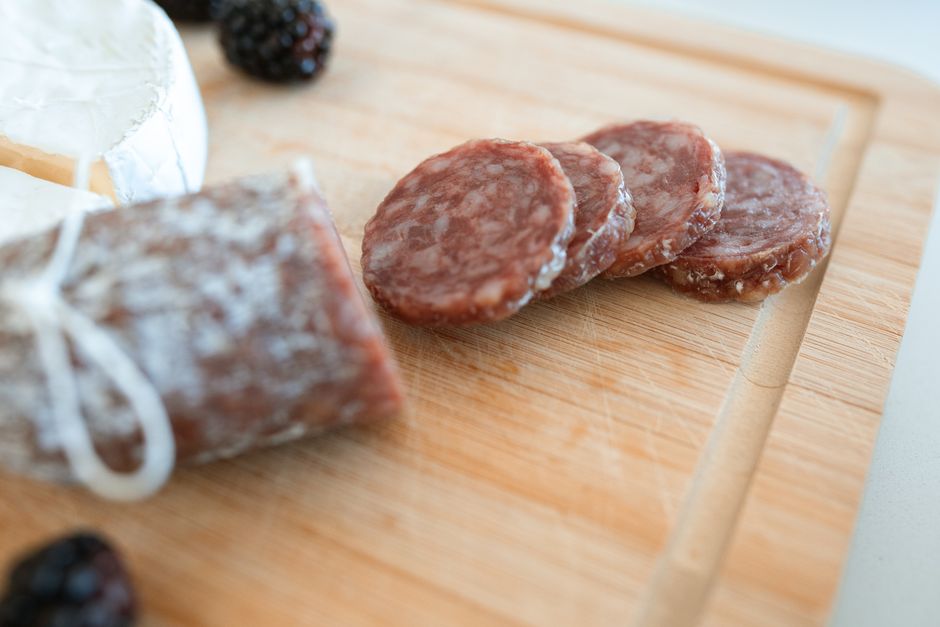
The Art of Charcuterie: Building the Perfect Board
When it comes to hosting gatherings, nothing captures the hearts and palates of guests quite like a charcuterie board. This culinary art form has surged in popularity, transforming from a simple platter of meats and cheeses into a canvas for creativity and flavor. As we delve into the world of charcuterie, we uncover the secrets behind building the perfect board that showcases a rich variety of flavors, textures, and aesthetic appeal. Whether you’re planning an intimate gathering or a lavish celebration, understanding the nuances involved will help elevate your entertaining game to a new level.
Creating a charcuterie board is not just about the components but also about the narrative behind them. Each item you choose tells a story, whether it's a selection from a local artisan butcher, a cheese from a nearby farm, or even a homemade condiment. The process invites exploration and discovery, allowing you to tailor your selections to suit your guests’ palates and preferences. As you curate these components, consider how the interplay of flavors—sweet, salty, tangy, and umami—can provide a delightful tasting experience.
Moreover, charcuterie is not just limited to meats and cheeses. Vegetables, fruits, nuts, and a variety of dips and spreads can round out your offerings, making your board a veritable feast for the eyes and taste buds. This diversity not only accommodates different dietary preferences but also enhances the overall enjoyment for all who partake. By mastering the art of charcuterie, you arm yourself with a versatile skill that will serve you well for years to come.
Understanding Charcuterie: Origins and Definitions
Charcuterie originates from France, where it was historically used to preserve meats. The term itself translates to “cooked flesh,” typically referring to pork products such as ham, salamis, and terrines. In contemporary culinary practice, the specific components have expanded significantly, and the term now encompasses a wider range of meats, cheeses, and accompaniments that can appear on a board. Understanding the origins and the versatile nature of charcuterie can help you appreciate the art behind creating an impressive board.
A Brief History of Charcuterie
While charcuterie may have French roots, it is influenced by culinary traditions from across the globe. The practice of preserving meats dates back hundreds of years, originally developed out of necessity to prevent spoilage and maximize the use of an animal. Techniques such as curing, smoking, and fermenting became vital in this process. Over time, charcuterie developed into an art form, with regions of France famous for their distinct styles, such as saucisse (sausage) from Toulouse and foie gras from the southwest.
The evolution of charcuterie reflects changes in society, from agrarian communities relying on seasonal produce to modern urbanites seeking variety and convenience. As worldwide trade expanded, so did the flavors available to home cooks and chefs, encouraging the fusion of different cultures and ingredients on charcuterie boards. Today, we can find not only traditional European offerings but also influences from Asian, Middle Eastern, and New World cuisines, providing endless possibilities for creativity.
Modern Charcuterie: A Culinary Trend
In recent years, charcuterie has become a buzzword among food enthusiasts and casual hosts alike. Social media platforms are flooded with stunning images of elaborate boards, inspiring both aspirational cooks and professional chefs to create their versions. The emphasis on local sourcing, sustainability, and artisan products plays a significant role in the contemporary charcuterie scene. Consumers increasingly seek out small-batch producers, organic options, and ethically raised meats and dairy, which contribute not only to the flavor but also to the quality and integrity of the board.
To reflect this modern trend, charcuterie boards have become synonymous with casual entertaining, often serving as the centerpiece of gatherings. Whether at an upscale event or a cozy night in, they offer a shared culinary experience that encourages interaction and conversation. This embracing of communal dining is rooted in our innate desire to connect over food, making charcuterie boards a fashionable and meaningful addition to any celebration.
Selecting Your Components: The Building Blocks of a Great Board
Creating an exceptional charcuterie board starts with selecting the right components. There are no hard and fast rules, but understanding how to balance flavors and textures will significantly enhance your board's impact. Aim for a variety of meats, cheeses, accompaniments, and garnishes to make your board visually appealing and appealing to a range of tastes.
Meats: The Heart of the Board
Choosing the right selection of cured meats is essential to a captivating charcuterie board. Consider including a blend of flavors and textures to create depth. Here are several popular options:
Cheeses: Complement and Contrast
Alongside the meats, cheese is a critical component that unites the flavors on the board. Aim for a variety of milk types and textures. Here are some ideas to consider:
Accompaniments: The Flavor Enhancers
Accoutrements are the stars that can elevate your charcuterie board. Think about textures and flavors that will complement the meats and cheeses. Here’s what to consider:
Visual Appeal: Arranging Your Board
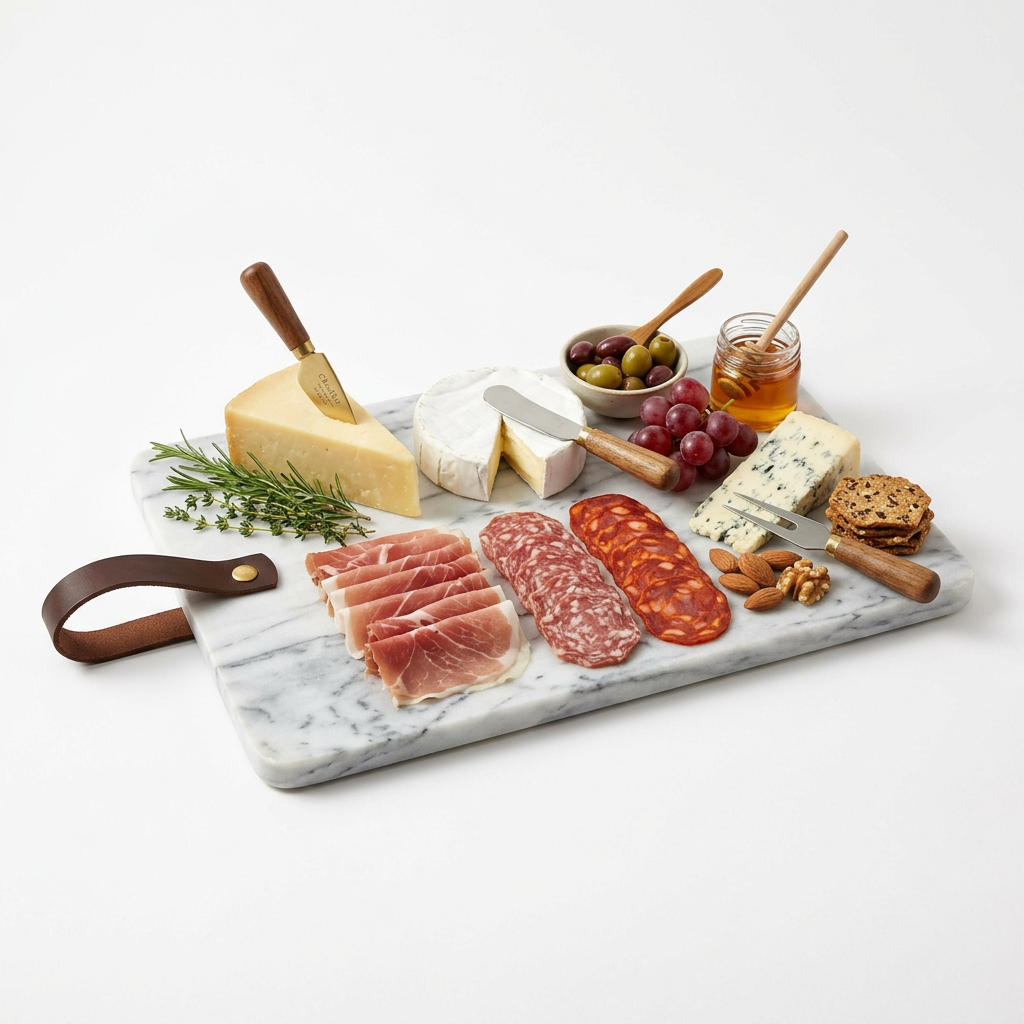
Once you have selected your components carefully, the next step is presenting them with artistic flair. A visually appealing board will capture attention and draw guests in. Here are some tips for arranging your charcuterie board effectively:
“Presenting your charcuterie board beautifully will make it not only a treat for the taste buds but a feast for the eyes.”
Mastering Pairings: Complementing Flavors
The art of charcuterie lies in the balance and harmony of flavors. Mastering this will take your board from good to outstanding. Understanding how to pair different flavors enhances the tasting experience, elevating each bite to a new level.
Meats and Cheeses: Classic Combinations
Certain flavors naturally complement one another, and harnessing this will unlock the full potential of your board. For instance:
Elevating with Condiments
Using condiments to elevate each bite adds depth and dimension. Here are some pairings that can make a significant difference:
Keeping Dietary Restrictions in Mind
In a diverse group of diners, it’s vital to consider dietary restrictions and preferences. Here’s how to ensure that everyone can enjoy your charcuterie board:
DIY Charcuterie: Making Your Own Components
While store-bought options are convenient, there is a special satisfaction in creating your charcuterie elements. Making your own cured meats, cheeses, or spreads can impress your guests and personalize your offerings. Below are basic recipes to get you started.
Making Cured Meats
Curing your meat takes time, but the results are mouthwatering and rewarding. Here's a quick guide to making your own simple pancetta:
#### Ingredients for Pancetta
#### Instructions
This cure time allows the flavors to develop and moisture to reduce, resulting in a flavorful pancetta to slice for your board.
Homemade Cheese: A Simple Ricotta
If you prefer a milder cheese option, homemade ricotta is straightforward and requires only a few ingredients:
#### Ingredients for Ricotta
#### Instructions
Delicious Spreads: Creating Your Own Jams
Creating your own spreads is an excellent way to add personal flair to your board. Consider a simple fig jam that pairs beautifully with cheese:
#### Ingredients for Fig Jam
#### Instructions
Creative Themes for Charcuterie Boards
Implementing creative themes can make your charcuterie board a conversation starter and an experience in itself. Themes can tie in with holidays, seasons, or specific cuisines. Here are a few ideas to inspire you:
Seasonal Charcuterie
Reflect the seasons in your charcuterie board by selecting ingredients that are in peak abundance:
Geographic Themes
Explore the culinary traditions of different cultures. For a Mediterranean board, include:
Wine Pairing Board
Pair your charcuterie selection with specific wines for a sophisticated experience:
By curating your ingredients through a lens of creativity, you enhance the overall experience for your guests.
Final Thoughts
The art of charcuterie is an exploration of flavor and presentation that can elevate your entertaining skills. Whether you’re hosting a casual get-together or an elegant soirée, a well-crafted charcuterie board serves as an inviting centerpiece, sparking conversations and connections among your guests. By mastering the selection and arrangement of ingredients, understanding pairing principles, and experimenting with homemade components, you can create a charcuterie board that is both delicious and visually stunning.
As you embark on your charcuterie journey, remember that the most crucial ingredient is your passion for food and hospitality. Stay curious, experiment with new flavors and textures, and allow your creativity to shine. Your charcuterie board will not only reflect your culinary skills but also create lasting memories for all who gather around to enjoy the feast.
Embrace the elegance of simplicity, and let each gathering be an opportunity to explore, celebrate, and enjoy the rich world of charcuterie, one bite at a time.

Get the Next Recipe
Weekly recipes, techniques, and gear picks — straight to your inbox.
