
The Art of Confit: Slow-Cooking in Fat for Silky, Tender Perfection
The allure of perfectly cooked food, the kind that melts in your mouth and leaves you utterly satisfied, is a culinary siren song. For many home cooks, achieving that level of exquisite tenderness and profound flavor can seem like a distant dream, reserved for the hallowed halls of professional kitchens. Yet, the secrets to such culinary magic are often simpler than we imagine, rooted in ancient techniques that, with a little understanding and practice, can be masterfully wielded in our own homes. Today, we're diving deep into one of these foundational, yet often overlooked, methods: confit.
Confit, a French term meaning "to preserve," is a cooking process where food is slow-cooked in fat at a low temperature. This isn't about frying; it's a gentle immersion that coaxes out moisture and renders fat, transforming even the most humble ingredients into something extraordinary. Think of it as a slow, loving hug from a pool of fat, resulting in unparalleled succulence and a depth of flavor that is simply unattainable through other cooking methods. It’s a technique that speaks of patience, of respecting the ingredient, and of a profound understanding of how heat and fat interact to create culinary alchemy.
While often associated with classic dishes like duck confit, the principles of confit extend far beyond poultry. Vegetables, fish, garlic, and even fruits can be transformed through this luxurious process. It’s a technique that requires a bit of foresight, as it’s not a weeknight express meal, but the rewards are immense, offering a taste of pure, unadulterated deliciousness that will impress your guests and elevate your own cooking repertoire. Prepare to embark on a journey into the heart of slow-cooked perfection, where fat becomes not an adversary, but a powerful ally in the pursuit of silken textures and profound flavors.
The Science Behind the Magic: Fat as a Flavor and Texture Transformer
At its core, confit is a masterclass in low-temperature cooking. Unlike frying, where high heat creates a rapid Maillard reaction and crisp exterior, confit operates at a much gentler pace, typically between 180°F and 250°F (82°C to 121°C). This controlled heat environment is crucial. It allows the connective tissues within proteins like duck or pork to break down slowly, transforming tough muscle fibers into gelatin, which imparts a luxurious, melt-in-your-mouth tenderness. Simultaneously, the fat acts as a convection medium, ensuring even heat distribution around the ingredient. This gentle, consistent heat prevents the protein from seizing up and becoming tough, a common pitfall with higher-heat cooking methods.
"Fat is not the enemy; it is the conduit to incredible flavor and unparalleled tenderness when used with intention and skill."
The role of fat in confit goes beyond simply conducting heat. It infuses the food with its own subtle, or sometimes pronounced, flavor. The type of fat used is therefore a significant decision. Duck fat, for instance, lends a rich, savory, and slightly gamey character that is iconic in duck confit. Pork fat offers a milder, buttery richness, while olive oil, particularly a good quality extra virgin olive oil, can impart herbaceous and fruity notes, making it an excellent choice for vegetables or fish. As the food cooks, it also releases its own moisture and fat, which then mingles with the cooking fat, creating a deeply flavorful bath that further enhances the ingredient's inherent taste. This process of fat-and-moisture exchange is a key component of what makes confit so remarkably delicious.
Furthermore, the low-temperature cooking in fat helps to preserve the food. Historically, confit was a method of preservation, as cooking and submerging food in fat created an airtight seal, preventing spoilage. While we now have refrigeration, this inherent preservation quality still contributes to the success of the technique, allowing for longer cooking times without the risk of drying out the ingredient. This controlled environment ensures that moisture is retained within the food, leading to that signature silky, succulent texture that is the hallmark of a perfectly executed confit.
Choosing Your Fat: The Foundation of Flavor
The selection of fat for your confit is paramount, as it directly influences the final flavor profile and texture of your dish. For classic applications, duck fat is the undisputed champion, especially for duck legs. Its high smoke point and rich, almost nutty flavor are perfectly suited to the slow cooking process, rendering the duck skin incredibly tender and the meat falling-off-the-bone succulent. Sourcing good quality duck fat can sometimes be a challenge for home cooks. Many butchers sell it, or you can render your own from duck skin and fat trimmings. If you are rendering your own, it's a simple process of slowly cooking down the fat until it liquefies, then straining out the solids.
"Don't shy away from animal fats; when cooked low and slow, they transform into a luxurious medium that elevates ingredients to new heights."
For other meats, such as pork belly or pork shoulder, pork fat (lard) is an excellent choice. Rendered lard, especially high-quality artisanal lard, has a clean, neutral flavor that allows the pork's natural taste to shine through. It also possesses a wonderfully smooth texture that contributes to the silken mouthfeel of confit. If you're adventurous, you can even render your own lard from pork fat trimmings, which is a rewarding process that yields a versatile cooking fat for many applications. For a more neutral option, or for delicate ingredients, neutral oils like canola, grapeseed, or even a light vegetable oil can be used. These fats have a high smoke point and a neutral flavor that won't overpower the ingredient.
When it comes to vegetables or fish, olive oil is a popular and delicious choice. Opt for a good quality extra virgin olive oil for its fruity and herbaceous notes, which beautifully complement ingredients like garlic, tomatoes, bell peppers, or even delicate white fish. The olive oil will infuse the vegetables or fish with its flavor, creating a vibrant and aromatic confit. For garlic confit, the slow cooking in olive oil transforms pungent raw garlic into sweet, mellow cloves that are spreadable and incredibly versatile. When selecting your fat, consider the ingredient you're cooking and the flavor you want to achieve. Don't be afraid to experiment!
Preparing Your Ingredients: The Crucial First Steps
Before your chosen ingredient can embark on its luxurious bath of fat, proper preparation is essential. For proteins like duck legs or pork shoulder, this often involves a curing process. This isn't just for flavor; it plays a vital role in the final texture. Curing with salt, and sometimes sugar and aromatics like thyme, rosemary, garlic, and peppercorns, helps to draw out excess moisture from the meat. This initial moisture loss is critical because it prevents the meat from becoming waterlogged during the slow cooking process. It also seasons the meat deeply from within, ensuring that every bite is as flavorful as the last.
A typical curing ratio for duck legs, for example, might involve about 1.5-2% salt by weight of the duck legs. This means for 1000 grams of duck legs, you would use 15-20 grams of kosher salt. You can mix this salt with crushed garlic, black peppercorns, and fresh herbs like thyme or bay leaves. Rub this mixture all over the duck legs, ensuring even coverage. Place the cured legs in a non-reactive container (glass, ceramic, or food-grade plastic) and refrigerate them, uncovered, for 12 to 24 hours. The uncovered aspect helps to further dry the surface of the meat, which is beneficial for achieving a better texture later.
For vegetables, preparation involves ensuring they are cut into uniform pieces. This allows for even cooking throughout the batch. For garlic, the cloves are usually peeled, but for items like tomatoes, you might leave them whole or halve them depending on their size. For firmer vegetables like carrots or parsnips, a simple chop into bite-sized pieces will suffice. Delicate ingredients like fish fillets should be handled with care and often don't require as extensive a pre-treatment as meats. Some chefs might briefly cure fish as well, but it's less common than with poultry or pork. The key is to ensure that all pieces are roughly the same size for consistent cooking times.
After curing (if applicable) and rinsing off any excess salt and aromatics, it's crucial to thoroughly pat the ingredients dry. This step is non-negotiable. Any surface moisture will steam the food rather than cook it in the fat, and it can also prevent the fat from properly adhering to the ingredient. Use paper towels and be diligent. This drying phase is a critical precursor to the slow immersion in fat, setting the stage for that coveted tender, succulent result.
The Curing Process: More Than Just Flavor
The curing step, while often seen as a flavor enhancer, has a profound impact on the texture of the final confit. The salt in the curing mixture works through a process called osmosis, drawing moisture out of the meat. This isn't about dehydrating the meat to the point of jerky, but rather about reducing its internal water content. Less water in the muscle fibers means that when the meat is cooked in fat, it retains its structure better and doesn't become waterlogged or mushy. This controlled reduction of moisture also concentrates the natural flavors of the meat.
Beyond moisture reduction, salt also interacts with proteins in the meat. It helps to denature some of these proteins, making them more tender. This is a similar principle to how brining works. The salt penetrates the muscle tissue, weakening the protein structures and allowing them to relax. This pre-tenderization is especially beneficial for tougher cuts of meat that are commonly used for confit, like duck legs which have a significant amount of connective tissue.
Aromatics added during the cure, such as garlic, herbs, and spices, also begin to infuse the meat at this stage. While their primary purpose is flavor, they also contribute subtle nuances that become more pronounced during the slow cooking. The combination of salt, sugar (if used), and aromatics creates a complex flavor base that is integral to the character of the finished confit. It’s a foundational step that requires patience, but one that pays significant dividends in the final product.
The Slow Cook: Mastering Temperature and Time
This is where the magic truly happens. Once your ingredients are prepped and dried, it's time for the gentle embrace of the fat. The temperature is the most critical element here. For most confits, you’re aiming for a gentle simmer, not a rolling boil or a fierce fry. Typically, this falls between 180°F and 250°F (82°C to 121°C). Duck confit, for example, is often cooked at the lower end of this spectrum, around 180°F to 200°F (82°C to 93°C). This low and slow approach ensures that the meat cooks through gently, breaking down connective tissues without drying out the muscle fibers.
To achieve this, you have a few options. In a professional kitchen, a low-temperature combi oven is ideal. For home cooks, the oven is your best friend. Place your ingredients in an oven-safe pot or Dutch oven, ensuring they are mostly submerged in the fat. You can then control the oven temperature precisely. A stovetop can also be used, but it requires constant vigilance to maintain a consistent, low temperature. Using a heavy-bottomed pot over a very low flame, or even placing the pot in a larger water bath (bain-marie) on the stovetop, can help regulate the heat.
The timing of confit varies significantly depending on the ingredient and the size of the pieces. Duck legs, for example, can take anywhere from 2 to 4 hours to become perfectly tender. Pork shoulder, being a larger and tougher cut, might require 4 to 6 hours or even longer. Vegetables like garlic cloves can be done in as little as 45 minutes to 1.5 hours, while fish might only need 20-30 minutes. The key is not to rush the process. You're looking for a specific texture: the meat should be fork-tender, easily pulling away from the bone (if applicable), and the fat should have rendered beautifully.
"Patience is the most essential ingredient in confit. Rushing this process will lead to less tender results and a missed opportunity for profound flavor."
As the food cooks, the fat will render, and some liquid will be released from the food itself. This is normal. The fat will also gradually break down, becoming more flavorful as it absorbs essences from the main ingredient. You should stir occasionally to ensure even cooking, but avoid aggressive agitation. The goal is a gentle, uninterrupted transformation. Using a good quality thermometer is invaluable to ensure you're staying within the target temperature range. For meats, you're not looking for a specific internal temperature for doneness in the traditional sense, but rather for that unmistakable tender texture that indicates the collagen has broken down.
Achieving Consistent Low Temperatures at Home
Maintaining a consistent low temperature is the biggest challenge for many home cooks attempting confit. Ovens can have hot spots and temperature fluctuations. To combat this, it’s advisable to use an oven thermometer placed inside your oven to verify its actual temperature, as oven dials are often inaccurate. When using a Dutch oven or heavy pot, the thermal mass of the pot itself will help to buffer temperature swings. For even greater precision on the stovetop, a bain-marie (water bath) is highly recommended. Place your pot with the confit ingredients and fat into a larger roasting pan filled with about an inch of water. This water bath acts as a buffer, preventing direct, intense heat from reaching your confit pot and ensuring a much gentler, more stable cooking temperature. It’s a simple technique that significantly increases your chances of success.
The Grand Finale: Finishing and Serving
Once your confit has reached that perfect state of succulence, the next step is crucial: how to finish and serve it. While confit itself is already cooked and preserved in fat, it often benefits from a final flourish to create appealing textures and enhance its flavor. The most common and arguably most delicious way to finish confit, particularly duck or pork, is to crisp up the exterior. This is typically done by increasing the heat for the last 10-15 minutes of cooking, or by transferring the confit to a preheated skillet or under a broiler. The goal here is to render the fat further, crisp the skin (if present), and create a delightful contrast between the tender interior and the satisfyingly crunchy exterior.
When crisping duck confit, for instance, you can carefully remove the legs from the fat (reserving the precious fat for future use – it’s liquid gold!), place them skin-side down in a hot, dry skillet, and cook until the skin is golden brown and wonderfully crispy. Alternatively, you can place them on a baking sheet and pop them under a hot broiler for a few minutes, watching them very carefully to prevent burning. The same principle applies to pork belly confit. This final searing or broiling step transforms the humble cooked product into a restaurant-worthy dish, adding that sought-after textural complexity.
For vegetables confited in olive oil, such as garlic or tomatoes, they are often served as is, perhaps with a sprinkle of fresh herbs or a drizzle of their cooking oil. The beautiful tenderness and concentrated flavor are often enough. They can be used as a base for sauces, spread on crostini, or incorporated into salads and pasta dishes. The key is to respect the ingredient and the cooking method. Don't overcomplicate a dish that has already achieved such exquisite flavor and texture through slow cooking.
"The beauty of confit lies not just in its tenderness, but in its versatility. It's a base for countless culinary creations, from rustic meals to elegant dishes."
When serving, remember that the fat itself is a crucial component. It's incredibly flavorful and can be strained, clarified, and reused. It's perfect for roasting potatoes, sautéing greens, or even as a dressing base. Don't discard it! The resulting confit is incredibly rich and satisfying, so consider serving it with accompaniments that can balance its richness, such as acidic salads, crusty bread, or braised greens.
Reviving Your Confit: The Art of Crisping
Reviving confit is all about creating that textural contrast that makes the dish sing. For proteins, the objective is a crispy skin and edges. This can be achieved in several ways:
For vegetables, the goal is often to gently warm them through while retaining their tenderness. If they’ve been stored in their fat, simply warming them gently in a skillet with a little of their cooking fat is usually sufficient.
Storing and Reusing Your Confit and Fat
One of the enduring benefits of confit, harking back to its preservation roots, is its excellent shelf life when stored correctly. Once cooked, and ideally cooled completely, the confit ingredients should be submerged in their cooking fat in an airtight container. Ensure the fat covers the food entirely, creating a seal that prevents oxidation and spoilage. Store this in the refrigerator. Properly stored, duck confit can last for several weeks, and sometimes even months, in the refrigerator. Pork confit and vegetable confits will also keep well for a good duration.
"The reserved fat from confit is liquid gold. Don't discard it! Strain it well, store it in the refrigerator, and use it to elevate everything from roasted potatoes to sautéed greens."
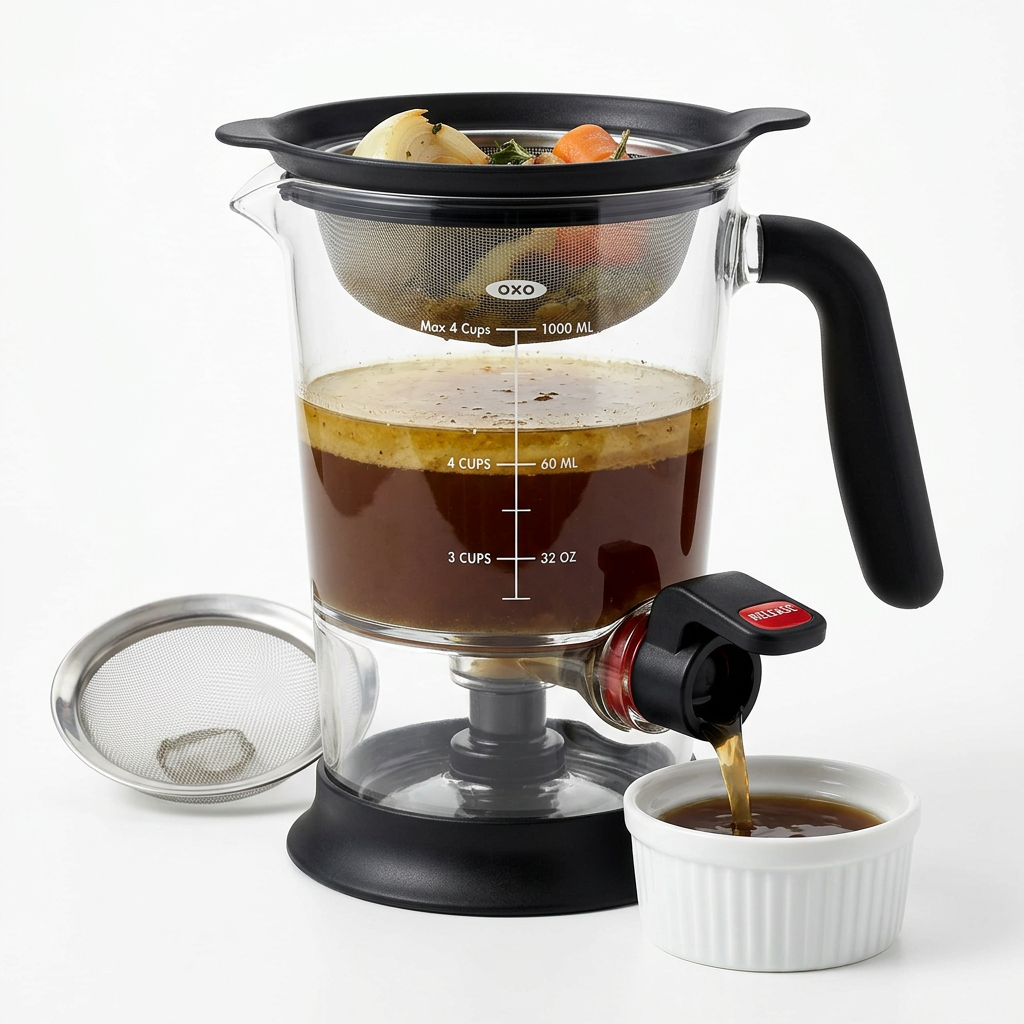
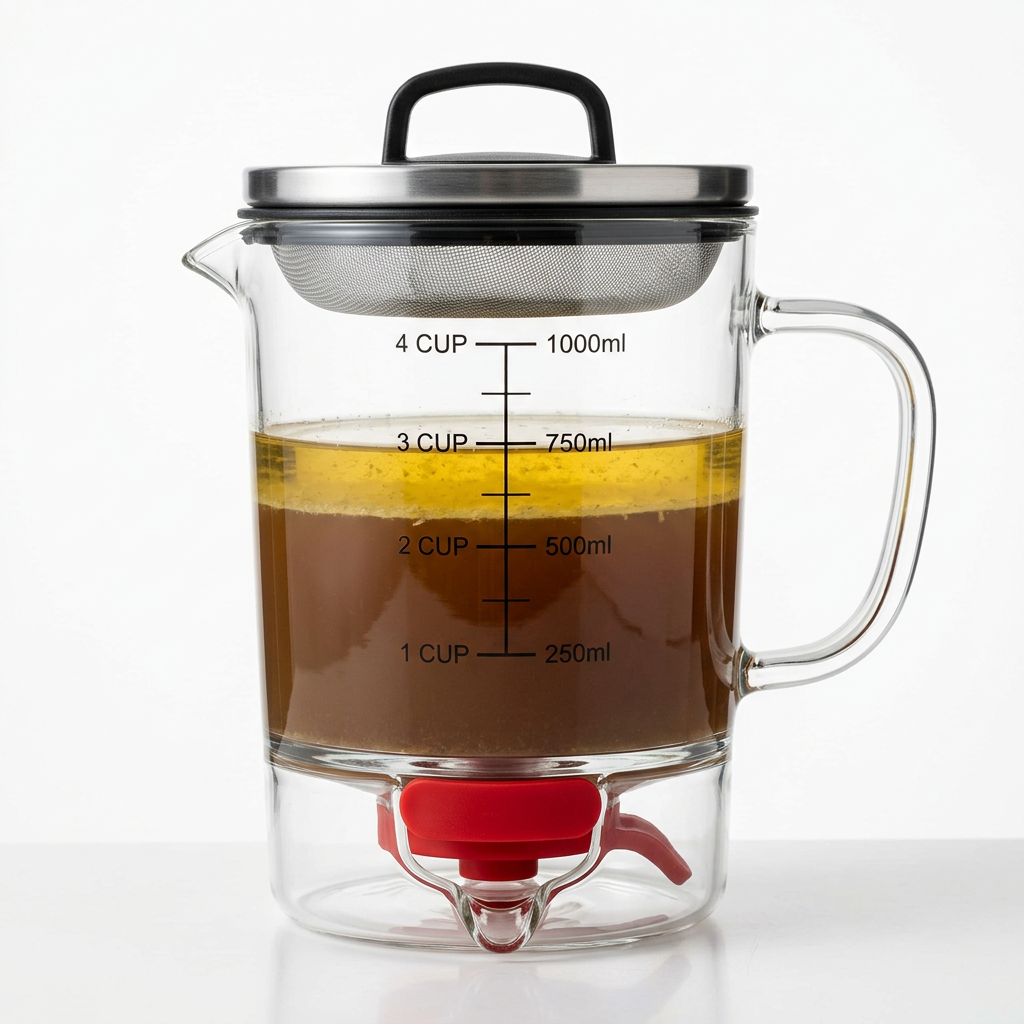
The fat itself is an incredibly valuable byproduct of the confit process. After cooking, allow the fat to cool slightly, then strain it through a fine-mesh sieve lined with cheesecloth or a coffee filter to remove any solids or impurities. Store this strained fat in an airtight container in the refrigerator. This fat will have absorbed the flavors of the ingredients you cooked, making it exceptionally delicious. Use it for roasting potatoes (it’s unparalleled!), sautéing vegetables, pan-frying eggs, or as a base for vinaigrettes. It's a flavorful foundation that will bring a touch of luxury to everyday cooking. If you're feeling particularly ambitious, you can even clarify the fat further for a cleaner flavor and higher smoke point.
Reviving the Old: Techniques for Reheating
When you're ready to enjoy your confit again, the reheating process is typically gentle. The most common method is to gently reheat the confit pieces in a small amount of their reserved fat in a skillet over low to medium heat until warmed through. This is also often the stage where you'd achieve that desirable crispy exterior, as described in the "Finishing and Serving" section. Avoid microwaving confit, as it tends to make the meat tough and rubbery. Slow, gentle reheating in fat is the way to go to preserve that lovely texture. For vegetable confits, a gentle warming in their cooking fat is usually sufficient.
Beyond Duck: Exploring Other Confit Possibilities
While duck confit might be the most celebrated, the technique of confit is remarkably versatile and can be applied to a wide array of ingredients, offering exciting possibilities for home cooks. Pork confit, particularly using cuts like pork belly or shoulder, is a phenomenal application. The slow cooking in pork fat renders the meat incredibly tender and succulent, allowing it to be pulled apart or sliced. It can then be crisped up for a delightful textural contrast. Think of pulled pork, but with a depth of flavor and tenderness that surpasses most slow-cooked barbecue.
Garlic confit is another revelation. Cloves of garlic are slowly simmered in olive oil until they are soft, sweet, and mellow. The pungent bite of raw garlic is completely transformed into a creamy, spreadable delicacy. This garlic confit can be used in countless ways: spread on crostini, mashed into potatoes, blended into dressings, or simply enjoyed by the clove. It’s a fundamental component of many Mediterranean dishes and a testament to how a simple ingredient can be elevated through the confit process.
Fish confit is also gaining popularity, especially for richer, oilier fish like salmon or even leaner white fish. The gentle cooking in olive oil or a blend of oils at low temperatures poaches the fish perfectly, resulting in an incredibly moist and flaky texture that is difficult to achieve through other methods. It's a sophisticated way to prepare fish, offering a delicate flavor and luxurious mouthfeel. Even vegetables like tomatoes, bell peppers, or root vegetables can be confited, absorbing the flavors of the oil and becoming wonderfully tender and concentrated in taste. This opens up a world of possibilities for creating flavorful sides, appetizers, and vegetarian main courses.
Fish Confit: A Delicate Dance
Confit-ing fish requires a slightly different approach due to its delicate nature and shorter cooking time. Leaner fish like cod, halibut, or even snapper benefit immensely from being poached in olive oil at a low temperature, typically around 140°F-150°F (60°C-65°C). This low temperature gently cooks the fish, allowing the proteins to firm up without drying out. The olive oil infuses the fish with its flavor, creating a moist, flaky result that is incredibly tender and retains its natural juices.
For fattier fish like salmon, you can use a slightly higher temperature, around 160°F (71°C), in olive oil or a neutral oil. The process is still slow and gentle, resulting in a rich, buttery texture that is sublime. Fish confit is often served chilled or gently warmed, perhaps with a squeeze of lemon, fresh herbs, or a light vinaigrette. It’s a wonderful way to prepare fish for appetizers, salads, or as a light main course.
Troubleshooting Common Confit Challenges
Even with the best intentions, confit can sometimes present challenges. One common issue is insufficient tenderness. This is almost always due to cooking at too high a temperature or not cooking for long enough. If your meat is tough or chewy, it likely needed more time at a consistently low temperature. Remember, the goal is to break down connective tissues, and this requires patience. Ensure your oven or stovetop is truly maintaining the target temperature. Using an oven thermometer is crucial.
Another potential problem is dryness. While confit is known for its moisture, it's still possible to overcook. This is especially true for leaner cuts or if the temperature is too high, causing the natural moisture to evaporate too quickly. Ensure your ingredients are fully submerged in fat, as this creates a protective barrier. Also, be mindful of cooking times; always err on the side of caution and check for tenderness rather than relying solely on a clock.
"Don't be discouraged by initial imperfections. Confit is a technique that rewards practice and observation. Learn from each attempt."
Unpleasant flavors can sometimes arise, often from using stale or rancid fat, or from not properly preparing the ingredient. Always use fresh, high-quality fat. If you are reusing fat, ensure it has been properly strained and stored. For meats, ensure they have been cured and rinsed properly to remove any residual off-flavors. If your confit tastes "off," it’s usually best to discard it and start again with fresh ingredients and fat. Finally, uneven cooking can occur if ingredients are packed too tightly in the pot or if they are of significantly different sizes. Allow space for the fat to circulate freely around each piece, and cut ingredients into uniform portions.
Conclusion: Embracing the Art of Confit
The journey into the world of confit is a rewarding one, offering a pathway to achieving unparalleled tenderness and depth of flavor in your cooking. It’s a technique that, at its heart, celebrates patience and the transformative power of fat. By understanding the interplay of low temperatures, quality fats, and careful preparation, you can unlock a new level of culinary excellence in your own kitchen. Whether you're confiting duck legs to fall-off-the-bone perfection, transforming humble garlic cloves into sweet, mellow gems, or gently poaching delicate fish, the principles remain the same: slow, steady, and steeped in flavor.
Remember that confit is not merely a cooking method; it’s a philosophy. It’s about respecting the ingredients, allowing them to reach their full potential through a gentle, unhurried process. The rich, unctuous results are a testament to this approach, offering a luxurious eating experience that is both comforting and sophisticated. Don't be intimidated by the seemingly specialized nature of the technique; with the right guidance and a willingness to experiment, any home cook can master the art of confit.
So, the next time you want to impress, or simply treat yourself to something truly special, consider the art of confit. Embrace the slow cook, savor the process, and delight in the silken, tender perfection that awaits. From the initial cure to the final crisp, each step is an opportunity to deepen your understanding of flavor and texture. And let's not forget the invaluable bonus: a reservoir of flavorful fat, ready to elevate your future culinary endeavors. Happy confiting!
Get the Next Recipe
Weekly recipes, techniques, and gear picks — straight to your inbox.
