
The Art of Confit: Slow-Cooking in Fat for Silky, Tender Results
The kitchen is a place of alchemy, where simple ingredients are transformed through patience, heat, and a little bit of science into something truly transcendent. Among the many techniques I have mastered in my years as a professional chef, confit remains one of my absolute favorites because it embodies the marriage of history and elegance. Derived from the French word confire, meaning "to preserve," this method originally served as a vital way to keep meats shelf-stable long before the era of modern refrigeration. Today, we view it through a different lens, recognizing it not merely as a preservation tool, but as a culinary masterclass in texture and flavor development. When you choose to confit an ingredient, you are essentially bathing it in low-temperature fat, allowing the fibers to soften into a state of buttery, melt-in-your-mouth perfection that high-heat searing simply cannot replicate.
Many home cooks feel intimidated by the idea of submerging food in vats of fat, fearing it will be greasy or overly complicated, but I am here to tell you that it is perhaps one of the most forgiving and rewarding techniques you will ever learn. Whether you are working with the classic duck leg, garlic cloves, or even cherry tomatoes, the fundamental principle remains the same: steady, gentle heat. You are not frying, which would create a crust; you are poaching in a medium that protects the integrity of the food while allowing it to absorb subtle aromatics. Once you understand the nuances of temperature control and fat selection, you will find yourself reaching for this technique for everything from weekend dinner parties to simple weeknight vegetable preparations. It is time to stop fearing the fat and start utilizing it as the vehicle for pure, unadulterated flavor.
Stepping into the world of confit requires you to shed your impatience and embrace the slow burn. In our fast-paced culture, where "quick and easy" is the standard for most recipes, this technique stands as a defiant act of culinary indulgence. You aren't just cooking food; you are building layers of richness that settle into the very cellular structure of your ingredients. As we move through the sections below, I will guide you through the process of selecting your fats, curing your proteins, and managing your heat levels with the precision of a professional. By the end of this guide, you will have the confidence to turn a simple piece of poultry or a head of garlic into a centerpiece that will have your guests asking, "How on earth did you make this?"
The Science and History of Confit
From Preservation to Luxury
The origins of confit are rooted in the necessity of the Gascony region of France, where rural farmers needed a way to store cooked poultry throughout the winter months. By cooking the meat in its own rendered fat—often referred to as schmaltz in the context of poultry—and then burying the meat entirely beneath that fat in a crock, they created an anaerobic environment that prevented bacterial growth. In our modern kitchens, we no longer need to bury our food to keep it safe for months, but we have kept the technique because the texture it produces is unrivaled. The slow-cooking process denatures the proteins in a way that breaks down tough connective tissues, turning fibrous meat into silky strands that yield to the slightest pressure of a fork.
The Role of Fat
Fat is not just a cooking medium in this technique; it is a thermal conductor and a flavor carrier. When you submerge an ingredient in duck fat, olive oil, or clarified butter, you are creating a barrier that keeps the interior of the food moist while the exterior stays supple rather than crispy. Because fat has a higher heat capacity than water, it distributes temperature more evenly around the food. This prevents the "hot spots" that occur in oven-roasting or pan-frying, ensuring that every edge of your ingredient is cooked to the exact same degree. The choice of fat also dictates the final flavor profile, which is why choosing the right base is a critical step in the planning process.
"Confit is the ultimate act of kitchen patience; it is the slow, deliberate transformation of humble ingredients into silk through the gentle embrace of warm, seasoned fat."
Selecting Your Medium
Depending on what you are cooking, your choice of fat will change. For traditional duck or goose confit, using the rendered fat from the bird itself is non-negotiable. For vegetables or delicate fish, a high-quality, extra-virgin olive oil or even a neutral grapeseed oil works beautifully. You can also experiment with clarified butter (ghee) if you want a rich, nutty finish that pairs perfectly with mushrooms or root vegetables. The key is to ensure the fat is pure, as any milk solids (in the case of butter) or impurities can burn during the long, low-temperature cook. Always strain your fats before reusing them, and store them in the refrigerator, where they can be kept for months if properly sealed.
Mastering Duck Confit: The Gold Standard
The Importance of the Cure
Before a single drop of fat touches the pan, you must prepare your protein with a salt cure. This is perhaps the most critical step in ensuring a balanced flavor and proper texture. You will need a mixture of coarse sea salt, fresh herbs like thyme and bay leaves, a few crushed garlic cloves, and sometimes a whisper of sugar or spices like juniper berries or coriander seeds. Rub this mixture thoroughly over your duck legs and let them rest in the refrigerator for at least 12, but ideally 24, hours. The salt draws out excess moisture, which tightens the meat and intensifies the natural savory profile of the duck, ensuring that the meat doesn't become waterlogged or mushy during the slow poaching phase.
The Slow Poach
Once the curing process is complete, rinse the salt off the duck legs and pat them completely dry. This dryness is vital to prevent splattering and to ensure a clean cook. Place the legs in a heavy-bottomed pot or a Dutch oven and cover them completely with rendered duck fat. You shouldn't need to heat the fat beforehand; simply submerge the legs and bring the pot to a very gentle simmer on the stove or, more reliably, in an oven preheated to 225°F (107°C). You want to see tiny bubbles, not a rolling boil. A rigorous boil will toughen the meat, whereas a gentle simmer will allow the fat to slowly penetrate the muscle fibers and render out the internal fat of the duck.
Finishing for Texture
After three to four hours, your duck legs will be incredibly tender, but the skin will look pale and unappealing. To achieve the chef’s signature finish, you must extract the leg from the fat carefully—it will be extremely fragile—and place it skin-side down in a hot pan or under a high broiler for a few minutes. This process, often called "crisping," creates a contrast that is essential for a great dish. You want that shatteringly crisp skin against the soft, succulent meat beneath. Serve this with a sharp, acidic side like a frisée salad with a vinaigrette or roasted root vegetables to cut through the incredible richness of the duck fat.
Confit Garlic: The Secret Weapon of Every Chef
The Magic of Mellowing
If you want to understand how transformative confit can be, look no further than a head of garlic. Raw garlic is pungent, sharp, and aggressive. When you submerge whole peeled cloves in extra-virgin olive oil and cook them at a very low temperature—around 200°F (95°C)—the harsh sulfuric compounds dissipate. What remains is a soft, spreadable clove that tastes like caramelized sweetness with just a hint of savory depth. I keep a jar of this in my refrigerator at all times; it is the ultimate umami bomb that you can mash into mashed potatoes, smear onto toasted sourdough, or blend into a quick vinaigrette to elevate a simple salad to restaurant quality.
Preparation and Temperature
Peel your garlic carefully; try to keep the cloves whole. Place them in a small saucepan and cover them with oil. Add aromatics like a sprig of rosemary, a piece of dried chili, or a bay leaf to infuse the oil with deeper complexity. The temperature here is lower than meat; you are looking for a barely perceptible shimmer. If the oil gets too hot, the garlic will fry, which ruins the texture. If done correctly, the cloves will turn a pale, golden tan and will be so tender they practically dissolve against the roof of your mouth. Let them cool in the oil, as the residual heat will finish the cooking process perfectly.
"A kitchen stocked with a jar of confit garlic is a kitchen prepared for any culinary emergency; it adds instant depth, soul, and complexity to any dish it touches."
Utilizing the Infused Oil
Never throw away the oil you use for your garlic confit. It is now infused with the essence of the garlic and whatever herbs you added. This oil is liquid gold. Use it to sauté vegetables, as a base for a marinade, or even drizzled over a finished steak to add a glossy sheen and a punch of flavor. Because the garlic has been submerged, the oil is shelf-stable for a short time if kept very clean, but it is best stored in the refrigerator for safety. By utilizing both the cloves and the oil, you are doubling the value of your prep work, a hallmark of an efficient and skilled cook.
Vegetable Confit: Beyond the Meat
The Beauty of Cherry Tomatoes
Vegetable confit is an often-overlooked technique, yet it is one of the most effective ways to concentrate the sweetness of produce. Cherry tomatoes are the perfect candidate. Toss them in a baking dish with plenty of high-quality olive oil, a few cloves of smashed garlic, and a sprig of fresh basil. Bake them at a low temperature until the skins have wrinkled and the tomatoes have just begun to burst. The result is a concentrated, jammy sweetness that captures the peak of the season. You can keep these in the fridge for a week and serve them atop burrata, mixed into pasta, or alongside a piece of white fish.
Root Vegetables and Earthiness
Root vegetables like carrots, parsnips, and even celery root benefit immensely from being cooked in fat. Instead of the typical oven-roasting which can leave them charred on the outside and raw in the middle, a confit allows for an even texture throughout. Peel your vegetables, cut them into uniform pieces, and submerge them in a mix of butter and olive oil. Adding a bit of thyme or sage during this process enhances the natural earthiness of the roots. Because these vegetables are denser than tomatoes, they require a longer cooking time at a slightly higher temperature, around 250°F (121°C), until they can be easily pierced with a paring knife.
The Balance of Acid
When cooking vegetables this way, the richness can sometimes become one-dimensional. To balance this, I always recommend finishing your vegetable confit with a squeeze of fresh lemon juice or a dash of high-quality sherry vinegar just before serving. This bright acidic note cuts through the fat and wakes up the palate, highlighting the natural sugars that the slow-cooking process has teased out. It is the contrast between the unctuous fat and the sharp acid that makes a dish memorable. Remember, cooking is about balance; never let the richness of the technique overpower the star ingredient.
Professional Tips for Success
Managing the Equipment
You do not need specialized equipment to master confit, but using the right vessel makes a significant difference. A Dutch oven is ideal for meat because its heavy walls retain heat perfectly, creating an incredibly stable temperature environment. For smaller quantities like garlic or tomatoes, a small enameled cast-iron saucepan or even a deep baking dish covered tightly with foil will suffice. The key is the fit; you want a vessel that allows the ingredient to be fully submerged without requiring an excessive, wasteful amount of fat. If your dish is too large, you will end up using too much oil; if it’s too small, the heat distribution may be uneven.
Safety First
While we are cooking at low temperatures, it is important to address food safety. Confit is an anaerobic cooking method, which means we are removing air. While this is great for preserving the texture of the food, it also creates an environment where certain bacteria, specifically Clostridium botulinum, could theoretically thrive if the food is not handled correctly. Always ensure your containers are sterilized if you plan to store the food, keep everything refrigerated once it has cooled, and never leave your confit out at room temperature for extended periods. As long as you keep the product in the fridge and respect the cooling times, you will have no issues, but safety is the foundation of any great culinary practice.
Reusing Your Fat
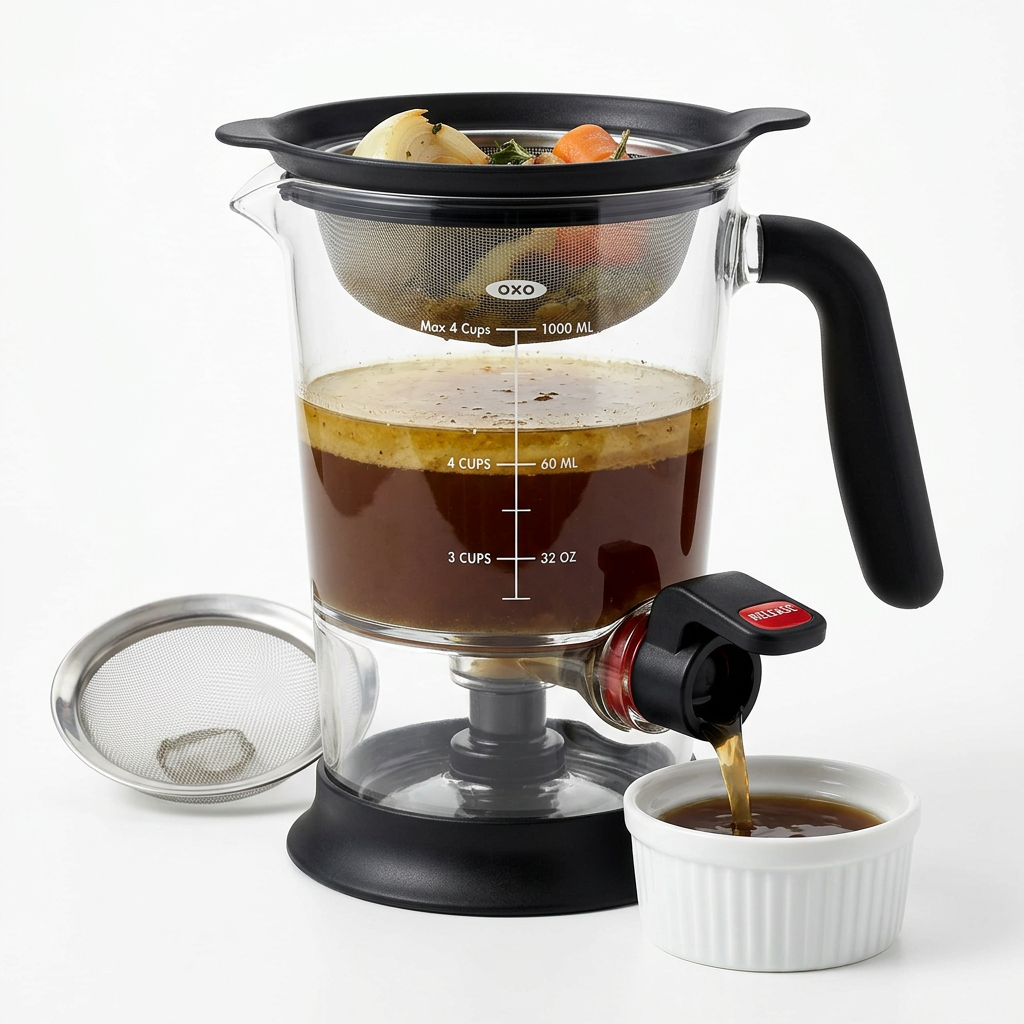
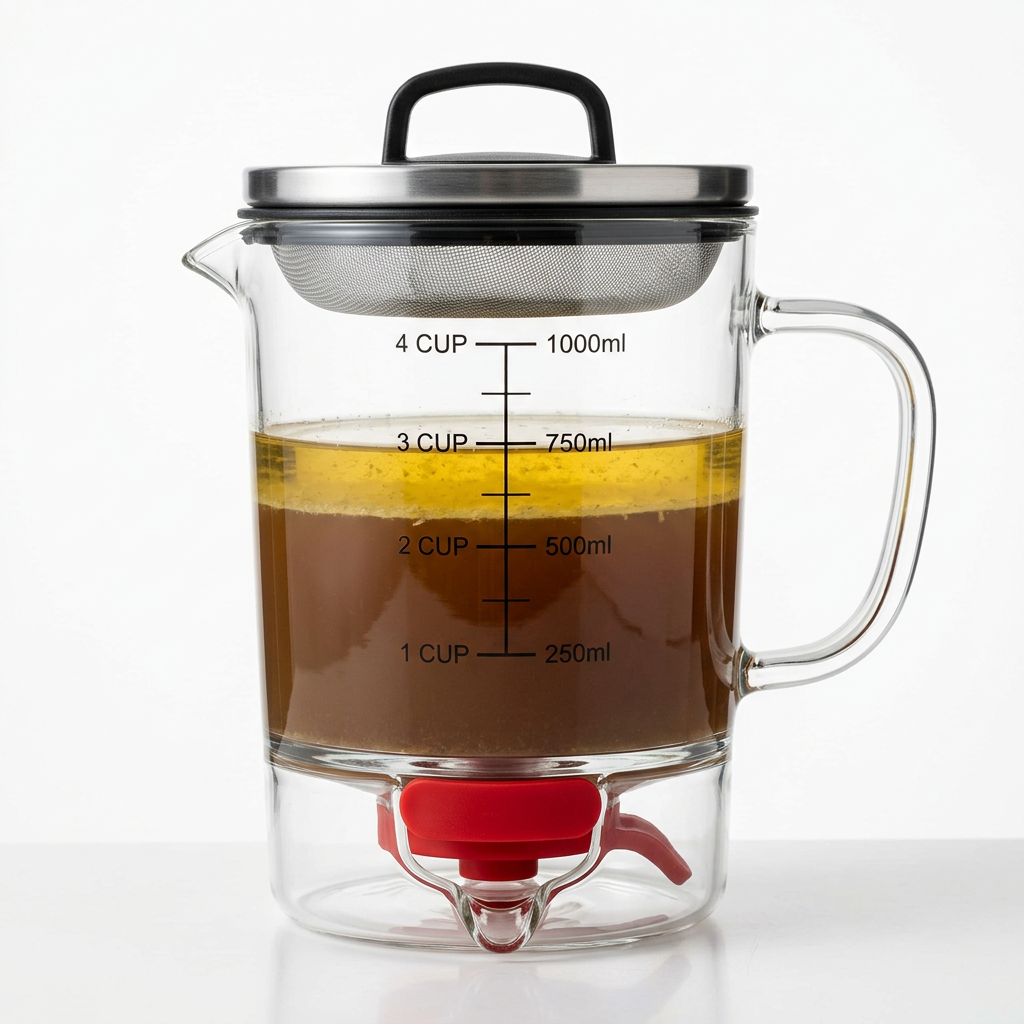
One of the most sustainable aspects of confit is the ability to reuse the cooking fat. After you have finished your cook, let the fat cool until it is just liquid, then strain it through a fine-mesh sieve or cheesecloth to remove any food particles that might spoil. Store the fat in an airtight container in the refrigerator. Duck fat can be reused multiple times for other confits or even for roasting potatoes, which is arguably one of the greatest side dishes in the world. Vegetable-infused oils should be used more quickly and are best saved for finishing dishes or dressings, as the flavors will begin to degrade over time.
Troubleshooting Common Issues
The Meat is Too Salty
If your duck confit comes out too salty, it is almost certainly a result of leaving the salt cure on for too long or failing to rinse it thoroughly enough. Remember, the cure is designed to season the meat from within, not to coat it in salt like a crust. If you find your first batch is too salty, reduce the curing time by a few hours in your next attempt. You can also soak the cured legs in cold water for 20 minutes before patting them dry to remove excess surface salt. Never skip the rinsing step; it is the boundary between a perfectly seasoned meal and an inedible one.
The Texture is Mushy
If your confit turns out mushy, you have likely cooked it at too high a temperature or for far too long. Confit requires a gentle, steady heat. If the fat begins to boil, the intense heat will cause the proteins to break down too rapidly, turning your beautiful meat into a paste. Always use a probe thermometer if you are unsure of your oven’s accuracy. You are looking for a fat temperature that never exceeds 225°F (107°C). If your oven runs hot, keep the door slightly ajar or drop the setting down by 25 degrees. Consistency is the secret to the silky, tender result that defines the technique.
The Fat Has Seized
Sometimes, especially with duck fat, the fat will solidify into a hard, white block once it cools in the refrigerator. This is completely normal and, in fact, desirable—it creates a seal that protects the meat inside. To use your confit, simply place the entire container in a warm water bath or a low oven for a few minutes until the fat returns to a liquid state. Never try to force the meat out while the fat is solid, as you will tear the delicate, perfectly cooked fibers. Patience is required at every stage, including the serving process.
Conclusion
The art of confit is a testament to the idea that the best things in life—and in the kitchen—cannot be rushed. By embracing the slow-cooking process, you move beyond the frantic energy of high-heat cooking and enter a space where temperature, time, and texture reign supreme. Whether you are transforming a humble duck leg into a decadent main course, turning sharp garlic into a spreadable delight, or highlighting the natural sugars of seasonal vegetables, this technique provides a level of quality that is difficult to achieve by any other means. It turns your kitchen into a laboratory of flavor, where the results are consistently superior and always impressive.
I encourage you to start small. Try a batch of garlic confit this weekend; notice how the oil changes, how the garlic softens, and how your kitchen begins to smell of deep, rich aromatics. Once you have mastered that, move on to a poultry or vegetable dish. Don't worry if the first batch isn't perfect—cooking is an iterative process, and every attempt will teach you something new about how heat interacts with your ingredients. That is the true heart of "Blame The Chef"—we learn by doing, by experimenting, and by not being afraid to get a little fat on our hands in the pursuit of something truly delicious.
As you become more comfortable with these methods, you will find that confit is not just a recipe, but a philosophy. It is about understanding your ingredients, respecting the time they need to reach their potential, and ultimately creating dishes that show off your skill through texture and depth rather than flashy presentation. The silky, tender results you achieve through this technique will become a staple of your culinary repertoire, a reliable way to elevate your cooking to a professional standard. So, preheat your oven, select your fat, and settle in for the long haul. The reward for your patience will be a meal that reflects the very best of culinary craftsmanship. Happy cooking, and may your fats always be clear and your heat always be low.
Get the Next Recipe
Weekly recipes, techniques, and gear picks — straight to your inbox.
