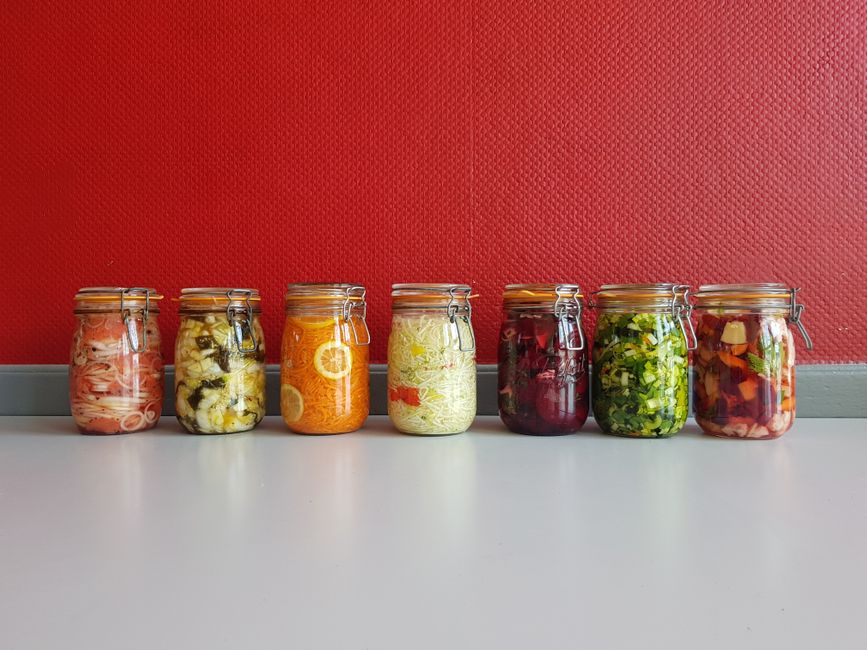
The Art of Fermentation: Creating Probiotics and Flavor at Home
The ancient practice of fermentation is perhaps the most transformative intersection of biology and gastronomy currently available to the home cook. It is a process that defies the modern impulse for instant gratification, instead demanding patience, observation, and a fundamental respect for the microscopic life forms that inhabit our kitchens. By fostering the right environment, we allow benign bacteria to proliferate, turning simple, raw ingredients into complex, shelf-stable, and nutritionally dense culinary gold. Once you understand the basic mechanics of how these microbes function, the kitchen ceases to be merely a place for heat application and becomes a living, breathing laboratory of flavor.
At its core, fermentation is controlled decay, a concept that often intimidates the novice, yet it is arguably the safest method of food preservation known to humanity. When we submerge vegetables in a brine or introduce a scoby to sweetened tea, we are essentially creating an ecological niche that favors beneficial probiotic bacteria—specifically Lactobacillus—while simultaneously discouraging the growth of harmful pathogens. The result is a vibrant, tangy, and deeply savory product that cannot be replicated through artificial means. This guide is intended to demystify these processes, providing you with the technical framework to start your own crocks and jars with complete confidence and professional precision.
Welcome to "Blame The Chef," where we believe that every home cook has the potential to master the elemental forces of nature. Throughout this exploration, we will look beyond the simple recipe and focus on the science of salinity, the temperature dynamics of ambient culture, and the art of flavor layering. Fermentation is not just about extending the shelf life of your harvest; it is about building a pantry that speaks of terroir, season, and time. Prepare your glass vessels and sharpen your knives, because we are about to embark on a journey that will forever change the way you perceive the contents of your refrigerator and the possibilities of your home kitchen.
The Chemistry of the Crock: Understanding Salinity and Temperature
The success of any vegetable ferment relies entirely on the precise management of osmotic pressure. When we add salt to shredded cabbage or sliced radishes, we are drawing water out of the plant cells to create an environment where the desired bacteria can thrive. This brine serves two purposes: it creates a protective barrier against oxygen-loving yeasts and molds, and it creates the ideal osmotic environment for Lactobacillus to begin their metabolic work. Using a 2% to 3% salt-to-vegetable ratio by weight is the industry standard for safe and flavorful fermentation, as it balances safety with the preservation of texture.
"Fermentation is not merely a method of preservation; it is the fundamental bridge between the raw harvest and the sophisticated palate, turning the mundane into the miraculous through the invisible work of trillions of microscopic allies."
Temperature is the silent conductor of the fermentation orchestra. While many home cooks assume that hotter is faster, excessive heat leads to rapid, "sloppy" fermentation where the vegetables lose their crunch before the desired acidity is achieved. Ideally, you should aim for a range between 65°F and 72°F (18°C–22°C). In this range, the lactic acid bacteria produce lactic acid at a steady, manageable pace, resulting in a complex flavor profile that isn't overwhelmed by harsh, vinegar-like sharpness. If your kitchen fluctuates significantly in temperature, consider moving your ferment to a basement or a dedicated wine cooler.
Mastering the Brine
To calculate your brine accurately, you must utilize a digital kitchen scale. Precision in grams is the hallmark of the professional chef, as volumetric measurements like "tablespoons" are prone to human error. For a standard kraut:
The Micro-Ecology of Vegetables: Lactic Acid Fermentation
Lactic acid fermentation is the most common form of home fermentation, and it is responsible for the sour crunch of classic sauerkraut, the fiery bite of kimchi, and the bright, snappy acidity of traditional pickles. The process occurs in distinct phases, driven by different strains of bacteria that sequentially dominate the environment as the pH drops. In the first few days, Leuconostoc mesenteroides kicks off the activity, producing carbon dioxide and starting the acidification process. As the environment becomes more acidic, these initial bacteria die off, and acid-tolerant Lactobacillus plantarum takes over, ensuring the ferment reaches a safe pH of below 4.6.
It is crucial to maintain an anaerobic environment throughout the process. When vegetables are exposed to oxygen, you invite the growth of undesirable molds and Kahm yeast—a white, film-like substance that, while not strictly dangerous, can impart an off-putting, musty flavor to your ferment. Use a heavy glass weight or a cabbage leaf tucked under the shoulder of the jar to keep all ingredients submerged. Professional chefs often utilize airlock lids, which allow the gases produced by the bacteria to escape without letting fresh oxygen into the vessel. This simple piece of equipment drastically reduces the risk of spoilage and ensures a cleaner, more refined final product.
Identifying the Stages of Development
The Lag Phase (Days 1-2):* Minimal bubbling, the vegetable cells begin to break down, and the brine is fully extracted.
The Active Phase (Days 3-10):* Vigorous bubbling, a noticeable drop in pH, and the emergence of the characteristic sour aroma.
The Maturation Phase (Days 10-28+):* Activity slows down, flavors mellow and integrate, and the texture stabilizes.
The World of Wild Yeast: Kombucha and Ginger Bugs
While vegetable ferments rely on the bacteria already present on the surface of the plant, beverages like kombucha and ginger ale often rely on the cultivation of a scoby (symbiotic culture of bacteria and yeast) or a ginger bug. A ginger bug is a liquid starter culture made from ginger, sugar, and water, which captures wild yeasts from the ginger skin. By "feeding" this bug daily, you create a potent probiotic starter that can carbonate anything from fruit juices to herbal teas. It is a masterful way to introduce natural effervescence into your beverage program without relying on industrial carbonation.
Kombucha, on the other hand, is a more robust, long-term commitment. It requires a tea base and a scoby pellicle, a rubbery disk that acts as the physical home for the culture. The key to successful kombucha is the 1:10 ratio—one part starter tea to ten parts sweetened tea base. If you deviate too far from this, you risk the tea becoming too sweet or, conversely, too vinegary. Always ensure that your base tea is free of essential oils, such as those found in many Earl Grey varieties, as these can be toxic to your scoby and cause the culture to collapse over time.
"The beauty of a ginger bug lies in its raw, unfiltered energy; it is a living reminder that the air around us is teeming with the tools required to create sparkling, probiotic elixirs if we only provide the sugar and the patience."
Troubleshooting Your Culture
Mold vs. Yeast:* Mold is fuzzy and colorful (green, black, pink). If you see mold, discard the entire batch immediately. Yeast (Kahm) is white, powdery, or film-like; it can be skimmed off, but try to prevent its return by lowering the temperature or increasing your salt concentration.
Lack of Carbonation:* Your environment might be too cool, or you might be using too little sugar in the secondary fermentation stage. Ensure the bottle is properly sealed with a pressure-rated cap.
The Role of Spices and Aromatics in Flavor Development
One of the most exciting aspects of home fermentation is the ability to customize your ferments with spices, roots, and botanicals. When adding ingredients to your ferment, consider how the alkalinity or acidity of the addition might affect the culture. For example, fresh garlic can add an incredible depth of flavor to kraut, but it also contains antimicrobial compounds that can slow down the fermentation if used in excess. A general rule of thumb is to keep your "extra" ingredients to no more than 10-15% of the total volume of your main vegetable base.
Consider the heat of chilies in a kimchi ferment. The capsaicin interacts with the lactic acid in fascinating ways, softening the raw "bite" of the chili and allowing the sweetness of the pepper to shine through. Professional chefs often look for ways to layer these flavors. Try adding toasted cumin or coriander seeds to a cabbage ferment for an earthy foundation, or incorporate juniper berries and caraway for a traditional European profile. These additions aren't just about taste; they add complexity and terroir to your finished product, elevating it from a side dish to a culinary highlight.
Flavor Pairing Pro-Tips
The Earthiness of Roots:* Turmeric and ginger work exceptionally well with carrots and beets, providing both color and a vibrant, spicy finish.
The Brightness of Herbs:* Hardier herbs like rosemary or bay leaves can be added to the jar, but avoid delicate, soft herbs like parsley or cilantro, as they will turn mushy and lose their flavor during the long fermentation period.
Fruit Inclusions:* Add sliced apples or pears to your kraut for a subtle, natural sweetness that balances the sharp acidity of the fermented cabbage.
Advanced Techniques: Lacto-Fermenting Fruits and Hot Sauces
Once you have mastered the basics of vegetable fermentation, you can begin to experiment with lacto-fermented fruits and sauces. Fruits are naturally higher in sugar, which means they ferment much faster than vegetables. A lacto-fermented blueberry or peach offers a complex, tangy, and slightly floral flavor that works perfectly in salads, atop savory yogurt bowls, or paired with rich, roasted meats. Because of the higher sugar content, these ferments often require closer monitoring and a slightly higher salt concentration—up to 4%—to prevent the ferment from turning into an alcoholic product instead of a lactic one.
Hot sauce production is perhaps the most rewarding application of this science. By fermenting chili peppers before blending them into a sauce, you break down the harsh, raw flavor of the pepper skin and create a smooth, velvety texture. The fermentation process also increases the availability of nutrients and vitamins within the chilies. A standard technique involves fermenting whole chilis, garlic, and onions in a 3.5% brine for at least two weeks before blending them with a high-quality vinegar. The result is a sauce with a depth of flavor that commercial vinegar-based hot sauces simply cannot match.
The Hot Sauce Blueprint
Equipment and Safety: The Professional Standard
While you can start fermenting with a simple Mason jar and a Ziploc bag full of water, upgrading your equipment will lead to more consistent results. Glass weights are infinitely superior to makeshift weights because they do not absorb flavors and are easy to sanitize. Similarly, airlock fermentation lids are a game-changer for those who are tired of "burping" their jars every day. These lids allow the CO2 produced by the bacteria to escape, maintaining an anaerobic state without any manual intervention. This is particularly important for longer-term ferments where consistent conditions are key to quality.
Hygiene is paramount when working with live cultures. You do not need to sterilize your jars in an autoclave, but you must ensure they are spotless. A thorough wash in hot, soapy water, followed by a rinse in a diluted vinegar solution, is sufficient. Always avoid using metal utensils with your ferments, as the acidic brine can react with the metal, leading to metallic off-flavors and potential corrosion of the tool. Use wood, silicone, or BPA-free plastic instead. By maintaining a clean environment and utilizing proper tools, you ensure that the only microbes thriving in your jars are the ones you intentionally invited.
"The barrier to entry for fermentation is low, but the threshold for mastery is high; it requires a chef’s eye for detail, a scientist’s respect for measurement, and the patience of a gardener who knows that nature cannot be rushed."
Essential Fermentation Kit
Digital Scale:* Non-negotiable for accurate salt percentages.
pH Strips or Meter:* Essential for those who want to be 100% certain of the safety of their creations.
Glass Jars:* Wide-mouth jars are easiest to pack and maintain.
Glass Weights:* To keep your vegetables submerged at all times.
Airlock Lids:* For a hands-off, oxygen-free fermentation environment.
The Digestive Benefits: Why We Do It
Beyond the flavor and the culinary prestige, there is a profound biological reason to incorporate fermented foods into your diet. As the Lactobacillus bacteria break down the starches and sugars in the food, they produce enzymes that make the nutrients more bioavailable. Furthermore, these bacteria are probiotics, meaning they support the health of your gut microbiome. A diverse gut microbiome is linked to improved digestion, a stronger immune system, and even positive mental health outcomes. By eating a small amount of fermented food daily, you are effectively "seeding" your system with beneficial life.
It is important to remember that heat kills these beneficial microbes. If you want to retain the probiotic properties of your kraut or kimchi, do not cook it at high temperatures. Add it to dishes after you have turned off the heat, or serve it as a chilled condiment alongside cooked proteins. The contrast between the cold, crunchy, acidic ferment and a warm, savory dish like braised pork or roasted root vegetables is a classic culinary pairing for a reason. It cuts through the fat and brings a necessary brightness that cleanses the palate with every bite.
Integrating Ferments into Your Routine
Morning Ritual:* A spoonful of fermented vegetables alongside eggs or in an avocado toast.
Mid-Day Fuel:* Use a fermented hot sauce to brighten up a simple grain bowl or salad dressing.
Evening Digestion:* A small glass of kombucha or a side of kraut can assist in the digestive process after a heavy meal.
Final Thoughts
The art of fermentation is a journey that starts in the kitchen but extends into the very philosophy of how we interact with our food. In an age of sterile, mass-produced ingredients, taking control of your own pantry through the power of microbial transformation is an act of culinary sovereignty. You are moving from a passive consumer to an active participant in the cycle of life. Every bubble in your jar is a testament to the fact that you have successfully harnessed the same biological processes that have sustained human health for millennia.
Do not be discouraged by the occasional failed batch. Every professional chef has dealt with a jar of moldy peppers or a batch of tea that didn't quite hit the mark. These are not failures; they are data points that teach you about your environment, your ingredients, and your process. The more you ferment, the more intuitive the process becomes. Soon, you will find yourself measuring salt by feel, gauging the stage of a ferment by the smell of the room, and looking at vegetables not just as ingredients, but as potential ecosystems waiting to be unlocked.
We hope this guide serves as a foundational pillar for your continued exploration of the science of flavor. Remember that "Blame The Chef" is always here to provide the technique, but the art comes from your hands, your kitchen, and your dedication to the craft. Start small, stay consistent, and always respect the microbe. Happy fermenting—your pantry will never be the same again. Embrace the funk, respect the salt, and enjoy the transformative magic of your own living, breathing kitchen. You have the tools, the knowledge, and the curiosity; now, go forth and create something truly alive.
As you look back on this long, complex, and rewarding process, reflect on the time it took. Whether it was the three weeks for your sauerkraut to reach that perfect, biting acidity or the month-long evolution of your first batch of artisanal kombucha, you have learned the value of patience. In the culinary world, speed is often prioritized, but true quality is a function of time. By allowing these natural processes to unfold, you have created a product that is uniquely yours, flavored by the specific bacteria of your home and the unique conditions of your environment. This is the definition of artisanal cooking.
Finally, share your creations. The gift of a jar of homemade, probiotic-rich kimchi or a bottle of fermented hot sauce is one of the most generous offerings a home cook can provide. It is a gift of health, time, and craft. It invites your friends and family into the conversation of fermentation, potentially sparking their own interest in this vital practice. The more we normalize the presence of ferments in our daily lives, the healthier and more flavorful our collective culinary culture becomes. Keep observing, keep documenting your results, and keep experimenting with new combinations. The possibilities are truly infinite, restricted only by the limitations of your own imagination and the ingredients available in your local markets.
May your jars always stay submerged, your salt ratios stay accurate, and your ferments always reach the perfect, vibrant tang you desire. Thank you for joining us on this deep dive into the world of probiotics and preservation. We look forward to seeing your own creations develop and grow. Remember, when the flavors become complex, the textures perfect, and the dish truly transcends the sum of its parts, you have every reason to take the credit—or, when things get a little experimental, you can always feel free to "Blame The Chef." Your journey into the art of fermentation has truly only just begun, and the world of living food awaits your next discovery.


Get the Next Recipe
Weekly recipes, techniques, and gear picks — straight to your inbox.
