The Art of Fermentation: From Kimchi to Sauerkraut and Beyond
Traditional Cooking

The Art of Fermentation: From Kimchi to Sauerkraut and Beyond

C
By The Chef
|June 8, 2026|12 Min Read
📋
Recipe Card
8 ingredients · 9 steps
Servings
4
Ingredients
Instructions
Progress
0%

The world of fermentation is a unique intersection where culinary art meets science, a process that has been employed for centuries across various cultures. From the spicy crunch of Kimchi in Korea to the tangy crispness of sauerkraut in Germany, fermentation offers a diverse array of flavors, textures, and health benefits. While often thought of as a modern trend, the practice of allowing ingredients to transform through natural microbial processes is deeply rooted in history, ensuring food preservation and enhancing nutrition. For home cooks venturing into fermentation, understanding the foundational principles can elevate their dishes and wander into realms of flavor thought previously unattainable.

At its core, fermentation is the conversion of sugars into acids, gases, or alcohol using microorganisms like bacteria, yeast, and molds. This transformation not only extends the shelf life of various foods but also develops complex flavors and probiotics that can contribute to gut health. For those intimidated by the process, it’s important to recognize that fermentation isn’t magic, but a simple chemical process that can be controlled with a bit of knowledge and practice. The beauty of fermentation lies in its accessibility; with just a few ingredients and some equipment most home cooks already have, anyone can embark on this flavorful journey.

As we delve deeper into the art of fermentation, we’ll explore various techniques and recipes, providing you with the skills necessary to create your own fermented masterpieces. We’ll look at the nuances of both lacto-fermentation and alcoholic fermentation while demystifying the steps needed to achieve successful home fermentation. Whether your goal is to create a vibrant batch of homemade pickles, brew your own beer, or whip up a delightful apple cider, there’s something universally gratifying about nurturing a food item as it transforms into something entirely new.

Understanding Fermentation: The Science Behind the Magic

Fermentation begins when microorganisms such as lactic acid bacteria, yeast, or molds break down sugars into other compounds like lactic acid, carbon dioxide, or alcohol. Lactic acid bacteria, commonly found in many vegetables and dairy products, thrive in low-oxygen environments, making them perfect candidates for a variety of fermentation processes. Yeasts, on the other hand, typically require sugar and warmth to convert sugars into alcohol and carbon dioxide, a process celebrated in bread and beer-making.

The Fermentation Process

The principles of fermentation can be classified into two primary categories:

1.Lacto-Fermentation: This is the process of using lactic acid bacteria to ferment foods. It’s common in many types of pickles, sauerkraut, and yogurt. The success of this method relies heavily on maintaining anaerobic conditions (no oxygen) and keeping the appropriate temperature range—typically between 60°F and 75°F (15°C to 24°C).
2.Alcoholic Fermentation: This type of fermentation is characterized by the action of yeast, which converts sugars into alcohol and carbon dioxide. It’s essential for producing beer, wine, and bread. A slightly higher temperature range of 75°F to 85°F (24°C to 29°C) is often ideal for yeast activity.

As we explore these techniques, it’s critical to recognize the importance of sterilization and sanitization. Properly cleaning all utensils and containers is paramount to avoid contamination by unwanted microorganisms, which can lead to spoilage or undesired flavors.

“Fermentation is a process that builds bridges between flavors and cultures, inviting even the novice cook to participate in centuries-old traditions.”

The Essential Ingredients for Successful Fermentation

Fermentation may seem straightforward, but the right combination of ingredients and conditions is crucial for a successful batch. Here are the core components typically involved in most fermentation processes:

Core Ingredients

●Vegetables and Fruits: These provide the necessary sugars for fermentation. Examples include cabbage for sauerkraut, radishes for kimchi, and cucumbers for pickles.
●Salt: Salt plays a critical role in lacto-fermentation by inhibiting unwanted microorganisms while promoting lactic acid bacteria. A common ratio is 2-3% salt per weight of vegetables.
●Water: Use filtered or distilled water to avoid chlorine or contaminants found in tap water, as chlorine can inhibit fermentation.
●Spices and Flavorings: Ingredients such as garlic, ginger, chili flakes, cumin, and dill can enhance flavors and introduce additional beneficial bacteria.

Equipment

To embark on your fermentation journey, consider acquiring the following tools:

1.Fermentation Jars or Crocks: These should ideally be made of glass or ceramic, as these materials are non-reactive and easy to clean.
2.Weights: To keep vegetables submerged under the brine, use fermentation weights or clean stones.
3.Airlock: For alcoholic fermentations, an airlock allows gases to escape while preventing outside air from entering.

Key Techniques for Effective Fermentation

●Brining: A common method of lacto-fermentation, where vegetables are submerged in a saltwater solution. This draws out moisture while creating an environment conducive to beneficial bacteria.
●Submerging: Always ensure your vegetables are fully submerged to minimize exposure to air, thus preventing the growth of mold.
●Temperature Control: Monitor the temperature throughout the fermentation process; different types of fermentation require slightly varying temperature conditions for optimal results.

Fermenting Vegetables: The Art of Sauerkraut

One of the most beloved fermented vegetables is sauerkraut. The process of making sauerkraut is not only straightforward but extremely rewarding.

Getting Started with Sauerkraut

To make a basic sauerkraut, you will need:

●1 medium head of green cabbage (about 3-4 pounds)
●1.5 tablespoons of sea salt (2.5% salt to weight ratio)

Instructions:

1.Prepare the Cabbage: Remove any damaged outer leaves and rinse the cabbage. Cut it into quarters and remove the core. Slice the quarters thinly.
2.Mix with Salt: In a large mixing bowl, combine the shredded cabbage with the sea salt. Use your hands to massage and knead the cabbage. This process helps to draw out moisture.
3.Pack It In: Once the cabbage is released of its moisture, pack it into a fermentation jar or crock, pressing down firmly as you go. You want the liquid to rise above the cabbage.
4.Weigh It Down: Use a clean weight to keep the cabbage submerged. If too much air is trapped, fermenting could lead to spoilage.
5.Fermentation Time: Seal the jar or cover the crock loosely. Allow it to ferment in a cool, dark place at between 60°F to 70°F (15°C to 21°C) for about 1 to 4 weeks. Taste intermittently until you achieve your desired flavor.

“The beauty of sauerkraut lies not just in its bold flavor, but in the process of waiting for it to evolve, reflecting patience and care.”

Storing Your Sauerkraut

Once you achieve the desired tang, transfer your sauerkraut to the refrigerator, where it will continue to develop in flavor but at a much slower rate. Properly stored, it can last for several months.

The Spicy Adventure of Kimchi

Moving on from the subtler notes of sauerkraut, let’s embrace the bold flavors of kimchi, another traditional fermented product that has gained global popularity for its unique mélange of spices.

Ingredients for Kimchi

The most popular type of kimchi uses Napa cabbage, but you can experiment with other vegetables as well. Here’s a basic recipe:

●1 head of Napa cabbage (about 2 pounds)
●1 cup of water
●3 tablespoons of sea salt
●1 tablespoon of grated ginger
●4 cloves of garlic, minced
●2 tablespoons of fish sauce (for an umami kick; substitute with soy sauce for a vegetarian version)
●1 tablespoon of sugar
●2-4 tablespoons of Korean red pepper flakes (gochugaru)

Making Your Kimchi

1.Salting the Cabbage: Cut the Napa cabbage in half and then into quarters. Dissolve salt in water, and soak the cabbage in this brine for about 2 hours, turning occasionally.
2.Prepare the Paste: While the cabbage is soaking, mix ginger, garlic, fish sauce, sugar, and gochugaru in a bowl to form a paste.
3.Combine: Once the cabbage has soaked, drain it and rinse it thoroughly under cold water. Squeeze out excess moisture and transfer it to a mixing bowl. Add the spice paste and thoroughly coat the cabbage.
4.Pack It In: Fill clean jars, pressing the cabbage mixture down firmly to eliminate any air pockets. Leave about an inch of headspace.
5.Fermentation Time: Seal the jars loosely and let them ferment at a cool room temperature for about 3 to 5 days. Taste daily until it reaches your preferred level of sourness.

Storing and Enjoying Your Kimchi

Like sauerkraut, once your kimchi is fermented to your liking, store it in the refrigerator for long-term use. It can keep for months and can be used in various recipes from stews to stir-fries.

Exploring Alcoholic Fermentation: Beer and Beyond

Fermentation extends beyond just preserving vegetables. One of the most celebrated forms of fermentation is in brewing beer.

Basic Beer Brewing Process

At its core, beer brewing involves several key ingredients:

●Malted grains (usually barley)
●Hops
●Water
●Yeast

Steps of Brewing Beer

1.Mashing: Steep the malted grains in hot water (around 150°F to 160°F or 65°C to 71°C) for about 60 minutes to convert starches into fermentable sugars.
2.Boiling: After mashing, the liquid (wort) should be boiled and hops added. This stage typically lasts for 60 minutes.
3.Cooling: Rapidly cool the wort to around 70°F (21°C) using an immersion chiller or an ice bath.
4.Fermentation: Transfer the cooled wort to a fermentation vessel, pitching yeast into it. Seal with an airlock and keep at a stable temperature (around 68°F to 75°F or 20°C to 24°C) for about 1-2 weeks.
5.Bottling: Once fermentation is complete, bottle your beer with a bit of sugar to carbonate. After about another week at room temperature, your beer will be ready to consume.

“Brewing your own beer combines science and creativity, transforming basic ingredients into something truly unique.”

Alternative Fermented Beverages: Kombucha and Kefir

Though beer and wines are often discussed in alcoholic fermentation, there are a plethora of other refreshing options like kombucha and kefir worth exploring, offering you vibrant flavors while being relatively easy to create.

Making Kombucha

Kombucha is a popular fermented tea made using a SCOBY (Symbiotic Culture of Bacteria and Yeast). Here’s a simple recipe:

●1 cup of sugar
●8 tea bags (black tea, green tea, or a mix)
●1 SCOBY
●2 cups of starter tea (from a previous batch or store-bought kombucha)

Steps to Brew Kombucha

1.Prepare Sweet Tea: Boil 4 cups of water, dissolve sugar, add tea bags, and steep for 15 minutes. Remove tea bags and add an additional 4 cups of cold water.
2.Ferment: Once cooled, pour the sweet tea into a clean fermenting vessel. Add the SCOBY and starter tea. Cover with a cloth secured with a rubber band.
3.Fermentation Duration: Allow it to ferment for about 7 to 14 days at room temperature, tasting periodically until you find the right balance of sweetness and tartness.
4.Bottling: Once fermented, remove the SCOBY and reserve it for a future batch. Bottles the kombucha, optionally adding fruits or herbs for infusion.

Making Kefir

Another option for fermenting beverages is kefir, which can be made from milk or water, depending on your preference.

#### Ingredients for Milk Kefir

●2 cups of milk (whole, 2%, or even non-dairy milk)
●2 tablespoons of kefir grains

#### Steps to Brew Kefir

1.Combine Milk and Grains: In a glass jar, add kefir grains to the milk.
2.Ferment: Cover the jar with a lid; allow it to sit at room temperature for about 24 hours.
3.Strain: After the fermentation, strain the kefir to remove the grains, which can be reused for future batches.
4.Store or Flavor: Store your kefir in the refrigerator or flavor it with fruits and herbs for additional taste variety.

Incorporating Fermented Foods into Your Daily Diet

With the knowledge gained from fermentation, the next step is figuring out how to incorporate these nutrient-rich foods into daily meals.

Top Ways to Use Fermented Foods

●In Salads: Add fermented vegetables or kimchi to salads for a flavor punch and probiotic boost.
●As Condiments: Use sauerkraut or kimchi as toppings on sandwiches, tacos, or burgers.
●Crafting Dressings: Blend yogurt or kefir into creamy dressings and dips for added tang.
●Creating Smoothies: Incorporate kefir into your breakfast smoothies for a creamy texture and a dose of probiotics.
●Making Soups: Stir in fermented products into your soups or stews for depth and complexity.

“The true essence of food lies in its versatility—fermentation opens doors to infusing flavors and nutrients into your everyday meals.”

Conclusion

The world of fermentation is both a science and an art that vastly expands our culinary capabilities. From sauerkraut to kimchi, and from beer to kombucha, the transformative power of fermentation not only preserves food but enriches our diets with flavors and nutrients.

By understanding the basic principles and mastering the techniques, home cooks can create a variety of vibrant, fermented products that invigorate their meals and create a deeper connection to their food. The journey doesn’t have to end here; the universe of fermentation is vast, with endless opportunities for creativity and experimentation.

As you delve deeper into this age-old practice, don’t be afraid to make mistakes. Each batch of fermentation can teach you something new, helping you to refine your palate and expand your culinary repertoire. Explore, taste, and enjoy the rich flavors of fermentation, knowing that you’re also contributing to your health and the preservation of food traditions. Happy fermenting!

🧰 Gear for this recipe
Tools our chefs reach for when cooking this
Ceramic Fermentation Crock 2L
Storage
Ceramic Fermentation Crock 2L
★★★★★4.5
$40-$65
View on Amazon
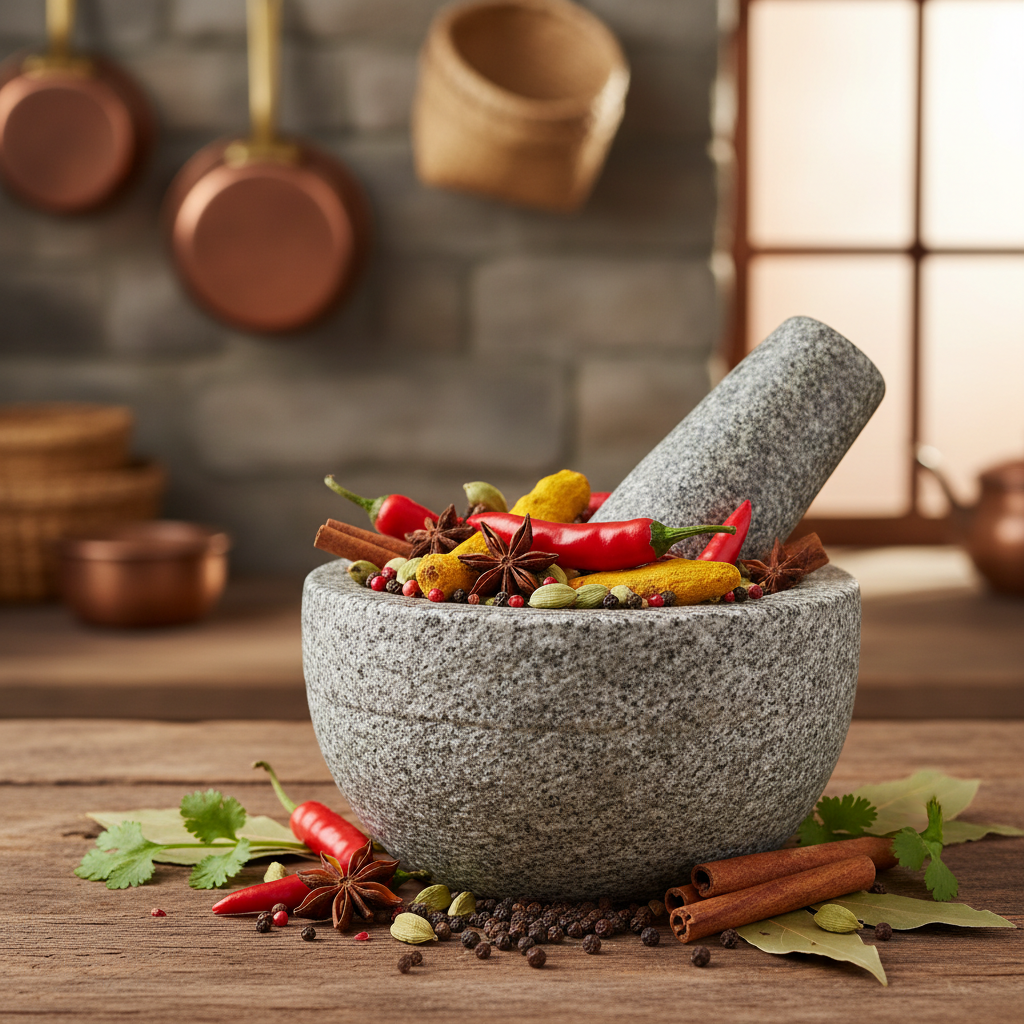
ChefSofi Granite Mortar and Pestle
Measuring & Tools
ChefSofi Granite Mortar and Pestle
★★★★★4.7
$30-$45
View on Amazon

As an Amazon Associate we earn from qualifying purchases.

🍳

Get the Next Recipe

Weekly recipes, techniques, and gear picks — straight to your inbox.

No spam, ever. Unsubscribe anytime.

YesChef - Learn from the world's best chefs
© 2026 Blame The Chef
🍳

Never Miss a Recipe

Weekly recipes, kitchen tips, and gadget picks — straight to your inbox.

No spam, ever. Unsubscribe anytime.