The Art of Fermented Hot Sauce
Techniques

The Art of Fermented Hot Sauce

C
By The Chef
|March 26, 2026|12 Min Read

Fermented hot sauce has emerged as a beloved staple in the culinary world, captivating the palettes of home cooks and professional chefs alike. The allure of this condiment lies not only in its heat but also in its complex flavors, which deepen and develop through the fermentation process. Unlike store-bought varieties, homemade fermented hot sauce offers a unique opportunity to create a sauce tailored to your personal preferences, allowing you to experiment with various pepper types, fermentation times, and additional ingredients. Embracing the art of fermentation can elevate your hot sauce from mere heat to a multi-dimensional flavor experience that transforms dishes and excites the senses.

The fermentation process itself is ancient, with roots tracing back thousands of years. Historically, fermentation has been used as a method of preserving food, enhancing flavors, and promoting gut health through beneficial probiotics. Yet, in the contemporary kitchen, fermentation is often perceived as a niche practice reserved for the experienced home cook. However, making your own fermented hot sauce is approachable and rewarding, requiring minimal equipment and time. With just a few simple ingredients and some patience, you can make a sauce that embodies the vibrancy of your favorite chili peppers while imparting a unique tang due to the natural fermentation.

To get started, it’s essential to understand the fundamentals of the fermentation process. During fermentation, beneficial bacteria consume sugars in the ingredients and convert them into organic acids, gases, or alcohol, transforming the flavor profile in delightful ways. Understanding the conditions in which fermentation thrives—temperature, time, and ingredient ratios—will empower you to create an exceptional hot sauce. This blog post aims to demystify the process of fermenting hot sauce, providing you with an in-depth guide to selecting peppers, crafting your recipe, and troubleshooting common challenges.

Understanding Fermentation

Fermentation is a metabolic process that converts sugars into acids, gases, or alcohol. This transformation is achieved through the action of microorganisms—primarily bacteria, yeast, or molds. It's important to recognize that this ecosystem thrives on specific conditions: the right ingredients, a suitable temperature, and adequate time.

The Role of Beneficial Bacteria

Lactic acid bacteria (LAB) are the unsung heroes of the fermentation process. These bacteria convert sugars present in the peppers, the added sugars, or even those in other ingredients into lactic acid. This acid not only serves to preserve the hot sauce but also contributes to its tangy flavor. Common types of LAB involved in fermentation include Lactobacillus and Leuconostoc.

Understanding these players is crucial for home cooks, as they directly impact both the flavor profile and the safety of your hot sauce. Some key points about LAB include:

●Temperature Sensitivity: LAB generally thrives in warm environments, ideally between 70°F to 85°F (21°C to 29°C). Staying within this range can speed up fermentation while minimizing the risk of spoilage.
●Oxygen Exposure: While some fermentations need oxygen, the lacto-fermentation that applies to hot sauce is anaerobic, meaning it thrives in low-oxygen environments. Avoiding oxygen helps to control the growth of undesirable bacteria.
●Salt's Role: Using salt not only enhances flavor but also helps regulate the fermentation process. A typical salt concentration for lacto-fermentation is around 2-5% of the total weight of the ingredients.

"Fermentation is more than just a technique; it’s a journey that transforms simplistic ingredients into a flavor-packed condiment."

Factors Affecting Fermentation

Several aspects can influence the outcome of your fermented hot sauce:

●Ingredient Selection: The type of peppers you choose will greatly affect the heat level and flavor. Think about pairing sweet peppers with hot ones for a more complex flavor.
●Temperature Control: Too high a temperature can lead to spoilage, while too low may slow down the fermentation process. A stable environment is key.
●Time: The longer the mixture ferments, the more tangy and developed the flavor becomes. Typically, you may ferment your sauce for anywhere between 1 to 4 weeks depending on personal preference.

Mastering these elements not only opens the door to creating delicious fermented hot sauce but also empowers you to explore a wide array of flavors and spice levels.

Selecting Your Peppers

Choosing the right peppers sets the foundation for your hot sauce. Each type provides a different flavor profile, heat level, and even texture, all of which contribute to the final product in unique ways.

Popular Pepper Varieties

Many genres of peppers can be utilized in the making of hot sauce. Here are some popular choices:

●Cayenne Peppers: Known for their heat and bright flavor, cayenne peppers deliver a classic hot sauce experience.
●Habanero Peppers: Offering fruity notes along with significant heat, habaneros can add a complex dimension to your sauce.
●Jalapeños: Milder than both cayennes and habaneros, jalapeños can balance out heat with their fresh and slightly sweet flavor.
●Serrano Peppers: Slightly hotter than jalapeños, serranos have a crisp bite and bright taste, making them ideal for a more vibrant sauce.
●Bird’s Eye Peppers: Tiny yet mighty, bird’s eye peppers can pack a punch and are commonly used in Southeast Asian sauces.

Heat Level and Flavor Balance

When selecting peppers, keep in mind that the heat of each variety is measured using the Scoville scale. For a well-rounded sauce, consider blending various peppers to achieve your desired balance of heat and flavor. A basic way to gauge heat is:

●Mild: Jalapeños (2,500 – 8,000 SHU)
●Medium: Serranos (2,500 – 5,000 SHU)
●Hot: Cayenne (30,000 – 50,000 SHU)
●Very Hot: Habanero (100,000 – 350,000 SHU)

Harvesting or Purchasing Peppers

If you opt for growing your own peppers, be mindful of the following:

1.Growing Conditions: Peppers thrive in warm, sunny conditions. Ensure they receive at least 6 hours of full sunlight daily.
2.Harvest Time: Pick peppers when they are fully matured, showing vibrant color and firmness.
3.Storage: Store fresh peppers in a cool, dry place. They are best used fresh but can also be frozen if you have an abundance.

"Remember, the best hot sauce begins with the best ingredients—let each pepper shine in its unique glory."

Crafting Your Fermented Hot Sauce Recipe

With peppers selected, it’s time to put together a recipe. Creating fermented hot sauce is a straightforward process but does require some attention to detail. Here’s a step-by-step guide to crafting your unique creation.

Basic Fermented Hot Sauce Recipe

#### Ingredients

●Base Peppers (1 pound): Choose your favorite combination, e.g., jalapeños and habaneros.
●Garlic (3-5 cloves): Optional but adds depth and flavor.
●Salt (2-3% of total weight): Typically between 1.5 to 2 ounces for a pound of peppers.
●Water: Filtered or distilled, enough to create a brine.

#### Instructions

1.Preparation: Begin by washing your peppers and garlic. Remove the stems from the peppers, and if you prefer a milder sauce, consider removing the seeds. Leave the skins intact for added texture.
2.Chop: Finely chop the peppers and garlic, or blend them in a food processor for a smoother sauce. Be cautious—using gloves is advisable when handling hot peppers to prevent skin irritation.
3.Mix with Salt: Combine the chopped peppers and garlic in a bowl. Sprinkle salt evenly over the mixture and toss everything until well coated. This step draws out moisture and begins the fermentation process.
4.Packing: Transfer the mixture to a clean glass jar, packing it down as you go. Leave at least 1-2 inches of headspace at the top; this prevents overflow during fermentation.
5.Brine: If needed, add a mixture of water and salt to ensure that the peppers are submerged in brine. Weigh down the mixture with a fermentation weight or a clean weight to keep the solids submerged.
6.Ferment: Seal the jar with a lid—using an airlock lid is preferred—as it allows gases to escape without letting air in, reducing unwanted mold. Store the jar in a cool, dark place, around 70°F to 85°F (21°C to 29°C).
7.Timing: Ferment the sauce for about 1 to 4 weeks, checking it regularly. Taste it after the first week and adjust to your desired tanginess.
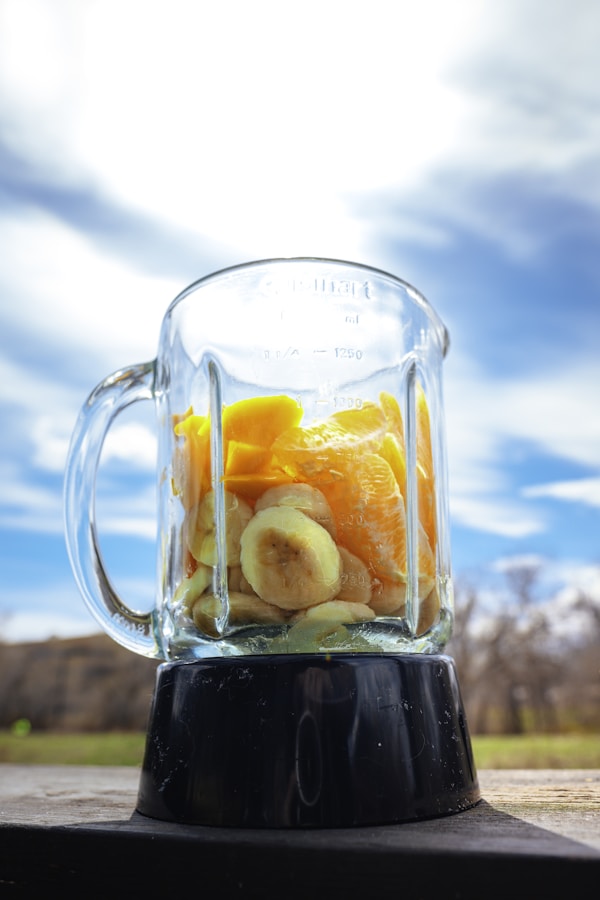
8.Blending: After fermentation, transfer the mixture to a blender, add vinegar to taste (typically 1/4 to 1/2 cup), and blend until smooth. You can strain the sauce if a smoother texture is desired.
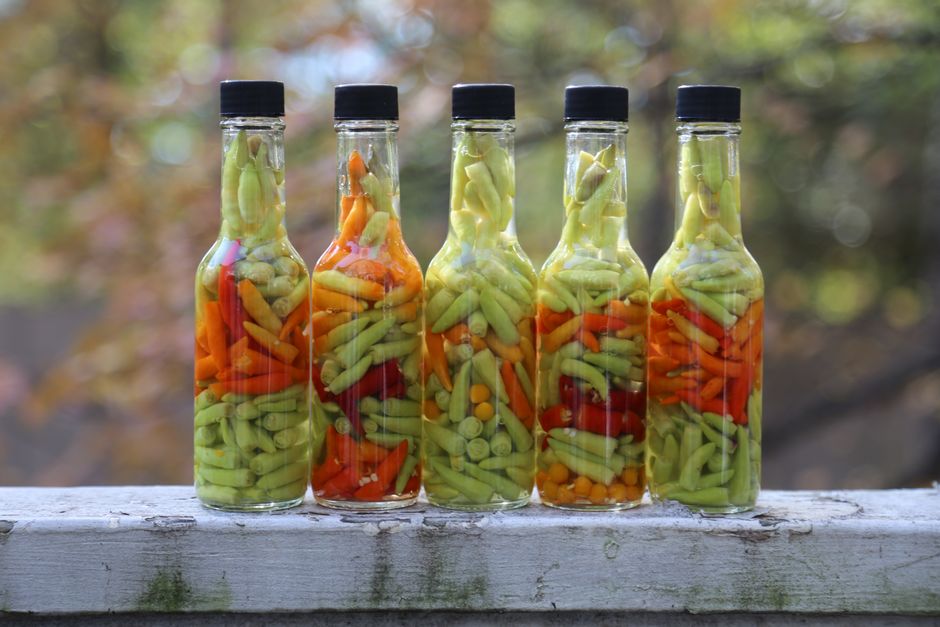
9.Bottling: Pour the blended sauce into sterilized bottles or jars. If you didn’t strain it, using a funnel can help minimize mess.
10.Storage: Store your fermented hot sauce in the fridge for long-lasting flavor. Properly preserved, it can last for up to a year.

Flavor Enhancements

Now that you have the basic recipe down, consider enhancing the flavor and complexity of your sauce with additional ingredients:

●Fruits: Mango, pineapple, or peaches can add sweetness and fruity notes.
●Herbs: Fresh herbs like cilantro or basil can lend an aromatic quality.
●Spices: Cumin, coriander, or smoked paprika can add layers of flavor.
●Vinegar Varieties: Experiment with different types of vinegar, such as apple cider for tanginess or rice vinegar for a milder taste.

Troubleshooting Common Issues

Like any culinary endeavor, fermentation can come with its challenges. Here are some common problems you may encounter, along with solutions to ensure your hot sauce turns out perfectly.

Problem: Sauce Is Too Salty

●Solution: This is often due to an over-salted brine or imbalance in the recipe. If you find your sauce too salty post-fermentation, consider diluting it with additional vinegar or water before blending.

Problem: Mold Formation

●Solution: Mold can form if the peppers are not submerged entirely in brine. If you spot mold, remove it carefully without disturbing the rest of the batch. Ensure ingredients remain submerged during fermentation next time, perhaps by using weights or a tighter seal on your jar.

Problem: Off-putting Smell or Flavor

●Solution: If your ferment has an unpleasant smell, it might indicate spoilage. Always trust your senses. If a batch seems off, it might be best to discard it to prevent health risks. Remember, clean utensils and jars are essential for preventing contamination.

Problem: Sauce Lacks Flavor

●Solution: If, after blending, the sauce appears bland, try adding additional salt or acid (vinegar) for balance. Additionally, taste your sauce at regular intervals during fermentation to assess the development of flavor.

"Fermentation is a forgiving process; trust in your instincts and let your taste buds guide you to the finish line."

The Versatility of Fermented Hot Sauce

Once you have created your homemade fermented hot sauce, the real fun begins—how can you incorporate this dynamic condiment into your daily cooking? From enhancing simple dishes to creating complex culinary creations, the versatility of hot sauce is vast.

Culinary Applications

Here are several inspiring ways to use your fermented hot sauce:

●Marinades: Use hot sauce as a base for marinades, adding depth to grilled meats and vegetables.
●Drizzle: Elevate tacos, burritos, or sandwiches by drizzling fermented hot sauce over them for an unexpected kick.
●Soups and Stews: A splash of hot sauce can brighten up soups, chili, or stews, adding complexity and heat.
●Dips: Incorporate fermented hot sauce in your favorite dip recipes—think spicy guacamole or a zesty yogurt dip.
●Dressings: Blend your hot sauce into salad dressings for a spicy twist that livens up greens.

Food Pairings

The flavor profile of your hot sauce will help guide your pairings. For instance:

●Fruity Hot Sauces: Pair well with grilled fish, tacos, or even desserts like vanilla ice cream.
●Savory Hot Sauces: Complement roasted meats, hearty stews, and savory pastries.
●Smoky Hot Sauces: Enhance barbecued dishes or spicy barbecue sauces.

Preservation and Shelf Life

The fermentation process lends an inherent preservation quality to your hot sauce, making it a fantastic condiment to keep on hand. As a rule of thumb:

1.Refrigeration: Always store your hot sauce in the fridge after fermentation to extend its shelf life.
2.Labeling: Include dates and ingredients on your bottles for reference.
3.Reuse: Consider using the leftover brine on salads or as a quick punch of flavor in various recipes.

Final Thoughts

Embracing the art of fermented hot sauce is not just a journey into flavor; it’s a culinary adventure filled with experimentation and discovery. By understanding the principles of fermentation, selecting the right peppers, and crafting your own unique recipes, you can develop a stunning array of hot sauces that elevate your cooking and tantalize your taste buds.

Whether you enjoy the thrill of heat or the subtle complexities of tangy flavors, making fermented hot sauce at home allows you to explore the full spectrum of what this condiment can offer. So gather your ingredients, unleash your creativity, and with time and patience, you will find yourself with a hot sauce that not only adds spice to your dishes but also illustrates your culinary prowess.

As you delve into the world of fermentation, remember, it's all about trial and error. Embrace each batch, celebrate your successes, and learn from your missteps. Ultimately, the art of fermented hot sauce is an enriching experience, destined to become a cherished aspect of your culinary repertoire. Happy fermenting!

(Word Count: 2,129)
🧰 Gear for this recipe
Tools our chefs reach for when cooking this
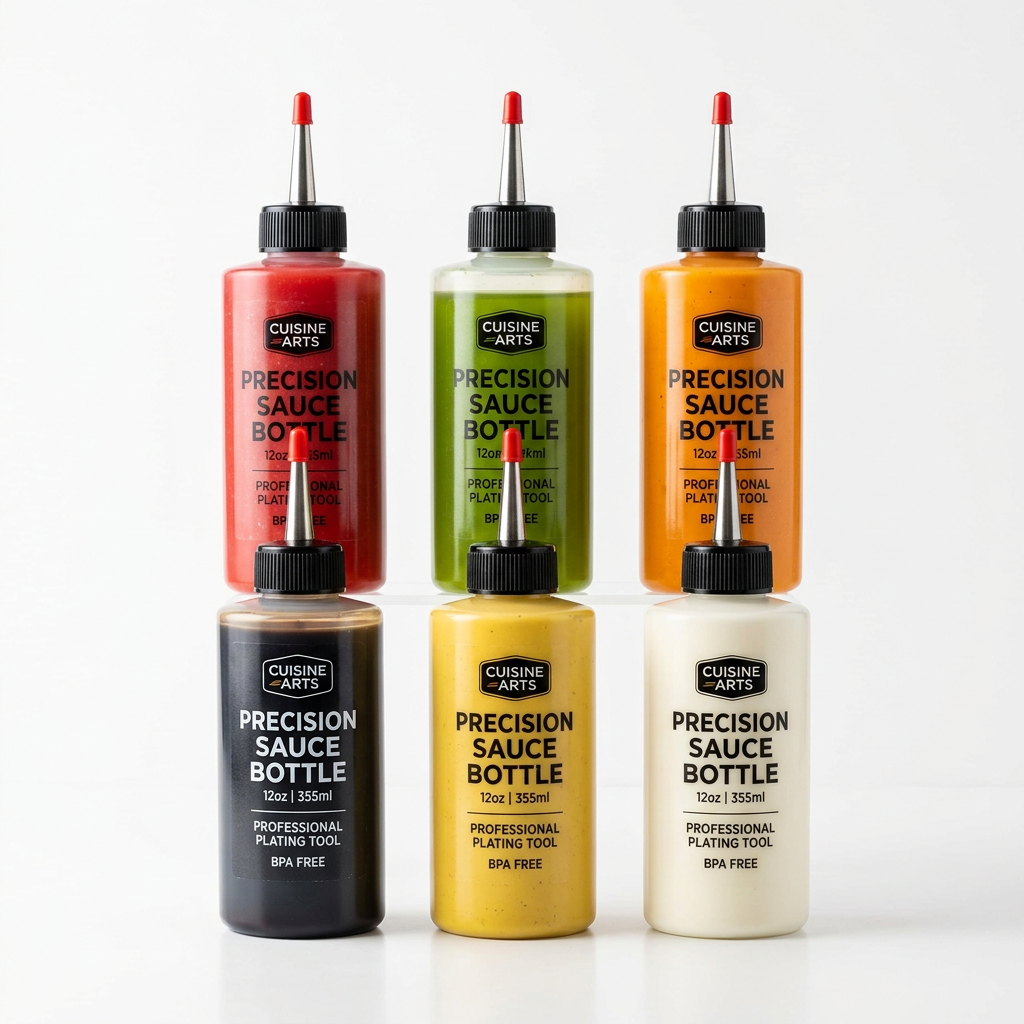
Precision Sauce Squeeze Bottles 6-pack
Serving
Precision Sauce Squeeze Bottles 6-pack
★★★★★4.5
$12-$18
View on Amazon
Breville BSB510XL Control Grip Immersion Blender
Small Appliances
Breville BSB510XL Control Grip Immersion Blender
★★★★★4.6
$60-$80
View on Amazon
Ramekin Squeeze Bottles 6-pack
Serving
Ramekin Squeeze Bottles 6-pack
★★★★★4.5
$12-$18
View on Amazon
All-Clad D3 Stainless Saucepan 3qt
Cookware
All-Clad D3 Stainless Saucepan 3qt
★★★★★4.7
$100-$150
View on Amazon

As an Amazon Associate we earn from qualifying purchases.

🍳

Get the Next Recipe

Weekly recipes, techniques, and gear picks — straight to your inbox.

No spam, ever. Unsubscribe anytime.

YesChef - Learn from the world's best chefs
© 2026 Blame The Chef
🍳

Never Miss a Recipe

Weekly recipes, kitchen tips, and gadget picks — straight to your inbox.

No spam, ever. Unsubscribe anytime.