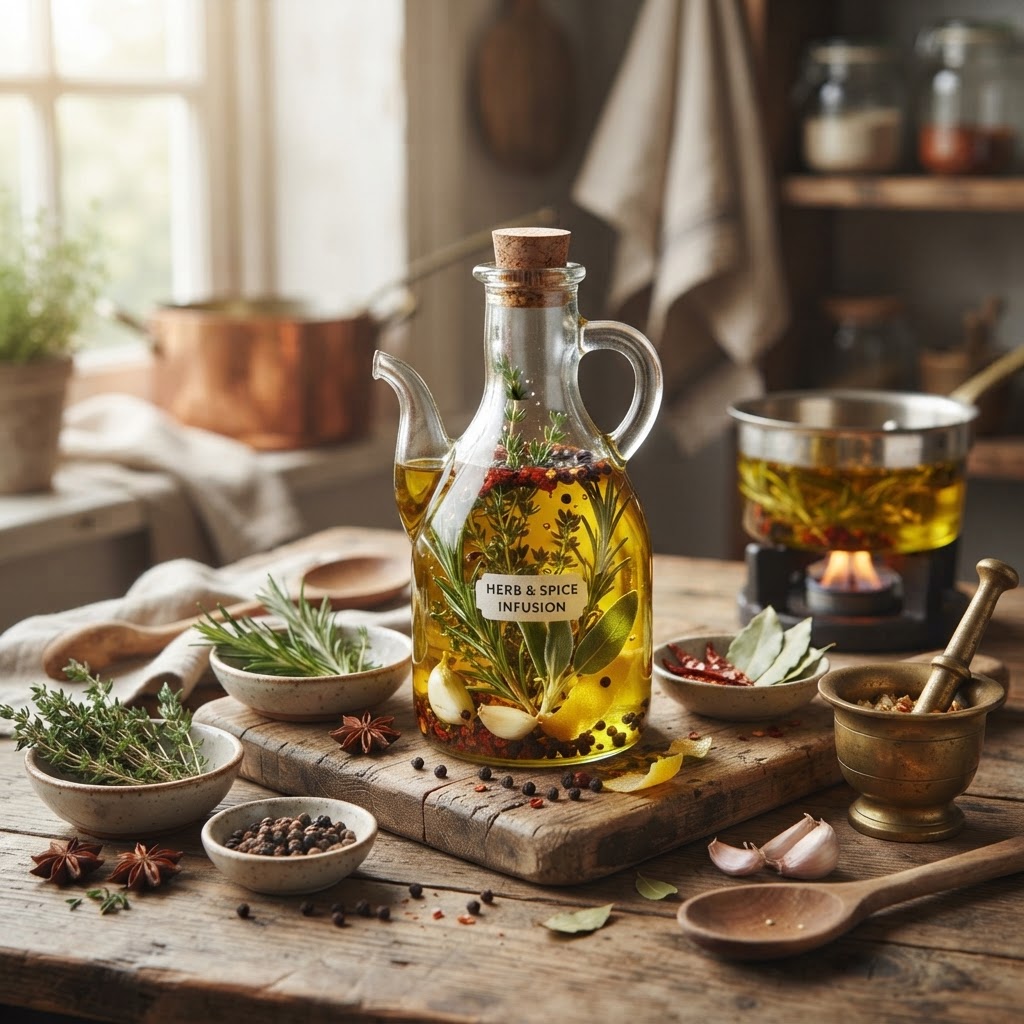
The Art of Infusion: Techniques for Extracting Maximum Flavor from Herbs and Spices
The culinary world is a vast landscape filled with myriad flavors, textures, and aromas that can transport us to different places and times. Among the most potent agents of this transformation are herbs and spices, nature’s little wonders that, when used skillfully, can elevate a dish from ordinary to extraordinary. Infusion is a cherished technique that allows home cooks to extract not just the flavor but the essence of these plants, creating layers of complexity in both savory and sweet preparations. With a deep understanding of how to maximize these flavor infusions, your culinary creations can reflect your personal style and elevate everyday meals to gourmet experiences.
To harness the power of herbs and spices, one must first appreciate the different methods available for infusion. Whether it’s through steeping, simmering, or blending, understanding the fundamentals of flavor extraction will set you on a path towards culinary mastery. The beauty of infusion is that it’s not a one-size-fits-all approach; different methods work best for different ingredients, and this adaptability allows for endless creativity in the kitchen. Learning about the various techniques, their ideal applications, and the subtle nuances in flavor profiles can open up a world of culinary possibilities.
As you delve deeper into the art of infusion, it's essential to grasp the principles of flavor layering. It's not just about making a dish taste better; it’s about creating a harmonious balance that excites the palate. From crafting aromatic broths to creating intense oil infusions, the possibilities are vast, and the rewards are immeasurable. In this blog post, we will explore essential infusion techniques, share professional chef tips, and guide you through the entire process of extracting maximum flavor from herbs and spices.
Understanding Infusion: A Culinary Foundation
Infusion is the process of extracting flavors and aromas by soaking herbs, spices, or other ingredients in a liquid—often water, oil, or alcohol. This technique allows the essential oils and flavors of the chosen ingredients to dissolve into the liquid, creating a more concentrated and flavorful base for your dishes. The type of infusion you choose can be influenced by the intended dish and the desired flavor profile.
The Science Behind Flavors
Understanding the science of flavor extraction is crucial for any serious home cook. When heat or liquid interacts with herbs and spices, it breaks down their cellular structure, releasing volatile compounds. Here are some factors that affect infusion:
Choosing Your Ingredients
The key to a successful infusion begins with selecting fresh, high-quality herbs and spices. Here are some tips:
Techniques for Infusion
Now that you understand the fundamentals of infusion, let’s dive into specific techniques that you can easily apply in your kitchen.
1. Cold Infusion
Cold infusions are a gentle way to extract delicate flavors from herbs. This technique is ideal for herbs that have a lot of essential oils, such as mint, basil, and tarragon.
Steps:
Cold infusions are particularly refreshing for dressings, cocktails, and even water.
2. Hot Infusion
Hot infusion is commonly used for teas, broths, and syrups and requires a bit of heat to help extract maximum flavor.
Steps:
Hot infusions can serve as the base for soups, sauces, and even desserts.
3. Oil Infusion
Infusing oils with herbs or spices can create vibrant dressings, marinades, or finishing oils that elevate your dishes.
Steps:
4. Alcoholic Infusion
These infusions are perfect for crafting homemade liqueurs, cocktails, or for use in savory dishes.
Steps:
Alcoholic infusions are perfect for adding unique flavors to drinks or can even be utilized in cooking.
5. Salt and Sugar Infusion
Infusing salt and sugar with herbs not only enhances their flavors but also provides an elegant touch to finishing dishes or baking.
Steps:
These infused ingredients can invigorate your dishes—use them in marinades, on meats, or sprinkled on desserts.
Advanced Infusion Techniques
For those looking to take their infusion game a step further, advanced techniques allow for even more nuanced flavor profiles.
1. Sous Vide Infusion
Sous vide is a professional grade technique that harnesses precision temperature control to make incredibly well-extracted infusions.
Steps:
Sous vide infusions are excellent for creating flavored oils or spirit infusions with remarkable depth.
2. Espresso or Coffee Infusion
Using espresso or coffee beans as a base can add tremendous complexity to both savory and sweet dishes.
Steps:
3. Gas Infusion
A more experimental method, gas infusion involves using Nitrous Oxide to quickly infuse flavors into liquids. This technique is often utilized in molecular gastronomy.
Steps:
Gas infusion is cutting-edge and can yield unique results that surprise even the most discerning palates.
Creative Uses for Infused Ingredients
Once you’ve successfully infused your herbs and spices, the real fun begins—learning how to implement these flavors into your cooking.
1. Infused Oils in Cooking
Infused oils can serve multiple purposes — from sautéing vegetables to drizzling over fresh pasta. They add a depth of flavor that can vastly improve a simple dish.
2. Dressings and Marinades
Using infused oils as a base for dressings can elevate your salads to gourmet standards. Simply whisk together your infused oil with vinegar or citrus juice, salt, and pepper, and enjoy a robust dressing.
Sample Dressing Recipe:
- 1/4 cup infused herb oil
- 2 tablespoons balsamic vinegar
- Salt and pepper to taste
1. Combine all ingredients in a jar and seal.
2. Shake vigorously until emulsified.
3. Adjust seasoning as necessary.
3. Soups and Broths
Infused broths serve as the backbone of many dishes. Use your hot infusions as a base for soups or stews. Pairing an infused broth with complementary proteins and vegetables can result in masterful dishes that showcase your cooking prowess.
4. Baking and Desserts
Infused sugars can elevate your baked goods. Consider using an herb-infused sugar in cakes, cookies, or even homemade ice creams. Vanilla bean sugar can compliment fruit desserts like shortcakes or sorbets beautifully.
5. Unique Cocktails
Experimenting with infused spirits can lead to innovative cocktails that will impress your guests. Think basil-infused vodka for a fresh twist on classic cocktails or spiced rum for a seasonal punch.
Troubleshooting Common Infusion Issues
Even experienced chefs can encounter pitfalls while infusing flavors. Addressing them promptly can save a batch of infusions from ruining your dish.
1. Flavor Overpowering
If infusions become overly potent, dilute it with an appropriate liquid. For instance, add a splash of water or broth to an overly strong infused oil.
2. Poor Flavor Extraction
This issue often arises from insufficient time or low temperatures. When infusing, always ensure the liquid reaches the right temperature and give it enough time to extract the desired flavors.
3. Off-Flavors
Off flavors can often be attributed to expired herbs or spices. Always use fresh ingredients, check expiration dates, and maintain a good storage method to preserve potency.
Conclusion
Mastering the art of infusion is a journey that takes time, experimentation, and practice. But with these techniques and tips at your disposal, you’re well on your way to transforming everyday ingredients into culinary spectacles. The flavors you draw from herbs and spices can create something personal and unique, enriching not just your recipes but your overall cooking experience.
Whether you are a novice in the kitchen or have years of experience, embracing the methods of infusion can lead to breakthroughs you didn’t think possible. From hearty broths that warm the soul to aromatic oils that turn a dish into a work of art, these techniques are vital tools in your culinary arsenal. So, the next time you step into the kitchen, remember: when it comes to flavor, always blame the chef—that chef can be you! By incorporating these infusion methods into your kitchen repertoire, you will not only enhance the flavors of your dishes but also showcase your growth as a skilled and innovative home cook.
Explore, experiment, and above all, enjoy the process. Happy infusing!
Get the Next Recipe
Weekly recipes, techniques, and gear picks — straight to your inbox.
