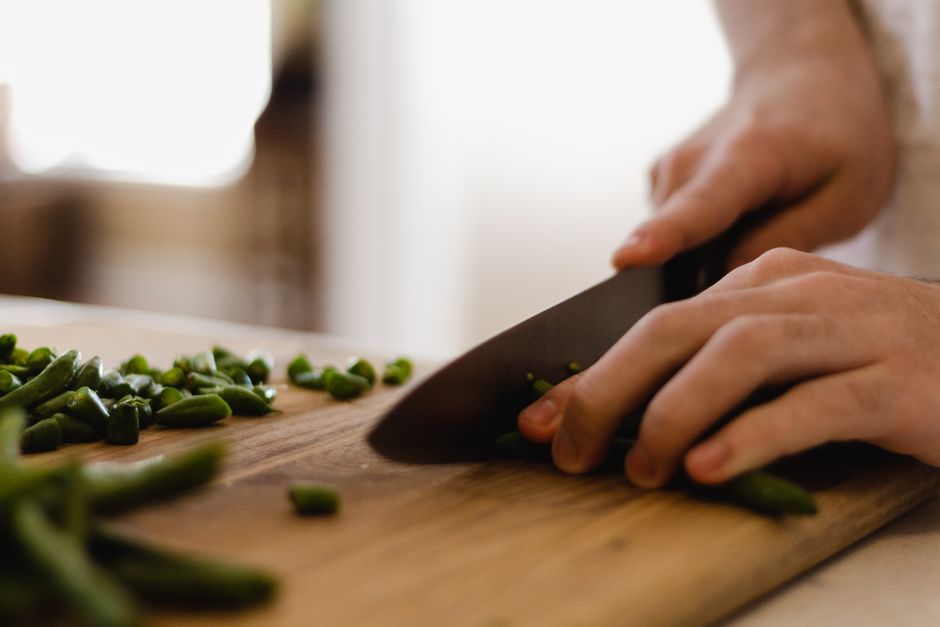
The Art of Knife Skills: Essential Techniques Every Home Cook Should Master
The kitchen can be a daunting place for novice cooks, and nowhere is this more evident than in the array of knives that await them. A well-honed knife can elevate your cooking from ordinary to extraordinary, turning mundane meal prep into an enjoyable, efficient process. However, the art of using a knife is often overlooked or taken for granted. Mastering knife skills not only enhances your efficiency in the kitchen but also improves the safety of your cooking environment. After all, a blunt knife is a dangerous tool – it requires more force to cut through food, increasing the likelihood of slips and accidents.
Investing time in mastering these essential skills will pay dividends not just in the kitchen but also in your culinary confidence. From how to choose the right knife to practicing various cutting techniques, each component of knife skills plays a crucial role in food preparation. These skills are not just about speed; they’re about precision and presentation, allowing you to create dishes that are not only flavorful but visually stunning.
As you embark on your journey to sharpen your knife skills, remember that the kitchen is a space for creativity and learning. Embrace your mistakes; every chop that goes awry teaches you something valuable. Whether you are preparing a simple weeknight dinner or an elaborate feast, the right knife techniques will bring your culinary aspirations to life. Let’s dive into the world of knife skills, exploring the techniques every home cook should master.
The Importance of Knife Skills
The Foundation of Culinary Technique
Knife skills are foundational to cooking; they set the stage for everything that follows. When you chop, slice, dice, and mince with precision, it not only affects the final presentation of your meal but also influences the cooking time. Uniform pieces cook evenly, while jagged cuts can lead to uneven cooking or unwanted textures in your food.
Moreover, good knife skills enable you to maximize the use of your ingredients, helping to reduce waste. For example, when you know how to mince garlic properly, you can extract the maximum flavor from each clove, ensuring that your dish is aromatic and enticing. Properly using a knife translates to knowing how to treat each ingredient with respect, leading to better taste and a more enjoyable cooking experience.
Another crucial aspect is safety. When you wield your knife with confidence, your chances of an accident decrease significantly. Learning how to hold your knife correctly and knowing the proper cutting techniques will protect your hands and fingers from mishaps. It's vital to develop these skills, for they serve as the backbone of your culinary practices.
Equipment Matters: Choosing the Right Knives
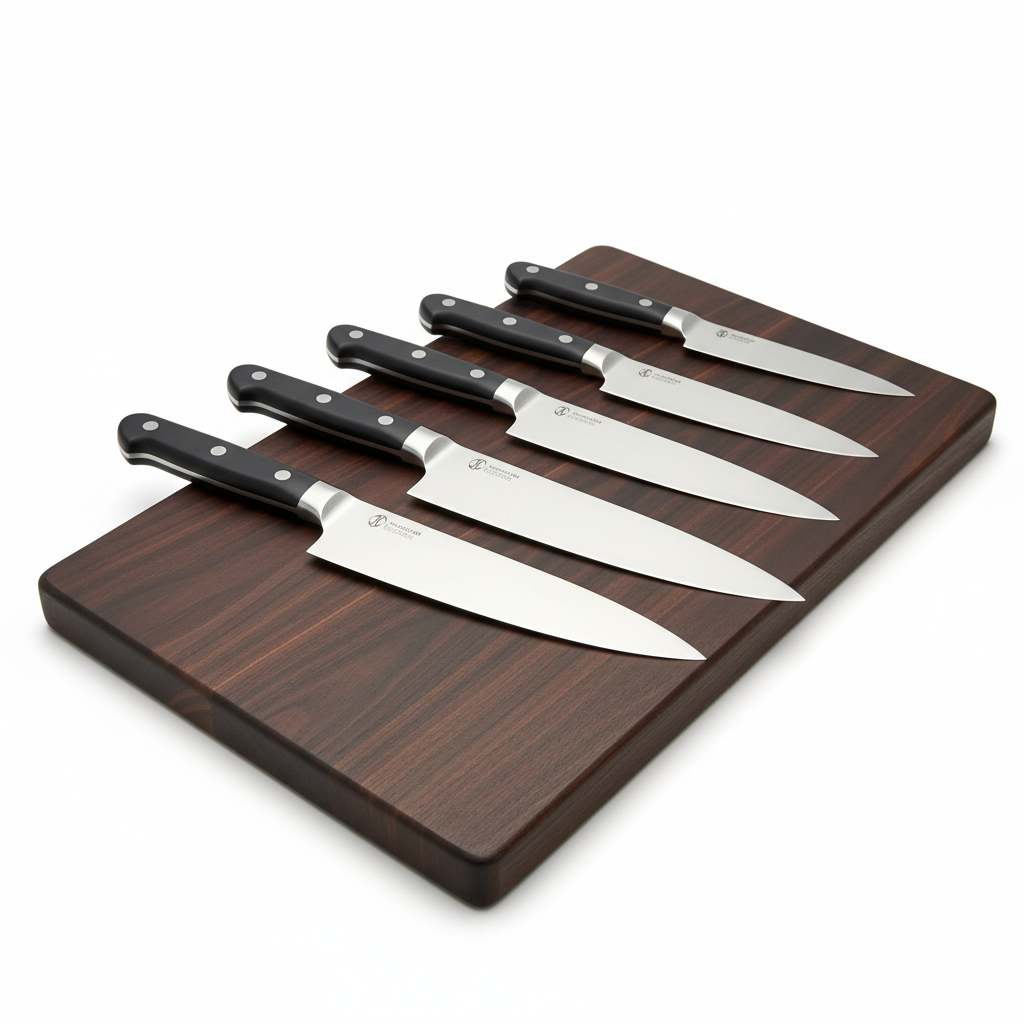
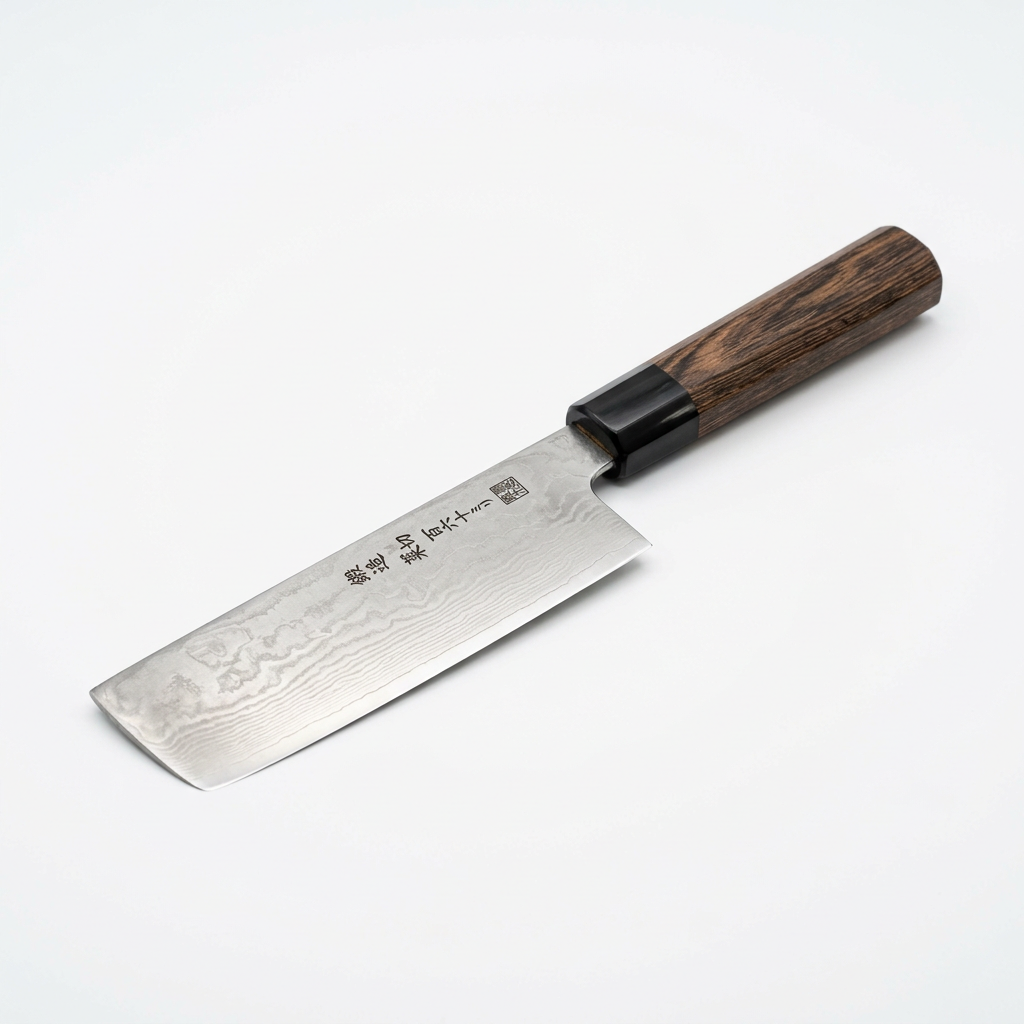
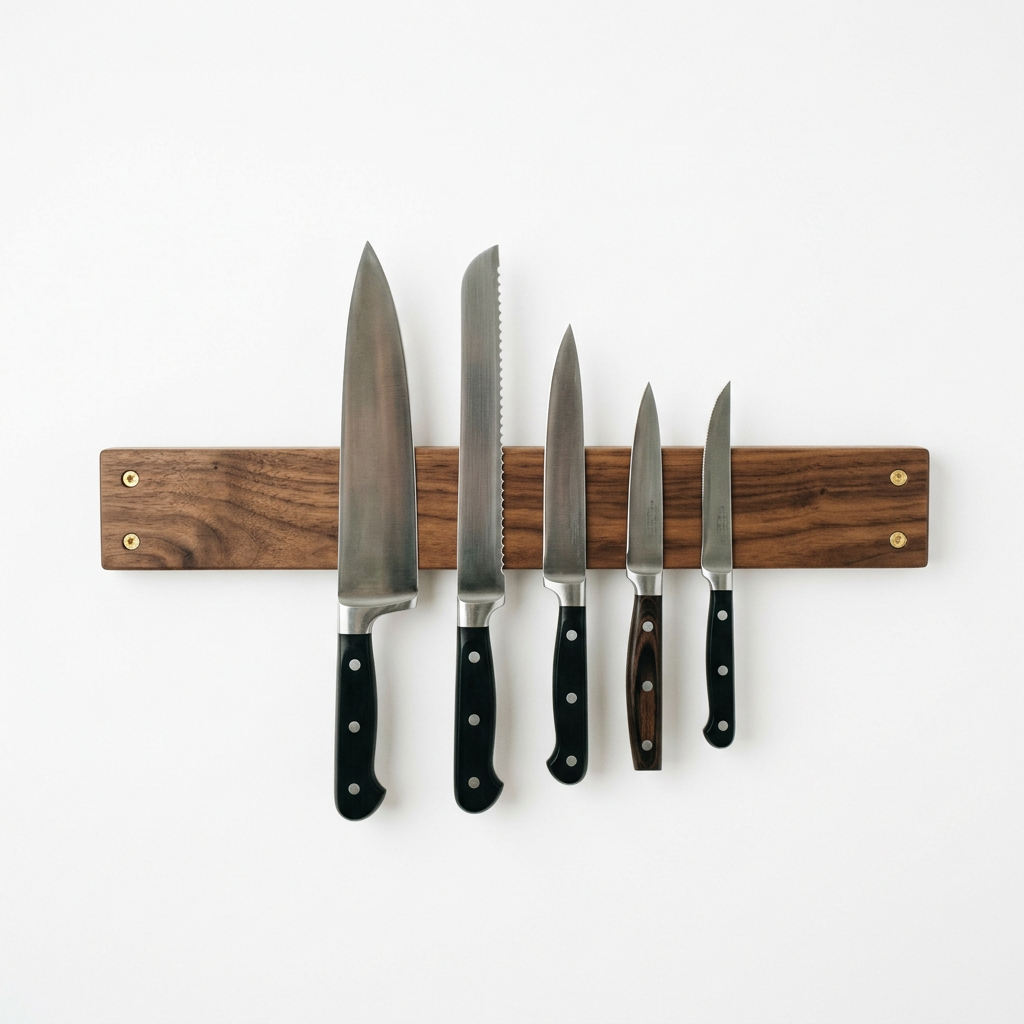
Having the right tools can make a world of difference in your kitchen. While there are numerous types of knives out there, a well-curated collection can help you tackle virtually any task. At a minimum, consider investing in the following essential knives:
Each knife serves a specific purpose, and using the right one will enhance your efficiency and precision. Just as you wouldn’t use a hammer to drive in a screw, using the correct knife for each task will yield better results.
The Anatomy of a Knife
To become proficient in knife skills, it's important to understand the parts of your knife and what each does. Here’s a breakdown:
Understanding these components will help you learn how to use your knife effectively and safely, enabling you to choose which parts to engage based on the task at hand.
Basic Knife Techniques
The Grip: Hold Your Knife Correctly
Before you start cutting, mastering the grip is essential. There are two primary grips for holding a knife effectively:
Whichever grip you choose, be sure that your grip is firm but relaxed. Tension can lead to fatigue and mistakes. As you practice, alternating between grips will help you discover which feels best for different tasks.
The Claw Method: Safety First
Safety in the kitchen begins with your hand positioning. The claw method is a technique used to protect your fingers while cutting:
Using the claw method prevents accidental cuts on your fingers and keeps your hand in a safe position while chopping or slicing. Practicing this technique not only improves safety but also enhances your cutting speed as you become more comfortable with the motion.
Cutting Techniques: The Basics
Mastering a few fundamental cutting techniques will significantly enhance your overall knife skills. Here’s a breakdown of some essential techniques:
“Precision in your cuts leads to better cooking – uniform pieces not only look better but also cook evenly.”
Advanced Knife Techniques
Fine Julienne and Brunoise
Once you've mastered the basics, you may want to elevate your skills with advanced techniques like julienne and brunoise cutting.
Both techniques are frequently used in professional kitchens to ensure components of a dish are uniform. Not only do these techniques enhance the presentation of your meals, but they also promote even cooking throughout.
Cleaver Skills: Handling a Heavyweight
The cleaver is an essential tool that should not be overlooked. While it may seem intimidating at first, the cleaver can help you tackle larger items like squash or whole chickens with ease. Here are a few tips for handling a cleaver effectively:
“A well-maintained cleaver can handle diverse tasks from chopping to slicing; respect the tool, and it will serve you well.”
The Role of a Mandoline
While not a traditional knife, the mandoline is valuable for achieving uniform slices of vegetables or fruits swiftly. Here are some pro tips for using one safely:
Using a mandoline can speed up prep work and ensure consistent sizing essential for cooking or presentation.
Maintaining Your Knives
Sharpening Techniques
A dull knife is both a safety hazard and a cooking inconvenience. Regular sharpening is the key to maintaining your knives and ensuring they work efficiently. Here are a few methods for sharpening your knives effectively:
- Soak your whetstone for about 10-15 minutes.
- Place it on a towel for stability.
- Start sharpening the blade, applying mild pressure and moving from heel to tip.
“Investing in a good whetstone is investing in your culinary future – regular sharpening can turn a good chef into a great one.”
Cleaning and Storage
Taking care of your knives extends their lifespan. Here are best practices for cleaning and storing knives:
Cooking Practice: Every Slice Counts
Developing Your Skills with Practice
The best way to hone your knife skills is through consistent practice. Set aside time during your regular cooking sessions to focus specifically on refining your techniques. Use practice ingredients such as:
Start with simple, repetitive tasks and gradually increase complexity as you become comfortable. Even spending 10-15 minutes a day focusing on your knife skills can yield exciting progress over time.
Incorporating Knife Skills into Recipes
Another effective way to practice is by incorporating your knife skills into new recipes. Choose recipes that require various cuts to challenge yourself. Some options include:
Taking the time to integrate knife skills into your cooking will help make these techniques second nature and improve your overall culinary experience.
Conclusion
Mastering knife skills is an indispensable part of any home cook’s journey. By investing time into learning techniques and practicing regularly, you build a strong foundation that will benefit you in every dish you create. Knife skills go beyond mere efficiency; they enhance every aspect of preparation, from improving safety to elevating the presentation of your food.
Whether you’re slicing vegetables for a stir-fry or dicing an onion for a homemade salsa, the right knife skills make all the difference. Remember to embrace mistakes, practice consistently, and invest in good tools – these steps will lead you to culinary excellence. So grab your knives, roll up your sleeves, and get ready to elevate your cooking to new heights; after all, the art of knife skills transforms both the food and the cook.

Get the Next Recipe
Weekly recipes, techniques, and gear picks — straight to your inbox.
