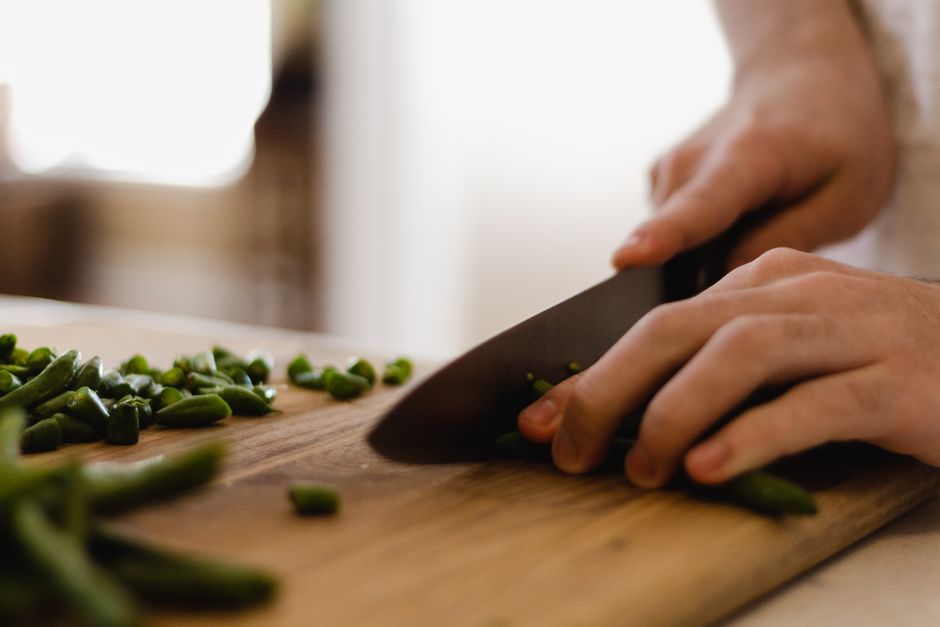
The Art of Knife Skills: From Brunoise to Chiffonade Like a Professional Chef
Learning to wield a knife with the finesse of a seasoned chef is an essential skill that can elevate your cooking from mundane to magnificent. Whether you are mincing garlic, dicing onions, or chiffonading herbs, the way you handle your knife influences not just the aesthetics of the dish but also the flavors that unfold in your cooking. Mastering knife techniques can seem daunting at first, but it's all about practice, patience, and a good understanding of the various cuts and their applications in the culinary world. When you cut ingredients uniformly, they cook evenly and create presentations that are visually appealing.
The precision of knife skills translates directly into enhanced flavor profiles and cooking efficiency, making it an integral part of any culinary repertoire. When you take the time to learn the techniques, you’ll find yourself moving with increased confidence in the kitchen. Moreover, knowing how to handle different knives and understanding the anatomy of cuts can save you time and prevent accidents around sharp objects. This is especially critical for home cooks who might feel overwhelmed by the plethora of available equipment and methods.
Embarking on the journey to refine knife skills not only involves learning the cuts but also mastering the art of hand positioning, grip, and safety considerations. While it may require initial effort and attention, these skills will pay off tremendously—the more you practice, the more intuitive these techniques will become. So, let's dive into the world of knife skills that every aspiring home chef should master!
Understanding the Basics of Knife Skills
Knife Anatomy
Before diving into the specific techniques of cutting, it is essential to understand the anatomy of a knife. Various knives serve different purposes, and knowing their parts will give you a more comprehensive understanding of how to use them effectively.
Understanding these parts will enable you to employ the right knife for each task, thus maximizing efficiency and safety.
Choosing the Right Knife
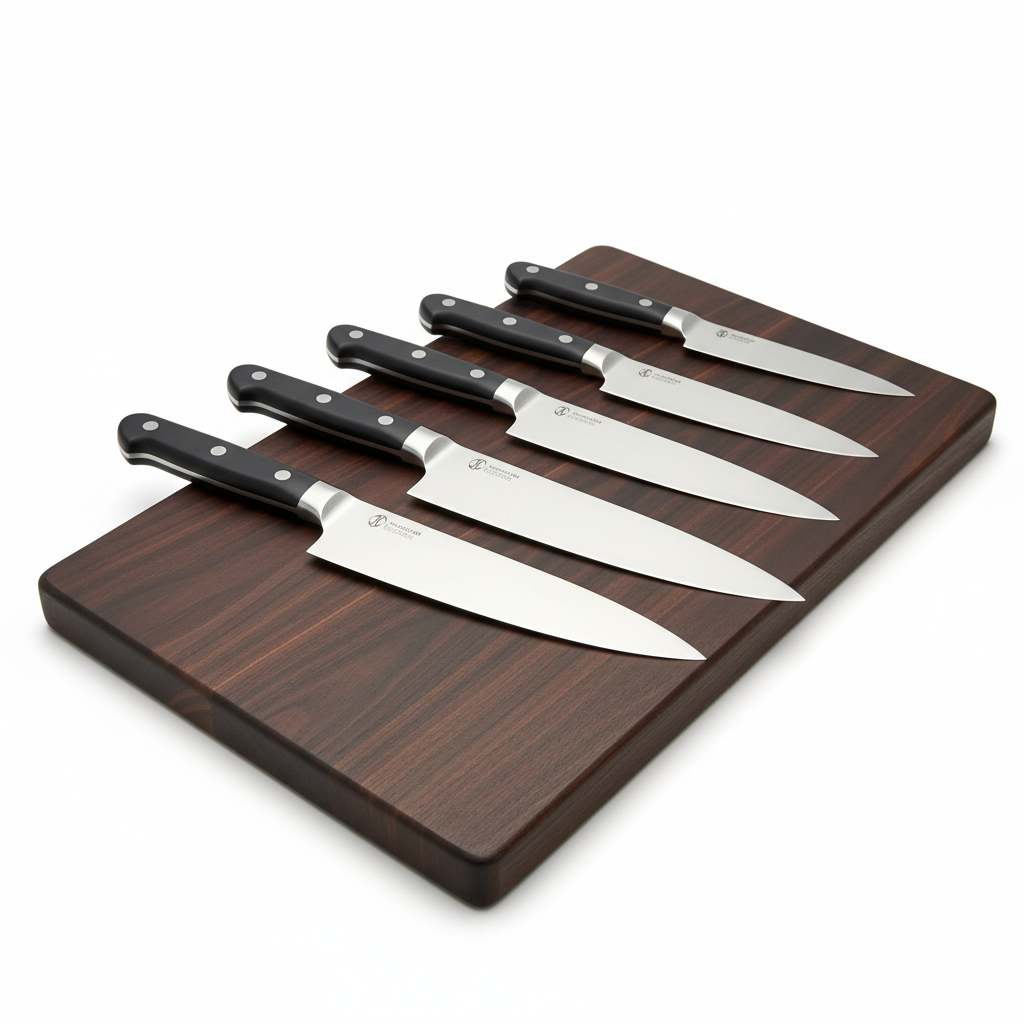
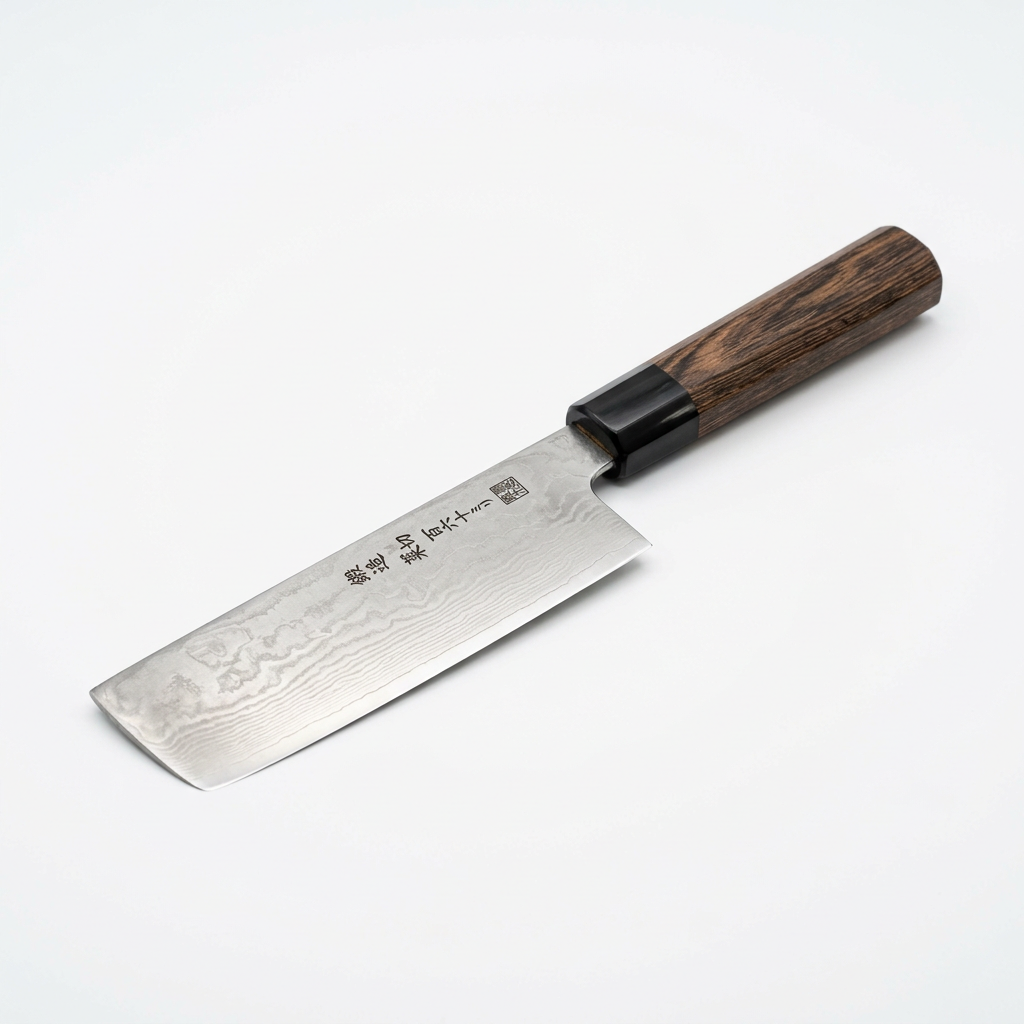
With a myriad of knives available in the market, knowing which to choose can be overwhelming. Here’s a primer on some essential knives that every cook should have in their kitchen:
The right knife improves efficiency and comfort, reducing kitchen fatigue and the risk of accidents.
Knife Safety
One crucial aspect of knife skills is safety. Here are some essential safety tips to keep in mind while using knives:
These tips are vital for novice cooks and seasoned professionals alike; good practices will make your kitchen experience safer and more enjoyable.
“Mastering knife skills is not just about the cuts you make; it’s about the confidence you build in the kitchen.”
Essential Knife Cuts
Understanding Different Cuts: A Culinary Vocabulary
When it comes to knife skills, knowing the terminology is essential. Each cut has its unique name and application, which are invaluable in the kitchen. Here are some key cuts every cook should know:
Understanding these cuts allows you to diversify your cooking and ensure that your ingredients are prepared correctly for the dish you are creating.
The Dice: The Foundation
Dicing is one of the foundational skills in knife work and can be categorized into small, medium, and large dice. Mastering this technique allows for uniform cooking and visually appealing presentations.
#### Small Dice
#### Medium and Large Dice
For medium and large dice, follow the same steps but adjust the size of your cuts accordingly. A larger die is great for stews and braises where the ingredients will cook for an extended time.
A quick tip: Try to keep your cutting board organized, placing different ingredients in designated areas. This not only speeds up your prep time but also helps you keep track of what you've already prepared.
The Mince: Fine Precision
Mincing is often used for herbs and aromatics, such as garlic and shallots. The goal is to create fine, small pieces that can distribute flavor throughout your dish.
Mincing is an excellent technique for flavor infusions—think of garlic in a sauce or shallots in a vinaigrette.
“Precision chopping is essential, not only for presentation but for even cooking as well.”
The Art of Specialty Cuts
Julienne: Creating Beautiful Shapes
Julienne cuts are not just for aesthetic appeal; they can also affect the texture and cooking of vegetables. For instance, julienned carrots add a delightful crunch in salads.
Julienning can be applied to various vegetables such as bell peppers, zucchini, and potatoes, enhancing their visual appeal in stir-fries or salads.
Brunoise: The Pinnacle of Precision
Brunoise is one of the most technical cuts. It involves first julienning the food, followed by finely dicing it.
Brunoise cuts are perfect for garnishing dishes or enhancing sauces, providing depth in both flavor and design.
Chiffonade: Herb Perfection
Chiffonade is a technique usually applied to leafy greens and herbs. It’s a method that allows you to create delicate ribbons that can enhance a variety of dishes, from salads to pastas.
This technique adds flair to your dishes while enhancing flavors, particularly in dishes that benefit from fresh herbs.
Beyond the Basics: Advanced Knife Skills
The Rocking Technique
For those who want to elevate their cutting skills, learning the rocking technique is essential. This technique is particularly useful for dicing and mincing tasks and is often used by professional chefs.
This method provides speed and precision, allowing you to create finely chopped ingredients in less time.
Speed and Efficiency
With practice comes speed, but it’s crucial to maintain safety and precision. Here’s how to improve your efficiency in the kitchen:
“Efficiency in knife skills comes from practice and familiarity. The more you cut, the more you'll hone your technique.”
Knife Maintenance: Keeping Your Tools Sharp
Taking care of your knives is just as important as mastering your cutting techniques. A sharp knife is safer and more effective.
A well-maintained knife not only ensures safety but enhances your overall cooking experience.
Creative Applications of Knife Skills
Elevating Everyday Cooking
Culinary Exploration: Global Cuisines
Diving into world cuisines can greatly benefit from knife skills. Whether you are slicing through crisp vegetables for a Vietnamese spring roll or mincing garlic for an Italian pasta sauce, precise cuts can change the flavor and texture dramatically.
These insights into global cuisines reinforce the importance of knife skills in expanding your culinary horizons.
Conclusion
The art of knife skills is not just about knowing how to cut; it’s about building a foundation of confidence in the kitchen. By mastering the different cuts—from dicing to chiffonade—you’ve equipped yourself with essential tools that enhance the quality, efficiency, and safety of your cooking experience. Your knife is an extension of your creativity, acting as a bridge to culinary exploration and expression.
Remember that practice is key. As you refine your technique, you’ll find that your overall cooking skills improve, leading to dishes that are not only delicious but also visually enticing. With the right techniques, a well-maintained knife, and a little creativity, you’re well on your way to cooking like a professional chef in your own kitchen.
So, grab your knife, practice those cuts, and watch as your confidence and creativity blossom. Happy cooking!

Get the Next Recipe
Weekly recipes, techniques, and gear picks — straight to your inbox.
