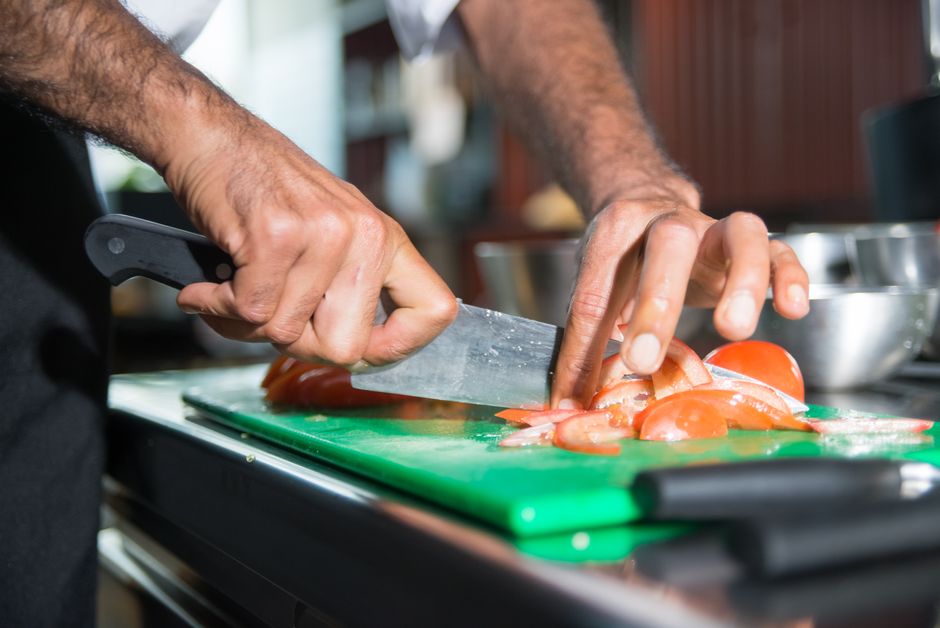
The Art of Knife Skills: Mastering Your Kitchen Fundamentals
In the culinary world, the quality of your knife skills can significantly impact both your cooking experience and the final results of your dishes. Mastering the art of handling a knife is not just about being able to chop vegetables or dice onions; it's about embracing a foundational skill that elevates the entire cooking process. Whether you're a novice cook just starting or a home chef looking to refine your techniques, developing proficient knife skills will ultimately save you time, enhance your precision, and foster a better understanding of your ingredients.
Every time you step into the kitchen, you are presented with opportunities to create, innovate, and express yourself through food. However, without solid knife skills, you might find yourself frustrated by unevenly chopped ingredients or, worse yet, at risk of kitchen accidents. The best chefs in the world have honed their knife skills through practice and precision, understanding that a sharp knife is not just a tool but an extension of their creativity and ability to craft beautiful dishes.
As you read on, you’ll uncover a wealth of information designed to help you unlock the secrets of effective knife skills. Our exploration will cover the types of knives available, proper maintenance techniques, fundamental cutting methods, and the importance of knife safety. By the end, you will have developed a deeper appreciation for this vital culinary skill and a newfound confidence in the kitchen.
Understanding Knife Types
Different Styles and Their Uses
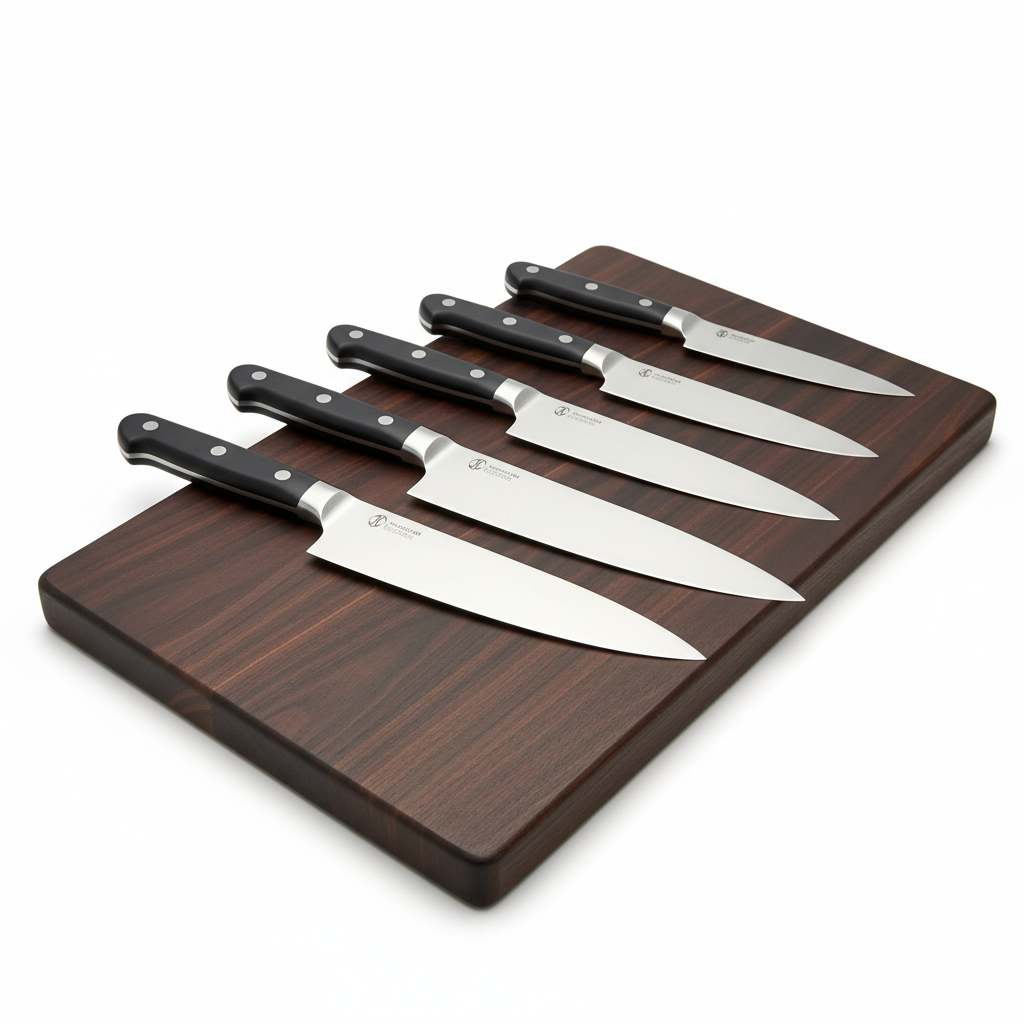
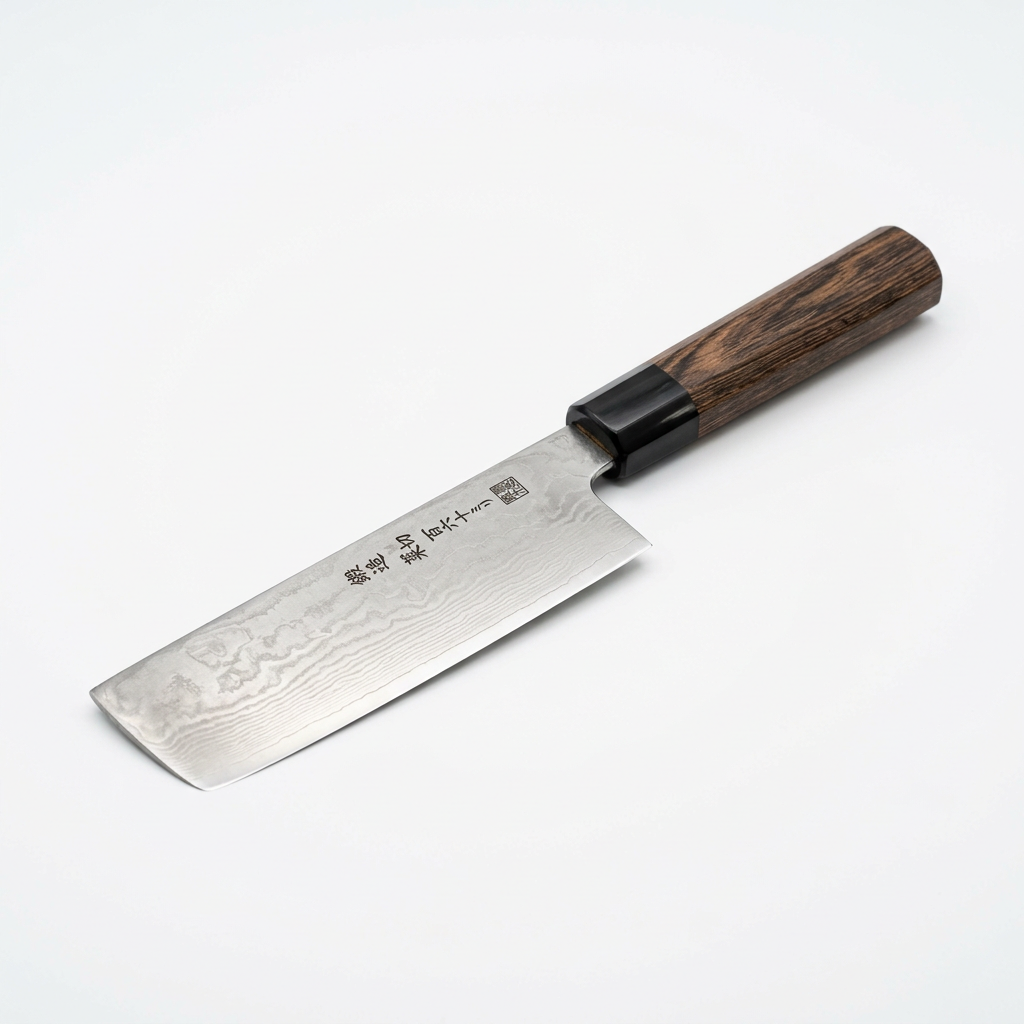
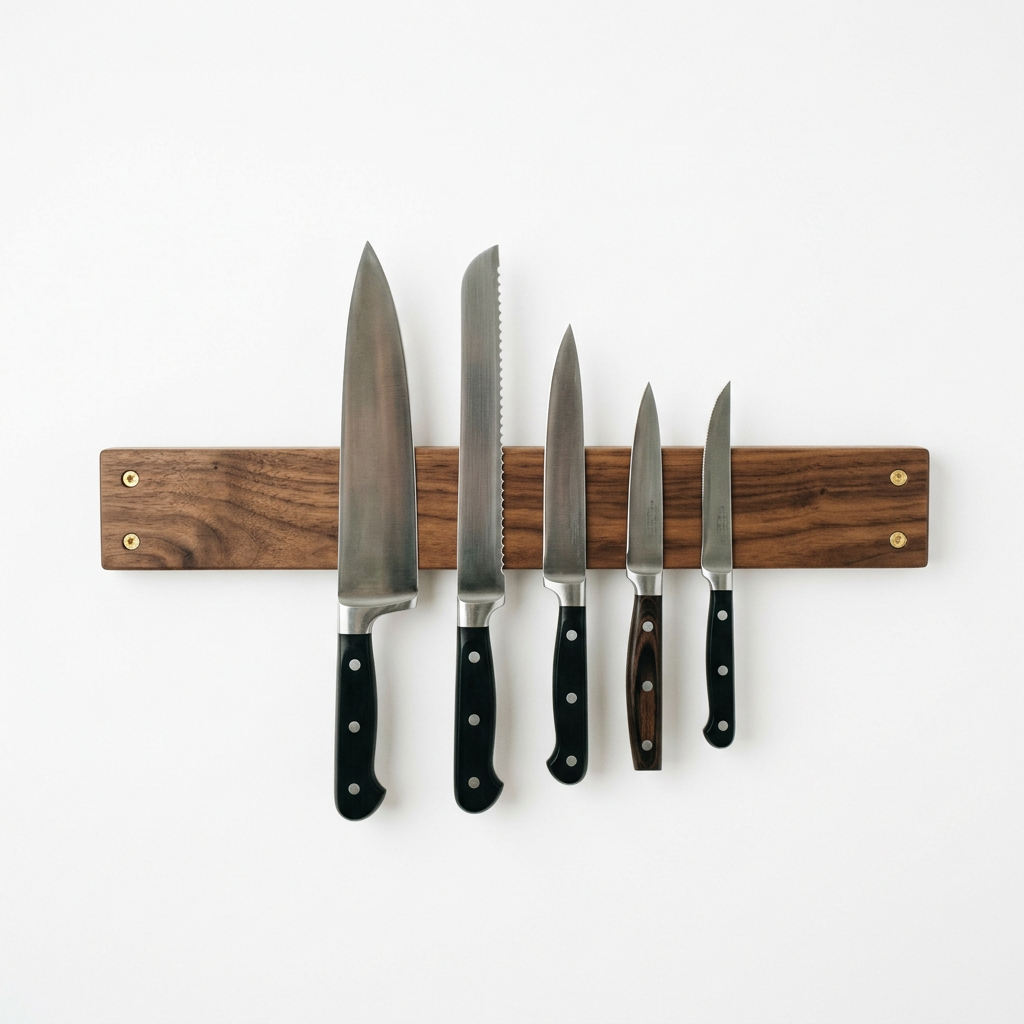
Before you start chopping away, it's crucial to familiarize yourself with the different types of knives that are essential in the kitchen. Each knife serves a specific purpose and can drastically change how you prepare your ingredients. Below are some common types of knives you should consider:
Each knife’s design caters to specific tasks, and understanding these nuances will help you make the best choice for any task at hand. Utilizing the correct knife not only makes your cooking safer and more efficient but also helps achieve a better outcome in texture and presentation.
Choosing the Right Knife for You
Investing in the right set of knives can feel daunting, but it doesn’t have to break the bank. Look for quality over quantity when expanding your kitchen arsenal. Here are some tips to consider when selecting your knives:
Once you have the right knives in hand, remember that they will require regular maintenance to perform at their best.
Knife Maintenance
Keeping Your Knives Sharp
A dull knife is not just frustrating; it can also be dangerous. As the saying goes, “A sharp knife is a safe knife.” Dull blades require more force to cut through food, increasing the likelihood of slips and accidents. There are several effective methods to maintain your knife’s sharpness:
#### Care and Cleaning
Proper cleaning and storage extend the life of your knives. Follow these steps to care for them adequately:
Understanding the Knife Edge
Knife edges come in different shapes and purposes, each designed for specific cutting styles. Familiarizing yourself with these edge types can enhance your cutting techniques further:
Understanding these concepts will empower you to choose the right knife for the right task and maximize efficiency in your kitchen.
Cutting Techniques
The Importance of Proper Techniques
Developing proper cutting techniques is essential for any home cook striving to improve their culinary skills. Not only do they ensure uniformity in ingredient preparation, but they also enhance safety and efficiency.
Here are some basic techniques that every cook should master:
#### The Grip
The way you hold your knife plays a crucial role in your control and accuracy. The most common grip methods are:
Make sure to keep your fingers curled back and your knuckles as a guide while cutting to avoid accidental injuries.
#### Cutting Techniques
Chop: To chop, use a forward and downward motion. Keep your knife’s tip on the cutting board while rocking the blade back and forth to achieve even cuts. This method is effective for vegetables such as onions, garlic, and herbs.
Dice: To dice, start by cutting your ingredient into planks, then into sticks, and finally into cubes. Aim for uniform sizes to ensure even cooking.
Julienne: This technique involves slicing your ingredient into long, thin strips. Begin by cutting your vegetable into planks, then stack and slice into sticks. This is commonly used for carrots and bell peppers.
Mince: To mince, chop your ingredient finely until it becomes almost a paste. This technique is often used for garlic, ginger, and fresh herbs.
With practice, you will gain confidence and precision in all these techniques, resulting in perfectly prepared ingredients.
Safety Tips While Cutting
Ensuring safety while using a knife is paramount in any kitchen. Here are some essential tips:
By mastering both cutting techniques and safety practices, you will find that your confidence in the kitchen will soar.
Advanced Knife Skills
Techniques for Home Cooks
Once you have a grasp of the basic techniques, you can begin to explore more advanced knife skills that can add finesse to your cooking. Techniques such as brunoise, chiffonade, and paisan cut are excellent for those looking to impress with their culinary artistry.
#### Brunoise
This technique involves finely dicing items into cubes of about 1/8-inch on each side. The process begins with julienning your ingredient, then cutting the strips into tiny dice. This is often used for flavoring or garnishing dishes.
#### Chiffonade
To chiffonade, stack leafy greens or herbs, roll them tightly, and slice into thin ribbons. This technique is perfect for basil, spinach, and other delicate greens.
#### Paisan Cut
The paisan cut involves slicing food into thin, flat slices, often used for vegetables. Start with a flat vegetable like a zucchini; slice it into rounds and then cut each round into quarters.
These advanced techniques not only enhance the presentation of your meals but also speak volumes about the effort you’ve put into your culinary craft.
The Art of Plating
Creating visually appealing dishes requires a thoughtful approach to plating. Proper knife skills can significantly enhance the aesthetics of your food. Here are some tips:
Plating is a form of artistic expression, and your knife skills are instrumental in achieving beautiful presentations.
Knife Skill Exercises
Practicing Your Skills
Like any art, mastering knife skills takes practice. Here are a few exercises to help you develop those skills effectively:
Creating a Knife Skills Routine
Establishing a regular routine for practicing your knife skills can lead to significant improvement over time. Consider dedicating a portion of your cooking practice specifically to honing these skills. A suggested routine might include:
Conclusion
The art of knife skills encompasses much more than mere chopping and slicing; it's a disciplined craft that enhances safety and elevates your overall cooking experience. From understanding your tools and their maintenance to mastering the myriad cutting techniques, each element plays a vital role in your culinary journey.
As you venture forth in the kitchen, remember that practice is your most valuable ally. The more you engage with your knives, the more proficient you’ll become. Think of knife skills not merely as a fundamental necessity but as a part of the joyful story your food tells. By mastering these skills, you’re not just preparing meals—you are weaving together a tapestry of flavors, textures, and presentation that can truly impress your family and friends.
As you embark on your journey to refine your knife skills, always prioritize safety and maintain your tools in good condition. These foundation stones will build the confidence you need to experiment in the kitchen, explore new recipes, and innovate dishes that reflect your personality as a cook.
May your kitchen be filled with the comforting sounds of slicing, chopping, and the aromatic wafts of meal preparation as you discover the joy of mastery. So pick up your knives, embrace the practice, and let your culinary creativity flourish!

Get the Next Recipe
Weekly recipes, techniques, and gear picks — straight to your inbox.
