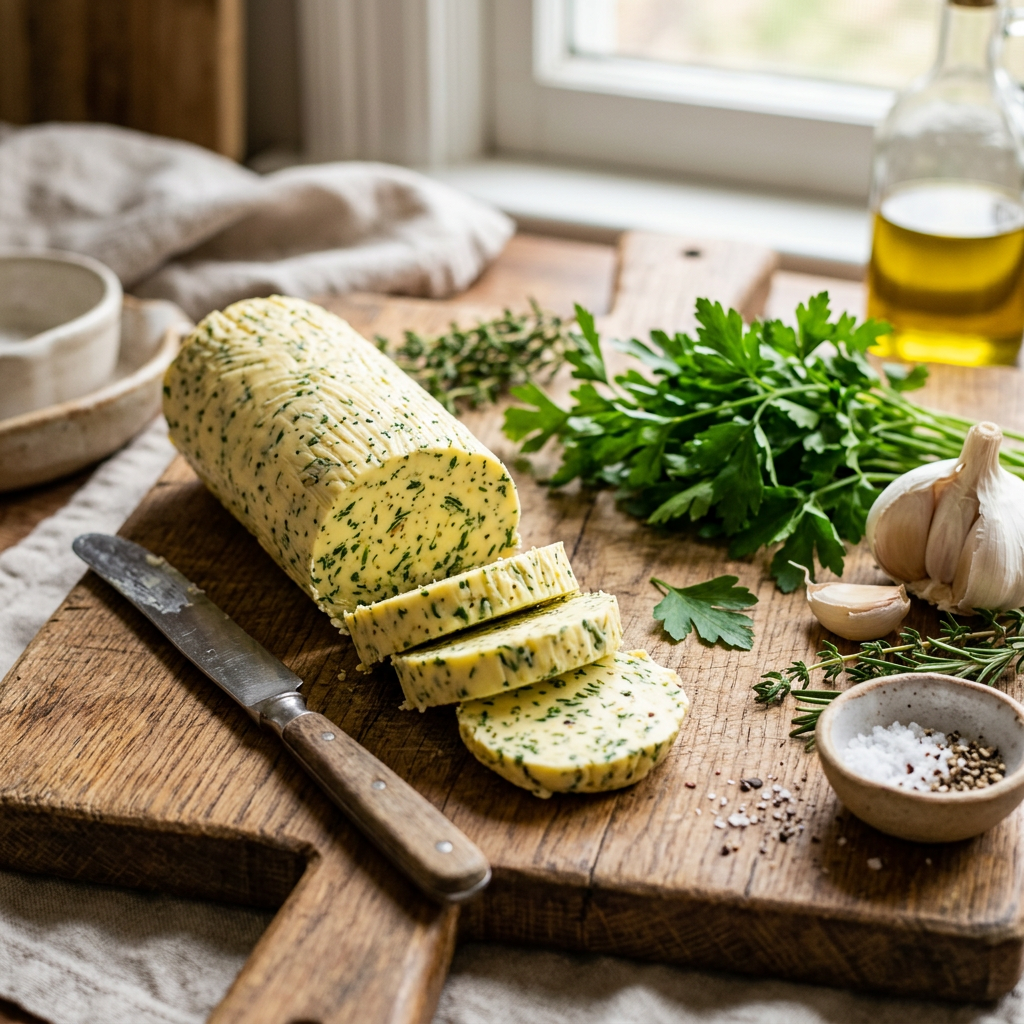
The culinary world is a vibrant tapestry woven from techniques that can turn even the most basic ingredients into culinary masterpieces. Among these techniques, the art of making compound butters stands out for its sheer simplicity and unparalleled versatility. A compound butter, essentially butter blended with various flavorings, elevates dishes from mundane to magnificent with minimal effort. When properly executed, it can enhance a range of dishes, from grilled meats and vegetables to bread and seafood, adding depth and complexity to flavors.
Moreover, the process of creating compound butters serves as a fantastic introduction to the realm of flavor pairing and seasoning for home cooks who wish to refine their skills. It is an opportunity to experiment with various herbs, spices, and even unusual ingredients like citrus zests or nuts, allowing you to discover your personal preferences and signature combinations. The beauty of compound butter lies not only in its ability to enhance meals but also in its potential for personalization, showcasing the cook’s creativity and understanding of flavor harmonies.
As you embark on this flavorful journey, you will uncover a wealth of techniques and tips that will not only make compound butters a staple in your kitchen but will also inspire you to explore further culinary avenues. This post will provide a comprehensive guide, detailing various ways to create compound butters, the best applications for them, and how to store them for maximum longevity. Welcome to the art of making compound butters—a simple yet powerful way to elevate your cooking game.
What is Compound Butter?
Before diving into the specifics of making compound butter, it’s crucial to grasp its definition and potential. Simply put, compound butter combines softened butter with a variety of flavor ingredients, which can include herbs, spices, fruits, or even savory components like garlic and cheese. The result is a flavorful blend that not only enhances the taste of dishes but also adds a luxurious texture.
The Science Behind Compound Butter
Understanding the science behind butter can deepen your appreciation for this staple ingredient. Butter is an emulsion, which means it’s a mixture of fat and water. When you blend in other flavors, you're creating a new emulsion. This is why it is essential to start with softened butter because it allows for better incorporation of the flavorings. If the butter is too hard, you’ll end up with lumps rather than a smooth, cohesive blend.
Different Types of Compound Butter
The beauty of compound butters is in their variability. They can be created to suit myriad flavors, themes, and cuisines:
1.Herb Butters: Perfect for grilled meats, fish, or vegetables. Common herbs include parsley, chives, tarragon, and dill.
2.Spicy Butters: A blend of butter with chili powders, crushed red pepper, or even sriracha for those who crave heat.
3.Sweet Butters: Incorporating honey, cinnamon, or cocoa powder can create a delightful topping for pancakes or muffins.
4.Savory Butters: Combining butters with garlic, shallots, or even citrus zests makes flavorful additions to any dish.
5.Nutty Butters: Mixing in ground nuts or nut oils can add richness to your butter, creating a unique flavor profile.
Each variation serves different culinary purposes, allowing you to tweak your butter based on the meal you are preparing.
Tools and Ingredients You Will Need
Before you get started with your compound butter-making adventure, gather your tools and ingredients. Although this process requires minimal equipment, having the right tools can ensure smooth sailing.
Essential Tools
●Mixing Bowl: A medium-sized bowl works well for mixing your butter and flavorings.
●Spoon or Spatula: Useful for mixing the butter as well as for scraping down the sides of the bowl to ensure even distribution.
●Rubber Gloves (optional): If you're sensitive to certain ingredients (like garlic or hot peppers), wearing gloves can protect your hands from lingering scents or skin irritations.
●Plastic Wrap or Parchment Paper: For shaping and storing your compound butter; you’ll need this when rolling it into logs.
●Knife: To slice off portions of your butter when ready to use.
Key Ingredients
While the base of all compound butters is obviously butter, how you flavor that butter is where the magic happens. Here’s a breakdown of some common ingredients:
●Butter: Use unsalted butter to control sodium levels, unless a specific compound butter recipe calls for salted.
●Herbs: Fresh or dried herbs can impart a fresh, fragrant quality. Around 2-3 tablespoons of fresh herbs or 1 tablespoon of dried herbs are usually sufficient per stick of butter.
●Seasonings: Salt, pepper, garlic powder, onion powder, smoked paprika, etc., lend intricate flavors. Start with 1 teaspoon and adjust according to taste.
●Acid: Fresh lemon juice or vinegar can brighten the flavor. Use sparingly, around 1 teaspoon per stick of butter.
●Sweeteners: Honey, maple syrup, or powdered sugar work well in sweet compound butters. About 1 tablespoon of sweetener can enhance flavor wonderfully.
The Basic Process of Making Compound Butter
Making compound butter is incredibly straightforward, but it does have a few steps to ensure a successful outcome. By following the steps outlined below, you’ll be on your way to creating delicious flavor-packed butters.
Step-by-Step Instructions
1.Soften the Butter: Begin by allowing your butter to come to room temperature. It should be soft enough that it can be easily mixed but not so soft that it becomes greasy. This usually takes about 30 minutes.
2.Measure Your Flavorings: Prepare your herbs, spices, or other flavor ingredients. Having everything prepared beforehand will streamline your process.
3.Mix the Butter and Flavoring: In a mixing bowl, add your softened butter along with the measured flavorings. Use a spoon or spatula to mix thoroughly until the flavorings are evenly distributed throughout the butter. If you have a stand mixer, you can also use the paddle attachment to combine the butter and flavorings on low speed for about 1 minute until well incorporated.
4.Taste and Adjust: Before moving on to the next step, taste your butter. This is the perfect time to adjust the seasoning by adding more salt, herbs, or spices as needed.
5.Shape the Butter: To store, you can either transfer the mixture into a storage container or shape it into a log. To create a log, place the mixture onto a sheet of plastic wrap or parchment paper, form it into a tube shape, and wrap tightly. Twist the ends to secure.
6.Chill: Place the wrapped butter in the refrigerator for at least 2 hours to firm up. For long-term storage, you can freeze the compound butter; just make sure to label it with the contents and date.
7.Slice and Serve: Once your butter is firm, slice off pieces as needed. This allows you to control how much you use without compromising the rest.
“The act of making compound butter is as much about unlocking your culinary creativity as it is about enhancing flavor.”
Flavor Pairing Masterclass
One of the most enjoyable aspects of making compound butter is experimenting with different flavor combinations. Choosing the right herbs, spices, and flavor components can bring out a new dimension in your dishes.
Classic Flavor Combinations
●Garlic and Herb: A classic combination that pairs wonderfully with grilled steak or as a spread on fresh bread. Use 1-2 cloves of minced garlic and 2-3 tablespoons of mixed herbs (such as parsley, chives, or thyme) for a robust flavor.
●Citrus Zest: Lemon, lime, or orange zest combined with butter creates a vibrant taste profile. Mix in 1-2 teaspoons of zest along with salt and pepper for a bright, zesty butter perfect for seafood or vegetables.
●Spicy Chipotle: Combine softened butter with 1 tablespoon of chipotle in adobo for a smoky kick. This is fantastic with corn, grilled meats, or as a bold addition to tacos.
●Sundried Tomato and Basil: Mix in finely chopped sundried tomatoes with fresh basil for a Italian-inspired flavor that pairs beautifully with pasta or crusty bread.
●Herbed Goat Cheese: Blend goat cheese with butter and herbs for an extra creamy texture and tangy flavor, which is amazing on baked potatoes or slathered over a warm baguette.
Think Outside the Box
Don’t hesitate to push the boundaries of traditional flavor profiles. Here are some inventive pairings:
●Maple and Cinnamon: Mix softened butter with maple syrup and a pinch of cinnamon for a perfect pancake topping.
●Roasted Garlic and Parmesan Cheese: This complex flavor pairing works wonderfully with vegetables or as a luxurious toast spread.
●Cocoa and Vanilla: Blend cocoa powder, softened butter, and vanilla extract for a sweet and rich compound butter that’s delicious on warm pastries or muffins.
●Miso and Ginger: A unique fusion that melds savory miso paste with fresh ginger. Perfect for finishing dishes like steamed fish or grilled vegetables.
Experimentation is key, and it’s important to trust your palette. Start small, and you can always add more if needed!
Storing Compound Butters
Now that you have your compound butters prepared, it’s vital to store them properly to maintain their freshness and flavor. Understanding how to store them effectively can extend the shelf life significantly.
Refrigeration
1.In the Fridge: Compound butters can be stored in the refrigerator for about 1-2 weeks. Simply keep them in an airtight container or wrapped tightly in plastic wrap. If you notice any changes in flavor or texture, it’s best to discard them.
2.Usage Tip: For easy access, consider cutting the log-shaped compound butter into slices before placing them all in a storage container or bag. This allows for quick, easy additions to meals without having to slice off more from a larger log.
Freezing
1.In the Freezer: If you want to keep your compound butter longer, freezing is your best option. Wrapped well, it can last in the freezer for up to 6 months.
2.Freezing Tips:
- Label your wrapped butter with the date and contents to avoid any confusion later on.
- For individual servings, consider using an ice cube tray to freeze small portions of butter. After freezing, transfer the cubes to a freezer bag for convenience.
3.Thawing: When ready to use, simply take out the required amount and let it sit at room temperature for 10-15 minutes until softened, or use it directly while cooking for a pop of flavor.
“Proper storage is the key to ensuring your compound butter maintains its fresh, vibrant taste, enhancing each dish it graces.”
Creative Ways to Use Compound Butter
Having compound butter on hand opens up a world of culinary possibilities. Here are a few practical ways to incorporate these flavorful blends into your everyday cooking.
Enhance Your Cooking
1.Finish with Flavor: Use compound butter as a finishing touch on steaks, roasted chicken, or grilled fish. Simply place a pat on top of the protein just before serving, allowing it to melt and create a flavorful sauce.
2.Pasta Perfection: Toss cooked pasta with a dollop of compound butter to create an instant sauce. Add some pasta water if necessary to help it blend seamlessly.
3.Vegetable Boost: Add a slice of compound butter to steamed vegetables or sautéed greens for a rich, flavorful twist. It works well with broccoli, carrots, asparagus, and even corn on the cob.
Bread and Baking
1.Toast and Breads: Use your flavored butter to spread on warm bread or toast. This can elevate breakfast and brings a gourmet touch to your morning routine.
2.Biscuits and Muffins: Serve sweet compound butters alongside muffins or biscuits for breakfast or brunch. They change a standard food into a delightful treat.
3.Dinner Rolls: Serve a compound butter on the side of dinner rolls to surprise your guests with unique flavors that complement your meal.
More Savory Applications
1.Risottos and Grains: Stir in a spoonful of compound butter into finished risotto or quinoa for a creamy, rich finish that enhances the overall taste.
2.Soups and Stews: Swirl in a bit of flavored butter whilst serving soups or stews. It enriches the broth and adds layers of flavor.
3.Savory Scones: Incorporate herbs or cheese-flavored butter directly into the dough for scones or biscuits. This infuses the baked good with fantastic flavor throughout.
Conclusion
The world of compound butter is a pathway to unlocking deeper culinary skills and enhancing everyday meals without requiring extensive investment of time or resources. Whether you are a novice cook or an experienced chef, the art of creating flavorful butters is accessible and satisfying. With an array of flavor combinations at your fingertips, the possibilities for creating complex, delicious dishes are virtually endless.
By learning the details of this technique—from the science behind butter to the flavors that excite your palate—you empower yourself in the kitchen. You’ll find that compound butters not only elevate the dishes you prepare but also inspire creativity and confidence in your culinary endeavors. With proper storage, clever usage, and adventurous flavor pairings, compound butters are poised to become a staple in every home cook’s toolkit.
So, gather your ingredients, flex those culinary muscles, and start crafting your own signature compound butters today. The elegant yet simple act of combining flavors with butter can transform not just your meals, but your approach to food altogether. Happy cooking!