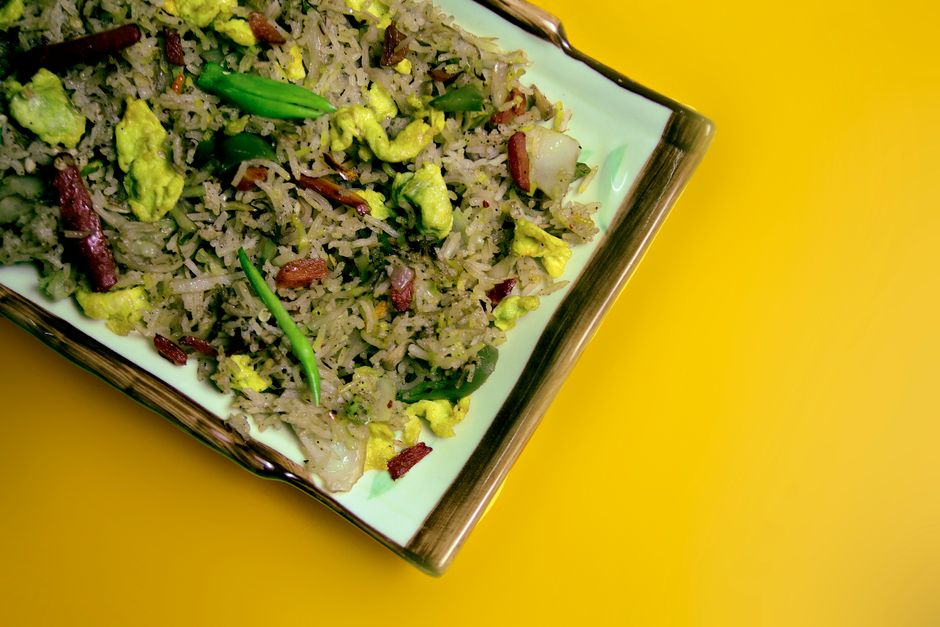
The Art of Making Perfect Fried Rice
Fried rice is one of those quintessential dishes that epitomizes comfort and versatility in the kitchen. With its origins steeped in Asian culinary traditions, particularly in Chinese cuisine, fried rice allows for endless variations fueling creativity. What makes it a staple in many homes worldwide is not just its delightful flavor but also its ability to adapt to whatever ingredients you have on hand. From leftover proteins to assorted vegetables, fried rice is a canvas waiting for your personal touch.
The technique of frying rice may seem simple, but perfecting it requires an understanding of some essential principles. The right rice type is crucial, and while day-old rice is often recommended to achieve a delightful texture, fresh rice can also work with the right approach. Understanding when to add ingredients and how to properly season can elevate your fried rice from an everyday dish to an extraordinary culinary creation. Mastering this skill opens doors to a multitude of variations, allowing you to explore flavors from different cuisines.
Once you grasp the fundamentals, the world of fried rice becomes your oyster. It encourages experimentation with spices, sauces, and other elements that reflect personal taste or pantry staples. In this guide, we will delve into the art of making perfect fried rice, covering everything from selecting the right ingredients, mastering cooking techniques, to seasoning your fried rice to perfection. So, grab your wok, and let's embark on this culinary adventure together.
Understanding Rice: The Foundation of Fried Rice
The Right Rice for Fried Rice
The first step in creating a delightful batch of fried rice is selecting the appropriate type of rice. Ideally, you want to opt for long-grain varieties such as Jasmine, Basmati, or even Bodhi rice. These grains remain separate, fluffy, and have a light texture when cooked, ensuring each grain is adequately coated in flavor during the frying process.
Day-Old Rice: The Secret Weapon
One of the most notable tips when it comes to making fried rice is to use day-old rice. Freshly cooked rice tends to have a higher moisture content and can become clumpy and overcooked during stir-frying. Using cold, day-old rice that has been stored in the refrigerator allows the grains to dry out and become firmer.
Here’s how to prepare day-old rice:
"The magic of fried rice begins with the choice of rice. Choosing the right type determines the texture and taste."
Preparing Fresh Rice
If you don't have the luxury of day-old rice, you can still successfully prepare fresh rice for frying. The key lies in your cooking method. Here are steps to achieve the best results with fresh rice:
The Essential Ingredients
Proteins: Choose Wisely
Fried rice is incredibly adaptable when it comes to proteins. Here are some classic and creative options for adding protein to your dish:
Vegetables: Fresh vs. Frozen
Selecting the right vegetables ensures your fried rice is not only tasty but also vibrant and packed with nutrition. Here are some of the best vegetable choices:
"Incorporate a rainbow of vegetables for texture, flavor, and a splash of color. Your guests will appreciate the freshness."
Aromatics and Seasonings: Building Flavor
The right seasonings can take your fried rice from bland to sensational. Key ingredients that serve as the backbone of your flavor-building include:
Additional Components
For added complexity, consider integrating the following components into your fried rice:
Mastering the Cooking Technique
Choosing the Right Equipment
The type of cookware you use can significantly impact the quality of your fried rice. A wok is traditionally preferred because of its design, which allows for high heat and even cooking. Alternatively, a large cast iron skillet can work just as effectively. Here’s how to prepare your pan:
The Cooking Process: Step by Step
Creating the perfect fried rice is all about timing and order in which you cook your ingredients. Here’s a breakdown of the cooking process:
Serving Tips
Once your masterpiece is ready, it’s time to serve! Here are some tips:
Adapting Fried Rice for Different Dietary Preferences
Veggie Lovers’ Delight
Fried rice is inherently adaptable for vegetarian and vegan diets. Simply replace animal proteins with plant-based options:
Gluten-Free Fried Rice
Creating a gluten-free fried rice is as simple as choosing the right sauces. Here are essentials to ensure your dish is gluten-free:
Health-Conscious Fried Rice
You can easily transform your fried rice into a healthier version without sacrificing flavor:
Exploring Global Fried Rice Variations
Chinese Egg Fried Rice
Classic Chinese Egg Fried Rice is a favorite due to its simple yet deep flavor profile. This variation focuses on good-quality soy sauce, perfectly scrambled eggs, and subtle aromatics. Sauté fresh vegetables like peas and carrots, add the rice, and finish with scrambled eggs. Top with green onions for a traditional touch.
Nasi Goreng: Indonesian Fried Rice
Nasi Goreng offers a unique approach with its spicy and sweet undertones. Typically made with kecap manis (a sweet soy sauce), it features proteins like chicken or shrimp, alongside spicy sambal for a kick. Served with a fried egg on top and accompaniments like prawn crackers, this dish takes your fried rice experience to another level.
Thai Pineapple Fried Rice
Thai Pineapple Fried Rice diverges from the traditional route by incorporating fresh pineapple, giving it that sweet and savory balance. Cooked with curry powder, this fried rice variation celebrates tropical flavors, often adorned with cashews and fresh cilantro. Serve it garnished with fresh lime for a zesty finish.
Japanese Fried Rice (Chahan)
Known as Chahan, this Japanese variation includes ingredients like dashi, soy sauce, and mirin for its seasoning. It usually incorporates meats like pork or chicken and a medley of vegetables. Chahan focuses heavily on achieving umami and is often garnished with furikake and seaweed.
"Fried rice is a blank canvas, waiting for your creativity to shine through. Subtle differences in technique and ingredients can take you around the world."
Conclusion
Fried rice may seem like a simple dish, but its preparation involves a symphony of techniques, ingredients, and personal flair that can result in something truly special. By understanding the principles of selecting rice, incorporating the right proteins and vegetables, mastering your cooking technique, and enhancing flavor through seasonings, you unlock the key to mastering this versatile dish.
Whether serving as a comforting side or a standalone meal, fried rice has the potential to be a highlight of any dinner. With the tips and techniques provided in this post, you are well-equipped to explore the uncharted territories of fried rice – blending traditional recipes with modern flavors, dietary considerations, and even cultural variations.
As you begin to experiment and innovate in your kitchen, remember that every great fried rice starts with a solid foundation. So embrace your creativity, and let your culinary adventure with fried rice begin!

Get the Next Recipe
Weekly recipes, techniques, and gear picks — straight to your inbox.
