
The Art of Paella: Mastering Socarrat and Saffron Rice from Valencia
There is a profound, almost primal alchemy that occurs when a shallow, wide-mouthed pan meets the intense, flickering heat of an open flame. To those who have never stood over a traditional paellera, paella might appear to be nothing more than a chaotic collection of rice, meat, and vegetables tossed into a communal dish. However, in the sun-drenched region of Valencia, this dish is not merely a recipe; it is a sacred culinary institution governed by strict traditions and a deep reverence for the land. When you begin your journey into the world of authentic paella, you are not just cooking dinner; you are engaging in a centuries-old dialogue with history, geography, and the delicate balance of flavor.
The secret to a transcendent paella lies not in the extravagance of your ingredients, but in the rigorous discipline of your technique. Unlike many other rice-based dishes that demand constant attention, stirring, and fussing, a proper paella asks for patience, observation, and an unwavering commitment to the "golden crust." This elusive layer, known as socarrat, is the hallmark of a master. It is the caramelized, toasted bottom of the rice that provides an intense depth of flavor and a textural contrast that elevates the dish from a simple meal to a transformative experience. Understanding how to coax this layer out of the rice without burning the entire batch is the definitive test of a home cook’s skill.
As we embark on this comprehensive guide, we will peel back the layers of myth and misconception that often shroud this Spanish staple. We will explore the specific varietals of rice that hold the structure of the dish together, the essential aromatic profile of high-quality saffron, and the precise geometry of the pan itself. My goal is to equip you with the technical confidence to approach your own stove—or grill—with the eye of a Valencian veteran. Prepare your kitchen, sharpen your senses, and let us demystify the art of the perfect, authentic paella.
The Foundation: Understanding the Ingredients and Geometry
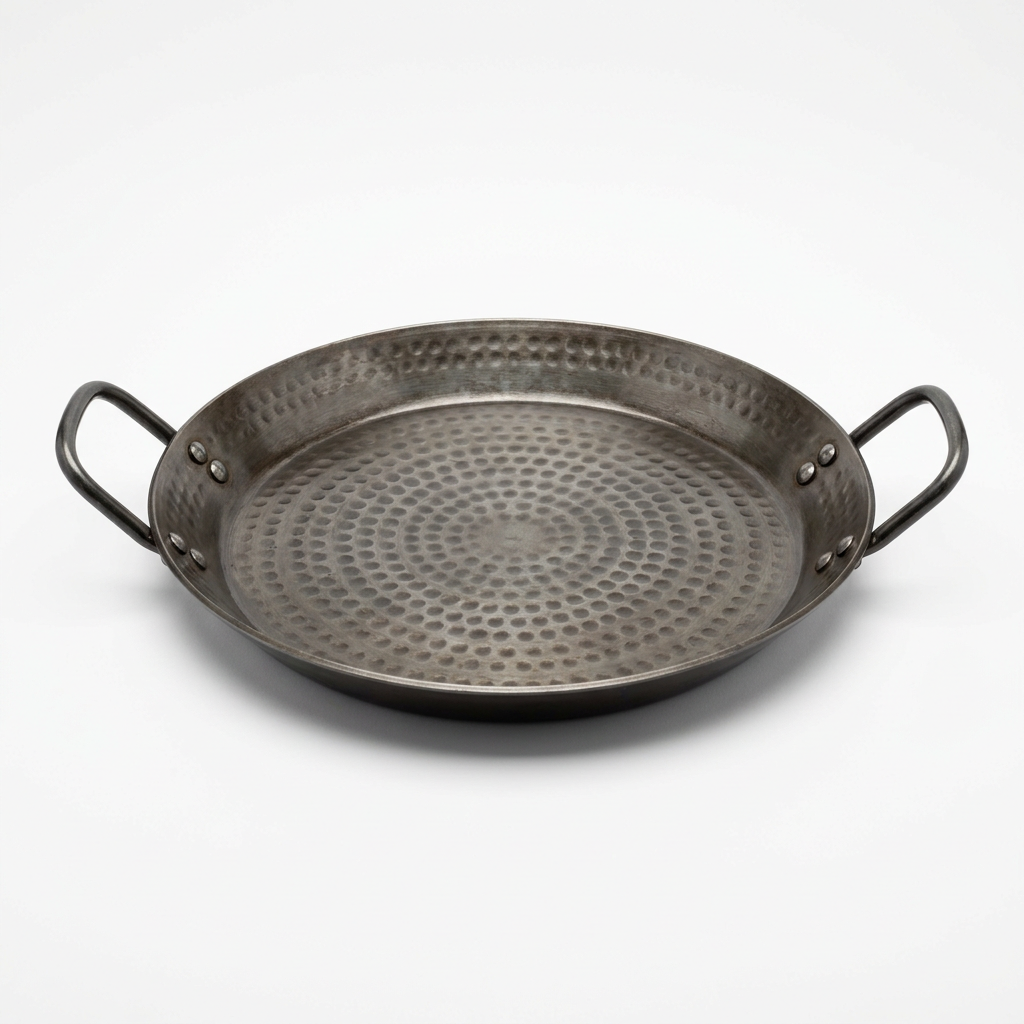
The first step in mastering paella is recognizing that this dish is entirely defined by its medium. The paellera—that iconic, wide, two-handled pan—is not chosen for its aesthetics, but for its thermodynamics. The shallow design ensures that the liquid evaporates at a consistent rate across the entire surface area, allowing the rice to cook evenly without becoming mushy. If your pan is too deep, your rice will steam rather than absorb the flavorful broth, resulting in a texture that is closer to a risotto than an authentic Valencian paella. You should aim for a pan that allows the rice to sit in a thin layer, approximately one to two centimeters deep, which is the optimal depth for the liquid to cook away while leaving the grains perfectly al dente.
The Rice Selection
Not all rice is created equal, and in the world of paella, the choice of grain is the single most important decision you will make. You must seek out short-grain varieties such as Bomba, Senia, or Albufera. These grains have a unique structural integrity that allows them to absorb up to three times their volume in liquid without losing their distinct shape or becoming creamy. The amylopectin content in these specific grains ensures that they remain firm to the bite while releasing just enough starch to bind the broth into a rich, flavorful coating. Avoid long-grain or basmati rice at all costs, as these varieties lack the absorption capacity required for a proper paella and will fail to develop that vital socarrat.
The Liquid Gold: Saffron and Broth
The aromatic soul of your dish resides in the saffron threads. This precious spice, harvested by hand from the Crocus sativus flower, provides the signature golden hue and a complex, earthy floral note that cannot be mimicked by food coloring or synthetic substitutes. To properly integrate saffron, toast the threads lightly in a dry pan for a few seconds before crushing them and infusing them into a small amount of warm broth. This process, known as "blooming," releases the essential oils and pigments, ensuring that the flavor permeates every single grain of rice uniformly rather than concentrating in pockets.
The secret of the paella is not in the variety of the ingredients, but in the respect you show to the fire. A master chef knows that the pan is not just a tool; it is the stage upon which the ingredients perform their final transformation.
The Science of the Socarrat
The socarrat is the crispy, caramelized bottom layer of the rice that defines a world-class paella. It is the result of a precise interaction between residual liquid, starch, and high heat at the very end of the cooking process. As the liquid evaporates, the oils in the pan settle into the bottom layer of rice, frying the grains in contact with the metal. This is not "burnt" rice; it is a complex, savory, toasted layer that tastes of concentrated stock and toasted grain. Achieving this requires the right heat distribution, which is why a gas burner with a ring configuration is often superior to a flat induction or electric stove.
Managing the Heat Gradient
To achieve this layer, you must transition from a robust simmer to a more concentrated, localized heat in the final minutes of cooking. Once your broth has reduced to the level of the rice, you should increase the flame slightly. Listen closely to the pan. You will begin to hear a distinct crackling or popping sound—the sound of the rice frying in its own fat. This is the moment of truth. If you hear this sound for too long, the rice will scorch and take on an acrid, bitter flavor. If you move too quickly, the layer will remain soft and sticky.
The Final Stretch
Typically, the window of opportunity for a perfect socarrat is between 60 and 90 seconds. To guide this process, you must avoid the urge to stir. Stirring is the enemy of the socarrat because it disrupts the structural integrity of the rice and prevents the grains from forming a cohesive, caramelized sheet. Instead, rotate the pan slowly over the heat source to ensure an even crust across the base. If you are cooking on a home stove that is smaller than your pan, this rotation is non-negotiable, as it ensures that the "hot spots" are distributed to every part of the circumference.
Building the Flavor Base: The Sofrito
The sofrito is the foundational flavor paste that gives paella its backbone. It is a slow-cooked mixture of aromatic vegetables, usually finely diced onions, bell peppers, tomatoes, and garlic, sautéed until they have reduced into a jam-like consistency. The key to a great sofrito is patience. You want the sugars in the vegetables to caramelize deeply without burning the delicate garlic. This process can take anywhere from 20 to 40 minutes, depending on the volume of your pan. Do not rush this step, as the depth of the finished dish relies entirely on the concentration of flavor you achieve here.
Tomato Integration
In a traditional Valencian sofrito, the tomato should be grated or very finely minced. You want the pulp, not the skins, as this allows the tomato to break down into the fat, creating a silky emulsion that will later coat the rice. When the tomato hits the hot oil, it should sizzle and begin to lose its moisture immediately. As the water evaporates, the color of the sofrito will shift from a bright red to a deep, dark mahogany. This visual shift is your indicator that the sugars have caramelized properly.
Adding the Proteins
Once your sofrito is established, you introduce your proteins. Traditional rabbit and chicken are the classics, but the technique remains the same. Sear the meat in the pan until it has developed a deep brown crust on all sides. This searing process not only cooks the meat but also leaves behind fond, the browned bits of protein that will dissolve into your broth later. When adding your liquid, ensure that you scrape the bottom of the pan to incorporate these bits into the broth. This is the first layer of flavor that defines the difference between a bland rice dish and a memorable paella.
The Art of Broth and Ratios
The liquid-to-rice ratio is the most commonly debated topic among chefs, but for most home cooks, the golden rule is a 3:1 ratio of liquid to rice by volume. If you use one cup of Bomba rice, you will need approximately three cups of high-quality stock. However, environmental factors such as humidity, the width of your pan, and the intensity of your flame can shift this requirement. It is better to have an extra cup of warm broth on standby just in case the rice remains slightly too firm when the liquid has evaporated.
Understanding Broth Quality
Your broth should be rich, well-seasoned, and deeply flavorful before it ever touches the rice. Do not rely on the rice to "flavor" the liquid; rather, the rice is the vessel that absorbs the flavor of the broth. If your broth is weak, your paella will be weak. Use high-quality chicken, rabbit, or vegetable stock, and consider adding a splash of dry white wine or a few strands of saffron to the stock while it is heating to ensure the flavors are well-integrated.
The Resting Period
Once the cooking is complete and you have successfully achieved your socarrat, you must allow the dish to rest. This is a crucial step that is often overlooked. Turn off the heat and cover the pan with a clean tea towel or a sheet of aluminum foil. Let the paella rest for at least 5 to 10 minutes. During this time, the internal moisture redistributes, the grains settle, and the socarrat firms up slightly. This resting period transforms the texture of the rice, ensuring it is tender but distinct rather than gummy or dry.
A truly great paella is a dish of communal joy. It is meant to be eaten directly from the pan, with each person claiming their own slice, and the final scraping of the socarrat reserved as a prize for those who shared in the meal.
Essential Techniques for Home Cooks
To bring the restaurant-quality experience into your kitchen, you must adopt a few professional habits. First, measure everything. In the early stages of learning paella, consistency is your best friend. Use a scale for your rice and a measuring jug for your broth. Second, embrace the power of the "ring." If you do not have a dedicated paella burner, use your largest stove burner, but be prepared to shuffle the pan to ensure even heat. Third, never add more liquid once the rice has begun to absorb the broth. Adding cold liquid mid-way through will shock the rice, causing it to lose its structural integrity and turn to mush.
Equipment Requirements
The Pan: A carbon steel paellera* is the gold standard because it conducts heat beautifully and develops a seasoning over time, much like a cast-iron skillet.
The Heat Source:* A gas burner is preferred. If you are using electric, you may need to use a heat-diffuser plate to help spread the temperature evenly.
The Utensils:* A long-handled metal or wooden spoon is essential for manipulating the ingredients without scratching the pan.
Common Mistakes to Avoid
Cultural Context and Serving Traditions
In Spain, paella is rarely a solo endeavor. It is a social ritual, typically cooked outdoors and served at midday. The tradition of eating from the pan is not merely for convenience; it is meant to encourage conversation and camaraderie. When you serve your paella, do not spoon it into bowls beforehand. Bring the pan to the center of the table, place it on a trivet, and encourage your guests to eat from their "wedge" of the dish. This creates an atmosphere of shared experience that is central to the identity of the meal.
Side Dishes and Pairings
When considering accompaniments, keep things simple. A crisp, acidic salad with a vinaigrette dressing helps to cut through the richness of the rice. A fresh aioli (garlic mayonnaise) served on the side allows guests to add a creamy, garlicky kick to their individual portions, which is a common practice in many coastal regions of Spain. For wine, look for something with good acidity and mineral notes—a dry white wine from Rias Baixas or a light, chilled red like a Mencía works beautifully with the complex flavors of a seafood or meat-based paella.
Respecting the Ritual
Remember that paella is a dish born of necessity and land. Whether you are using rabbit, snails, and green beans in the traditional Valencian style, or opting for a seafood-heavy marisco version, the spirit of the dish remains the same. It is about taking the ingredients available to you, honoring their individual characteristics, and using the heat of the fire to bind them together into something greater than the sum of its parts.
Troubleshooting the Perfect Dish
Even for the most experienced chefs, things can occasionally go wrong. If your rice is undercooked when the liquid is gone, you can cover the pan with a damp cloth and a lid, letting it steam over the lowest possible heat for a few minutes. If you find your rice is too soft, you may have used too much liquid or cooked it for too long—take note of this for your next attempt and reduce your broth quantity by 5% next time. The beauty of this dish is that it rewards repetition; each attempt teaches you something new about the temperamental nature of the rice and the heat.
The "No-Stir" Rule Revisited
Why is it so hard for cooks to stop stirring? Our culinary training in other fields—like making risotto or pasta sauces—teaches us that movement is the key to consistency. But paella is a study in stillness. The rice must be allowed to settle into the broth. As it absorbs the liquid, the grains swell and expand. If you stir, you break the delicate grains and release the starch, which is exactly what we are trying to avoid. Trust the process, trust your measurements, and let the physics of the pan do the work for you.
Mastering the Crust
If you find you are consistently missing the socarrat, check your burner. If the flame is too concentrated in the center, you will burn the middle and leave the sides raw. Try to find a flame-diffuser or a ring-style burner that distributes the heat evenly. Additionally, ensure your oil is well-distributed at the beginning of the cooking process; a light sheen of oil across the bottom of the pan is essential for the frying effect that creates the crust.
Conclusion
Mastering the art of paella is a journey that transcends the simple act of following a recipe. It is an exploration of technique, timing, and the profound respect for the ingredients that define the Valencian landscape. By focusing on the essential elements—selecting the right short-grain rice, perfecting the sofrito, blooming your saffron, and understanding the thermodynamics of the paellera—you elevate your kitchen skills to a professional level. The elusive socarrat is not merely a goal, but a reward for the discipline you apply throughout the cooking process.
As you stand over your pan, listening to the gentle crackle of the rice and the aroma of saffron wafting through your home, remember that you are part of a long-standing culinary tradition. Do not be discouraged if your first attempt isn’t perfect; the beauty of this dish lies in the iteration. Each time you prepare it, you will learn to better read the heat, the liquid levels, and the subtle shifts in the texture of the grain. With time, the process will become intuitive, moving from a stressful challenge to a meditative and deeply rewarding ritual.
Invite your friends and family, prepare the table with simple, fresh accompaniments, and celebrate the communal spirit of this iconic dish. Whether you are aiming for the perfect traditional Valencian recipe or experimenting with your own combinations of locally sourced ingredients, the principles of the paellera remain your steadfast guide. Go forth with confidence, respect the fire, and enjoy the satisfaction of serving a meal that is as rich in history as it is in flavor. Happy cooking, and remember—if the rice is perfect, everything else will surely follow.
Final Thoughts
The path to a master-level paella is paved with small, deliberate choices. By choosing to prioritize the correct grain, the correct pan, and the correct attitude toward the flame, you are ensuring that your kitchen becomes a space of authentic exploration. This dish teaches us that the most profound culinary results are rarely achieved through complexity or over-manipulation, but rather through the humble application of heat to a few, high-quality ingredients. May your socarrat be crispy, your rice be al dente, and your table always be full of hungry friends ready to share in the joy of your labor. The kitchen is yours to master, one pan at a time. Enjoy the process, and may every meal you cook be a testament to your growing expertise. Keep reaching for that perfect crust, and don't forget to share the bounty—that is, after all, the true spirit of the Valencian table. May your future culinary endeavors be marked by the same passion, precision, and patience that you have brought to this challenge. You have all the tools now; the rest is simply a matter of fire, time, and your own unique touch. Go create something legendary.

Get the Next Recipe
Weekly recipes, techniques, and gear picks — straight to your inbox.
