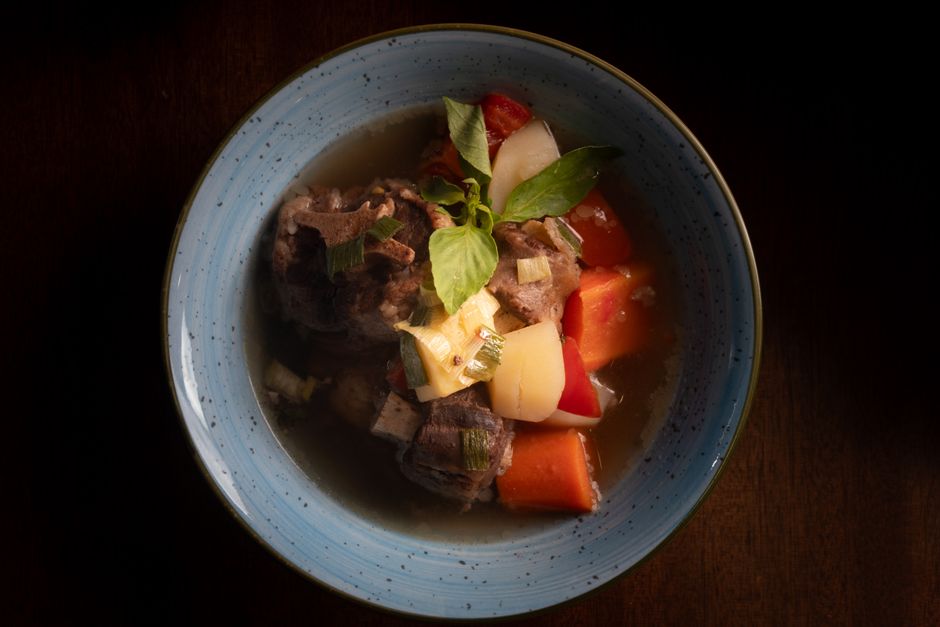
The Art of Perfect Beef Stew: A Complete Guide
Recipes

The Art of Perfect Beef Stew: A Complete Guide

C
By The Chef
|June 19, 2026|12 Min Read

There's something undeniably comforting about a simmering pot of beef stew wafting aromas of rich, meaty goodness through the kitchen. Not only does it provide warmth on those chilly days, but it also becomes a canvas for culinary artistry, where simple ingredients transform into a hearty, soul-satisfying dish. The beauty of beef stew lies not only in its complexity of flavors but also in its relatively straightforward techniques, making it an ideal dish for home cooks eager to hone their skills. Whether you're a novice or a seasoned chef, this guide will walk you through the essential steps to mastering the art of beef stew.

The first thing to understand about making a great beef stew is that it’s not merely about tossing meat and vegetables into a pot. Each ingredient plays a critical role, and the method you employ can dramatically impact the final dish. From selecting the right cut of meat to the way you build flavors through browning and seasoning, every decision matters. This isn’t just a slapdash process; it’s about creating depth, contrast, and richness in every bite that will evoke memories and create new ones around the dinner table.

Before we dive into the nitty-gritty of recipes and techniques, let's set the stage for what makes beef stew so special. At its core, a perfect beef stew is a marriage of tender, flavorful beef with an assortment of vegetables and seasonings, gently cocooned in a luscious broth. Each bowl represents not just a meal but a tradition of slow cooking, a practice that encourages patience and allows flavors to deepen and evolve. So grab your apron and let’s prepare to unveil the secrets of achieving stellar beef stew at home.

Selecting the Right Cut of Beef

When it comes to making beef stew, the cut of meat you choose can significantly influence the dish’s final texture and flavor. Typically, you want a cut that has enough marbling to stay juicy and tender after hours of cooking. The most preferred cuts for beef stew are chuck roast, brisket, and round. Each of these cuts possesses the right balance of fat and connective tissue, ideal for slow cooking.

Chuck Roast

Chuck roast is perhaps the most famous choice among home cooks for beef stew, and for good reason. This cut is taken from the shoulder area of the cow and is richly marbled with fat, making it exceptionally flavorful. When cooked low and slow, chuck roast transforms into buttery tenderness, which is perfect for a hearty stew.

#### Cooking Technique

1.Trim Excess Fat: Start by trimming some fat off the meat to prevent the stew from becoming too greasy. However, don’t remove all of it, as some fat is essential for flavor.
2.Cut into Uniform Pieces: Cut the chuck roast into 1-2 inch cubes. Uniformity ensures even cooking and helps maintain that tender texture.
3.Sear for Depth of Flavor: Don’t skip the browning step. Season the meat with salt and pepper, then sear it in a hot pan with a bit of oil until it forms a nice crust. This aids in developing a richer flavor profile.

Brisket

Brisket isn’t just for barbecue; it’s also an excellent choice for stew. This cut comes from the breast or lower chest of the cow and has a more pronounced flavor due to its higher fat content and connective tissues.

#### Cooking Technique

●Slow Cooking: Brisket benefits greatly from slow, low-temperature cooking. A Dutch oven or slow cooker will allow the tough fibers to break down over several hours.
●Season Generously: As with chuck roast, it’s crucial to season the brisket well before cooking. The seasoning penetrates the meat, enhancing each bite.

Round

Round cuts, such as top round or eye round, are leaner options for stew. While they may lack the tenderness of chuck or brisket if not cooked properly, they can still work well if treated with care.

#### Cooking Technique

●Marinade and Tenderize: Consider marinating the round cut overnight in an acidic mixture (like red wine or vinegar) to help tenderize the meat further.
●Shorter Cook Time: Since they are lean, round cuts benefit from shorter cooking times or combinations of braising and stewing techniques to maintain moisture.

"Choosing the right cut of beef is the foundation of a successful beef stew. Opting for chuck assures a melt-in-your-mouth texture that every stew deserves."

Building Flavors: Aromatics and Liquid

Now that you’ve selected your beef cut, it’s time to enhance your stew with a robust blend of aromatics and the right cooking liquid. Aromatics are the foundation of your stew's flavor, creating an enticing base that fills the kitchen with enticing scents.

Common Aromatics

1.Onions: They add sweetness and depth. Use yellow onions for robustness or shallots for a more delicate flavor.
2.Garlic: Fresh garlic provides an excellent punch. Sauté it briefly to bring out its flavor, being cautious not to burn it, which can result in bitterness.
3.Carrots and Celery: These vegetables provide sweetness and earthiness. Cut them so they can retain their shape during cooking.

The Cooking Liquid

Beef stew typically relies on two types of liquid: broth and wine.

#### Broth

●Beef Broth: A high-quality beef broth acts as the primary liquid. It should be flavorful enough to augment the umami of the beef.
●Homemade vs. Store-Bought: If you have the time, making beef broth from scratch will add layers of flavor to your stew. Otherwise, opt for a low-sodium version to better control the seasoning.

#### Wine

●Red Wine: A good red wine, such as Cabernet Sauvignon or Merlot, complements the beef perfectly. Its acidity helps break down the meat, enhancing tenderness while infusing deeper flavors.
●Cooking Tip: Always use a wine that you would drink—this ensures quality and taste in your final product.

"The aromatics set the stage, while the broth and wine create the soul of the dish. Together, they complete the sensory experience of a delicious beef stew."

The Stewing Process: Techniques and Timing

With your beef cut and ingredients ready, the next phase is to master the cooking techniques that define a perfect beef stew. Stewing is essentially a form of braising, involving cooking meat slowly to achieve tenderness and rich flavor.

Searing the Beef

Searing the beef before stewing is not merely for aesthetics—it adds depth of flavor.

1.Preheat Your Pan: Heat a heavy-bottomed pot or Dutch oven over medium-high heat until hot.
2.Add Oil: Drizzle a couple of tablespoons of oil (vegetable or canola works well) to your hot pan.
3.Don’t Overcrowd: Work in batches to avoid steaming; sear the meat until it develops a deep brown crust, about 3-4 minutes per side.

Layering in the Aromatics

Once the beef is browned, it’s time to build up your flavor layers.

1.Sauté Aromatics: In the same pot, add your onions, carrots, and celery. Cook until just softened, around 5-7 minutes. The fond (the brown bits left from searing) will mix with the vegetables.
2.Add Garlic: Stir in minced garlic and sauté for another minute until fragrant.
3.Deglazing: Pour in your red wine and use a spoon to scrape the bottom, releasing those flavorful bits. Bring to a simmer, allowing the wine to reduce by half before adding broth.

Combining Ingredients

Now that you have a robust base, combine all your ingredients together.

1.Return Beef to the Pot: Add the seared beef back into the pot.
2.Add Broth: Pour in enough beef broth to cover the meat and vegetables.
3.Seasoning: Add salt, pepper, and any fresh herbs such as thyme and bay leaves at this stage.

Cooking Time

Low and Slow is the Key.

●Simmering on the Stovetop: Bring the stew to a gentle simmer. Cover, and let it cook on low heat for about 2-3 hours. Stir occasionally.
●Oven Method: Alternatively, you can transfer the stew to a preheated oven (around 300°F) and let it cook for the same duration.

Adjusting Consistency

As the stew cooks, you may notice it thickens. If it becomes too thick, simply add more broth or water to reach your desired consistency. For a thicker stew, consider making a slurry with cornstarch and water and stirring it in during the last half hour of cooking.

"Cooking low and slow transforms tough cuts of meat into tender morsels steeped in flavor. Patience is your best friend in this cooking method."

Essential Vegetables for Beef Stew

While the meat is undoubtedly the star of the show, the vegetables you choose can elevate your stew game. Here, we'll discuss the best vegetables that not only provide nutrients but also contribute to the stew’s overall flavor profile.

Classic Choices

1.Potatoes: They absorb flavors beautifully and provide a hearty texture. Use waxy varieties like Yukon Gold or red potatoes as they hold their shape well during cooking.
2.Mushrooms: Adding chopped mushrooms brings an excellent umami component. Use cremini or button mushrooms, sauté them first to extract their moisture before adding them to the stew.
3.Peas: Frozen peas are a great final touch, sprinkling them in during the last 10 minutes of cooking for a little sweetness and color.

Seasonal Variations

Depending on the season, consider adding:

●Parsnips: For a subtle sweetness and earthy flavor in the winter months.
●Turnips or Rutabaga: They give a slightly peppery flavor and hold up nicely in long cooking.
●Zucchini: In the summer, sliced zucchini can provide a fresh touch; however, add it in later to prevent overcooking.

Herb Choices

●Thyme: A classic pairing with beef, thyme adds a warm and earthy component.
●Bay Leaves: Don’t forget to remove these before serving, as they can impart a bitter flavor if consumed.
●Rosemary: A little goes a long way — freshly chopped makes all the difference!

Perfecting Seasoning and Acidity

The role of seasoning and correct balance of acidity cannot be overstated in a successful beef stew. Mastering them will lead to layers of flavor that truly sing.

Salt and Pepper

●Season in Layers: Add salt throughout the cooking process rather than all at once. This helps build depth in your flavors.
●Taste Often: As the stew cooks, taste periodically to adjust seasoning, ensuring it’s just right by the time you serve.

Acidity

●Add a Splash of Vinegar: Just a tablespoon of red wine vinegar or balsamic vinegar towards the end of cooking adds brightness to the dense flavors, creating balance.
●Tomato Products: Some recipes call for tomato paste or diced tomatoes, contributing both acidity and additional moisture. Stir it in while sautéing the aromatics for best results.

"The right seasoning elevates a good dish to greatness. Taste often and adjust so that every bite whispers of love and care."

Serving Suggestions and Sides

With your beef stew now prepared to perfection, it’s time to explore how to serve and accompany it. A well-plated stew can be a feast for the eyes as well as the belly.

Ideal Serving Vessels

●Bowls: Serve the stew hot in deep bowls, garnishing with fresh parsley or a sprig of thyme for a beautiful presentation.
●Crocks: For a rustic look, consider serving in traditional crocks, perfect for a casual family meal.

Accompanying Sides

1.Crusty Bread: Nothing pairs better with beef stew than a freshly baked baguette or sourdough bread for dipping into the rich broth.
2.Simple Salad: A light side salad with a balsamic vinaigrette can balance the richness, serving as a refreshing contrast.
3.Rice or Noodles: Serve over white rice or egg noodles to soak up the delicious sauce.

Storing and Reheating Beef Stew

Like many stews, beef stew often tastes even better the next day as the flavors meld. Proper storage and reheating techniques are essential to maintain quality.

Storing

1.Cool Completely: Before refrigerating, allow the stew to cool to room temperature. This prevents condensation and keeps the stew from becoming watery.
2.Airtight Container: Store in an airtight container in the refrigerator for up to 3-4 days.

Freezing

●To Freeze: Beef stew can be frozen in a sturdy container for up to 3 months. Be sure to leave some headspace as the stew will expand when frozen.
●Thawing: To reheat, thaw overnight in the refrigerator and heat gently on the stovetop, adding broth or water as necessary to adjust consistency.

Reheating Tips

●Stovetop Method: Heat slowly over medium heat, stirring frequently until warmed through.
●Microwave Method: If using a microwave, heat in increments, stirring in between to ensure even heating.

"Leftover beef stew is the gift that keeps on giving; its flavors deepen and improve with time. Embrace the joy of savoring your delicious creation again."

Conclusion

Mastering the art of beef stew is a rewarding achievement that intertwines culinary skill with heartfelt tradition. From selecting the best cuts of meat to building a flavor profile and perfecting cooking techniques, each step is a vital piece of the puzzle. Whether you choose to share this comforting dish with family or enjoy it solo on a cozy evening, a well-made beef stew is a guaranteed crowd-pleaser that invites nostalgia and satisfaction.

Remember that great cooking requires patience and practice, so don’t shy away from experimenting to find your unique spin on this classic dish. The lessons learned from crafting your perfect beef stew will carry over to many other recipes and styles, enriching your journey as a home cook. As you gather around the table to enjoy this hearty meal, let it be a reminder of the culinary creations that can bring us together, offering comfort and joy with every bite.


🧰 Gear for this recipe
Tools our chefs reach for when cooking this
Miyabi Birchwood Chef Knife 9.5 inch
Knives & Cutting
Miyabi Birchwood Chef Knife 9.5 inch
★★★★★4.9
$250-$320
View on Amazon
Thermapen ONE Instant Thermometer
Thermometers
Thermapen ONE Instant Thermometer
★★★★★4.9
$99-$109
View on Amazon

As an Amazon Associate we earn from qualifying purchases.

🍳

Get the Next Recipe

Weekly recipes, techniques, and gear picks — straight to your inbox.

No spam, ever. Unsubscribe anytime.

YesChef - Learn from the world's best chefs
© 2026 Blame The Chef
🍳

Never Miss a Recipe

Weekly recipes, kitchen tips, and gadget picks — straight to your inbox.

No spam, ever. Unsubscribe anytime.