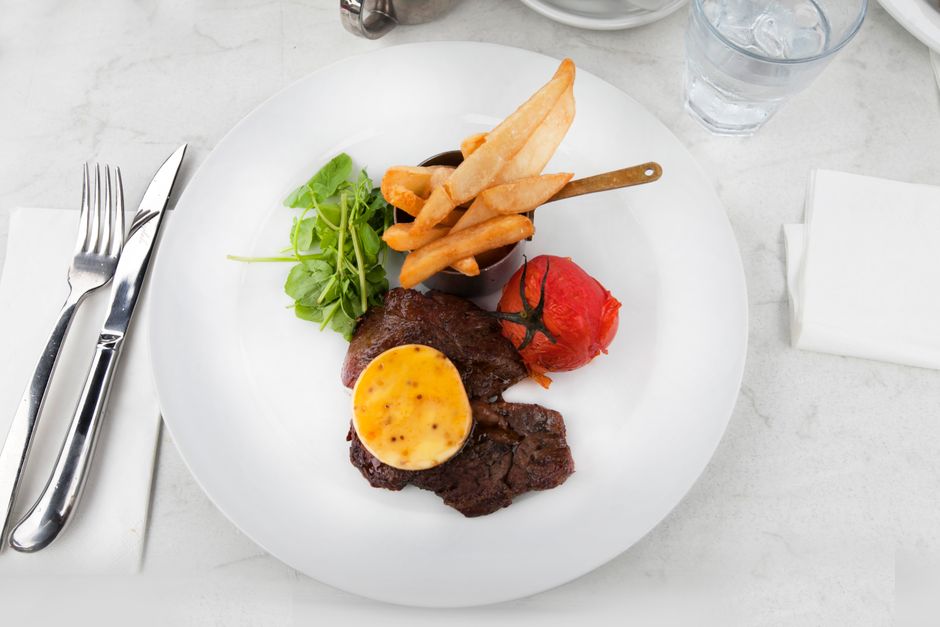
The Art of Perfect Beurre Blanc: A Classic French Technique
Cooking is as much an art as it is a science, and few techniques embody this philosophy as beautifully as making beurre blanc. This classic French sauce, translating to "white butter," masterfully melds butter with a hint of acidity, usually from vinegar or white wine, creating a rich, velvety condiment that pairs perfectly with fish, seafood, or vegetables. While it may seem daunting at first, mastering this sauce opens the door to a world of culinary possibilities, where simple ingredients transform into a luxurious experience on the plate.
One might wonder why a sauce like beurre blanc holds such esteemed status in French cuisine. It's not only about taste; it’s about the technique and precision you employ throughout the cooking process. The beauty of beurre blanc lies in its simplicity, yet achieving a lusciously silky texture requires attention to detail and an understanding of how to balance flavors and temperatures. Many home cooks shy away from making sauces, thinking they’re best left for the professionals. However, with the right guidance and a willingness to practice, you can bring the sophisticated charm of French gastronomy into your own kitchen.
As we delve into the world of beurre blanc, we’ll explore the origins of this classic sauce, the essential ingredients, the traditional technique to achieve the perfect emulsion, and some delightful variations to elevate its versatility. In this post, not only will we unravel the secrets to mastering beurre blanc, but we will also share tips and tricks that make this staple of French cuisine a breeze for home cooks. Let’s embark on this culinary adventure together, as we aim to transform humble ingredients into an extraordinary dining experience.
The Origin of Beurre Blanc
The story of beurre blanc traces back to the Loire Valley in France, where the sauce was first perfected in the early 20th century. Traditionally credited to the chef Clémence L'Espagnol, who introduced this technique in her restaurant in Angers, beurre blanc quickly became a staple in French kitchens. The dish was inspired by the region's abundant produce, particularly buttery white wines which complemented its rich, creamy texture.
The essence of beurre blanc transcends time, appealing to a wide range of palates from Michelin-starred establishments to home kitchens. This sauce has been celebrated for its rich mouthfeel and its ability to elevate various dishes, particularly those featuring seafood. It's no surprise that beurre blanc has become synonymous with French culinary finesse, representing the delicate balance between simplicity and indulgence in the art of cooking.
Over the years, many chefs have put their own spins on the classic recipe, but the foundational elements remain unchanged. The exacting method of reducing the aromatics and achieving a precise emulsion is at the heart of what makes beurre blanc a true culinary classic. This sauce is tailored for those who appreciate the balance of flavors, showcasing the creaminess of butter paired perfectly with the sharpness of vinegar or wine.
Essential Ingredients for Beurre Blanc
To create the perfect beurre blanc, one must pay close attention to the selection and quality of ingredients. Only a few elements come together in this sauce, so each ingredient should be chosen carefully for the best results.
Core Ingredients
Optional Variations
By focusing on quality and sourcing fresh ingredients, you enhance the flavors and play a vital role in the success of your beurre blanc.
The Technique: Step-by-Step
Crafting an impeccable beurre blanc requires following a methodical approach that emphasizes heat control and timing—a misstep can easily lead to a broken sauce. Let’s break it down into manageable steps to ensure your success.
1. Preparing the Aromatics
Start by finely chopping 2-3 shallots. The key to a well-balanced beurre blanc lies in the refinement of the aromatics that provide the foundation of flavor. Make sure the shallots are as finely chopped as possible to ensure they’re easily strained out later, leaving behind a smooth sauce.
2. Reducing the Wine
In a medium saucepan, add the chopped shallots and pour in 1 cup of white wine or vinegar. Season with a pinch of salt to help draw out the moisture from the shallots. Place over medium heat and allow to simmer until the mixture is reduced to about ¼ cup. This process typically takes 10 to 15 minutes.
“The critical step is to evaporate excess liquid while concentrating flavors, as this will define the sauce's character.”
3. Emulsifying the Butter
Once you have the desired reduction, take the saucepan off the heat and begin adding your cold, cubed unsalted butter (approximately 1 ½ cups), a few pieces at a time. This gradual incorporation is crucial as you’re looking to create an emulsion, where the fat from the butter blends beautifully with the liquid.
Using a whisk, continuously stir the sauce in a circular motion as you add the butter. Start with about four cubes at a time, and don’t add more until those have melted. Repeat this process until all the butter is incorporated. The sauce should begin to develop a luscious, glossy texture.
4. Final Seasoning
After emulsifying the butter, strain the sauce through a fine-mesh sieve to remove the shallots and any herbal additions, resulting in a silky finish. Return the strained sauce to low heat to keep it warm, adding final seasoning adjustments of salt and freshly cracked black pepper to taste.
5. Serving Suggestions
Beurre blanc is best served immediately. If you need to hold it, keep it over the lowest heat possible while covering to retain moisture. It pairs exquisitely with poached fish, seafood (like scallops and shrimp), or even drizzled over grilled vegetables for a touch of elegance.
Common Mistakes to Avoid
As with any technique in cooking, there are pitfalls to be aware of—especially with a delicate sauce like beurre blanc. Understanding these common errors is critical to achieving the rich and luxurious results you desire.
1. Using Cold Butter
One of the most common mistakes home cooks make is introducing butter that’s too warm or melted. Always start with cold, cubed butter straight from the fridge. This allows for a proper emulsion to form as the cold butter cools down the sauce during incorporation.
2. Skipping the Reduction
Failing to adequately reduce the wine or vinegar base can lead to a thin sauce that lacks depth. Take your time during this step. It’s the reduction that will supply the backbone of flavor, enhancing the overall experience.
3. Overheating the Sauce
Beurre blanc is meant to be served at a warm temperature, not hot. Overheating can cause the sauce to break, resulting in a greasy pool of butter. If it begins to separate, briefly remove it from the heat and whisk vigorously to reincorporate.
4. Neglecting Seasoning
While butter and wine provide a base flavor, neutrally seasoning is often overlooked. Make sure to taste throughout the cooking process and adjust seasoning as needed to amplify the overall dish.
5. Overcooking the Shallots
Your shallots should be tender but not brown. Overcooking can introduce bitterness to the sauce. Monitor the shallots closely during the reduction phase and ensure they remain translucent to achieve the desired flavor profile.
By being mindful of these common mistakes, you can ensure that your beurre blanc consistently turns out beautifully with each attempt.
Pairing Beurre Blanc
Now that you’ve created a gorgeous beurre blanc, it’s time to think about pairing it with the right main dish to truly showcase its flavors. Here are some graceful companions that will shine alongside this classic sauce.
1. Poached Fish
Fresh fish, particularly white fish like sole, halibut, or cod, poached gently in a bit of seasoned water or broth make an ideal pairing. The lightness of the fish complements the rich and creamy nature of beurre blanc perfectly. Top it with the sauce right before serving for an elegant presentation.
2. Grilled Seafood
Whether it’s scallops, shrimp, or lobster, grilling seafood adds a smoky dimension that enhances the sauce's brightness. A drizzle of beurre blanc over grilled seafood just before serving elevates your meal, as the sauce seeps into the grill marks, infusing flavor.
3. Seasonal Vegetables
Fresh, steamed, or sautéed seasonal vegetables like asparagus, green beans, or artichokes are a fantastic option for those wanting a lighter entree paired with beurre blanc. The acidity of the sauce balances the sweetness of the vegetables, making for a delightful side dish.
4. Eggs and Breakfast Dishes
For something unexpected, consider serving beurre blanc over poached or scrambled eggs. The creaminess of the eggs with the acidity from the sauce creates a luxurious brunch option that will impress even the most discerning palates.
5. Pasta
For a unique twist, toss cooked pasta, particularly fresh pasta, in warm beurre blanc. This makes for a rich and sophisticated dish that requires nothing more than a sprinkle of fresh herbs or grated cheese.
With a little creativity, there are endless possibilities for showcasing your homemade beurre blanc. Each dish becomes a canvas on which the buttery, tangy sauce can paint its delicate flavors.
Creative Variations on Beurre Blanc
Once you've mastered the classic beurre blanc, you might feel inspired to experiment and customize the sauce with different flavors and ingredients. Let's explore some creative variations that give the classic a fresh twist.
1. Herbed Beurre Blanc
For a fragrant twist, add a handful of finely chopped fresh herbs—like tarragon, dill, or chives—into the butter emulsion at the very end. This addition adds a fresh brightness and enhances the overall aesthetic, making it even more appealing.
2. Garlic Beurre Blanc
For those who enjoy bold flavors, creating a garlic-infused beurre blanc is a must-try. Simply sauté a few minced garlic cloves in the butter before whisking in the wine and other ingredients. This will impart a robust flavor that pairs beautifully, especially with seafood.
3. Citrus Beurre Blanc
Brighten your beurre blanc with citrus by adding freshly squeezed lemon or orange juice and zest during the final stages of whisking in the cold butter. This variation adds delightful acidity and fragrance, perfect for drizzling atop grilled fish or chicken.
4. Beetroot Beurre Blanc
For a visually stunning sauce, consider incorporating a splash of beet juice. You can start with a traditional beurre blanc and, towards the end, whisk in a concentrated beet juice (or purée) for a vibrant color and subtle earthiness.
5. Spicy Beurre Blanc
Introduce a bit of heat to your beurre blanc by incorporating a few drops of hot sauce or a pinch of cayenne pepper during emulsification. This is a delightful counterpoint to the sauce's rich nature, ideal for spicy seafood dishes.
By experimenting with various flavors, you can personalize your beurre blanc, transforming it into a signature sauce that reflects your culinary style.
Conclusion
Mastering beurre blanc is not merely about following a recipe; it's about embracing a timeless French technique that embodies the spirit of cooking. From the careful selection of ingredients to the precise method of emulsification, every step is a testament to the art and science behind this luxurious sauce.
As you cultivate your skills in making beurre blanc, remember that practice will lead to mastery. Don't shy away from experimenting with flavors and variations that will become your signature twist. With each attempt, you will find new depths of flavor, creating a delightful culinary experience that elevates everyday meals into extraordinary occasions.
Whether paired with a beautiful piece of fish, drizzled over fresh vegetables, or used creatively in breakfast dishes, beurre blanc is a versatile sauce that has found its place in kitchens around the world. With confidence, you can step into the world of French cuisine and create a sauce that not only impresses your guests but becomes a staple in your own culinary repertoire.
So, don your apron, gather your ingredients, and let the process of crafting beurre blanc inspire you. With the right tools and techniques, you can transform simple components into a lush sauce that brings both flavor and elegance to any dish. Happy cooking!

Get the Next Recipe
Weekly recipes, techniques, and gear picks — straight to your inbox.
