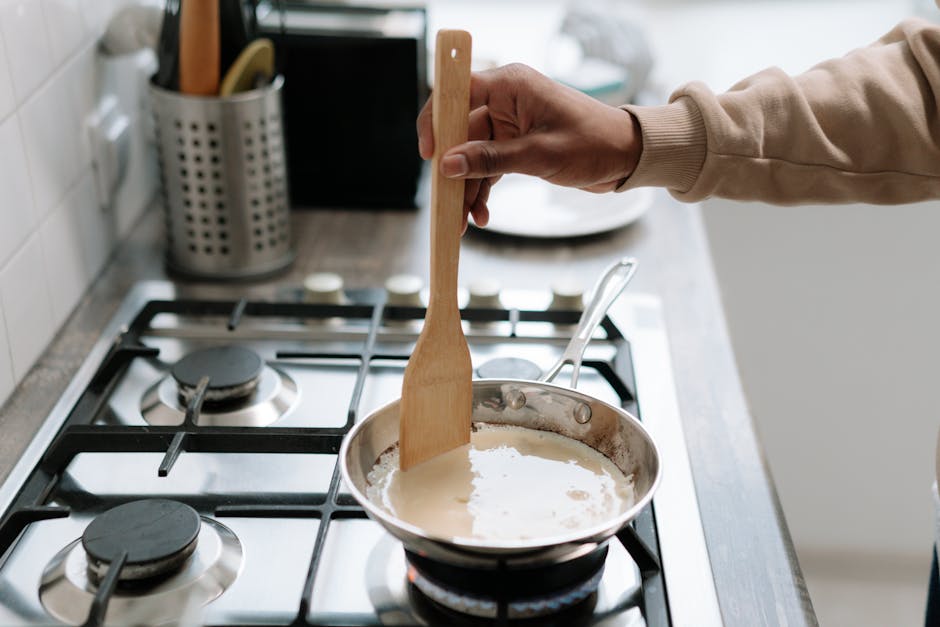
The Art of Perfect Beurre Blanc: Mastering the Classic French Sauce
Mastering sauces is one of the cornerstones of culinary excellence, and among them, few are as revered as the classic beurre blanc. This French wonder, which translates to "white butter," is an emulsion of butter and acid, typically white wine and vinegar. It embodies the essence of French cuisine—its elegance, precision, and rich, buttery depth make it indispensable in professional kitchens and home cookeries alike. Traditionally served with fish, but equally delightful with vegetables or poultry, the beurre blanc sauce can elevate simple dishes to an art form. As you delve into this technique, be prepared to transform your culinary repertoire with a sauce that is as nuanced as it is versatile.
In a world dominated by sauces from various cuisines, beurre blanc stands out due to its simplicity and the intricate dance of its ingredients. Imagine preparing a pristine piece of fish drizzled with this velvety sauce, its lemony brightness cutting through the richness of the dish. The technique requires attention to detail and a level of refinement that many home cooks strive for. While its ingredients may be few, the skill level in emulsifying them into a cohesive sauce is where the magic happens, and it's this finesse that makes beurre blanc a perfect canvas for showcasing your culinary prowess.
This blog post will guide you through every step of perfecting beurre blanc, providing you with the background, techniques, and professional tips to master this classic sauce. By the end, you will not only have an understanding of its fundamental components but also the confidence to incorporate it into your meals, leaving an indelible mark on your dining experiences. Let's embark on this delicious journey to perfecting beurre blanc.
Understanding the Basics of Beurre Blanc
To master beurre blanc, we first need to appreciate its fundamental components—the ingredients. This sauce is primarily made with three key elements: butter, acid, and aromatics. Let’s delve deeper into each component and how they interact to form this exquisite emulsion.
The Power of Quality Butter
The star of beurre blanc is undoubtedly the butter. The texture and flavor of the butter you choose will significantly affect the end result. You should opt for unsalted butter for making beurre blanc; this allows you to control the seasoning better and provides a cleaner flavor profile. It's best to use European-style butter with a higher fat content (around 82-85%) compared to standard American butter, which typically has around 80% fat. This higher fat content contributes to a richer mouthfeel and a more stable emulsion.
Professional Tip: Always have your butter well-chilled and cut into small cubes. This helps when incorporating it into the emulsified sauce, allowing it to melt gradually, which is crucial for achieving the luxurious texture that characterizes a perfect beurre blanc.
Balancing Acidity
The second vital component is the acid, which typically comes from white wine and vinegar. The choice of these acids can dramatically alter the sauce's flavor. Common choices include:
The balance between the acidity from the wine and vinegar and the richness of the butter is what gives beurre blanc its character. Use about 3 tablespoons of wine and 1 tablespoon of vinegar for every cup of butter. This ratio can be adjusted based on the intensity of flavor you wish to achieve; however, maintaining a balance is paramount to avoid overpowering the delicate nature of the sauce.
Aromatics to Enhance the Flavor
The third component that adds depth to beurre blanc is the aromatics. Common choices include shallots, herbs, and spices. Finely diced shallots are the most traditional addition, lending a subtle sweetness to the sauce without overwhelming it. You might consider adding fresh herbs like tarragon or chervil if you wish to incorporate a fragrant note; just remember to add them toward the end of cooking to preserve their vibrant flavors.
Beurre blanc is known for its elegance, so the aromatics should complement rather than dominate the dish. A general rule of thumb is to use about 1 tablespoon of finely chopped shallots for every cup of butter. Sauté these in the white wine reduction at the beginning to extract their flavor before adding the butter.
Tools You Need for Success
To achieve the right texture and consistency in your beurre blanc, having the proper tools is essential. Let's discuss the essential kitchen tools you'll need for preparing this sauce and why each is important.
Saucepan and Whisk
A heavy-bottomed saucepan is ideal for creating a stable heat source; this is important to prevent the sauce from separating or overcooking. Choose a medium-sized saucepan that fits the quantity you are preparing. You will also need a whisk; ideally, a balloon whisk offers the best results for emulsifying the butter properly into the sauce.
Fine Mesh Strainer
To achieve that silky smooth texture, you'll want a fine mesh strainer. After the initial stages of cooking, you can strain the sauce to remove any solids, such as shallots, ensuring a smooth and velvety finish. This straining step can elevate the professional appearance of your sauce and is worth the extra effort.
Measuring Cups and Spoons
Precision matters in sauce-making, so having a good set of measuring cups and spoons is crucial. This will ensure that you are adhering to the correct ratios of butter, acid, and aromatics, leading to a perfectly balanced sauce.
Step-by-Step Guide to Making Beurre Blanc
Now that we’ve covered the components and tools needed, let’s delve into the step-by-step process of making a classic beurre blanc. Adhering to these steps will help you gradually build a beautiful sauce that can enhance a wide range of dishes.
Step 1: Prepare Your Ingredients
Before you start cooking, gather and prep all your ingredients:
Having everything ready will streamline the cooking process and ensure that you’re able to act quickly as the sauce comes together.
Step 2: Create the Reduction
Step 3: Emulsify the Butter
Step 4: Adjust and Serve
“The key to perfect beurre blanc is patience, a gentle hand, and an eye for precision. Emulsion is a delicate ballet, requiring both control and finesse.”
Pairing Suggestions for Beurre Blanc
Beurre blanc is incredibly versatile, making it the perfect companion for various dishes. Here are some classic pairings, as well as creative ideas to experiment with this luscious sauce.
Traditional Pairings
Creative Uses
Troubleshooting Common Issues
Like any culinary technique, making beurre blanc can present challenges. Here are some common issues you might encounter and quick fixes to ensure a beautiful result.
Separation of Sauce
If your beurre blanc starts to separate, it could be due to overheating. Here’s how to rectify this issue:
Sauce Too Thin
If your sauce is thinner than desired, you can remedy this by:
Sauce Lacks Flavor
If your sauce tastes bland, consider the following enhancements:
Variations of Beurre Blanc
Once you've mastered the classic beurre blanc, feel free to experiment with variations that can add new dimensions to your cooking.
Herb-infused Beurre Blanc
Adding fresh herbs can offer a beautiful twist to the basic recipe. Consider infusing the butter with herbs like tarragon, dill, or even basil. Simply add the herbs to the reduction towards the end of cooking and clarify for enhanced flavor.
Citrus Beurre Blanc
Incorporating citrus zest can provide a delightful brightness to the sauce. Add zests from lemon, lime, or orange along with the shallots in the reduction process. This variation pairs beautifully with seafood and chicken.
Nutty Beurre Blanc
Incorporating toasted nuts, such as hazelnuts or almonds, can add a unique texture and flavor profile. Simply toast nut pieces lightly and sprinkle them over the finished sauce or fold them in just before serving.
Final Thoughts
In conclusion, mastering beurre blanc is a rewarding pursuit for any home cook looking to elevate their culinary skills. This classic French sauce is not only a testament to the elegance and simplicity of French cuisine but also a versatile addition to a variety of dishes. By understanding the fundamental components, using the right tools, and following precise cooking techniques, you can create a rich, velvety sauce that will impress your family and friends.
Remember, like any discipline in cooking, practice makes perfect. Don’t be discouraged by initial missteps—instead, see them as stepping stones on your journey to becoming a more confident cook. With patience and practice, the art of making beurre blanc will become second nature, allowing you to incorporate this luscious sauce into your culinary repertoire effortlessly.
Embrace the beauty of the process, enjoy the culinary creativity it inspires, and remember to share the fruits of your labor with those you love. Bon appétit!
(Word count: 2,024)
Get the Next Recipe
Weekly recipes, techniques, and gear picks — straight to your inbox.
