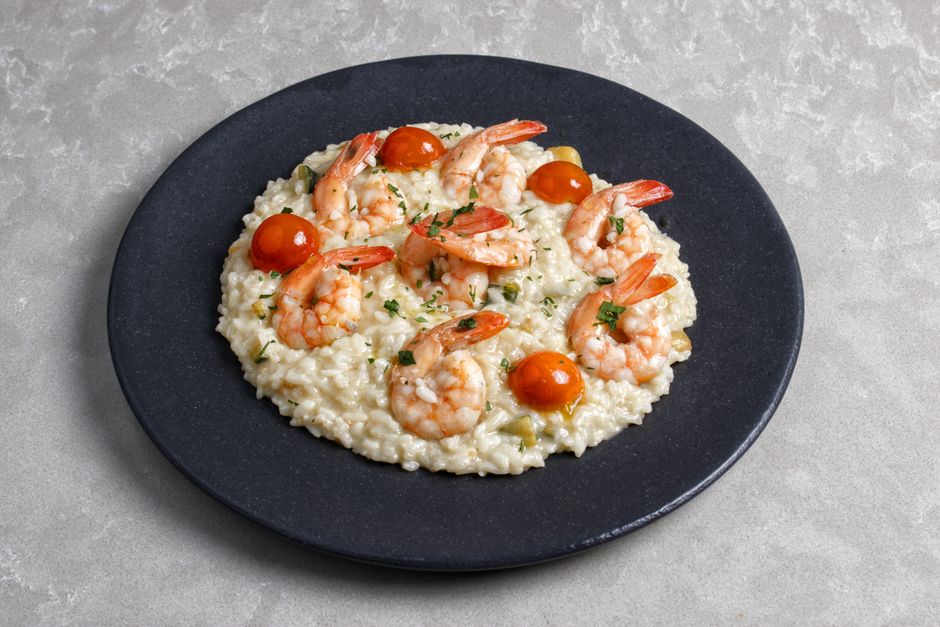
The Art of Perfect Risotto: Mastering the Creamy Italian Classic
Risotto, an exquisite Italian dish, is often viewed as the epitome of culinary finesse. Its creamy, comforting texture has enchanted palates across the globe, and mastering this classic can be a transformative experience for any home cook. While it may seem intimidating at first, understanding the essential techniques and principles behind a perfect risotto will unlock a world of possibilities in your kitchen. Once you grasp the basics of risotto, you'll find that the possibilities are endless, limited only by your imagination and seasonal ingredients.
At its core, risotto is a dish characterized by its method rather than its ingredients. The foundation of this dish relies on Arborio rice, a short-grain variety known for its high starch content, which is crucial for achieving that signature creamy consistency. Unlike most types of rice that are rinsed to remove starch before cooking, Arborio welcomes the starch that is released during the cooking process, making it essential to embrace the risotto technique to coax out its best qualities. With the right approach, you can achieve that perfect balance of al dente grains encased in a luxurious broth, enhanced by a myriad of flavors.
As we journey into the art of making risotto, it’s essential to approach it not just as a cooking task but as an opportunity to connect — with your ingredients, your craft, and even the people you share your meal with. The rhythm of stirring, the aroma of sautéed onions, and the sound of bubbling broth come together to create a sensory experience. Let's dive deeper into the components, techniques, and secrets that will elevate your risotto-making skills and ensure that your next dinner party will have everyone asking for seconds.
Selecting the Right Rice
Types of Rice for Risotto
Rice selection is the first step in mastering risotto. The right rice not only influences the texture but also dictates how well your dish will absorb flavors. The most commonly used varieties are Arborio, Carnaroli, and Vialone Nano:
Choosing the right rice is essential; it directly affects the outcome of your dish. While Arborio is widely available and works well for beginners, experimenting with Carnaroli may elevate your risotto to gourmet levels.
Other Essential Ingredients
Beyond rice, several key ingredients come together to create a harmonious risotto:
By understanding and selecting the right ingredients, you set the stage for a successful risotto.
Cooking Techniques
The Sauté Process
The cooking process of risotto involves sautéing the aromatics in fat before adding the rice. Begin by choosing a heavy-bottomed pot or saucepan, which will allow for even heat distribution. Heat about 2 tablespoons of olive oil and 2 tablespoons of butter over medium heat until the butter has melted and begins to foam.
Add 1 small diced onion (or shallot) to the pot. Stir frequently until the onions are translucent and fragrant, which usually takes about 3-4 minutes. If you decide to use garlic, add it in the last minute of cooking the onions to avoid burning.
The key to a well-cooked risotto is patience during this step. Ensure your aromatics do not brown; they should soften and melt into the fat, forming a flavorful base for the risotto.
Toasting the Rice
Once your onions are soft and aromatic, it’s time to add the rice. Pour in 1 cup of Arborio rice, stirring quickly to coat each grain with the fat. Toasting the rice is crucial as it enhances the nutty flavors and helps the grains maintain their structure. Keep stirring for approximately 2-3 minutes, or until the rice becomes slightly translucent around the edges but still opaque in the center.
During this phase, the rice will absorb some of the fat and begin to smell deliciously nutty. This is the point where you want to add the white wine. As the wine reduces, it will add a layer of complexity to your dish, acting as a bridge between the aromatics and your forthcoming broth addition.
The Slow Addition of Broth
The central technique that differentiates risotto from other rice dishes is the gradual addition of liquid. Once the wine is mostly absorbed, begin adding your warmed broth, one ladleful at a time. It's important that the broth is warm, as cold broth will disrupt the cooking process and inhibit the release of starch from the rice.
When using the broth, follow these steps:
Check for doneness after about 20 minutes of cooking. Ideally, the rice should be creamy yet retain a slight bite to it.
Flavors and Additions
Seasonal Ingredients
While risotto shines on its own, it serves as the perfect base to incorporate seasonal ingredients to enhance flavor and texture. Here are a few popular additions based on the seasons:
Protein Choices
Adding protein can make risotto a fulfilling meal. Here are some options to consider:
Finishing Touches
To elevate your risotto, consider these integral finishing steps:
Common Mistakes to Avoid
Overcooking the Rice
One of the most common errors when making risotto is overcooking the rice. It should be tender yet al dente — that delightful texture that allows the grains to hold their shape while being creamy. The risotto should never be mushy.
Not Stirring Enough
Stirring is critical in releasing the starches from the rice. If you neglect to stir, you might end up with unevenly cooked rice. The constant motion is what helps to create that desired creamy consistency.
Adding Broth Too Quickly
Resist the temptation to pour in a large amount of broth. The beauty of risotto comes from slowly coaxing out the flavors and starches. Adding broth too quickly will lead to a gummy texture.
Serving Cold
Risotto should be warm and creamy when served. If it sits too long and cools down, it will stiffen and lose its wonderful texture. Therefore, it is advised to plate it as soon as it's ready.
Not Using Enough Liquid
Each risotto is different, and depending on the rice and heat levels, you may require slightly more or less broth than the classic ratio. Always keep an eye on your rice and add more liquid as needed to maintain that creamy texture.
Variations of Risotto
Regional Risottos
Italy is home to a myriad of regional variations of risotto, each showcasing local ingredients and culinary traditions. Here are a few notable examples:
Creamy vs. Broth-Based Risotto
While traditional risotto is known for its creamy consistency achieved through stirring, some variations lean towards a more broth-based approach. Riso al salto, for instance, employs leftover risotto that is pan-fried until crispy on the outside while remaining creamy on the inside. It offers a contrasting texture that can delight the palate.
Vegan Risotto Options
Risotto can easily be adapted to meet various dietary preferences. By omitting butter and cheese, you can create a vegan version without sacrificing flavor. Opt for vegetable broth, use nutritional yeast for a cheesy flavor, and add a variety of vegetables to enhance the taste profile. Coconut cream can also help to maintain a creaminess that sustains the integrity of the dish.
Chef Tips for the Perfect Risotto
Use Quality Ingredients
It pays to invest in high-quality rice and broth. The better your base ingredients, the better your final dish will be. Look for handmade or premium stocks that are free from added preservatives.
Temperature Control
Maintaining an even simmer is crucial. If your heat is too high, you risk burning the rice before it has had a chance to absorb the flavors from your broth. Conversely, too low of a heat won't allow the starch to release as it should.
Practice Patience
Risotto requires time and attention. Warming broth, toasting rice, and gradually adding liquid are all steps that reward patience. Don’t rush the process; it will pay off in flavor and texture.
Be Experimental
Once you have mastered the classic risotto, don’t hesitate to experiment with flavors. Use seasonal and local ingredients, and combine textures for a unique dish that represents your culinary style.
Conclusion
The art of making risotto stems from understanding its foundational techniques and embracing the cooking process. By selecting the right ingredients, applying proper techniques, and knowing how flavors work together, you can unlock the potential of this creamy Italian classic. Whether you're preparing a comforting weeknight dinner or an elegant dish for guests, mastering risotto will surely impress and satisfy.
As with any culinary pursuit, practice is essential. The more you experiment and fine-tune your technique, the more confident you'll become. Remember, the joy of cooking lies in the journey as much as in the final product; each risotto you create will teach you something new about your taste preferences and cooking style.
Embrace the art of risotto, and let it be a canvas for your culinary creativity. After all, perfecting this dish offers not just a meal but an experience to savor and share. So grab your pot, your favorite ingredients, and start stirring — the world of risotto awaits!
*Word Count: 2,040 words*


Get the Next Recipe
Weekly recipes, techniques, and gear picks — straight to your inbox.
