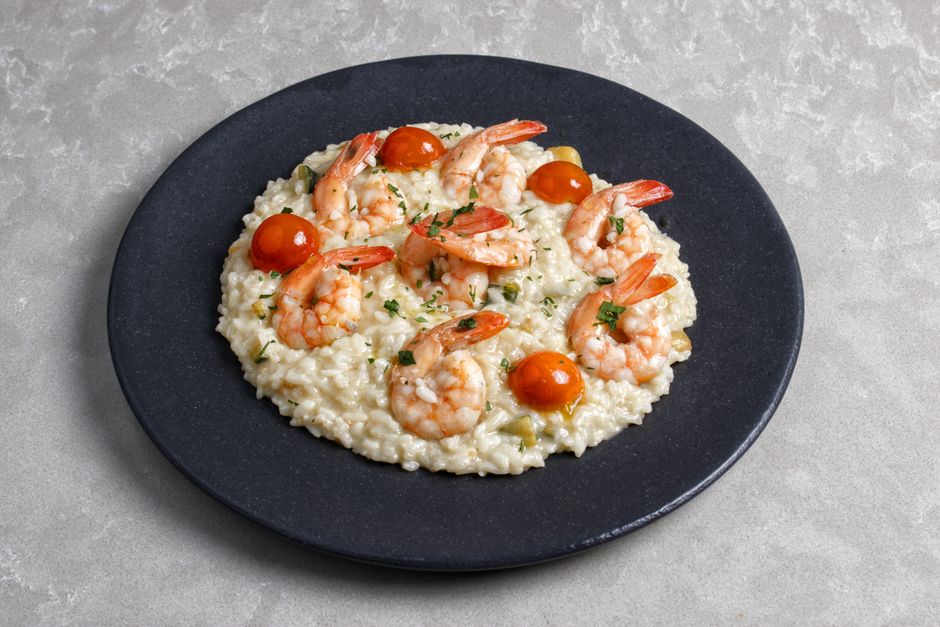
The Art of Perfect Risotto: Mastering This Classic Italian Dish
In the realm of Italian cuisine, few dishes evoke as much reverence and equally as much trepidation as risotto. This decadent dish is fascinating yet often daunting for many home cooks. It’s an homage to the basic virtues of cooking: patience, attention, and a dedicated understanding of your ingredients. While it may seem daunting, with a little guidance and practice, you can master the art of risotto, transforming it from a restaurant menu staple into a beloved home-cooked favorite. Just as a painter knows that the right brush can make all the difference, a cook understands that the right techniques and ingredients can elevate a simple rice dish into a culinary masterpiece.
At its core, risotto exemplifies the beauty of simplicity. This dish centers on a single type of rice, Arborio, known for its starchiness, which creates that signature creamy texture. The beauty of risotto, however, lies not only in the rice itself but in the method of cooking—slowly coaxing out the starches while adding broth gradually allows for a rich, velvety texture that clings to each grain. While there are numerous variations, from the classic Risotto alla Milanese with its saffron infusion to more modern interpretations featuring seasonal vegetables, mastering the basic technique will enable you to create risotto tailored to your palate.
Achieving perfect risotto is as much about technique as it is about passion. The process should be meditative rather than stressful; it invites you to engage fully with the cooking experience and honors the ingredients by allowing their flavors to shine. In this guide, we’ll delve deeply into the intricacies of making risotto, discussing important ingredients, traditional cooking techniques, common pitfalls, and inventive garnishing ideas that will leave your guests clambering for seconds. By the end, you will have the tools and knowledge necessary to prepare a risotto that not only impresses but resonates with your culinary spirit.
Understanding Risotto and Its Ingredients
To master risotto, it’s essential to understand the key components that make this dish unique. While the rice is undoubtedly the star of the show, other ingredients and techniques play crucial roles in creating a harmonious final product.
The Right Rice: Choosing Your Grain
When it comes to risotto, not just any rice will do. The grain’s ability to absorb liquid while releasing starch is critical. The most commonly used rice varieties include:
Using the correct type of rice is non-negotiable. While other types of rice can be used in a pinch, they might not yield the same creamy results or right bite texture, which are crucial for a successful risotto.
Stock: The Soul of Your Risotto
The stock you choose is another pivotal player in your risotto's flavor profile. Homemade stocks are ideal, offering more depth and complexity than store-bought varieties. When choosing your stock, consider the following:
Whenever possible, use homemade stock. The richness and flavor garnered from slow simmering bones or roasted vegetables are unmatched, creating an incredible depth of taste when added to the risotto.
Aromatics: Building Layers of Flavor
Aromatics like onion, shallots, garlic, or leeks are fundamental to building flavor in your risotto. Here’s how to use them effectively:
When you sweat your chosen aromatics, do so over low heat to soften them while gradually releasing their flavors, making them a perfect foundation for the dish.
The Cooking Process: Step-by-Step
Now that you have a grasp on the ingredients, let’s delve into the step-by-step cooking process that transforms these components into a perfectly creamy risotto.
Step 1: Prepare Your Broth
Before you even consider starting your risotto, it’s critical to prepare your broth. Ideally, your stock should be warm (about 180°F). This prevents the cooking temperature from dropping each time you add liquid to the pan.
Step 2: Sauté Aromatics
In a large, heavy-bottomed pot or saucepan, heat a couple of tablespoons of olive oil or a mix of oil and butter over medium heat.
This step is critical; sautéing should be done gently to maximize the flavors without caramelizing the onions excessively.
Step 3: Toast the Rice
Once the aromatics are softened, it’s time to introduce the rice.
Step 4: Deglaze and Add Liquid
After toasting, deglaze the pan with a splash of dry white wine (about 1/2 cup). The acidity of the wine brightens the flavor of the risotto.
Step 5: Stir, Monitor, and Repeat
This step is where the magic happens.
Step 6: Achieving Creaminess
As you continue to add broth, the rice should begin to release its starches, creating a creamy sauce.
Step 7: Finishing Touches
Once the risotto is cooked to your liking, it’s time to induce the final touch.
Common Mistakes to Avoid
Even with the best of intentions, home cooks can still fall pray to a few common pitfalls when preparing risotto. Here’s what to look out for:
Skipping the Toasting Step
Failing to toast the rice can lead to a textural difference; it’s essential for flavor development and even cooking.
Using Cold Stock
Pouring cold stock into your risotto will shock the cooking process, causing the rice to cook unevenly. Always keep your broth warm!
Overcrowding the Pan
If you try to double or triple the recipe all at once, you risk uneven cooking and a gloppy texture. It's best to make risotto in batches for consistent results.
Not Stirring Enough
Risotto demands attention. Neglecting to stir can lead to uneven cooking and a burnt bottom. Stir every few minutes to ensure even cooking and prevent sticking.
Adding Too Much Liquid at Once
Only add stock gradually so the rice can properly absorb the liquid. Too much stock at once dilutes the flavors and hinders the release of starches.
Creative Variations of Risotto
Once you’ve mastered the basic technique, the creativity begins! Here are a few variations to inspire your culinary journey:
Seasonal Vegetable Risotto
Vegetables like asparagus, peas, mushrooms, or butternut squash can bring an exciting twist.
Seafood Risotto
Seafood lovers will adore this variation.
Mushroom Risotto
Mushrooms add an earthy depth to risotto that’s irresistible.
Parmesan Truffle Risotto
This luxurious variation combines umami flavors with a touch of elegance.
Expert Tips for Perfect Risotto
Now let’s uncover some expert tips to elevate your risotto-making game:
Elevating Your Risotto Presentation
While risotto is comforting, a touch of finesse in presentation can take it from home-cooked to restaurant-worthy.
Conclusion
Making the perfect risotto is a practice that marries art and science, inviting you into a space where you can explore flavors, refine techniques, and engage creatively. Through understanding your ingredients, mastering the cooking process, and avoiding common pitfalls, you’ll set the stage for a wonderfully creamy and delicious risotto.
The beauty of risotto is in its versatility; it can be as simple or as elaborate as your occasion demands, yet it always retains its comfort-nature. From special family gatherings to casual weeknight dinners, a bowl of risotto signifies warmth, care, and an appreciation for Italian culinary tradition.
With each stirring spoonful, you can draw closer to mastering this timeless dish, inviting countless variations to grace your table. So, grab that Arborio rice, some good stock, and your favorite ingredients, and step into the seductive world of risotto. You’ll find that with practice, patience, and a sprinkle of passion, you truly can master the art of risotto. Now, go forth and cook with confidence—after all, the only limits are those of your imagination!
Get the Next Recipe
Weekly recipes, techniques, and gear picks — straight to your inbox.
