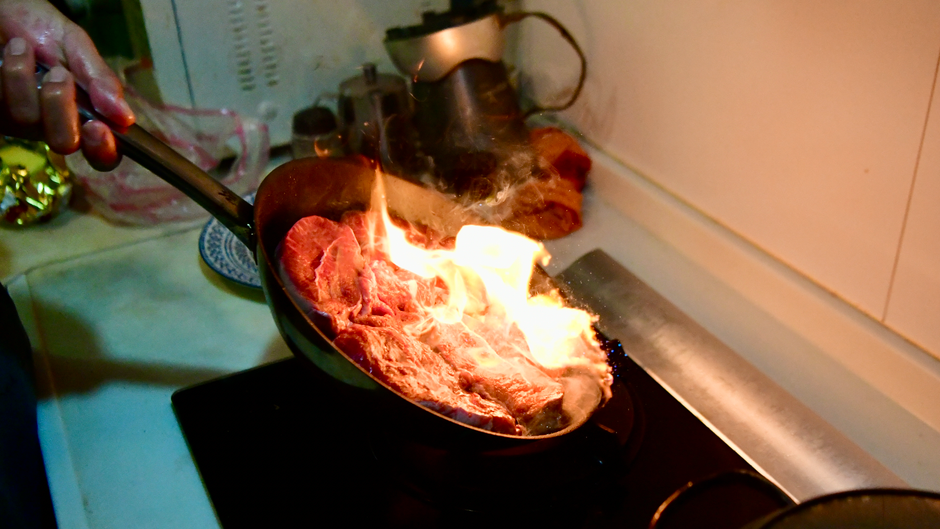
The Art of Perfect Sear: Science Behind Golden Crust Formation
When it comes to culinary excellence, few techniques stand out as much as achieving the perfect sear. This transformative cooking method not only heightens the flavors of the ingredients but also enhances presentation with an eye-catching golden crust that invites diners to indulge. The art of achieving this coveted crust lies in understanding the interplay of heat, moisture, and the Maillard reaction—an essential chemical process that creates complex flavors and appealing aromas. For many home cooks, achieving that ideal sear can seem elusive, but with the right knowledge and techniques, every meal can be a showcase of culinary skill.
As you delve into the secrets of a perfect sear, keep in mind that the process is not merely about heat and timing; it’s also about technique, ingredient choice, and the tools at your disposal. Starting with the right cut of meat, fish, or vegetable sets the foundation for a truly masterful sear. Equally important is ensuring your equipment, whether it's a cast-iron skillet, stainless steel pan, or grill, is properly prepped and heated to create that all-important crust without steaming or simply cooking the food through. Understanding how to manipulate factors like surface area and moisture content can elevate your cooking from ordinary to extraordinary.
Furthermore, the joy of cooking stems not only from the delicious outcomes but also from the knowledge and confidence gained through practice. As you learn to embrace the science behind a perfect sear, you will foster a deeper connection to your culinary endeavors. In this blog post, we’ll explore the ins and outs of achieving that stunning golden crust—from choosing the right ingredients and tools to mastering cooking techniques that guarantee success. Let’s embark on this flavorful journey to elevate your kitchen prowess and bring joy to your table.
Understanding the Maillard Reaction
The Maillard reaction is the cornerstone of achieving a perfect sear, and it’s a fascinating chemical process that occurs when amino acids and reducing sugars interact under heat. This reaction not only gives food its characteristic brown color but also generates a range of complex flavors and aromas that make dishes truly irresistible. Understanding this process will exponentially increase your ability to execute a perfect sear every time.
The Science Behind Browning
When food is heated, its proteins and sugars begin to break down, leading to a series of complex reactions. The Maillard reaction starts around 285°F (140°C). Once this temperature is reached, the sugars in the food caramelize, and proteins form a brown coating that not only looks beautiful but also adds layers of flavor.
- Temperature: Higher temperatures yield a faster reaction, leading to more effective browning.
- pH levels: Alkaline conditions enhance the Maillard reaction. For instance, adding a pinch of baking soda can enhance browning on meats.
- Moisture: Too much moisture can hinder the formation of a good crust, as it leads to steaming instead of searing.
When you aim to sear meat or vegetables, achieving that golden-brown exterior while retaining moisture inside is your target. Lower temperatures often result in a lackluster color and flavor, while excessively high temperatures can lead to burnt exteriors and still-raw interiors. This balance is where understanding the science proves beneficial.
Effects of Heat
To achieve optimal results, preheating your cooking surface is essential. For example, when using a cast-iron skillet, aim for a moderate to high heat level, usually around 400°F (200°C) for most proteins. Here’s a simple step-by-step approach to ensure your skillet reaches the proper temperature:
As you begin to understand the heating dynamics of your cookware, you’ll develop the intuition necessary for achieving that beautiful, even sear.
Selecting Ingredients for Optimal Searing
The quality and type of ingredients you choose for searing can greatly impact your results. Factors such as fat content, moisture levels, and surface area can all affect the searing process. Understanding how to select and prepare your ingredients is crucial in mastering the art of a perfect sear.
Choosing the Right Proteins
Different proteins respond differently when searing. Here are some guidelines to help you choose wisely:
Vegetables and Searing
While proteins often take the spotlight, vegetables can also benefit greatly from a good sear. When selecting vegetables, consider the following:
Preparing Your Ingredients
Once your ingredients are selected, it's time to prepare them. Proper preparation is paramount to achieving that sought-after crust:
Having the right ingredients and preparing them properly sets the stage for achieving a sensational crust.
Mastering Equipment and Techniques
Having the right equipment is just as important as selecting the right ingredients. The tools you use for searing can significantly impact the quality of your results. Familiarizing yourself with various cooking vessels and techniques will empower you to achieve a perfect sear every time.
Choosing the Right Cookware
The choice of cookware can play a pivotal role in the success of your sear:
Techniques for Effective Searing
Knowing the right technique to employ when searing is just as critical as your tool selection. Here are a few techniques that can help you master the art of perfect sear:
Timing and Temperature Control
Fine-tuning the cooking temperature and timing is fundamental to achieving that perfect crust. Each protein has a different ideal cooking temperature:
Utilizing an instant-read thermometer is an excellent way to gauge temperatures accurately. Insert the probe into the thickest part of the meat for the best results.
Building Flavor with Basting
Basting is a great technique, especially when searing meats. Adding butter and aromatics to the pan can significantly enhance the flavor profile of your dish. Here’s how to incorporate it:
Common Mistakes and Troubleshooting
Even experienced chefs sometimes struggle with achieving a perfect sear. Here, we'll explore common pitfalls and how to troubleshoot them for successful results every time.
Overcrowding the Pan
One of the most frequent mistakes in searing is overcrowding the pan. This can lead to a significant temperature drop, causing the food to steam rather than sear. When this happens, you can end up with a mushy result rather than the crispy exterior you desire.
"Less is more when it comes to cooking: giving each piece of food ample room in the pan is key to developing that divine crust."
Inadequate Heat
If your pan isn’t hot enough when you introduce your proteins, they won’t brown well. You'll likely end up with a gray, unappetizing exterior rather than a beautiful, golden crust.
To ensure adequate heat:
Timing Issues
Improper timing can also ruin a good sear. Searing for too long may leave meat tough and overcooked, while cutting the searing process short can prevent the formation of a crust.
Consider implementing cooking timers to keep track of time accurately, particularly for proteins that cook quickly.
Oil Control
Using the wrong type of oil or the incorrect amount can also affect your results. If the oil is too viscous or has a low smoke point, it may burn before achieving a proper sear.
Ensure you:
Enhancing the Sear with Marinades and Rubs
While a good sear is often achieved through technique, the flavor can be further enhanced through seasoning methods such as marinades and dry rubs. These can add depth to your ingredients, turning a simple meal into a dazzling culinary experience.
The Power of Marinades
Marinades can infuse proteins and vegetables with flavor while also adding moisture. A basic marinade often includes:
Basic Marinade Recipe:
Creating Flavorful Rubs
Dry rubs are another excellent way to pack flavor without adding moisture to your ingredients. They consist of a blend of spices and herbs that enhance the natural flavors of your food.
- 1 tablespoon of your choice of dry spices (paprika, cumin, garlic powder, etc.)
- Salt and pepper to taste
Application: Generously coat your protein with the rub, pressing it into the surface to ensure adherence before searing.
Balancing Sweet and Savory
When enhancing flavors, consider balancing savory and sweet aspects. For proteins like pork, a hint of sweetness from honey or brown sugar can complement the savory notes, caramelizing beautifully during the searing process.
Conclusion
The art of a perfect sear is a skill that requires patience, practice, and a willingness to experiment. By understanding the underlying science, selecting the right ingredients, and mastering your techniques, you can elevate your culinary creations to new heights. Remember, it’s not only about achieving visual appeal; it’s about enhancing flavor, aroma, and satisfaction.
As you embark on your journey to achieving perfect sears, keep experimenting with different oils, marinades, and equipment. Every cooking session offers a chance to refine your technique and deepen your culinary knowledge. The more you sear, the better you’ll become, and with practice, you’ll effortlessly elevate your home cooking.
Embrace the process, learn from your mistakes, and celebrate your successes. There’s nothing quite as rewarding as serving a beautifully seared dish, not only for its taste but also for the stories and experiences behind its creation. Happy cooking!

Get the Next Recipe
Weekly recipes, techniques, and gear picks — straight to your inbox.
